Your Winter Job Roadmap
- What Kind of Ski Resort Jobs in Colorado Are Out There?
- Where to Look: Top Colorado Resorts for Seasonal Jobs
- The Step-by-Step Playbook: How to Actually Get Hired
- Life Logistics: Housing, Visas, and the Real Cost
- Frequently Asked Questions (The Stuff You're Secretly Worried About)
- Final Thoughts: Is a Ski Resort Job in Colorado Right for You?
Let's be real for a second. The idea of spending a winter working at a Colorado ski resort sounds like a dream, doesn't it? Waking up to fresh powder, riding on your days off, being part of that mountain town vibe. I get it. I spent a few seasons doing exactly that, and let me tell you, it's equal parts incredible and... well, challenging in ways you might not expect.
But here's the thing. Figuring out how to actually land one of those coveted ski resort jobs in Colorado can feel like a maze. Which resorts are hiring? What jobs are even available? Do you need to be an expert skier? What about housing? (Spoiler: that's often the hardest part).
This guide isn't just a list of job boards. It's the full picture, the good, the bad, and the snowy, based on real experience and digging through tons of information. We're going to cover the types of jobs you can get, the top resorts to target, the step-by-step application process, the logistics of actually living there, and answer all those nitty-gritty questions you're probably wondering about. Think of it as your handbook for turning that winter dream into a reality.
What Kind of Ski Resort Jobs in Colorado Are Out There?
First off, let's squash a myth. You do not need to be a pro skier or snowboarder to get most jobs. Resorts need all kinds of people to function. Seriously, they're like small cities on the mountain. The jobs generally fall into a few big categories.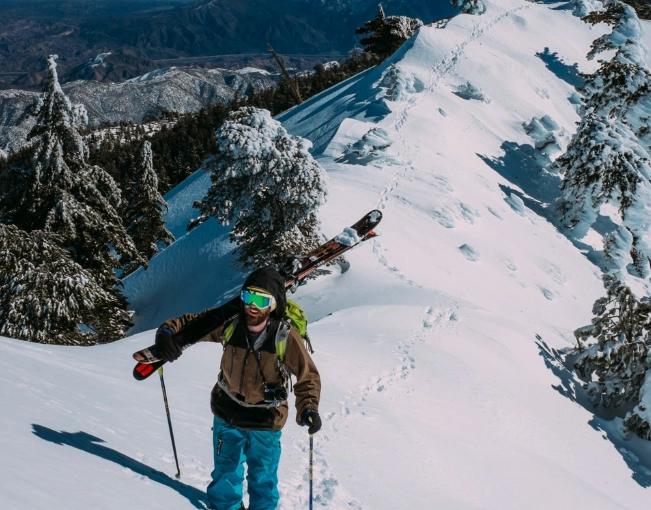
On-Mountain Operations (The Heart of the Resort)
These are the jobs that keep the skiing and riding happening. They're often the most sought-after because you're right in the action.
- Lift Operations: This is the classic entry point. You're loading and unloading chairs, making sure people are safe, answering questions. It's shift work, often early mornings, and you're outside in all weather. But you get to know the mountain like the back of your hand and chat with everyone. The pay is usually an hourly wage just above minimum, but the free pass and mountain access are huge perks.
- Ski & Snowboard Instructors: This requires certification (like from PSIA or AASI), especially for higher levels. But many resorts hire first-timers and train them for beginner lessons. If you love teaching and people, it's rewarding. Pay can be low for beginner instructors, often relying on tips, but it scales up with certification.
- Mountain Safety & Patrol: This is the big leagues. It requires advanced medical training (often EMT or OEC) and expert skiing/boarding ability. It's highly competitive, but it's one of the most respected jobs on the hill.
- Grooming & Snowmaking: The night owls. These crews work through the night to shape corduroy and blow snow. It involves operating heavy machinery. It's a crucial, technical job that often pays better than many other entry-level positions.
Food & Beverage and Hospitality
This is where a huge number of the Colorado ski resort employment opportunities are. Every resort has multiple restaurants, cafes, bars, and sometimes even fine dining.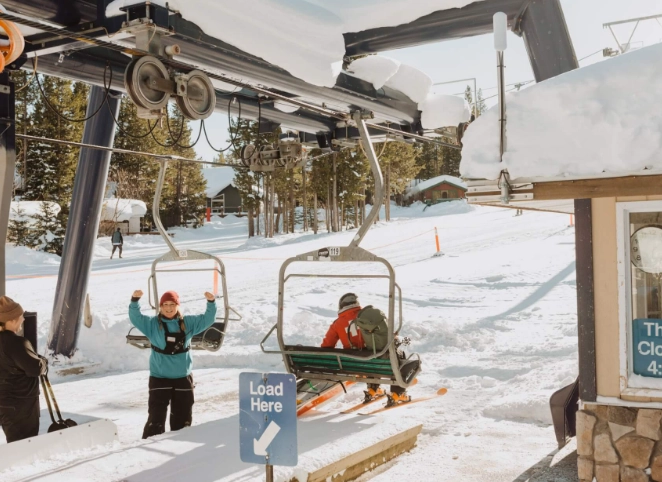
You could be a line cook, a server, a bartender, a barista, or work in fast food on the mountain. The pay structure is similar to any restaurant job—hourly plus tips. Tips at busy mountain restaurants can be very good. The hours can be long and hectic, but the employee culture is usually strong. Many people I knew paid their rent solely from their weekend bartending tips.
Retail & Rental
Working in a resort-owned ski shop, rental center, or ticket office. This is a great option if you're good with people, like gear, and prefer to be indoors more often. You'll become an expert at fitting boots and explaining lift ticket options. It's customer service, plain and simple.
Lodging & Guest Services
This includes front desk agents, concierge, housekeeping, and maintenance for the resort's hotels and condos. These jobs are essential and can offer more stable schedules. Housekeeping is hard work but is almost always in high demand.
| Job Category | Typical Roles | Skill Level Needed | Biggest Perks | Real Talk: The Downsides |
|---|---|---|---|---|
| On-Mountain Ops | Lift Op, Instructor, Patrol | Beginner to Expert | Free pass, most time on snow | Early shifts, outdoor in storms, lower base pay |
| Food & Beverage | Server, Cook, Bartender | Some experience helpful | Potential for great tips, social | High stress, late nights, dealing with hangry guests |
| Retail & Rental | Shop Associate, Rental Tech | Beginner, customer service | Indoor, learn about gear, consistent schedule | Can be repetitive, dealing with rental frustrations |
| Lodging & Services | Front Desk, Housekeeping | Beginner | Often more regular hours, indoor | Housekeeping is physically demanding, guest complaints |
Where to Look: Top Colorado Resorts for Seasonal Jobs
Colorado is packed with world-class resorts, and almost all of them hire hundreds of seasonal workers. The hiring needs are massive. Here’s a breakdown of some of the major players and what to know about their winter jobs in Colorado ski resorts scene.
The Vail Resorts Behemoth
Vail Resorts operates some of the biggest names: Vail, Beaver Creek, Breckenridge, Keystone, and Crested Butte. They have a centralized hiring portal called the Vail Resorts Careers Site. Working for them is a mixed bag.
The Good: They are a well-oiled machine. The hiring process is clear. You often get a free Epic Pass, which gives you access to all their resorts—a insane value. Employee perks and discounts can be decent.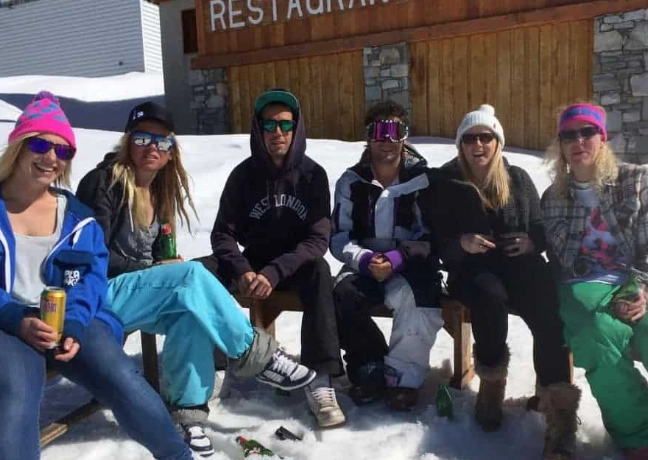
The Not-So-Good: Because they're so big, you can feel like a number. Housing, which they offer at many locations, is notoriously competitive and can be expensive and cramped. The corporate culture is very real. Some people love the structure, others find it stifling.
The Alterra Mountain Company Family
Their flagship in Colorado is Winter Park Resort. They also run Steamboat and, more recently, have a partnership with Aspen Snowmass (though Aspen operates its hiring more independently). Check the Winter Park jobs page or the Alterra corporate site.
Winter Park has a reputation for a slightly more laid-back, community feel compared to the Vail giants. Their housing situation in the Fraser Valley can be a bit easier to navigate, but it's still tight. The Ikon Pass benefit is a major draw.
The Independent Icons: Aspen and Telluride
These are the legendary, high-end destinations. Getting a job here is competitive, for good reason.
- Aspen Snowmass: The hiring is managed by the Aspen Skiing Company. They are known for treating employees relatively well and investing in staff. The catch? Living in Aspen is astronomically expensive. Their employee housing is critical but limited. If you get in, it's considered a top-tier experience.
- Telluride: Remote, stunningly beautiful, and with a fiercely loyal community. Check Telluride Ski Resort jobs. Similar to Aspen, cost of living is high and housing is the #1 challenge. The mountain culture here is deep and authentic.
Other Great Spots to Consider
Don't overlook smaller or less-hyped resorts! They can offer a better quality of life and a tighter-knit community.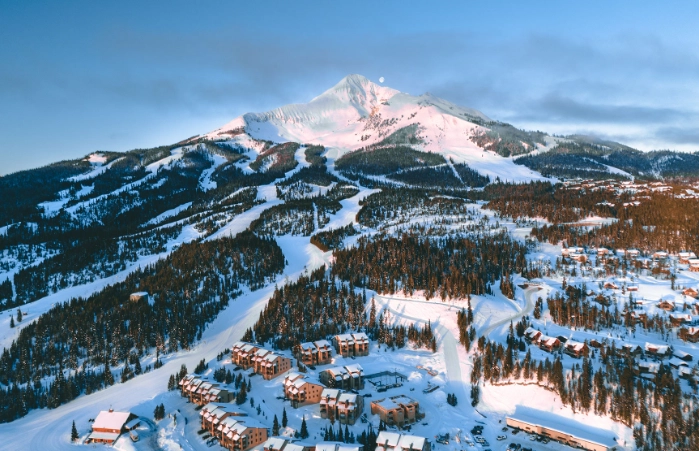
Copper Mountain: Owned by Powdr Corp, it's a pure ski resort without a big town at its base. Employee vibe is great, and housing in nearby Summit County might be slightly (keyword: slightly) easier to find than in Breckenridge. Their employment page is straightforward.
Arapahoe Basin (A-Basin): The legendary high-altitude, no-frills skier's mountain. Fewer jobs, but an incredibly dedicated staff and culture. If you live for skiing above all else, this is a pilgrimage. Housing? You'll almost certainly be commuting from Dillon or Silverthorne.
Purgatory, Wolf Creek, etc.: Resorts in southern Colorado (like near Durango) offer a different, often more affordable, Colorado experience. The snow is great, the crowds are smaller, and the towns are fantastic.
The Step-by-Step Playbook: How to Actually Get Hired
Okay, you know the jobs and the resorts. Now, how do you cross the finish line? Here's the process, broken down.
1. Timing is Everything: When to Apply
This is the most common mistake—applying too late. Resorts start planning for winter in the summer.
- Early Bird (July - August): This is prime time for the big resorts. Applications for most on-mountain and key hospitality roles open. Applying now shows keen interest and gets you in the queue for housing.
- Prime Time (September - October): The bulk of hiring happens here. Most job postings are live. If you want a specific role, don't wait past October.
- Last Chance (November - December): Resorts are still hiring for peak season needs, especially in F&B, housekeeping, and as last-minute replacements. The pickings are slimmer, and housing is almost certainly gone.
I applied in mid-October once and felt like I was scrambling. The best housing was gone, and I ended up in a... creative living situation (read: a converted garage). Learn from my procrastination.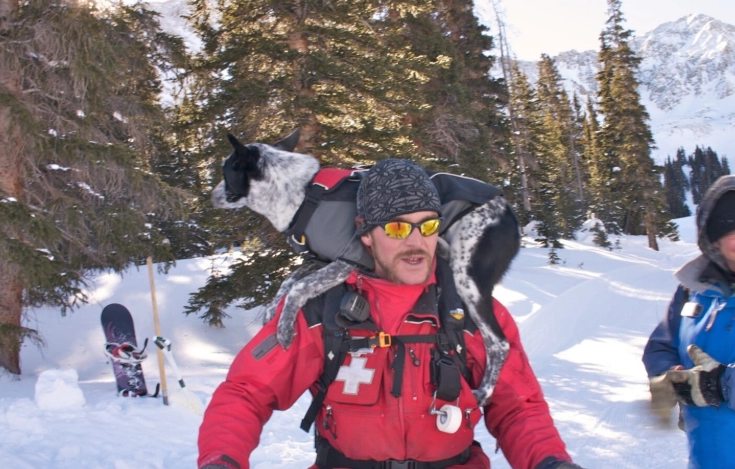
2. Crafting Your Application: Resume & Cover Letter
For most entry-level ski resort jobs in Colorado, they care less about your corporate pedigree and more about reliability, attitude, and customer service.
- Resume: Highlight any customer service, outdoor, or team-oriented experience. Worked in a restaurant? Lifeguarded? Volunteered? That's gold. Be clear about your availability (e.g., "Available from November 15 to April 20").
- Cover Letter: Make it personal. Why do you want to work at this specific resort? Show you've done a tiny bit of research. Mention your passion for the mountain community, not just the skiing. Keep it short and enthusiastic.
3. The Interview: What to Expect
It's usually a phone or video call. They want to know:
- Can you handle being on time for a 6 am lift shift in a blizzard?
- Are you a friendly person who won't scare the guests?
- Do you understand this is a job, not a paid vacation?
- Are you committed to staying the whole season?
Have questions ready for them! Ask about team culture, training, and, most importantly, the housing situation. Asking shows you're thinking practically.
4. The Offer and Onboarding
If you get an offer, you'll likely get details on:
- Pay rate and pay schedule.
- Start date and training.
- Employee Housing: This is the crucial part. If they offer it, you usually have to accept and pay a deposit quickly. Read the housing contract carefully—know the cost, what's provided, and the rules.
You'll also complete onboarding paperwork, which for international applicants includes the visa stuff (more on that below).
Life Logistics: Housing, Visas, and the Real Cost
This is the section that separates the dreamers from the doers. The job is one thing; making your life work there is another.
The Housing Puzzle
It's the single biggest stressor for seasonal workers. Here are your options, ranked by difficulty.
- Employer-Provided Housing: The golden ticket. It's usually dorm-style (shared rooms or apartments), often with rules (no pets, quiet hours). It's not luxurious, but it's affordable, close to work, and full of other employees. Apply for it the second it's offered.
- Renting Privately: Very difficult and expensive. Look in nearby, less glitzy towns (e.g., Leadville for Summit County, Gunnison for Crested Butte). Use Facebook groups (search "[Town Name] Housing"), Craigslist (cautiously), and word-of-mouth. You'll need a security deposit and often proof of income.
- Creative Alternatives: I've known people who lived in RVs (check local ordinances), worked as property caretakers, or found rooms in employee "crash houses" sublet from someone who left mid-season. Be resourceful, but have a backup plan.
Visas for International Workers
If you're not a U.S. citizen or permanent resident, you'll need a work visa. Resorts are familiar with this process. The main two are:
- J-1 Visa (Exchange Visitor): This is the most common for seasonal ski resort work. You typically go through a U.S. Department of State-designated sponsor agency. The resort often partners with one. The agency helps with the visa paperwork and provides some support. There are program fees.
- H-2B Visa (Temporary Non-Agricultural Workers): Used less frequently for resorts. The employer must prove they cannot find U.S. workers. It's more employer-driven.
Start this process EARLY. Visa applications can take months. Do not book flights until your visa is approved. The resort's HR or your sponsor agency will guide you.
Budgeting for the Season
You're not going to get rich. You need to be smart with money.
Income: Base pay might be $18-$22/hour for many entry jobs. Tips in F&B can significantly boost this. Your biggest financial benefit is the free season pass, which can be worth $1000+.
Major Expenses:
- Housing: $400-$800/month for employee housing; $1000+/month for a shared room privately.
- Food: Groceries in mountain towns are pricey. Cook as much as you can.
- Transportation: If you live in employee housing or town, you might not need a car. Resort shuttles are common. A car is a huge expense (insurance, gas, potential 4WD/snow tires).
- Gear: Don't buy new everything. Use your employee discount, shop end-of-season sales, or use demo/rental gear initially.
Have a savings cushion ($2000-$3000) for setup costs and emergencies. It makes the season less stressful.
Frequently Asked Questions (The Stuff You're Secretly Worried About)
Do I need a car to work at a Colorado ski resort?
Not necessarily. Many employee housing complexes have shuttles to the resort. Town shuttles and free bus systems (like Summit County's free buses) are extensive. A car offers freedom to explore but is a major cost and hassle in snow and ice. I'd recommend trying your first season without one.
I'm a beginner skier/snowboarder. Can I still get a job?
Absolutely. For most non-instructor jobs, they just want you to be comfortable being in a snowy mountain environment. You'll learn quickly! Being an intermediate skier is helpful for jobs like lift ops to get around the mountain, but they'll train you.
What are the chances of turning a seasonal job into a year-round career?
It happens more than you think. Show up on time, work hard, be positive, and express interest in staying. Many people start in winter, get offered a summer job (in biking, events, maintenance), and then roll into the next winter. Leadership and management roles are often filled from within.
How hard is it to get a job at a fancy resort like Aspen or Vail?
It's competitive, but not impossible. They hire hundreds of people. Your attitude and customer service focus matter more than an elite resume. Apply early, be flexible on the specific role, and nail the interview by showing you understand the demands of the job.
Is it easy to meet people and make friends?
It's one of the easiest environments in the world to make friends. You're all in the same boat—new to town, love the mountains, working similar jobs. Employee housing, shift meals, and après-ski gatherings create instant community. Some of my closest friends are from my resort season.
Final Thoughts: Is a Ski Resort Job in Colorado Right for You?
Let's wrap this up honestly.
A season working at a Colorado ski resort can be one of the most memorable experiences of your life. The freedom, the friendships, the feeling of being part of the mountain's daily rhythm—it's addictive. You'll get in the best shape of your life, become a better skier or rider, and see sunrises and storms that will stay with you forever.
But.
It's also a grind. The work can be physically demanding and sometimes monotonous. You'll deal with tired, frustrated guests. You might be far from family during holidays. The pay is modest, and the cost of living is high. You'll probably live in a small room with a roommate.
If you go in with realistic expectations—viewing it as an experience first and a job second—you'll thrive. If you expect it to be a constant vacation, you'll burn out fast.
My advice? If you're even slightly considering it, apply. Do it now, while the hiring windows are open. The worst that can happen is you get a job offer and decide not to take it. The best that can happen is you embark on a winter that just might change how you see work, play, and community.
Good luck out there. I'll see you on the lift.