Your Quick Mountain Guide
- What Kind of Ski Resort Jobs Are Out There, Really?
- The Nuts and Bolts: Pay, Perks, and The Housing Headache
- The Step-by-Step Game Plan to Get Hired
- Living the Life: The Realities Beyond the Job Description
- Frequently Asked Questions (The Stuff You're Secretly Worried About)
- Final Thoughts Before You Hit "Apply"
So you're thinking about spending your winter on the slopes, huh? Not just skiing or snowboarding, but actually working there. Let me tell you, it's a thought that crosses the mind of just about every passionate skier and snowboarder at some point. Trading the daily grind for mountain air, fresh powder on your days off, and being part of the buzzing energy of a ski resort. It sounds like a dream, and for many, it absolutely is. But like any dream job, there's a reality behind the postcard image. The good, the challenging, and the downright awesome.
I've been there. I spent two seasons working at a major resort out in Colorado, and it completely changed my perspective on winter. This guide isn't just a dry list of job openings. It's the handbook I wish I had before I started applying. We're going to dig into everything: the types of ski resort jobs in the USA you can actually get, what they pay (spoiler: it's not usually about getting rich), the crucial thing everyone forgets to plan for (housing!), and the step-by-step process to go from dreaming about it to actually getting hired.
What Kind of Ski Resort Jobs Are Out There, Really?
When people think of ski resort jobs USA, they often just picture the ski instructor in the red jacket. That's a big one, sure. But a resort is like a small, snow-covered city. It needs hundreds of different roles to function, and that means opportunity. Let's break them down into categories so you can see where you might fit.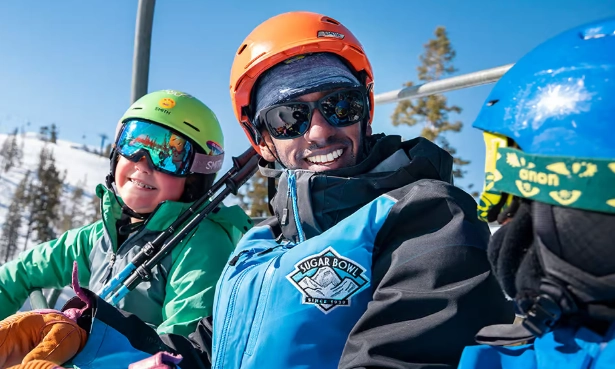
On the Snow: The Jobs You See
These are the frontline roles, the ones interacting with guests on the mountain all day.
Ski & Snowboard Instructors: This is the classic gig. You'll need certification from bodies like PSIA or AASI, which isn't cheap or easy, but it's the gold standard. You'll teach everyone from terrified toddlers to confident adults looking to carve better. The pay often has a low base rate plus commissions for lessons sold. The biggest perk? Unlimited skiing when you're not teaching.
Lift Operators: The unsung heroes of the mountain. This job is about safety, customer service, and dealing with the cold. You're loading and unloading chairs, checking passes, and making sure everyone gets on and off safely. It's shift work, often early mornings, but you're right at the base of the action. It's a fantastic entry-level position that requires zero prior ski industry experience.
Mountain Safety & Ski Patrol: This is the big leagues. These are the first responders on the hill, handling everything from minor scrapes to serious emergencies. You need advanced first aid (often EMT-level), avalanche training, and expert-level skiing/riding skills. It's highly competitive and requires serious dedication, but it's one of the most respected positions on the mountain.
Groomer Operators: The night owls. These drivers operate the massive snowcats that groom the slopes, creating those perfect corduroy lines. It requires mechanical aptitude and the ability to work alone on a night shift. You usually need experience, but some resorts train from within.
Behind the Scenes: The Jobs That Keep the Lights On
A resort can't run on instructors alone. These jobs are less visible but just as critical.
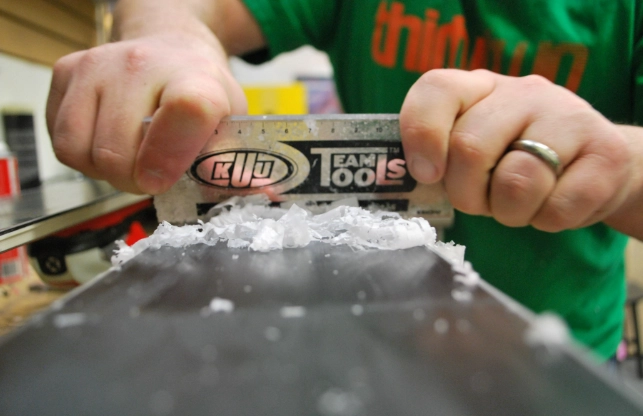
- Rental Technicians: Fitting boots, tuning skis, and managing a frantic rental shop. It's fast-paced retail with a technical twist.
- Food & Beverage (F&B): From cafeteria line cooks and baristas to fine dining servers and bartenders. The mountain restaurants are packed, and these jobs are always in high demand. Tips can be very good in high-end on-mountain lodges.
- Lodge/Housekeeping: Cleaning guest rooms, condos, and public spaces. It's hard work, but it's often steady and can come with housing perks.
- Retail & Ticket Office: Selling lift tickets, season passes, and logo merchandise. You need great customer service skills and patience during peak periods.
- Maintenance & Facilities: Fixing everything from a broken chairlift motor (rare but critical) to a leaky pipe in a hotel. Skilled trades are highly valued.
The Professional Roles (Yes, You Can Have a Career)
Think ski resort jobs USA are only for seasonal transients? Think again. Resorts need full-time, year-round professionals.
Marketing teams, finance departments, HR, IT support, event coordinators, sales managers for group bookings, and sustainability directors. These are corporate jobs that happen to be located in a mountain town. They often require specific degrees and experience, but they offer a path to a long-term life in the mountains. Sites like Snowsports Industries America can have resources for these career paths.
The Nuts and Bolts: Pay, Perks, and The Housing Headache
Let's talk money and logistics. This is where the fantasy meets your bank account.
You don't take a ski resort job to get rich. Let's just get that out there. You take it for the lifestyle and the experience. Wages vary wildly by region, resort size, and position. According to general data from the U.S. Bureau of Labor Statistics for similar service and recreational roles, you're often looking at an hourly rate somewhere between state minimum wage and maybe $20-$25 an hour for non-supervisory roles. Instructors and servers can make more with tips/commissions. Patrol and grooming pay better due to the specialized skills.
The real "pay" often comes in the form of benefits:
- Season Pass: This is the big one. Free or heavily discounted access to the mountain for you, and sometimes friends/family.
- Food & Retail Discounts: Usually 20-50% off at resort-owned establishments.
- Pro Deals: Massive discounts on top-brand ski/snowboard gear, apparel, and accessories. This can save you thousands.
- Skill Development: Free or cheap ski lessons, avalanche courses, or even subsidies for instructor certification.
Now, for the elephant in the room: housing. This is the single biggest challenge for finding ski resort jobs USA. Mountain towns have severe housing shortages. It's expensive and incredibly competitive.
Many large resorts offer employee housing. It's often basic—dorm-style rooms, shared bathrooms and kitchens—but it's affordable and solves the location problem. The catch? It's limited and fills up instantly. When you apply, ask about housing availability immediately. If they don't offer it, you're on your own, which means scouring Facebook groups ("[Mountain Town] Housing"), local classifieds, and networking like crazy. Be prepared for high rents, security deposits, and possibly needing roommates.
The Step-by-Step Game Plan to Get Hired
Okay, you're sold on the idea. How do you actually make it happen? It's not just sending out a resume in December.
Timing is Everything: When to Apply
This is the most common mistake—applying too late. The hiring cycle for winter starts in late summer and early fall. Think August through October. Resorts are staffing up for a season that typically runs from November to April. If you apply in November, most of the good jobs are long gone.
Crafting Your Application: Resume & Cover Letter
Your resume should highlight customer service, teamwork, reliability, and any outdoor or physical work. Even if you were a barista or a retail clerk, frame it around those skills. For the cover letter, be specific. Don't just say "I love skiing." Explain why you want to work at THAT specific resort. Show you've done your homework. Mention the mountain's culture, their sustainability initiative, their family programs—something that shows genuine interest.
Where to Find the Listings
- Resort Career Websites: Go directly to the source. Find the "Careers" or "Jobs" page on the website of every resort you're interested in. Vail Resorts, Alterra Mountain Company, Boyne Resorts, and many independents post all openings here.
- Industry Job Boards: Sites like Coolworks are legendary for seasonal work, including tons of ski resort jobs USA.
- Local Networks: Facebook groups for specific mountain towns are invaluable for both job leads and housing.
The Interview: What to Expect
It might be a phone or video call. They'll ask about your availability (be 100% clear on your start/end dates), your ability to handle difficult customers, your teamwork skills, and your willingness to work in harsh weather. Be upbeat, flexible, and honest. Ask smart questions back: "What does a typical day look like for this role?" "What are the opportunities for advancement within a season?" "Can you tell me more about the team culture?"
Here’s a quick comparison of some major resort employers to give you a sense of scale and focus:
| Resort Company/Group | Examples of Resorts | Typical Hiring Scale | Known For |
|---|---|---|---|
| Vail Resorts | Vail, Beaver Creek, Breckenridge, Park City, Whistler Blackcomb | Very Large, structured corporate process. Epic Pass affiliation. | Comprehensive benefits, strong corporate training, employee housing (limited). |
| Alterra Mountain Company | Steamboat, Winter Park, Squaw Valley Alpine Meadows, Deer Valley | Large, but some resorts retain individual character. Ikon Pass affiliation. | Mix of corporate and resort-specific culture, often praised for mountain ops. |
| Boyne Resorts | Big Sky, Brighton, Sunday River, Loon Mountain | Large but family-owned feel at many properties. | Long-standing reputation, investment in facilities, cross-property opportunities. |
| Independent Resorts | Taos Ski Valley, Mad River Glen, many smaller local hills | Small to medium. Hiring is more personal and direct. | Unique culture, deep community ties, potential for more varied responsibilities. |
Living the Life: The Realities Beyond the Job Description
You've got the job. You've sorted housing (phew!). Now what's daily life actually like?
It's a blend of incredible freedom and real-world challenges. Your social circle becomes your coworkers and other seasonal folks. There are potlucks, nights out at the local dive bar, dawn patrol missions before work, and a shared sense of adventure. The community is unbeatable.
But it's not a vacation. You'll work when it's -10 degrees and blowing snow. You'll work holidays—Christmas, New Year's, President's Day weekend—when the resort is packed. You might have a roommate situation that's less than ideal. The cost of groceries in a remote mountain town can be a shock. You need to be resilient, adaptable, and good at managing your money, because the paychecks aren't huge.
You also need to actively manage your skiing. It's easy to get burned out or injured if you go too hard every single day off. Learn to enjoy a slow cruise, not just charging the steepest line. Your body is now a tool for your job, so treat it well.
Frequently Asked Questions (The Stuff You're Secretly Worried About)
Do I need to be an expert skier/snowboarder?
For most jobs, no. You need to be comfortable getting around on the mountain, especially in winter conditions. For lift ops, rental tech, F&B, retail—intermediate skills are usually fine. For ski patrol or instructing advanced students, you need to be an expert.
What if I'm not a US citizen?
This is a major hurdle. Most ski resort jobs USA are not sponsored for work visas (like the H-2B) because there is a large domestic applicant pool. Some very specialized roles (e.g., high-level ski school management from other countries) might get sponsorship, but it's rare for entry-level positions. Your best bet is to look into a J-1 Cultural Exchange visa through a sponsoring organization, which is designed for seasonal work/travel. Do your research early, as this process takes months.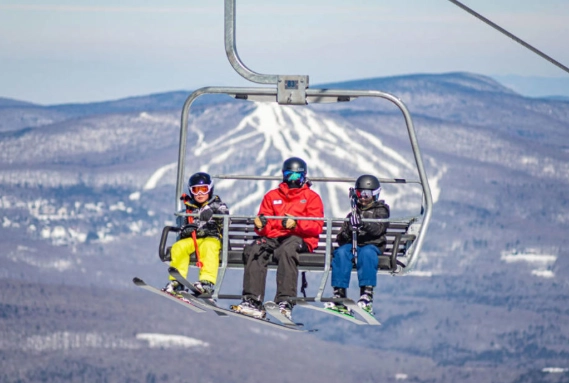
Is there an age limit?
Generally, you must be 18+ for most positions due to insurance and liability. Some roles like junior instructors or certain support jobs might hire responsible 16-17 year olds. On the other end, I've worked with "lifers" in their 70s who just love the mountain life. There's no upper limit if you're capable and passionate.
Can I make a career out of this?
Absolutely. Many people start seasonal and get promoted to year-round supervisory or management roles. Others use the experience to springboard into related industries: outdoor gear companies, tourism marketing, event planning. The network you build in a mountain town can be powerful. It starts with treating that first seasonal job seriously and showing initiative.
What's the hardest part?
Everyone will say housing, and they're right. But emotionally, it can be the transient nature. Friends come and go each season. Relationships are intense but often short-lived. You have to be okay with goodbyes and creating your own stability within a constantly changing environment.
Final Thoughts Before You Hit "Apply"
Pursuing ski resort jobs in the USA is one of the best ways to truly experience a winter mountain culture from the inside. It's work, real work, but it's work with a view and a purpose that feels different from a cubicle. It will test your adaptability, your people skills, and your tolerance for cold toes. It will reward you with sunrises over frozen peaks, friendships forged in shared adventure, and a deep, personal connection to a place and a season.
My advice? Go in with your eyes open. Be realistic about the pay and the housing struggle. Apply early—ridiculously early. Be flexible on the specific role to get your foot in the door. And once you're there, say yes to everything. Say yes to the extra shift, the employee party, the backcountry tour with new friends. The value of a season working on the mountain isn't just in the paycheck; it's in the stories you'll tell for the rest of your life.
Now, what are you waiting for? The mountains are calling, and they need someone to run that chairlift, teach that lesson, or serve that hot chocolate. It might as well be you.