Quick Navigation
- Where Should You Rent Your Skis? The Big Decision
- What Exactly Are You Renting? Breaking Down the Gear
- The 5 Questions You MUST Ask at the Rental Counter
- How to Actually Save Money on Your Ski Rental
- Common Ski Rental Mistakes (And How to Dodge Them)
- Ski Rental FAQs: Your Quick-Fire Questions Answered
- The Final Run: Making Your Ski Rental Decision
Let's be honest. The whole ski rental process can feel a bit overwhelming, especially if it's your first time or you're just trying to save some cash. You walk into a shop or browse a website, and you're hit with a million choices: skis, boots, poles, performance packages, demo this, premium that. It's enough to make you want to just buy a sled instead.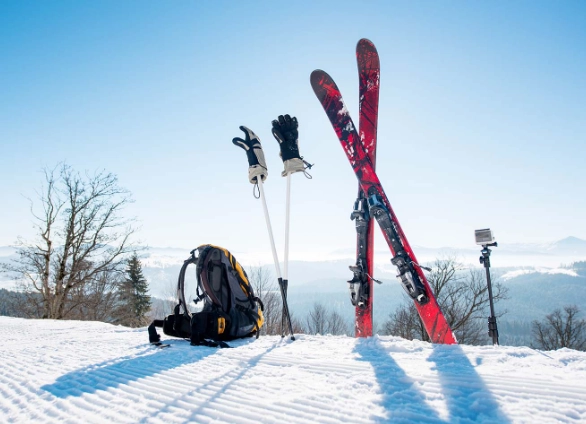
But here's the thing. Renting your gear is almost always the smarter move for most people. I learned this the hard way after buying a shiny new pair of skis for my second-ever trip, only to realize a year later that my skill level had completely outgrown them. That was an expensive lesson. Renting gives you flexibility, saves you from lugging heavy bags through airports, and lets you try different equipment. The trick is knowing how to do it right.
This guide is everything I wish I'd known before my first dozen trips to the mountains. We're going to break down the where, the how, the what, and the how-much of ski equipment rental. No jargon, no sales pitch—just the practical stuff you need to get the right gear and have a better time on the slopes.
Where Should You Rent Your Skis? The Big Decision
This is usually the first question that pops up. Do you book online before you go, or just wing it and find a place at the resort? The answer isn't the same for everyone. It depends on your trip, your budget, and how much you hate waiting in lines.
Let's compare the main options. It's not just about price; it's about time, service, and selection.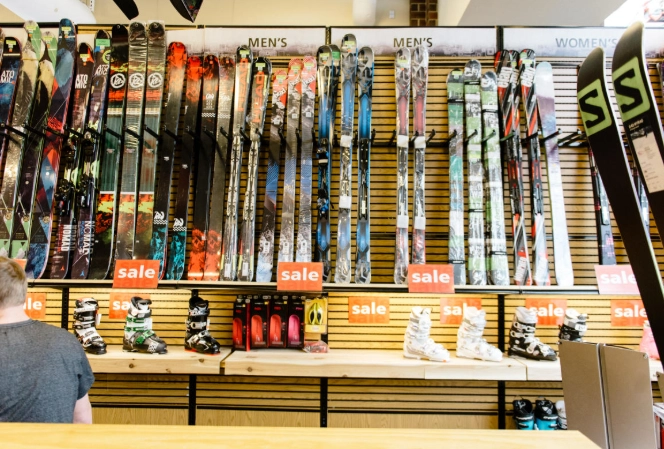
| Rental Option | Pros | Cons | Best For... |
|---|---|---|---|
| Online-Order, Off-Mountain Shop (e.g., national chains, local shops you book ahead) |
Usually the cheapest rates. Fast pickup (your info is already in). Often less crowded. Staff may have more time to help fit you. | You have to travel to the shop (often a shuttle ride). Need to plan ahead. Returning gear takes an extra stop. | Budget-conscious travelers, families, anyone who wants to avoid resort crowds. |
| Resort-Based Rental Shop (Located right at the base of the lifts) |
Ultimate convenience. Ski-in/ski-out. Easy to swap gear if something's wrong. Often linked to your lift ticket. | Most expensive option. Longest lines, especially in the morning. Can feel rushed during fittings. | First-timers who want simplicity, people short on time, or those staying slopeside. |
| Demo Rental from a Ski Shop | Access to next year's high-performance models. Perfect if you're thinking of buying. Gear is meticulously maintained. | Pricey. Geared towards advanced skiers. May not have basic packages. | Intermediate to expert skiers looking to test different ski technologies. |
| Airport Rental Kiosks | Get gear as you land. Don't need to make another stop. Bundles with rentals are common. | Limited fitting expertise. Gear can be more generic. If there's a problem, you're far from the mountain. | Travelers on super-tight schedules who are renting a car anyway. |
My general rule? If you're a beginner or intermediate, an off-mountain shop you book online is the sweet spot for value. For experts itching to try the latest carving ski or powder board, the demo center is worth the splurge.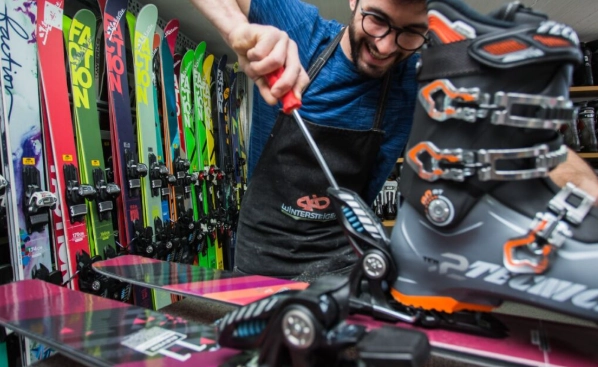
What Exactly Are You Renting? Breaking Down the Gear
When you go to rent skis, you're not just getting planks of wood and plastic. You're getting a ski rental package. That typically includes skis, boots, and poles. But the quality and type within that package vary wildly.
Shops usually offer tiers. Don't just go for the cheapest. Think about what you need.
The Standard Package (Economy/Basic)
This is the entry-level gear. The skis are durable, forgiving, and designed for easy turning. The boots are focused on comfort over high performance. Perfect for first-timers or someone who skis once every few years. If you're just learning to pizza and french fry, these are your tools. There's no shame in this tier—it's the right tool for the job.
The Performance Package (Sport/Advanced)
Now we're talking. This is for the skier who knows their way down a blue square and is eyeing the black diamonds. The skis here are lighter, more responsive, and built for carving turns on groomed runs. The boots are stiffer, giving you more control and power transmission. If you're confident linking parallel turns, step up to this level. The difference in responsiveness is noticeable and makes skiing more fun.
The Demo & High-Performance Tier
This is the top shelf. We're talking about current-year or next-year model skis from major brands like Rossignol, Atomic, Salomon, and Head. These are the skis you'd buy if money were no object. They're often categorized by specific ski type: all-mountain, powder, carving, freestyle. The boots are high-end, heat-moldable liners are common. This is for the serious enthusiast who wants to test specific technologies or simply ride the best available.
The 5 Questions You MUST Ask at the Rental Counter
Walking into the ski rental shop prepared is half the battle. Don't just hand over your credit card and hope for the best. A little conversation goes a long way. Here’s what to ask, based on my own cringe-worthy mistakes (like the time I got boots two sizes too big because I was shy).
- "Based on my height, weight, and how I described my skiing, are these the right skis for me?" This gets the technician involved. They should check the length and stiffness. A good tech might even suggest a different model.
- "Can you explain how these bindings are set?" Your DIN setting (the release tension) is critical for safety. It should be set based on your weight, skill level, and boot sole length. They should do this automatically, but asking shows you're informed. The Ski Authority has a good primer on DIN settings, but let the certified shop tech do the actual setting.
- "Can I walk around in the boots for a few minutes before I leave?" Boot comfort is everything. A pinch in the shop is agony on the mountain. Walk, flex, squat. Do they feel snug but not crushing your toes? Speak up now, not on chairlift six.
- "What's your policy for swapping gear if it's not working out?" Most shops are great about this. If the skis feel wrong or the boots are painful after a few runs, you can usually swap them. Knowing the policy removes stress.
- "Do you include helmets in any packages, or can I rent one?" Safety first, always. Many shops now include helmets or offer them for a small fee. If you don't own one, rent one. No debate.
Asking these questions turns a transactional process into a fitting session. You'll get better gear.
How to Actually Save Money on Your Ski Rental
Let's talk dollars. Renting can be a major trip expense, but it doesn't have to be. I've seen people pay double for the same gear by missing a few simple tricks.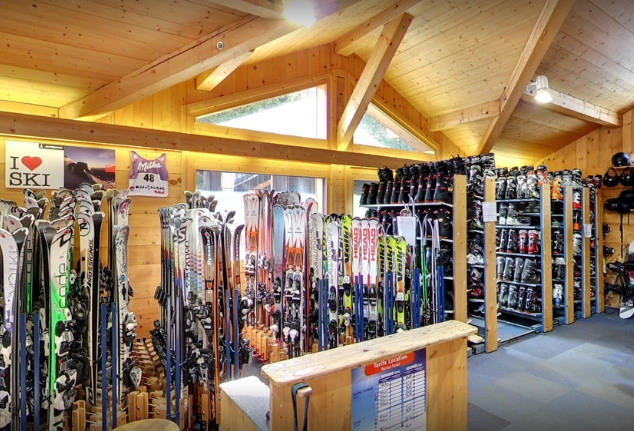
The single biggest money-saving tip is this: Book your ski rental online, and book it early. I'm talking weeks, even months, before your trip if you can. Online prices are almost always 20-30% lower than walk-in rates. It's like airlines—prices go up as the date gets closer. Early birds get the deal.
Look for multi-day discounts. Renting for 3, 4, or 5 days often has a significantly lower daily rate than renting for a single day. Sometimes the 5th day is almost free.
Consider the bundle. Many larger resorts and online platforms offer "Ski & Stay" or "Lift & Rental" packages. When you bundle your lift tickets, lodging, and ski rental, the savings can be substantial. It locks you in, but it's worth running the numbers.
Here's a less common one: rent for more days than you think you'll ski. Hear me out. If you're skiing 4 days, consider a 5-day rental. Why? It usually costs barely more than 4 days, and it gives you the gear for your arrival and departure days. You can pick up the afternoon you arrive, avoiding the 8 AM rush the next morning. You can also return the morning after your last ski day, so you don't have to rush back by 5 PM on your final ski day. The convenience is worth the few extra bucks.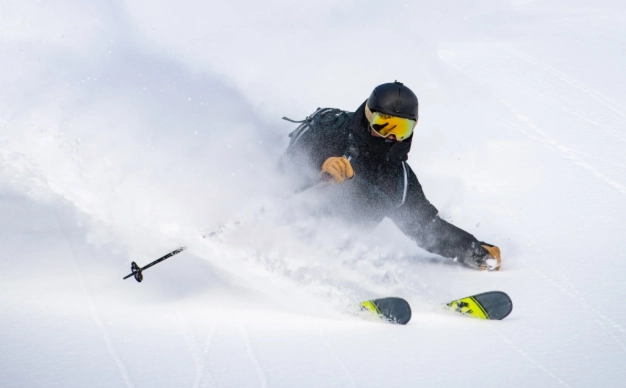
Common Ski Rental Mistakes (And How to Dodge Them)
We all make mistakes. I've made plenty. Here are the big ones I see every season, so you can skip the learning curve.
Mistake 1: Lying about your ability level. This is the classic. People want to sound cool. "Oh, I'm an expert." The shop then sets you up with stiff, demanding skis and high DIN settings. If you're actually an intermediate, you'll have a miserable, uncontrollable, and potentially dangerous day. Be brutally honest. They're not judging you; they're trying to give you the right tool. The Professional Ski Instructors of America (PSIA) has clear definitions of skill levels—use them as a guide when describing yourself.
Mistake 2: Prioritizing price over location. Sure, you found a shop 45 minutes from the mountain that's $10 cheaper for the week. But factor in gas, time, and the hassle of schlepping gear back and forth. That $10 saving vanishes. Convenience has real value on a vacation.
Mistake 3: Not checking the gear before you leave. Do a quick visual inspection. Are there any deep gashes on the ski base? Are the edges sharp? Do the bindings click in and out smoothly? Boot buckles work? A quick check in the shop saves a trip back later.
Mistake 4: Forgetting the small stuff. Your ski rental includes poles, but what about goggles? Gloves? A neck gaiter? These are often forgotten and overpriced at resort shops. Pack them or buy them in advance.
Ski Rental FAQs: Your Quick-Fire Questions Answered
Rent if: You ski less than 5-7 days a year, are a beginner/intermediate and your skill is changing, you fly to your destination, or you like trying new gear. Buy if: You ski 10+ days a year, are an expert with stable preferences, drive to your local mountain, and can handle maintenance.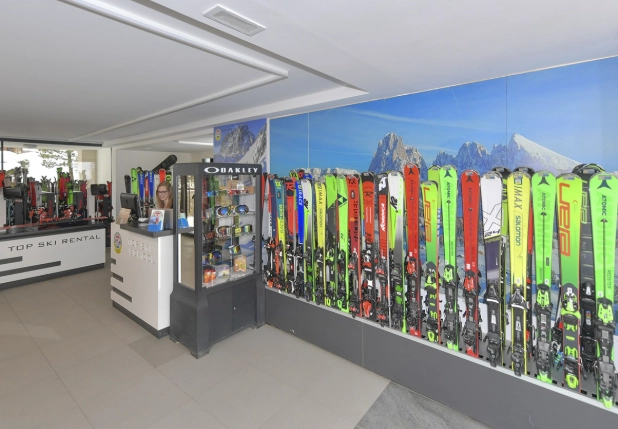
You don't need to know! This is the shop's job. As a rough guide: beginners rent skis that come up between their chin and nose. Intermediates around the nose to forehead. Experts might go taller. Weight and skiing style matter more than height alone. Trust the tech with your measurements.
Yes, most shops offer à la carte rentals. This is popular with skiers who own one piece but not the other. It's often more expensive per item than a package, but still cheaper than buying.
Almost always rent. Kids grow out of gear incredibly fast. Season-long rental programs from local shops are fantastic for kids—you get new, sized-right gear for the whole winter for one flat fee, and swap it as they grow. Look into it.
Helmets: Yes, absolutely rent one if you don't have one. Goggles: Less common but available at larger shops—better to bring your own. Clothing (jackets/pants): Some shops offer this, but it's rare. I'd never rely on it. Bring your own or buy it.
The Final Run: Making Your Ski Rental Decision
So, where does this leave you? Planning your ski rental shouldn't be a source of anxiety. It's a simple process once you know the steps.
Start by booking your gear online, from a reputable off-mountain shop, a few weeks before your trip. Choose the package tier that honestly matches your ability. Show up with your confirmation, know the questions to ask, and take your time in the boots. Check the gear, get a helmet, and you're set.
The goal is to get equipment that disappears beneath you, letting you focus on the views, the turns, and the hot chocolate at the end of the day. Good rental gear does that. It's a facilitator of fun, not a hurdle.
One last resource: if you're traveling to a specific region, check the official tourism site for trusted partners. For example, MySwitzerland or Colorado.com often list local rental companies that adhere to high service standards. It's a good way to find a quality shop.
Now go book your gear, and get ready for a great time on the snow. You've got this.