Let's be honest. The idea of a ski trip is fantastic—fresh mountain air, stunning views, that post-run hot chocolate. The reality of planning one can feel like staring down a black diamond run before you've even put boots on. Lift tickets, rentals, lodging, gear, weather... it's a lot. I've been planning ski trips for over a decade, from budget weekend getaways to epic Alps adventures, and I've made every mistake so you don't have to. This guide isn't just a list of tips; it's the system I use to turn chaos into a seamless, memorable vacation.
Your Ski Trip Planning Roadmap
The Budget Reality Check Everyone Skips
Most guides tell you to "set a budget." Useless. The key is knowing what costs what, because the sticker shock of a ski trip often comes from the hidden lines. The lift ticket is just the entry fee.
Here's a breakdown for a hypothetical 4-day trip for two to a major North American resort (think Colorado or Utah), not including travel to the resort. We'll look at budget, moderate, and splurge levels.
| Cost Category | Budget-Conscious | Moderate (Sweet Spot) | Splurge |
|---|---|---|---|
| Lift Tickets | $500-$600 (Advance online purchase, multi-day) | $600-$700 (Same, maybe add 1-day fast pass) | $800+ (Full fast pass, walk-up window rates) |
| Accommodation | $400-$600 (Motel in town, 20-min drive) | $800-$1200 (Ski-in/ski-out condo or nice hotel) | $1500+ (Luxury slopeside hotel suite) |
| Ski Gear Rental | $120-$160 (Basic performance package) | $180-$240 (Premium demo skis) | $300+ (High-performance demo + delivery) |
| Food & Drink | $300 (Groceries, packed lunches, 1 nice dinner) | $500-$600 (Mix of groceries and mid-tier restaurants) | $800+ (All restaurant meals, premium drinks) |
| Extras & Lessons | $0-$100 (Maybe a group lesson) | $200-$400 (Private lesson, spa visit) | $500+ (Multiple privates, guided tours) |
| Estimated Total | $1320 - $1560 | $2280 - $3140 | $3900+ |
See the spread? The biggest levers are where you stay and how you eat. Ski-in/ski-out convenience doubles your lodging cost. Eating every meal out can easily add $50+ per person, per day.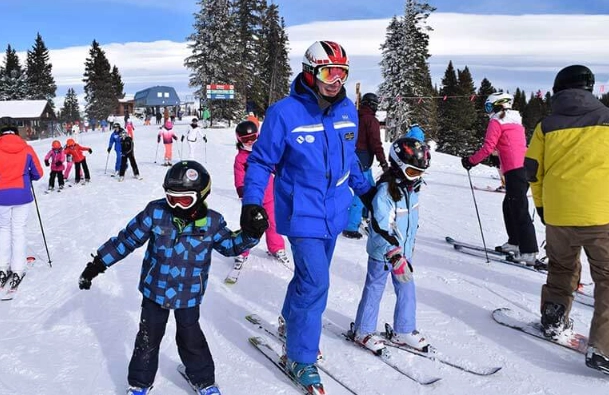
Where to Go: Matching the Resort to Your Tribe
Picking a resort based on "it's famous" is the first rookie mistake. A party-hearty group will hate a quiet, family-focused hill. Experts will be bored at a beginner mountain.
Ask yourself: Who's going? What's the priority?
For First-Timers & Families
You want gentle, wide learning slopes, excellent ski schools, and a stress-free base area. Distance from a major airport is a huge plus.
- Park City Mountain Resort, Utah: Massive, but has dedicated beginner areas like First Time and 3 Kings. The town of Park City is walkable and full of amenities. Fly into Salt Lake City (SLC), a 45-minute drive. A 3-day beginner lift ticket for the Canyons side can be around $450 if bought early.
- Whistler Blackcomb, Canada: Yes, it's huge, but the Olympic learning area at Blackcomb is world-class. The pedestrian village means no cars. It's a longer trek (2.5-hour drive from Vancouver), but the experience is seamless. Check Whistler's official site for "Learn to Ski" packages that bundle lift, lesson, and rental.
- Keystone, Colorado: Specifically for families. Their ski school is top-notch, and the resort is laid out in a way that keeps beginners from accidentally ending up on expert terrain. A bit further from Denver (90 mins), but often more affordable than Vail or Beaver Creek next door.
For Intermediate Cruisers & Social Groups
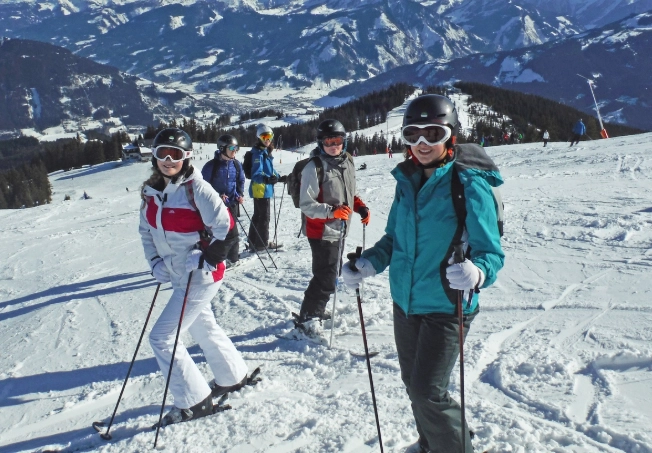
You want long, groomed runs, a variety of terrain to build confidence, and a vibrant après-ski scene.
- Breckenridge, Colorado: The quintessential blend. Famous for its long, rolling blue runs off Peak 7 and 8. The historic town has hundreds of bars and restaurants. It's popular, so expect crowds on weekends. A 4-day lift ticket hovers around $600-700 pre-purchase.
- Deer Valley, Utah: If your priority is impeccable grooming, great food on the mountain, and a more upscale, less crowded feel. They limit ticket sales. No snowboarders, which some skiers prefer. It's a splurge, but the experience is curated.
Gear Logistics: To Rent, to Buy, or to Borrow?
The gear question paralyzes people. Here's my rule of thumb.
Rent if: This is your first or second trip, you're flying, or your kids are growing. Modern rental gear is excellent. Reserve online for a 20% discount and to guarantee your size. I recommend renting off the mountain at a local shop in town. It's cheaper, the lines are shorter, and the service is often better. You'll carry your gear, but you'll save $30-50 per day.
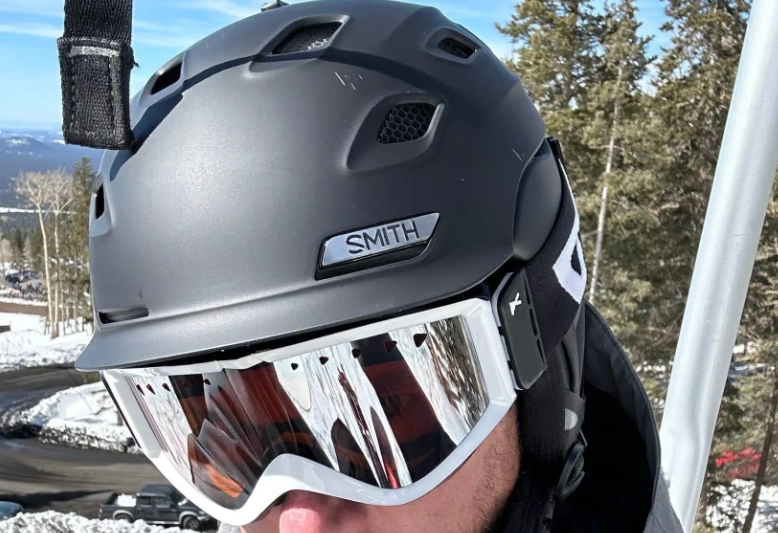
Buy your own boots first. This is the single best investment for comfort and performance. Ill-fitting rental boots ruin more days than anything else. Go to a professional boot fitter, not a big-box store. Expect to pay $400-$700 for boots that will last 150+ days. Everything else—skis, poles, helmet—can come later.
What to pack in your carry-on: Your boots, goggles, gloves, and base layers. Airlines lose bags. Your $700 boots should never be checked. I also pack one full change of ski clothes in my carry-on. If my luggage goes to Tahiti, I can still rent skis and hit the slopes.
Your On-Mountain Game Plan
You've arrived. Now what? Wandering aimlessly leads to frustration and missing the best runs.
Day 1: The Recon Day. Don't try to conquer the mountain. Take a group lesson, even if you're intermediate. It's the fastest way to learn the layout, get local tips on current conditions, and shake off the rust. Instructors know which lifts have lines and which runs are freshly groomed.
Master the Lunch Crush. Mountain restaurants are packed from 12-1 PM. Eat early (11:30 AM) or late (1:30 PM). Or, pack a sandwich and snacks. I always have a Clif Bar in my pocket. It saves money and time, letting you ski when others are waiting in line.
Navigate like a local. Use the resort's app for real-time lift line wait times and to track your runs. But also, talk to the lift operators. They see everything and will tell you, "Go to Chair 14, it's always quiet after 10 AM."
The Art of Après-Ski & Off-Slope Planning
Skiing ends at 4 PM. The vacation doesn't. Plan for this.
Book dinners in advance. Good restaurants in ski towns book up days, sometimes weeks, ahead. Make reservations as soon as you book your lodging. If you're cooking, do a grocery delivery or pickup order for your arrival day. The last thing you want after traveling is to fight for a cart at a crowded supermarket.
Schedule a rest day or half-day. Especially for week-long trips. Your legs will thank you. Use it for snowshoeing, a spa visit, exploring the town, or just soaking in a hot tub. Fatigue leads to injuries.
The packing list item everyone forgets: A large, waterproof bag for your ski boots and wet gear for the car or airport trip home. A standard trash bag works. Nothing worse than a rental car trunk soaked with melted snow.