Key Points to Navigate
- What Does Ski Insurance Actually Cover? (The Good Stuff)
- The Ski Insurance Comparison: What Type of Skier Are You?
- How to Buy the Right Ski Insurance: A Step-by-Step Checklist
- Common Ski Insurance Questions (Answered Honestly)
- The Real Cost of Skiing Without Insurance: A Few Scenarios
- Final Thoughts Before You Hit the Slopes
You've got the flights booked, the chalet looks amazing, and you've even splurged on those new goggles. But have you thought about what happens if you snap your ACL on a blue run? Or if a storm grounds all flights home? That's where ski insurance comes in, and it's way more than just a checkbox on your booking confirmation.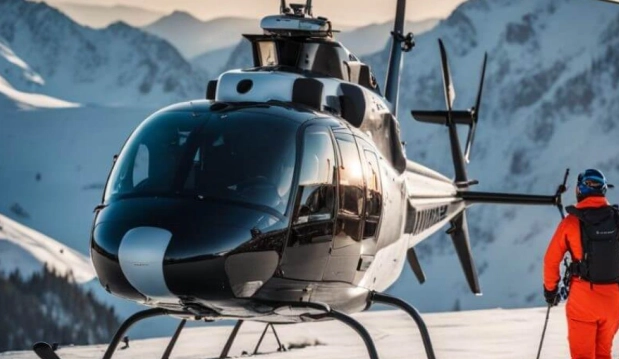
I learned this the hard way. A few seasons back, a friend took a tumble in the French Alps. Nothing dramatic, just a twisted knee. The bill for the clinic visit, X-rays, and crutches? Over €800. His regular travel policy? It had a tiny clause excluding "organized winter sports." He was on a guided off-piste day. Claim denied. He paid out of pocket, and the mood in the apartment that night was frostier than the outside air.
That experience sent me down a rabbit hole. I realized most of us buy ski travel insurance with about as much thought as we give to the rental car excess waiver. We just click "yes" and hope for the best. But the devil, as they say, is in the details. And those details can cost you thousands.
So, let's break it down. Not with insurance jargon, but with plain talk about what you actually need to look for, what traps to avoid, and how to make sure you're properly covered without paying for stuff you'll never use.
What Does Ski Insurance Actually Cover? (The Good Stuff)
Think of it as a bundle of protections tailored for the mountain environment. It's not one single thing. Here’s the core of what a decent policy should include.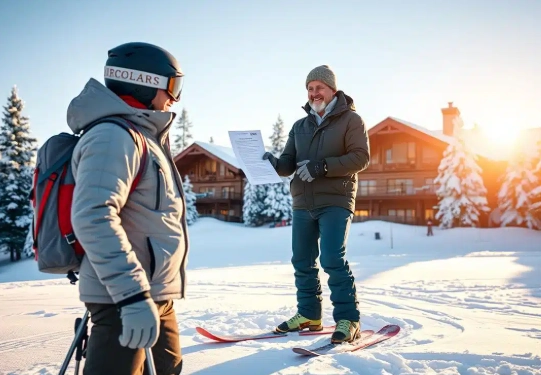
Medical Expenses and Emergency Rescue
This is the big one. A broken leg in the Alps isn't like a broken leg at home. You might need a helicopter evacuation off the mountain (a "piste basher" or a sled just won't cut it for serious injuries). That helicopter ride alone can cost between €3,000 and €7,000. Then you've got hospital bills, surgery, maybe even repatriation back to your home country if needed.
A proper ski insurance policy will have a high medical limit—I wouldn't look at anything under £5 million or $5 million in coverage. It should explicitly cover mountain rescue, including helicopter evacuation, as long as it's deemed medically necessary by the local authorities or doctors.
Don't assume your domestic health insurance or European Health Insurance Card (EHIC/GHIC) is enough. They're not.
The EHIC/GHIC (the UK's Global Health Insurance Card) gives you access to state-provided healthcare in EU countries at the same cost as a local. That's great for a routine doctor's visit. It does not cover private rescue, repatriation, or treatment in a private clinic (which is common in many ski resorts). It's a useful backup, but it's not ski insurance. The UK government's own NHS pages on the GHIC are clear about its limitations for sports.
Equipment and Personal Belongings
This covers your skis, board, boots, and helmet if they're stolen, lost by an airline, or damaged. Some policies cover hired gear too, which is handy if you're renting. Read the small print here—there's often a "single article limit" (e.g., no single item worth more than £500 covered) and an excess (deductible) you have to pay.
Pro tip: If you're taking brand new, top-of-the-line gear, you might need to specify it. And always get a police report for theft; without it, your claim is going nowhere.
Piste Closure and Avalanche Delay
This is a lifesaver for your sanity and wallet. If the resort has no snow, or too much snow (causing avalanches and closures), and you can't ski for a certain period (usually 24+ consecutive hours), some policies will pay out a daily amount. It won't refund your whole holiday, but £50-£100 a day can cover some apres-ski drinks to commiserate.
Personal Liability
This is crucial but often overlooked. If you accidentally crash into someone else and cause them injury, you could be liable for their costs. In some countries, the legal liabilities can be enormous. Personal liability cover (often up to £2-5 million) protects you from these claims.
Other Useful Bits and Pieces
- Cancellation & Curtailment: Gets your money back if you have to cancel before the trip (illness, injury, redundancy) or cut it short for a covered reason.
- Missed Departure: Covers extra costs if travel delays make you miss your flight or transfer to the resort.
- Legal Expenses: Helps with legal fees if you need to pursue a claim against a tour operator, airline, or equipment hire shop.
The Ski Insurance Comparison: What Type of Skier Are You?
Not all policies are created equal, and the best one depends entirely on how you ride. Buying a policy for a family doing green runs is different from one for an expert chasing backcountry lines.
| Coverage Focus | The Occasional Resort Skier | The Off-Piste & Backcountry Enthusiast | The Seasonaire or Frequent Traveler |
|---|---|---|---|
| Primary Need | Basic medical/evacuation, equipment hire cover, piste closure. | Comprehensive medical/evacuation, guided/unguided off-piste cover, search & rescue. | Multi-trip annual policy, high equipment cover for owned gear, possible income protection. |
| Key Policy Check | Ensure "winter sports" is included as standard, not an add-on. | Must explicitly state off-piste, backcountry, and heli-skiing are covered. Check altitude limits. | Check number of days covered per trip, any blackout dates, and sport duration limits. |
| Potential Pitfall | Assuming a cheap annual travel policy has adequate winter sports cover (it often doesn't). | "Off-piste" might only mean within resort boundaries. True backcountry may need a specialist insurer like the British Mountaineering Council (BMC). | Standard policies may cap the number of skiing days per year (e.g., 17 days). Exceeding it voids cover. |
| Cost Estimate (per week) | £20 - £40 | £50 - £120+ | £100 - £300 (for annual multi-trip) |
See the difference? That's why a one-size-fits-all recommendation is useless. I made the "occasional skier" mistake once, buying a cheap add-on, only to realize later it had a laughably low £1,000 medical limit. Useless.
How to Buy the Right Ski Insurance: A Step-by-Step Checklist
Don't just go for the first or cheapest option. Use this list.
- Declare Your Snowsport: When getting a quote, always specify you are going skiing/snowboarding. Don't just buy generic travel cover.
- Check the Medical Limit: As above, millions, not thousands. Confirm helicopter evacuation is included.
- Define "Off-Piste": If you plan to leave the marked runs, find the policy wording. Does it cover off-piste with a guide? Without a guide? What about ski touring or use of avalanche transceivers?
- Look at Gear Cover Limits: Are your own skis/board worth more than the single item limit? You may need to pay extra to list them. Does it cover hired gear if you crash and damage it?
- Understand the Excess: The excess is the amount you pay on each claim. A £100 excess on a £150 gear repair claim makes it pointless to claim. Sometimes you can pay a higher premium for a lower (or zero) excess.
- Buy Early: The moment you book your trip, buy the insurance. This activates your cancellation cover immediately. If you pull a hamstring two weeks before travel, you're covered.
- Read the Exclusions: I know, it's boring. But skim it. Common exclusions: accidents under the influence of alcohol/drugs, pre-existing medical conditions not declared, racing or competitions, and extreme activities like ski jumping.
Common Ski Insurance Questions (Answered Honestly)
Legally, in most places, no. Practically, yes. Many ski schools and guide services will ask for proof of insurance before taking you off-piste. Some resorts in Austria and Italy can charge you for rescue if you don't have insurance. More importantly, it's financial madness not to have it. Can you afford a €20,000 helicopter bill?
Probably not. You must check. Most standard annual policies either exclude winter sports completely or offer it as a costly add-on for each trip. Even then, the add-on might be basic. Dig out your policy document and search for "winter sports," "skiing," or "hazardous activities."
This is a minefield. You must declare them. Asthma, old knee injuries, heart conditions, diabetes—if it's on your medical record, tell the insurer. If you don't, and you have a heart attack on the slopes, they will investigate and likely reject your claim for non-disclosure. It might increase your premium, or some conditions might be excluded, but at least you'll have cover for everything else.
Piste closure cover, yes, if it's for a full day or more. General "avalanche risk" making you cancel before travel? Only if you have cancellation cover and the resort is officially closed or your travel operator cancels. Just being worried about avalanche risk isn't a valid claim reason.
Some higher-end policies include "personal accident" cover, which can pay a lump sum or a weekly benefit for temporary total disablement. This is not standard. If your income is critical, look for this add-on or consider a separate income protection policy.
The Real Cost of Skiing Without Insurance: A Few Scenarios
Let's make this real, because "what if" feels abstract until you're staring at an invoice.
Scenario 1: The Broken Collarbone. You fall on an intermediate run. Ski patrol sleds you down. Ambulance to the local clinic. X-rays, consultation, a brace, painkillers. No surgery needed. You're on the plane home slinged up a few days later. Cost: €1,500 - €3,000. With good ski insurance, you pay your excess (say, £100) and claim the rest.
Scenario 2: The Serious Off-Piste Fall. You're with a guide, but you catch an edge in deep powder. Suspected spinal injury. Helicopter evacuation is called. Flight to a major city hospital. MRI scans, specialist consultation, overnight stay. Medical repatriation on a scheduled flight with a nurse escort. Cost: €25,000 - €60,000+. This is life-changing debt without insurance.
Scenario 3: The Stolen Skis. You leave your skis and poles (worth £800) outside a mountain restaurant at lunch. You come out 45 minutes later, they're gone. You report it to police and the resort. Cost: £800 for new skis, plus the hassle of buying/binding them last minute. With insurance (and that police report), you get a payout minus the excess, maybe £700.
It's not just about the catastrophic events. The smaller, annoying losses add up fast.
Final Thoughts Before You Hit the Slopes
Look, I get it. Insurance is a grudge purchase. You're paying for something you hope you'll never use. It feels like money thrown away. But skiing is a risk sport. We manage risks by wearing helmets, checking avalanche forecasts, and skiing to our ability. Financial risk is part of that.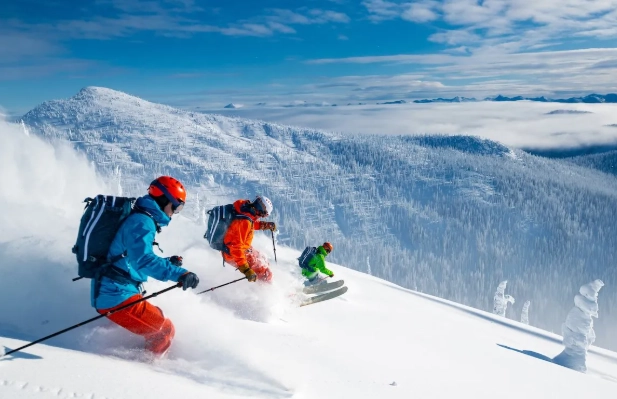
A solid ski insurance policy is the price of peace of mind. It lets you enjoy the mountain, push your limits safely, and know that if the worst happens, you won't be facing financial ruin on top of physical recovery.
Take an hour. Compare a few policies. Read the key facts documents. It's less time than you'll spend choosing your ski outfit. And infinitely more important.
Have an amazing, safe trip out there. And may your only use of your ski insurance be to confidently wave the policy document at your ski guide before a great off-piste adventure.