Driving to ski resorts gives you freedom—no flight hassles, extra gear space, and scenic routes. But winter roads can bite if you're not ready. I learned this the hard way on a trip to Tahoe when I skipped snow chains and spent hours stuck in a blizzard. Let's get straight to it: with the right prep, a drive to the slopes can be smooth and even fun.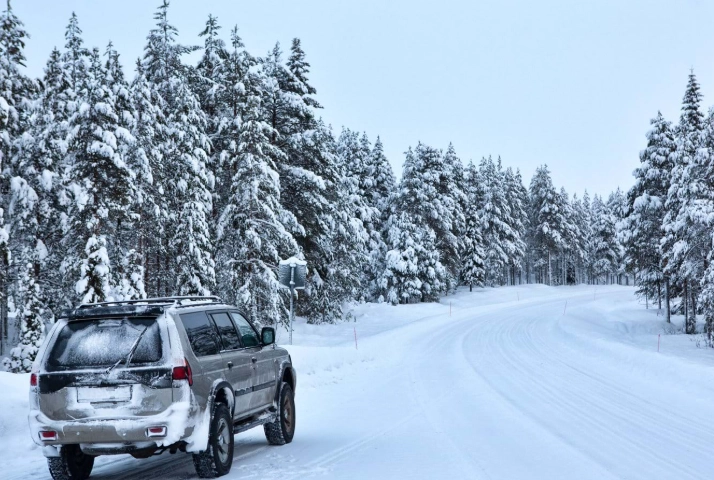
Quick Navigation: What's Inside
Why Drive to Ski Resorts? Pros and Cons
Flying might seem faster, but driving wins on flexibility. You control your schedule, pack as much gear as you want (I've squeezed in three pairs of skis), and save on rental car costs. The downside? Weather delays and fatigue. For families, driving can cut costs significantly—no baggage fees or airport transfers.
Consider distance. If you're within a 6-hour drive, it's often more efficient than flying when you factor in airport time. Beyond that, breaks become crucial.
Pre-Trip Planning: Your Vehicle and Route
Start with your car. Not all vehicles handle snow well. SUVs with all-wheel drive are popular, but even sedans can work with proper tires.
Vehicle Preparation Checklist
Here's what I check a week before leaving:
- Tires: Swap to winter tires if possible. All-season tires lose grip below 45°F. Check tread depth—at least 6/32 inch is ideal.
- Battery: Cold reduces battery power. Test it; replace if over three years old.
- Fluids: Top up antifreeze, windshield washer fluid (get the -20°F rated kind), and oil.
- Lights: Ensure all lights work for visibility in storms.
- Emergency kit: I'll detail this later, but basics include a blanket, flashlight, and first-aid supplies.
For routes, use apps like Google Maps but cross-reference with state DOT sites. The Colorado Department of Transportation, for example, has real-time road conditions for I-70, a key corridor to resorts like Vail and Breckenridge.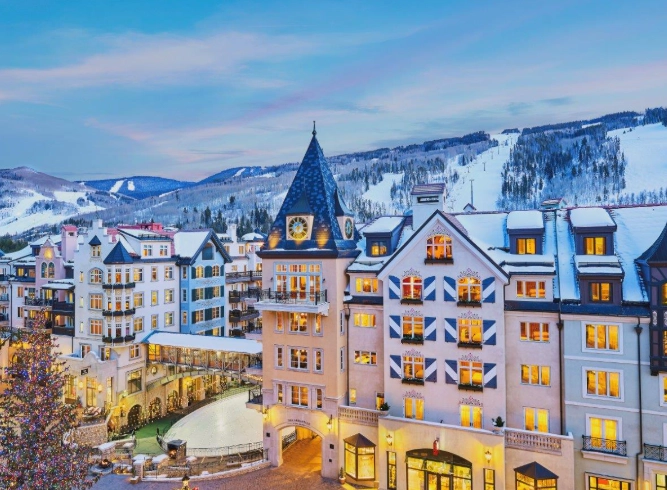
Mapping Your Route: Tools and Tips
Avoid relying solely on GPS—it might suggest shortcuts through unplowed roads. I once followed my nav into a remote forest road near Park City; not fun. Stick to major highways like I-80 in California or I-89 in Vermont. Check for chain control areas in advance.
Plan stops. Gas stations can be sparse in mountain areas. Fill up at the last major town before ascending.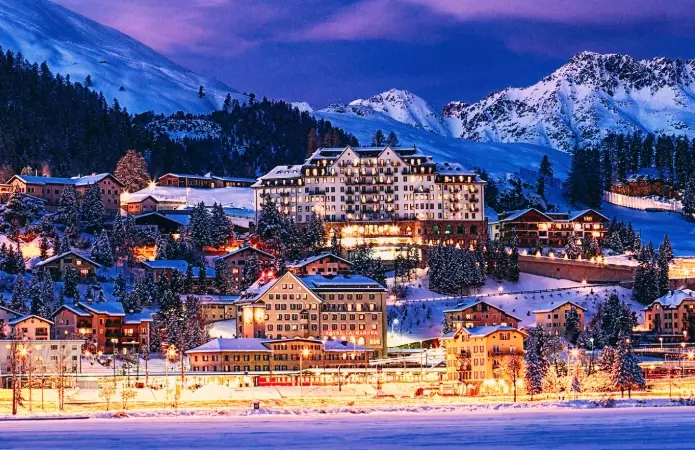
On the Road: Winter Driving Essentials
Once you're moving, adjust your driving. Slow down—speed limits are for dry conditions. Increase following distance to at least 6 seconds behind other cars.
What to Do in Case of Bad Weather
If you hit a snowstorm, don't panic. Pull over safely if visibility drops below 100 feet. Use hazard lights. Keep the engine running for heat, but crack a window to prevent carbon monoxide buildup. I always carry a small shovel and kitty litter for traction if stuck.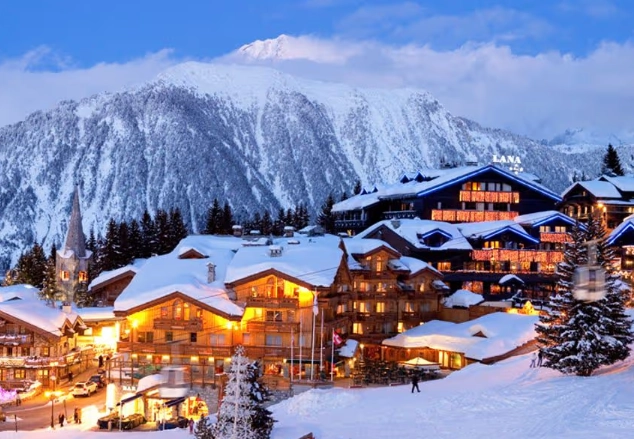
Listen to local radio for updates. Stations like KNCO in Nevada cover Sierra conditions well.
Top 5 Drive-to Ski Resorts in the US
Based on accessibility, road maintenance, and overall experience, here are my picks. I've driven to all of these multiple times.
| Resort | Location | Best Driving Route | Notes |
|---|---|---|---|
| Whistler Blackcomb | British Columbia, Canada | Sea-to-Sky Highway (BC-99) from Vancouver | Scenic but winding; chains often required in winter. Check DriveBC for conditions. |
| Lake Tahoe Resorts | California/Nevada | I-80 from Sacramento or US-50 from South Lake Tahoe | Multiple resorts like Heavenly and Palisades; well-plowed but busy weekends. |
| Stowe Mountain Resort | Vermont | I-89 to VT-100, then Mountain Road | Charming New England drive; roads are narrow but maintained. |
| Park City Mountain | Utah | I-80 from Salt Lake City, exit 145 | Easy 45-minute drive; frequent snow but quick plowing. |
| Breckenridge Ski Resort | Colorado | I-70 from Denver, exit 203 | Heavy traffic on Fridays; consider early morning drives. |
Each has its quirks. For Tahoe, I prefer driving up on Sunday mornings to avoid the Friday rush. Park City is a breeze compared to Colorado's I-70 corridor, which can be a parking lot in peak season.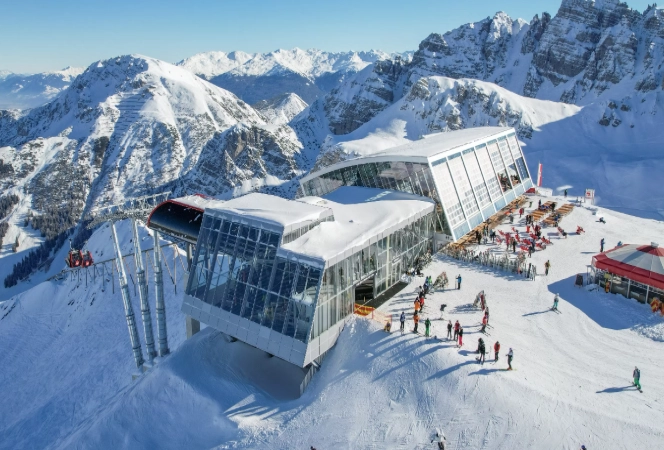
Detailed Look: Driving to Lake Tahoe Resorts
Take Heavenly Ski Resort. Address: 4080 Lake Tahoe Blvd, South Lake Tahoe, CA. Open 9 AM-4 PM in season. From San Francisco, it's a 3.5-hour drive via I-80 or US-50. US-50 is shorter but steeper; I-80 is more reliable in storms. Parking costs $25-$40 per day, but some lots fill by 10 AM. Arrive early.
Pro tip: Use the Caltrans QuickMap for real-time road cams and chain controls.
Common Pitfalls and How to Avoid Them
Most mistakes come from overconfidence. Here's what I see every season:
Non-consensus insight: People think four-wheel drive makes them invincible. It doesn't. Four-wheel drive helps you go, but it doesn't help you stop. On ice, all cars slide equally. I've watched SUVs spin out because drivers braked too hard.
Another error: not checking road closures. Resorts like Jackson Hole in Wyoming sometimes close passes like Teton Pass due to avalanches. Always have a backup plan—maybe a nearby resort like Grand Targhee.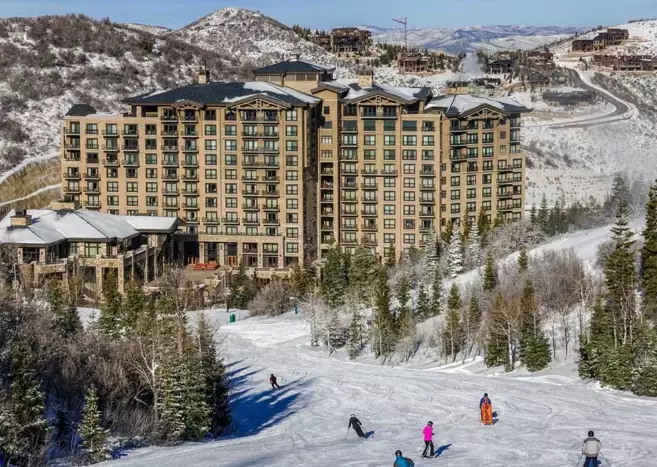
Packing wrong is common. Don't just throw skis on a roof rack without a cover; road salt can damage them. Use a bag or box.
Frequently Asked Questions
Drive smart, and those mountain views will be worth it.