Quick Guide
Alright, let's tackle this question head-on because I see it pop up every single winter in parent groups and forums. "What is the best age for a child to start skiing?" The short, frustratingly honest answer? There isn't one magic number. Anyone who gives you a definitive age like "3" or "5" is oversimplifying a decision that depends entirely on your kid. But after talking to instructors, watching countless tiny skiers (and some epic meltdowns), and learning from my own missteps, I can give you a much clearer picture of the realistic age range and, more importantly, the signs of readiness that matter way more than the birthday candle count.
The core of the question "What is the best age for a child to start skiing?" isn't really about age. It's about readiness. It's about setting them up for a lifetime of loving the mountains, not terrifying them with a cold, scary, frustrating experience they'll beg to never repeat. That's the goal, right?
Why Age is Just a Starting Point (The Readiness Checklist)
Forget the calendar for a second. A super coordinated, fearless 3-year-old might be more ready than a cautious, uncoordinated 5-year-old. Here’s what you should be evaluating instead of just staring at their birth certificate. These factors are the real answer to figuring out the best age for your child to start skiing.
Physical Readiness: Can Their Body Do It?
This is non-negotiable. Skiing requires core strength, balance, and the ability to follow basic physical instructions.
- Can they walk and run confidently? If they're still a bit wobbly on flat ground, skis on a slope will be a nightmare.
- Do they have the leg strength to stand in a slight squat? The "pizza slice" or snowplow stance is essentially a mini-squat. Have them hold it for 10 seconds. If they can't, those little legs will be jelly in minutes.
- Are they comfortable wearing bulky gear? Helmets, goggles, mittens, a puffy jacket. It's restrictive. Some kids hate it immediately. Try the helmet on at home during playtime.
I made the mistake of not checking the gear-comfort thing with my nephew. He looked like a cute little astronaut, but ten minutes in, the helmet was "too tight," the goggles were "foggy," and we were done. Lesson learned.
Mental & Emotional Readiness: The Biggest Hurdle
This is where most early attempts fail. Skiing is weird and counter-intuitive at first.
- Can they separate from you calmly? If they scream at daycare drop-off, a ski school drop-off on a cold, unfamiliar mountain will be next-level trauma (for everyone).
- Do they generally follow instructions from other adults? The instructor needs them to listen for safety. A child who ignores or defiantly does the opposite is a danger to themselves and others.
- What's their frustration tolerance like? They will fall. They will struggle. A kid who throws a toy when a puzzle piece doesn't fit might not be ready for the frustration of skis that slide the "wrong" way.
- Are they genuinely interested, or are you projecting? Be brutally honest. Showing them videos of skiing, talking about the fun, and gauging their reaction is key. Forcing a terrified kid onto skis is a recipe for a long-term phobia.
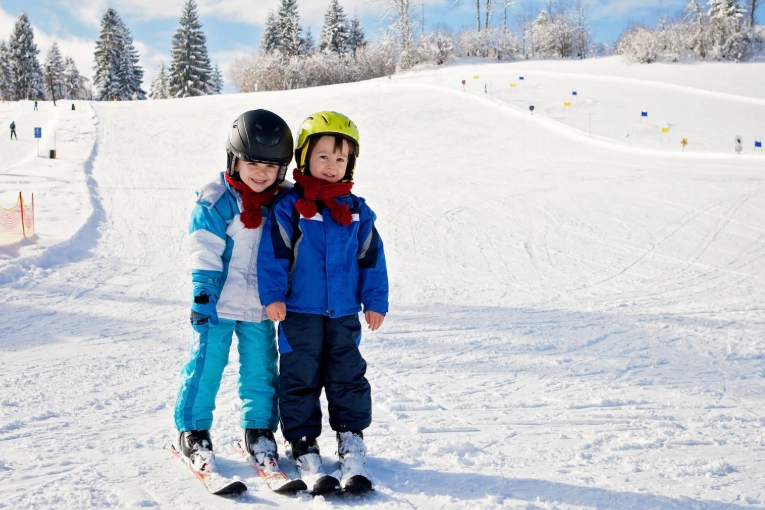
The Age-by-Age Breakdown: What to Really Expect
Okay, with the readiness stuff in mind, let's map that onto typical age ranges. This table isn't a rulebook, but a general guide to set your expectations. It directly addresses the nuances behind the search "What is the best age for a child to start skiing?"
| Age Range | Typical Focus & Goal | Realistic Parent Expectations | Potential Challenges |
|---|---|---|---|
| 2 - 3 Years Old | Snow play & exposure. Maybe sliding on flat terrain with skis that don't pivot (like "Edgie Wedgies" linking ski tips). The goal is fun, not skill. | 15-30 minutes of activity. This is a photo-op and snow introduction, not a "lesson." You are 100% involved. | Very short attention span, low cold tolerance, likely fear of equipment. Not ready for lifts or any slope. |
| 3 - 4 Years Old | Introduction to ski school programs ("Weeski," "Rugrats," etc.). Focus on games, magic carpets, learning to get up, and maybe a gentle wedge. Goal: Positive association. | A half-day lesson might be hit or miss. Success means they come out smiling, not necessarily skiing. Be prepared to pick them up early. | Separation anxiety, bathroom needs, the overwhelming nature of a busy ski school. Many kids in this group spend time crying indoors. |
| 5 - 7 Years Old | The true "sweet spot" for learning. Can grasp instructions, have better balance, and aim for real skills: controlled wedge, turning, stopping, using a beginner lift. | They can often handle a full 2-3 hour lesson. You might see tangible progress by the end of a week. They can start skiing easy greens with you after some instruction. | Overconfidence leading to spills, or conversely, sudden fear after a fall. Tiredness can lead to meltdowns in the afternoon. |
| 8 Years & Up | Rapid skill acquisition. They can understand more complex instructions (weight shifting, pole planting) and progress to parallel turns much faster. Goal: Building independence on the mountain. | They can ski most of the day with breaks. May progress from green to blue runs in a single season. Can follow you on more varied terrain. | If it's their first time, they might be self-conscious about being older beginners. They may also be physically stronger but lack the coordination, leading to harder falls. |
See the pattern? The question of the best age for a child to start skiing shifts from "Can they be there?" to "Can they actually learn and enjoy it?" around that 4-5 year mark for most kids.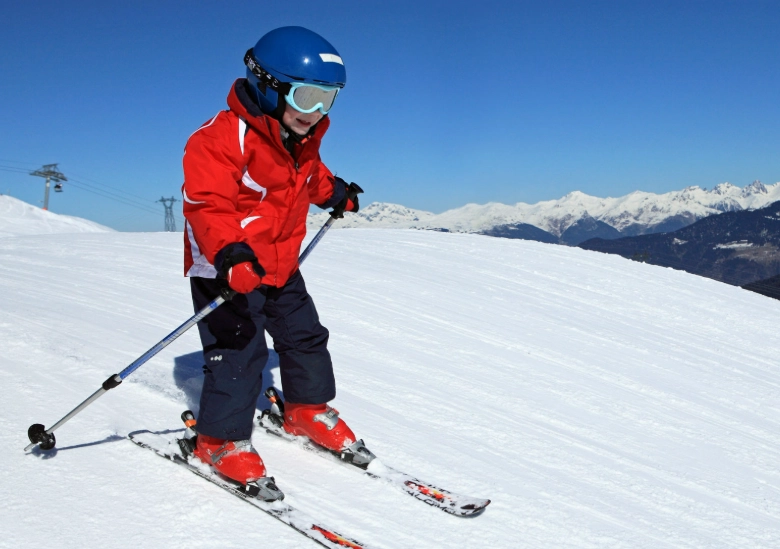
How to Set Them Up for Success (Regardless of Age)
Once you've decided to give it a shot, your job is to engineer a positive experience. This is how you make any age work better.
Before You Go: The Home Front
- Talk it up, watch videos: Show them fun, short clips of kids their age skiing. Not pro skiers hitting jumps—just kids smiling on green runs.
- Practice the gear: Wear the helmet, the goggles, the mittens around the house. Make it silly.
- Build leg strength: Play games that involve squatting. "Can you walk like a penguin?"
- Rent gear locally or the night before: Never, ever try to get fitted for skis, boots, and helmets for the first time at 8:30 AM when lessons start at 9. It's a stress nightmare. Get it done the afternoon prior.
On the Mountain: First Day Strategy
- Enroll in a professional lesson. I know it's expensive. Just do it. You are not a trained instructor. You are their parent. The roles get confused, feelings get hurt, and progress stalls. A good instructor from a reputable ski school (like those certified by the Professional Ski Instructors of America (PSIA)) knows the progression games and has the patience of a saint. This is the best money you will spend.
- Dress them (and you) properly. Cold, wet kids are miserable kids. Non-cotton base layers, good mittens (not gloves), a neck gaiter. Hand and toe warmers are cheat codes for happiness.
- Manage YOUR expectations. Your goal for their first day is: 1. No tears (or minimal tears). 2. They want to come back tomorrow. That's it. They do not need to conquer the mountain.
- Keep post-lesson skiing fun and short. If they had a good lesson and want to show you, go for one, maybe two easy runs. Quit while you're ahead. End the day with hot chocolate, not exhaustion.
Answering Your Burning Questions (The FAQ)
For formal learning, often yes. For snow play and getting used to the equipment in a no-pressure way, it can be fine. But expect a parent-centric activity, not a drop-off lesson where they learn to ski. Most 3-year-olds simply don't have the attention span or physical stamina for a structured lesson. The American Academy of Pediatrics generally focuses on general motor skill development for this age rather than specific sport instruction, emphasizing fun and activity.
Absolutely. Listen to that fear. You can't logic a kid out of it. Forcing them will cement the fear. Instead, do other snow activities—sledding, tubing, building a snowman—near the ski area. Let them watch other kids having fun. The goal is to make the mountain environment feel fun and safe. They might be ready at 7 or 8. There is zero race here.
This is controversial among instructors. A small, lightweight harness used as a safety tether on a cat track (so they don't slide into the woods) can ease a parent's mind. But a harness used to pull a child's body into a turn or hold them up is a crutch. It teaches them the wrong body mechanics and creates a dependency. They learn to rely on the pull, not their edges. Most good instructors discourage them for anything beyond a brief, initial safety measure on flat ground. The International Ski Federation (FIS) promotes on-snow education programs that focus on balance and independent movement from the start.
There's no set number. One lesson can get them started safely. For a child in the 5-7 range, three consecutive days of lessons can work wonders, building muscle memory and confidence. After that, you can practice with them on easy terrain, returning for a lesson later in the season or the next year to refine skills.
Not at all! In some ways, it's easier. They learn faster, understand more, have more strength and stamina, and are less likely to have a separation-anxiety meltdown at ski school. The "best age for a child to start skiing" has a very wide upper bound. They might catch up to peers who started at 4 within a season or two because their cognitive abilities are so much greater.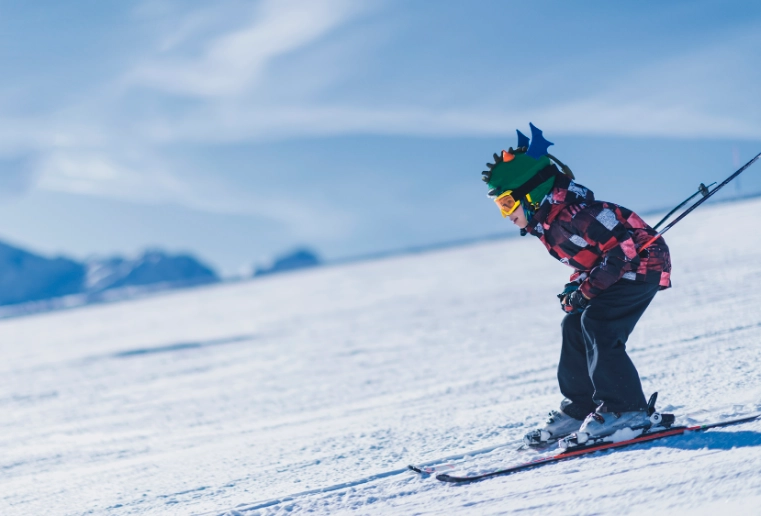
The Bottom Line: It's About Them, Not a Number
So, after all this, what is the best age for a child to start skiing?
The most honest, useful answer I can give you is this: The best age is when your individual child shows signs of physical readiness, can handle brief separation, can follow instructions, and—crucially—expresses some curiosity or interest in trying it.
For many kids, that confluence of factors starts to come together around age 4 or 5.
But for others, it's 6, or 8, or 10. And that's perfectly okay. Starting later doesn't ruin their chance to become an expert skier. Starting too early, and making it a negative experience, very well might.
Focus on creating a low-pressure, fun, and supportive introduction to the snow. Use professional help. Celebrate the tiny victories. And remember, you're not just teaching them to ski; you're hoping to give them a gift of a lifetime of winter joy. That's worth waiting for the right moment.