In This Guide
- What Exactly Is Night Skiing?
- Why Bother With Night Skiing? The Real Benefits
- The Flip Side: Challenges of Night Skiing
- Gearing Up: The Night Skiing Essentials Checklist
- Finding the Best Night Skiing Resorts
- Safety First: Navigating the Slopes After Dark
- Making the Most of Your Night: A Strategy
- Frequently Asked Questions (The Stuff You're Actually Wondering)
- The Environmental Side & The Future
- Final Thoughts Before You Go
Let's be honest, squeezing in a full day of skiing can feel like a race against the clock. You fight traffic, gear up, and by the time you find your rhythm, the sun's already thinking about calling it quits. That's where night skiing comes in. It's not just an extension of your day; it's a whole different world up there.
I remember my first time trying it. I was skeptical. How good could it possibly be? Turns out, sliding down a mountain under a blanket of stars, with the lights carving out a path ahead, is pretty magical. It's quieter, the crowds thin out, and there's this unique, almost peaceful energy. But it's also a bit trickier. You need to know what you're doing.
This guide isn't just a list of facts. It's everything I've learned from years of hitting the slopes after sunset, mixed with solid research. We'll cover where to go, what to wear, how to stay safe, and answer all those questions you're probably wondering about before you commit to a night skiing adventure.
What Exactly Is Night Skiing?
At its core, night skiing is simply skiing or snowboarding on slopes that are illuminated by artificial lights after the sun goes down. Resorts install powerful floodlights along designated trails, allowing them to operate well into the evening, often until 9 or 10 PM. It transforms the mountain into a glowing playground.
But it's more than just lit-up runs. The experience shifts. The snow feels different (often firmer as temperatures drop). The views change from sprawling mountain vistas to intimate pools of light and shadow. The vibe in the lodge shifts from daytime hustle to a more relaxed, après-ski atmosphere right on the mountain. It's a fantastic way to maximize a ski trip, especially if you're on a tight schedule or want to avoid peak daytime crowds.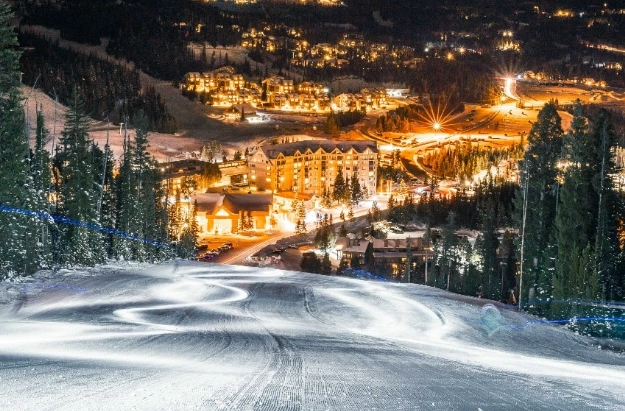
Not every trail is open for night skiing, of course. Resorts typically light a select number of runs, usually beginner and intermediate terrain that's easier to manage and patrol in the dark. Finding a resort that offers good night skiing options is the first step.
Why Bother With Night Skiing? The Real Benefits
You might be thinking, "Why not just ski during the day?" Fair question. Here's why night skiing has a dedicated fanbase (myself included).
You Get More For Your Money (And Time)
This is the big one. If you buy a day pass, adding night skiing often costs just a little extra, or sometimes it's even included. You effectively double your slope time. For weekend warriors or those on a short trip, it's a game-changer. Instead of four hours of skiing, you can get eight. That's a lot more turns for your travel investment.
The Crowds Disappear
As daylight fades, so do the families with tired kids and the casual skiers. What's left are often the enthusiasts. Lift lines shrink dramatically. You can find yourself on a chairlift alone, with no one in front of you on the run. It's a serene, almost private mountain experience you'll rarely get at 2 PM on a Saturday.
A Unique Atmosphere You Can't Replicate
There's a magic to it. The world shrinks to the circle of light from the lamps. Your senses focus differently—you hear the crunch of your edges more clearly, feel the texture of the snow underfoot with greater intensity. On clear nights, skiing under a starry sky or even a full moon (on top of the artificial lights) is an experience that sticks with you. It feels more like an adventure than a routine sport.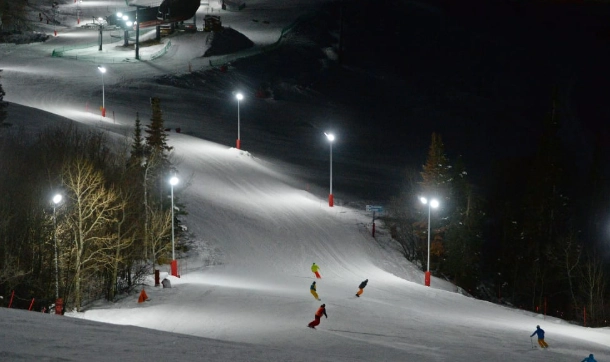
It Fits Modern Schedules
Got a 9-to-5 job? Night skiing is your best friend. You can drive up after work, ski for a few solid hours, and still be home at a reasonable time. It makes skiing accessible during the week without taking a vacation day.
The Flip Side: Challenges of Night Skiing
It's not all starry-eyed perfection. Going in with realistic expectations is key to having a good time.
It Gets Colder. Much Colder.
Temperatures can plummet after sunset. That pleasant afternoon chill becomes a biting cold. If you're not prepared with the right layers, your night skiing session will be short and miserable. This is the number one complaint and the easiest to fix with proper gear.
Visibility Can Be Tricky
Even with great lights, depth perception and contrast aren't the same as in daylight. Shadows can hide small bumps or changes in snow texture. The transition from a brightly lit area to a slightly darker patch can be disorienting for a second. It demands more concentration. You're not just skiing; you're actively interpreting the lit path ahead.
Limited Terrain
Don't expect to tackle the double-black diamond chutes at night. Resorts are risk-averse (for good reason). Night skiing terrain is almost always limited to easier, well-groomed trails. If you're an expert looking for a challenge, you might find the options repetitive. It's more for cruising and enjoying the ride than for pushing extreme limits.
The snow can also be icier. Daytime sun might melt the snow slightly, which then refreezes into a harder, sometimes slicker surface after dark. Good edges on your skis or board are non-negotiable.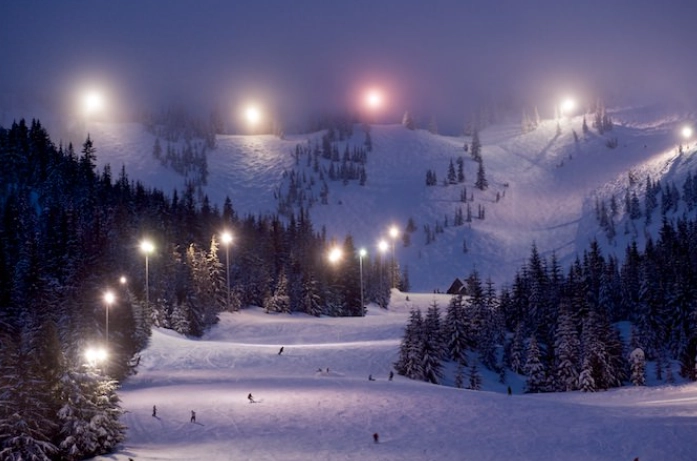
Gearing Up: The Night Skiing Essentials Checklist
Packing for night skiing is like packing for daytime skiing, but with a "polar expedition" twist. Here’s what you absolutely need to focus on.
Core Principle: Think Layers, Not Just Bulk
The goal is to trap warm air and manage moisture. A single bulky jacket won't cut it if you sweat on the lift ride up and then freeze on the way down.
- Baselayer: Merino wool or synthetic. Avoid cotton—it holds sweat and makes you cold. This is your most important layer.
- Mid-Layer: A fleece or insulated jacket for warmth. I prefer a packable down or synthetic puffer that I can add or remove easily.
- Outer Shell: A waterproof and windproof jacket and pants. This is your shield against the cold wind that picks up at night.
- Head & Neck: A warm beanie that fits under your helmet. A neck gaiter or balaclava is a lifesaver—you can pull it up over your face on the chairlift.
- Hands: This is where people fail. Mittens are almost always warmer than gloves. Consider glove liners inside your mittens for ultimate cold defense. Hand warmer packets? Don't leave the lodge without them.
- Feet: Good ski socks (again, wool or synthetic). If your feet run cold, look into heated socks or foot warmer pads. Boots should be properly fitted—tight boots restrict circulation and make cold feet worse.
The Visibility Kit
Since it's dark, a few extra items help a ton.
- Goggles with a Hi-Contrast or Clear Lens: Your sunny-day dark lenses will turn the lit slopes into a dim, murky mess. You need a lens designed for low light. A yellow, rose, or clear lens amplifies available light and enhances contrast, making it easier to see bumps and texture in the snow. This is probably the most important piece of gear-specific to night skiing.
- Helmet with Integrated Visor or GoPro Mount: Some newer helmets have built-in visors designed for varying light. Not essential, but handy.
- A Small Headlamp or Flashlight: Not for skiing down, but for dealing with gear in the dimly lit parking lot or finding your way to the lodge. Trust me on this one.
Finding the Best Night Skiing Resorts
Not all resorts offer it, and the quality varies wildly. Some just light a single beginner hill, while others have extensive networks. Here’s a breakdown of what to look for, along with a few well-known examples in North America.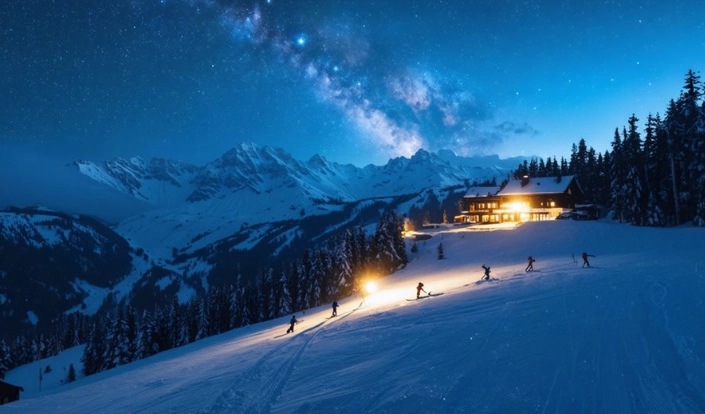
| Resort Name (Region) | Night Skiing Terrain Scale | Key Features & Notes | Best For |
|---|---|---|---|
| Mt. Hood SkiBowl, Oregon | Extensive (One of the largest in the U.S.) | Lights over 600 acres, includes advanced terrain. Long season. Known for its vibrant night scene. | Enthusiasts wanting variety and challenge after dark. |
| Big Bear Mountain Resort, California | Moderate to Extensive | Both Bear Mountain and Snow Summit offer night sessions on select trails. Popular with Southern California locals. | Weekend warriors and those combining day/night skiing. |
| Wachusett Mountain, Massachusetts | Moderate | Lights 100% of its trails. A classic East Coast night skiing hub, easily accessible from Boston. | Families and beginners looking for a reliable, full-mountain night experience. |
| Stevens Pass, Washington | Limited (Specific nights/areas) | Offers night skiing on Fridays and Saturdays on a dedicated base area. Part of the Epic Pass. | Pass holders and those in the Seattle area looking for weekday evening options. |
| Local Midwest Hills (Many in MI, WI, MN, OH) | Varies, often the core terrain | Night skiing is the lifeblood of many smaller Midwest hills. Often affordable and family-focused. | Learning, practice, and convenient after-work sessions. |
How do you research this? Don't just trust a resort's homepage that says "Night Skiing Available." Dig deeper.
- Check the trail map for the "light bulb" icon or look for a specific "Night Skiing Trail Map."
- Read recent reviews on sites like OnTheSnow or ski forums—people will complain if the lighting is poor or only one run is open.
- Look at the schedule. Is it nightly, or only on weekends/holidays? What are the exact hours?
- Call the resort. Ask directly: "How many acres or trails are lit? What's the difficulty mix?"
Pro Tip: Resorts near major cities are more likely to have robust night skiing operations because it's a key revenue stream from the local population. The remote, destination mega-resorts in the Rockies? They often don't bother, as most guests are done by 4 PM.
Safety First: Navigating the Slopes After Dark
Safety takes on a new dimension at night. It's about being seen and seeing clearly.
For You: Enhanced Awareness
- Stick to the Lit Trails. This should be obvious, but venturing into the darkness off-piste is an extreme risk. Boundaries are harder to see.
- Start Slow. Your first run should be an easy warm-up to let your eyes adjust. Everything feels faster in the dark.
- Watch for "Flat Light" Spots. Sometimes the lighting creates areas with little shadow definition, making the snow surface look like a flat sheet. Slow down and be ready for unseen variations.
- Hydrate. You might not feel as thirsty in the cold, but you're still exerting yourself. Dehydration worsens fatigue and cold sensitivity.
For Others: Being a Predictable Skier/Rider
- Make Your Intentions Clear. Signal your turns and stops more deliberately. Assume other skiers have reduced peripheral vision in the dark.
- Look Uphill More Often. When merging onto a trail or starting from a stop, take an extra moment to look. A skier coming down might be harder to spot against the backdrop of lights.
- If You Stop, Move to the Side. Get completely out of the traffic flow, preferably in a well-lit spot. Don't stop in the middle of a run or just below a roll where you're invisible from above.
It's also wise to refresh yourself on the Skier Responsibility Code from the National Ski Areas Association. The rules don't change at night; they just become more critical to follow.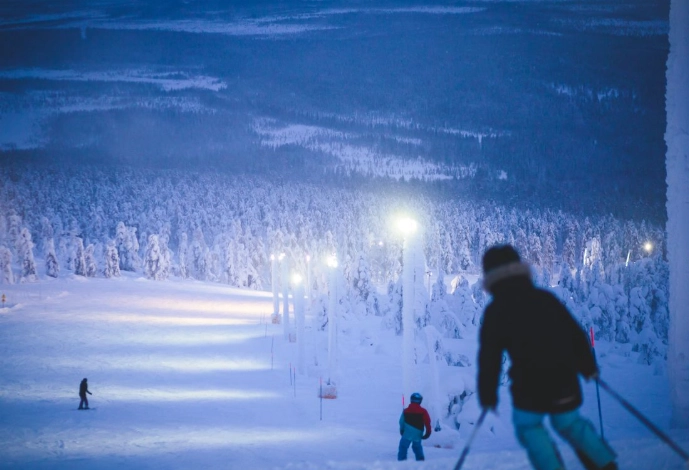
Making the Most of Your Night: A Strategy
To have a great night skiing experience, have a game plan.
This is golden advice. If you can, get there during the last hour of daylight. You can scope out the lit trails, see how they connect, and get a few runs in while you still have natural light to adjust. It makes the transition to full darkness much smoother.
Eat a proper meal before you head out. Skiing in the cold burns calories like crazy. Pack a snack bar or plan for a lodge break. A warm drink at halftime does wonders for morale and core temperature.
Night skiing often has a more social, festive atmosphere. Lodges might have live music, fire pits, or special food offerings. Don't just ski non-stop. Take a break, soak it in. That's part of the experience.
Frequently Asked Questions (The Stuff You're Actually Wondering)
Is night skiing more dangerous than day skiing?
It has different risks, not necessarily greater ones. The main added dangers are cold-related (frostbite, hypothermia) and visibility-related (misjudging terrain). If you're properly prepared, stay on marked trails, and ski within your ability, the risk is managed and comparable to daytime skiing. Patrolled slopes are still patrolled at night.
What if I'm a beginner? Can I try night skiing?
Absolutely, and it can be a great time to learn! The slopes are less crowded, so you have more space to practice without feeling pressured. Just make sure you take a lesson from a certified instructor who is familiar with teaching at night. Stick to the beginner-specific lit areas. The confidence you gain skiing at night often translates to being a better daytime skier.
How do I know if my goggles are right for night skiing?
If you put them on and the world looks darker or murkier than with your naked eye, they're wrong. The right lens will make the lit snow appear brighter and more defined. Look for terms like "low light," "night," "clear," "yellow," or "rose." Many goggle brands sell specific night skiing lenses. It's the single best gear investment for night skiing.
Are night skiing lift tickets cheaper?
Usually, yes. Resorts typically sell a "Twilight" or "Night" pass that starts in the late afternoon and is significantly cheaper than a full-day pass. Sometimes, if you buy a full-day pass, night skiing is included for free. Always check the pricing structure on the resort's website.
What happens if the lights go out?
This is extremely rare. Resorts have backup systems. In the highly unlikely event of a total power failure, ski patrol would immediately stop lift operations and guide everyone safely down the mountain. Your job is to stay calm and follow their instructions.
The Environmental Side & The Future
It's worth mentioning that lighting a mountain uses significant energy. Some resorts are moving to more efficient LED lighting systems to reduce their carbon footprint. As a skier, you can support resorts that are transparent about their sustainability efforts. The future of night skiing likely involves a balance between offering this unique experience and being responsible stewards of the mountain environment. Organizations like the U.S. Forest Service, which manages much of the land ski resorts operate on, are increasingly involved in these sustainability conversations.
Final Thoughts Before You Go
Night skiing isn't a replacement for the glorious, sun-drenched days on the mountain. It's a complement. A different flavor of the same sport. It asks a bit more from you in terms of preparation and focus, but it gives back with unique sensations, fewer crowds, and the simple thrill of doing something a little out of the ordinary.
Start with a well-reviewed local hill that has good lighting. Gear up properly, especially your eyes and core. Go with friends for safety and shared fun. Manage your expectations—you're there for the cruise, not the extreme descent.
Done right, a night skiing session can become the most memorable part of your ski trip. The image of carving down a quiet, glowing trail under a cold, clear sky tends to stick in your mind long after the warmer daytime runs have blurred together. Give it a shot. You might just find your new favorite way to hit the slopes.
Just remember to pack the hand warmers.