What’s Inside?
- The Paycheck Reality: What Do Ski Resort Jobs Actually Pay?
- The Other Side of the Equation: The Mountain Town Cost of Living
- Beyond the Season: Paths to a Sustainable Career
- The Good, The Bad, and The Powder Day
- Real Stories: How People Actually Make It Work
- Your Decision Toolkit: Questions to Ask Yourself
- The Final Run
So you're dreaming of trading your office view for a chairlift vista. The idea of spending your days on the mountain, surrounded by snow and fresh air, is incredibly seductive. I get it. I did it myself for a few seasons. But before you hand in your notice, you're probably hammering that same question into Google: can you make a living working at a ski resort?
The short, honest answer? It's complicated. It's not a simple yes or no. For some people, it's the best financial and lifestyle decision they ever make. For others, it's a tough, seasonal grind that leaves them scraping by. The difference between those two outcomes comes down to a handful of crucial factors that most dreamy-eyed blogs don't talk about enough.
Let's cut through the Instagram filter and talk about real numbers, real jobs, and the real cost of living in paradise.
The Paycheck Reality: What Do Ski Resort Jobs Actually Pay?
This is where the rubber meets the road. Can you make a living working at a ski resort if the pay is low? You need to know what you're walking into. Wages vary wildly based on the role, the resort's size and prestige, and your experience.
It helps to think of resort jobs in tiers.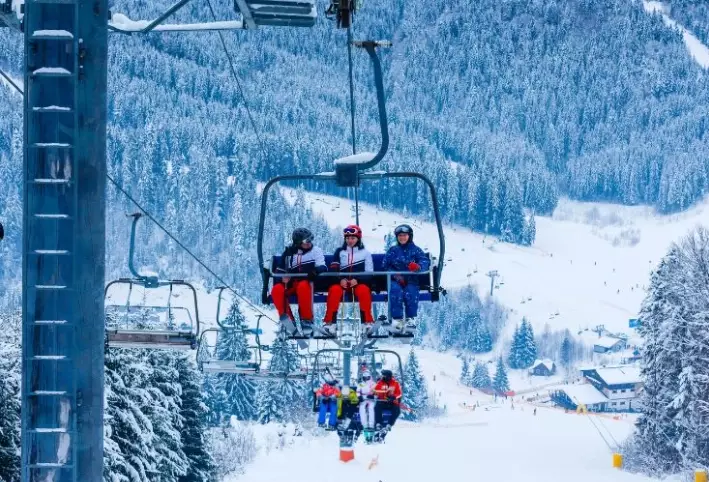
The Front-Line Seasonal Jobs
These are the most common entry points: lift operators, ticket scanners, rental techs, cafeteria staff, hotel housekeepers. These roles are essential, but they're often paid close to the local minimum wage or just above it. In major destination resorts in Colorado, Utah, or California, you might see $18-$22 an hour. At smaller, local hills, it could be closer to $15.
The math is simple but stark. At $20/hour, full-time (which isn't always guaranteed, especially early/late season), that's about $3,200 a month before taxes. Now, hold that number in your head.
The Skilled & Guest-Facing Roles
This tier pays better. Think ski and snowboard instructors (especially once certified at Level 2 or 3 by bodies like PSIA or AASI), ski patrollers (who require significant medical training like EMT), experienced mechanics in rental or maintenance shops, and certain hotel front desk or concierge staff.
An entry-level certified instructor might start around $25/hr but can make significantly more through private lessons and tips. A seasoned patroller or a skilled vehicle mechanic can command salaries that start to look like a sustainable career wage, sometimes with benefits.
The Year-Round & Management Careers
This is where the answer to "can you make a living working at a ski resort?" becomes a clearer "yes." These are salaried positions with benefits like health insurance, retirement plans, and paid time off. This includes mountain operations managers, marketing directors, finance staff, IT professionals, human resources, and senior roles in food & beverage or lodging.
These jobs treat the resort like any other year-round business, because it is. The pay scales are competitive with similar roles in other industries, adjusted for the local cost of living. Getting here often means starting in a seasonal role and working your way up, or bringing specialized skills from outside.
| Job Category | Typical Hourly Rate / Salary Range | Seasonal or Year-Round? | Key Perks Beyond Pay |
|---|---|---|---|
| Lift Operator / Ticket Scanner | $17 - $22 / hour | Strongly Seasonal | Free season pass, sometimes free meals, flexible scheduling for powder days. |
| Ski Instructor (Level 1) | $20 - $28 / hour + tips | Seasonal | Free pass, professional training discounts, incredible networking. |
| Ski Patroller (EMT Certified) | $22 - $30 / hour | Seasonal (some year-round) | Free pass, immense respect, advanced medical/avalanche training. |
| Mountain Operations Manager | $65,000 - $95,000 / year | Year-Round | Full benefits, retirement plan, authority, deep community ties. |
| Lodging Front Desk Manager | $50,000 - $70,000 / year | Year-Round | Full benefits, housing assistance sometimes, guest perks. |
See the gap? The dream jobs that get you on the mountain most are often the lowest paid and most seasonal. The jobs that provide stability are more traditional office or management roles. This is the core tension of making a living at a ski resort.
The Other Side of the Equation: The Mountain Town Cost of Living
Okay, so you might make $3,200 a month before taxes. Now let's talk about where it all goes. This is the part that breaks most people's budgets. Housing in popular ski towns is famously, astronomically expensive and brutally scarce.
We're talking $1,200+ for a *room* in a shared house in places like Aspen, Vail, Jackson Hole, or Lake Tahoe. A small one-bedroom apartment can easily eclipse $2,500/month. Many resorts offer employee housing, which is a lifesaver—but it's often basic, dorm-style, and has waitlists miles long. You need to apply for housing the moment you get a job offer, if not before.
Beyond rent, everything costs more. Groceries are pricier because they're trucked in. Gas is more expensive. Eating out, even just a burger and a beer, will make your wallet weep. That $20/hour doesn't stretch nearly as far as it would in a midwestern suburb.
So, let's do a brutally simple monthly budget for a single person in a front-line seasonal job, living in employee housing (the best-case scenario):
- Income (after taxes): ~$2,600
- Employee Housing: -$700 (a subsidized rate)
- Groceries: -$400 (cooking most meals)
- Car Payment/Insurance/Gas: -$400 (if you need a car)
- Utilities/Phone: -$150
- Health Insurance: -$250 (if not provided—a huge if)
- Discretionary (Fun, Gear, Coffee): -$300
Total: $2,600 - $2,200 = $400 left.
That's not much wiggle room. It means no big trips, no new skis, and a very thin emergency fund. This is the reality of making a living at a ski resort in an entry-level role. You're trading income for experience and access.
Beyond the Season: Paths to a Sustainable Career
If you're serious about staying long-term and truly making a living, you need a plan to move out of pure seasonal work. The goal is to either secure a year-round position with the resort or develop a skillset that the mountain community needs year-round.
Climbing the Ladder Within the Resort
This is the classic path. Start as a liftie, show up early, work hard, be reliable, express interest in learning more. Many resorts promote from within for roles like lift maintenance, groomer operators (a coveted, well-paying night job), or shift supervisors. Getting involved in summer operations (mountain biking, hiking, events) is key to transitioning to year-round status.
Building a Parallel Mountain Career
This is often more reliable. The town itself needs plumbers, electricians, nurses, teachers, realtors, and accountants just like anywhere else. These professions pay well and are in constant demand. You can work a 9-5 in town and still have a season pass and ski every weekend. This might be the most balanced answer to can you make a living working at a ski resort town. You're not employed by the resort, but you're an integral part of the ecosystem that makes it run.
The Remote Work Revolution
This has changed the game. If you can work from anywhere with a good internet connection, you can base yourself in a ski town and live the dream without relying on resort wages. The catch? You now compete for housing with other remote workers who may have Silicon Valley salaries, which drives prices up even further. It's a double-edged sword for the community.
The Good, The Bad, and The Powder Day
Let's weigh it all up. Is it worth it?
- Unbeatable Lifestyle Access: Your office is a mountain. You can ski or ride on your lunch break. Powder days become a legitimate reason to adjust your schedule.
- The Community: You're surrounded by people who share your passion. The friendships are intense and fast.
- Simpler Living (Forced or Chosen): You often own less stuff, spend more time outdoors, and focus on experiences over material things.
- Free or Cheap Skiing: The season pass perk is a massive financial benefit, easily worth $1,000-$2,000.
- Personal Growth: You learn to be adaptable, tough, and resourceful.
- Financial Instability: Seasonal layoffs, uncertain hours, and low starting wages.
- High Cost of Living: Housing stress is a constant, real anxiety.
- Tourist Fatigue: Dealing with vacationers who are stressed, entitled, or unprepared can be draining.
- Limited Career Growth (in some tracks): It can be hard to move up, and the pool of high-paying jobs is small.
- Physical Demands: The work is often outdoors in harsh conditions—cold, wet, and physically taxing.
So, can you make a living working at a ski resort? You can make a *life*. But whether that life is financially sustainable depends almost entirely on your job tier, your spending habits, and your long-term career strategy.
Real Stories: How People Actually Make It Work
Let's get specific. Here are three archetypes of people who have successfully answered "yes" to the question.
The Career Mountain Pro: Sarah started as a ski instructor 10 years ago. She got her Level 3 certification through PSIA, then became a trainer, then the head of the adult ski school at a mid-sized resort. She now has a salaried year-round position with benefits, owns a small condo (a major feat), and skis over 100 days a year. Her living is directly tied to the resort's success.
The Townie Tradesperson: Mark is an electrician. He moved to a ski town after his apprenticeship. He works for a local contractor, wiring new luxury homes and doing service calls for local businesses. His income is stable and high, he has full benefits through his union, and he buys a season pass every year. The resort is his playground, not his employer. His skills, as reported by the U.S. Bureau of Labor Statistics, are in demand everywhere, including mountain towns.
The Hybrid Hustler: Alex works as a lift operator three days a week. The other four days, they run a small social media management business for outdoor brands, which they built remotely. The resort job provides the free pass, structure, and social connection. The remote business pays the real bills and funds travel in the off-season. This model is increasingly common.
Your Decision Toolkit: Questions to Ask Yourself
Before you pack the car, sit down and answer these honestly.
- What is my "why"? Is it for a single epic gap year, or a permanent life change? Your financial approach will differ wildly.
- What skills do I have right now? Are they for a front-line job, a skilled trade, or a year-round office role?
- What is my debt situation? Trying to pay off student loans or a car payment on a lifty's wage is a recipe for stress.
- How do I handle isolation and small-town life? Off-seasons can be quiet. The community is tight-knit, which is great if you're in, and isolating if you're not.
- Have I researched a SPECIFIC resort and town? Don't just think "Colorado." Look at the cost of housing in Breckenridge vs. Crested Butte vs. Steamboat. They're all different.
Frequently Asked Questions (The Stuff You're Secretly Searching)
Many large resorts offer some form of employee or subsidized housing, but it is NOT guaranteed. It's often first-come, first-served, and can range from dorm rooms to shared apartments. You must inquire about it during the application process and apply immediately if offered a job. Always have a backup plan and savings to cover a security deposit on the open market if needed.
Jobs in mountain operations (grooming, lift maintenance, summer trail crew), administration (HR, finance, marketing), and skilled trades (mechanic, electrician) are most likely to be year-round. Roles in food & beverage or lodging may also transition to year-round at destination resorts with strong summer tourism.
In an entry-level seasonal role, saving significant money is very difficult due to high costs and shorter work seasons. The goal in the first year or two is often to break even and gain the experience. Saving becomes more feasible with a higher-paying year-round position, a side hustle, or extremely frugal living.
Getting a job (like lift operator) is usually not hard if you apply early (think August-October for winter) and are flexible. Getting a good, specific job (like instructor or patroller) or one with guaranteed housing can be very competitive. Applying directly on the resort's website or through job fairs is best. Networking helps immensely.
The Final Run
Look, working at a ski resort is not a get-rich-quick scheme. It's a lifestyle choice with financial trade-offs. For a young, unattached person with minimal financial obligations, it can be an unforgettable, formative experience even if you're not "making a living" in the traditional sense. You're trading monetary capital for experiential and social capital.
To build a true, sustainable living working at a ski resort, you need to view it as a long-term career move. That means strategically moving from seasonal to year-round work, developing a valuable skill (on the mountain or in the town), and mastering a budget that accounts for mountain-town inflation.
It's absolutely possible. I see people doing it every day. But they're not just chasing powder; they're working hard, planning ahead, and making smart sacrifices. They answered "can you make a living working at a ski resort?" not with a dream, but with a plan.
So, what's your plan?