What You'll Find in This Guide
You're layered up, skies are blue, and the powder looks perfect. But halfway through your first run, your mouth feels like sandpaper, and a headache starts creeping in. Sound familiar? That's dehydration hitting you hard, and it's a silent killer for ski days. I've been skiing for over a decade, and I've seen too many people—myself included—ruin a perfect day by ignoring hydration. Let's cut to the chase: staying hydrated while skiing isn't just about drinking water; it's about strategy, gear, and timing. In this guide, I'll walk you through everything you need to know, backed by science and hard-earned experience.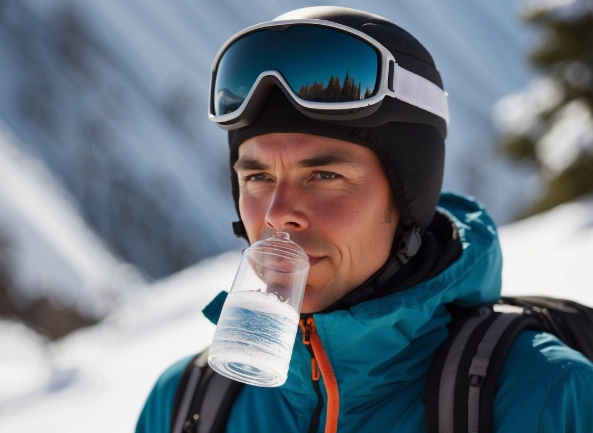
Why Hydration is Non-Negotiable for Skiers
Most skiers think dehydration is a summer problem. Wrong. Cold air, high altitude, and physical exertion combine to suck moisture out of you faster than you realize. At resorts like those in the Rockies or Alps, altitudes often exceed 8,000 feet, where the air is drier and your body loses more water through respiration. The National Ski Areas Association highlights that dehydration contributes to fatigue and altitude sickness, but few talk about how it subtly affects your balance and reaction time. I once took a spill on a beginner slope because I felt dizzy after skipping water breaks—embarrassing and avoidable.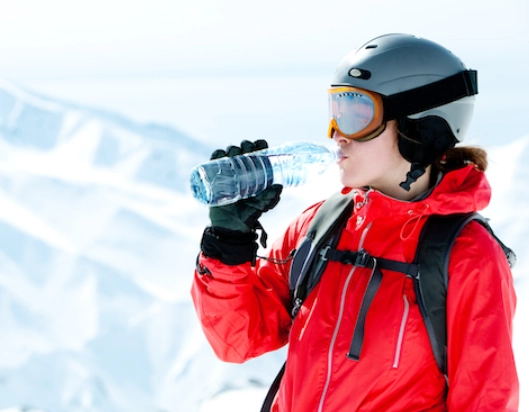
Here's the science bit: when you're dehydrated, blood volume drops, making your heart work harder. That means less oxygen to muscles, leading to quicker fatigue. In skiing, where split-second decisions matter, even mild dehydration can impair coordination. A study from the University of Connecticut's Human Performance Laboratory shows that a 2% loss in body water can reduce performance by up to 10%. For skiers, that translates to wobbly turns and increased risk of injury.
Pro tip: Don't wait until you're thirsty. Thirst is a late sign of dehydration. By then, you're already playing catch-up.
How to Hydrate Effectively on the Slopes
Hydrating while skiing isn't about chugging a liter at lunch. It's a continuous process. Start before you even hit the slopes. Drink 500ml of water two hours before skiing, then another 250ml right before. During the day, aim for 150-250ml per hour, but adjust based on intensity. If you're doing backcountry or intense runs, bump it up.
Timing Your Water Intake
Break it into segments. Drink small sips every 20-30 minutes. I use lift rides as hydration checkpoints—every time I'm on a chairlift, I take a few sips. It becomes a habit. Avoid large gulps that can cause stomach sloshing, especially when you're bouncing down moguls.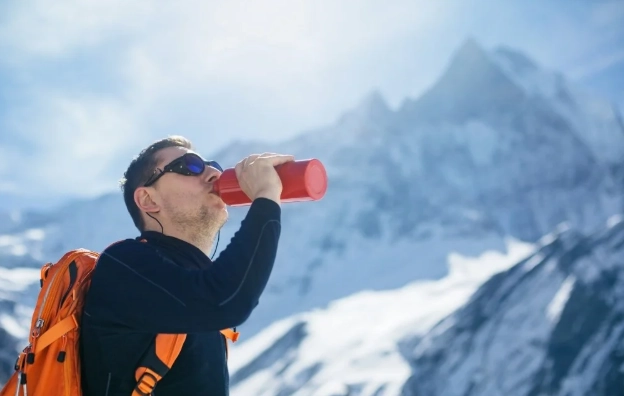
What to Drink (and What to Avoid)
Water is king, but for longer days, consider electrolyte solutions. Sports drinks can help, but watch the sugar—too much can lead to crashes. I mix my own: water with a pinch of salt and a squeeze of lemon. Coffee and alcohol? Big no-nos. They're diuretics that dehydrate you further. I learned this the hard way after a morning coffee led to a parched afternoon on the slopes.
Common Mistakes and How to Avoid Them
Everyone makes these errors, but they're easy to fix. First, relying on resort cafés for water. Lines are long, and you might skip it. Second, using regular water bottles that freeze. I've had a bottle turn into an ice block in my backpack—useless. Third, ignoring signs like dark urine or dry lips. Check your pee color; it should be pale yellow.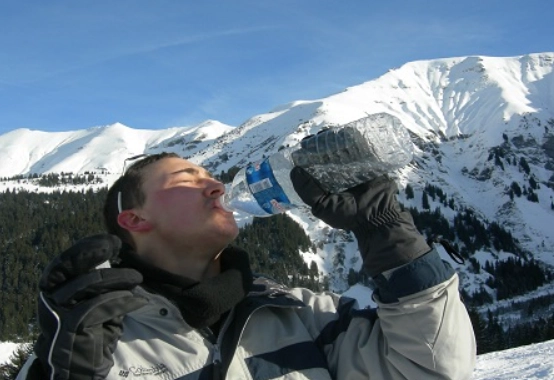
Another subtle mistake: overdressing. Sweat more, lose more fluids. Dress in layers you can remove. I see skiers in bulky gear sweating buckets by 10 AM, then wondering why they're exhausted.
Choosing the Right Hydration Gear
Your gear makes or breaks your hydration plan. Here's a comparison of popular options based on my testing and reviews from sources like OutdoorGearLab.
| Gear Type | Pros | Cons | Best For |
|---|---|---|---|
| Hydration Pack (e.g., CamelBak) | Hands-free, insulated tube, large capacity | Can be bulky, tube may freeze | All-day skiing, backcountry |
| Insulated Water Bottle | Simple, easy to clean, no tube issues | Need to stop to drink, can freeze if not insulated | Resort skiing, short trips |
| Soft Flask (e.g., Salomon) | Lightweight, fits in pockets, flexible | Small capacity, harder to clean | Quick runs, minimalist skiers |
I swear by a hydration pack with an insulated tube. Blow back into the tube after drinking to prevent freezing—a trick from backcountry guides. For resort days, an insulated bottle in a backpack side pocket works fine.
Don't forget accessories. A bottle insulator sleeve costs under $20 and saves your day. Or try adding electrolyte tablets to your water; brands like Nuun are popular among skiers.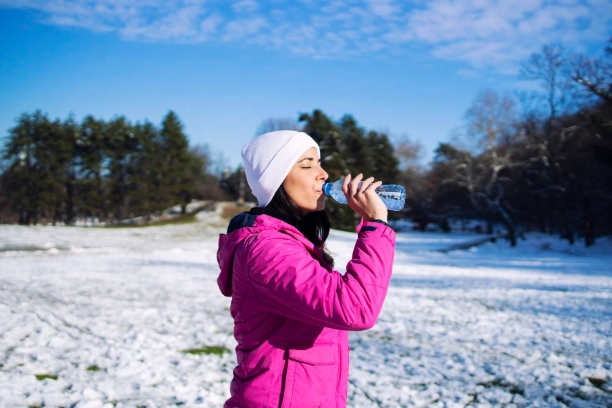
Your Hydration Questions Answered
Hydration while skiing might seem trivial, but it's the difference between a epic day and a miserable one. Plan ahead, choose the right gear, and sip consistently. Next time you're on the mountain, remember: your water bottle is as important as your skis. Stay safe out there!