Jump Straight to What Matters
Let's cut to the chase. If you've ever felt your legs turn to jelly by midday on the slopes, or worried about knee pain after a run, ski fitness isn't just a nice-to-have—it's non-negotiable. I've been coaching skiers for over a decade, and the biggest mistake I see is people spending thousands on new skis but zero time on conditioning. Trust me, a strong body trumps high-tech gear any day. This guide will show you how to train smarter, not harder, so you can ski longer, safer, and with more joy.
Why Ski Fitness Beats Fancy Gear Every Time
I remember my first big ski trip to the Alps. I had all the latest equipment, but after two runs, my thighs were screaming. I spent more time in the lodge than on the mountain. That's when I realized: ski fitness is the foundation everything else builds on. It's not about bulking up; it's about building resilience.
Research from organizations like the Professional Ski Instructors of America (PSIA) highlights that proper conditioning reduces injury risk by up to 50%. But here's the kicker—most advice focuses on generic leg workouts, which can do more harm than good. Skiing demands a unique blend of strength, endurance, balance, and flexibility. Neglecting any piece leaves you vulnerable.
Think about it. Skiing involves constant lateral movements, quick turns, and absorbing shocks from uneven terrain. If your core is weak, your form collapses. If your balance is off, you're one ice patch away from a fall. This isn't just theory; I've seen countless skiers transform their experience simply by adding targeted exercises to their routine.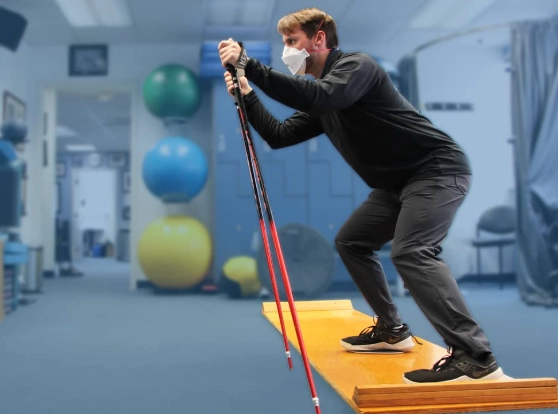
Your 8-Week Ski Fitness Blueprint (With a Sample Plan)
You don't need a gym membership or hours of free time. This blueprint is designed for real life—busy schedules, limited equipment, and measurable progress. Break it into two phases: foundation (weeks 1-4) and intensity (weeks 5-8).
Pro tip: Consistency beats intensity. Even 30 minutes, three times a week, can yield huge gains if you focus on the right moves.
Phase 1: Foundation Building (Weeks 1-4)
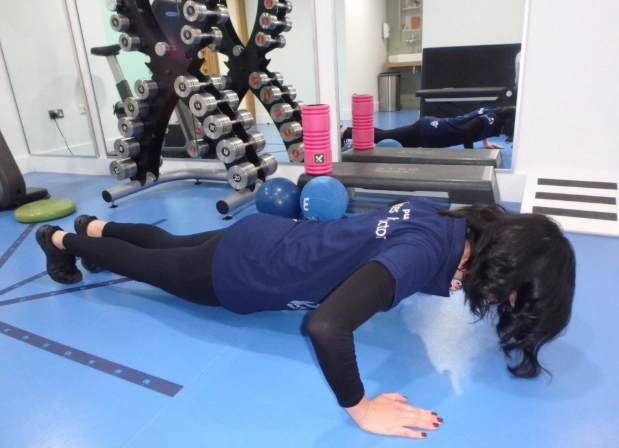
Goal: Activate stabilizing muscles and build base endurance. Start with bodyweight exercises and low-impact cardio. For example, Monday: strength (squats, lunges, planks), Wednesday: cardio (cycling or brisk walking), Friday: balance and flexibility (yoga or dynamic stretches).
Phase 2: Intensity Ramp-Up (Weeks 5-8)
Goal: Mimic ski demands with higher intensity and sport-specific drills. Add weights or resistance bands, and incorporate interval training. Try hill sprints or stair workouts to simulate slope gradients.
Here's a sample weekly schedule table to visualize it:
| Week | Focus Area | Key Exercises | Duration per Session |
|---|---|---|---|
| 1-2 | Core Activation & Balance | Planks, single-leg stands, bird-dogs | 25-30 minutes |
| 3-4 | Leg Strength & Endurance | Bodyweight squats, lunges, cycling | 30-35 minutes |
| 5-6 | Power & Agility | Jump squats, lateral bounds, hill repeats | 35-40 minutes |
| 7-8 | Sport-Specific Simulation | Weighted carries, ski stance holds, interval runs | 40-45 minutes |
Adjust based on your fitness level. If you're a beginner, extend Phase 1. If you're advanced, add more weight or reps. The key is listening to your body—overtraining leads to burnout.
The 5 Key Exercises Most Skiers Ignore
Everyone does squats, but these five moves are game-changers for ski fitness. I've found they address common weaknesses that cause fatigue and injury.
- Lateral Lunges: Skiing is all about side-to-side motion. Standard lunges miss this. Do 3 sets of 10 per side to build adductor strength.
- Single-Leg Deadlifts: Improves balance and hamstring activation. Most skiers have weak hamstrings, leading to knee strain. Use a light kettlebell or just bodyweight.
- Pallof Press: A core anti-rotation exercise. It teaches your torso to resist twisting, crucial for maintaining form during turns. Do it with a resistance band.
- Calf Raises on Unstable Surface: Try them on a pillow or balance board. This enhances ankle stability, which is often overlooked until you hit a bump.
- Box Jumps with Soft Landing: Builds explosive power and teaches you to absorb impact—just like landing after a jump on slopes. Focus on landing quietly to protect joints.
Incorporate these into your routine twice a week. You'll feel the difference in your control and stamina.
3 Common Mistakes That Ruin Your Ski Season
After coaching hundreds of skiers, I've spotted patterns that hold people back. Avoid these pitfalls to save yourself from pain and frustration.
- Overworking Quads, Underworking Glutes: It's tempting to focus on front thigh muscles because they burn during skiing. But weak glutes force quads to overcompensate, leading to IT band syndrome and knee issues. Add bridges and hip thrusts to your workouts.
- Skipping Flexibility Work: Tight hips and hamstrings limit your range of motion, making turns awkward and increasing fall risk. Dynamic stretching before skiing and static stretching after are non-negotiable. I recommend yoga flows like sun salutations.
- Training Only in Straight Lines: If your workouts are linear (e.g., running forward), you're not preparing for skiing's multidirectional demands. Include lateral shuffles, zigzag drills, and rotational exercises. A simple fix: add side-to-side hops during warm-ups.
These mistakes are subtle but costly. I've seen skiers with great strength still struggle because their training was one-dimensional.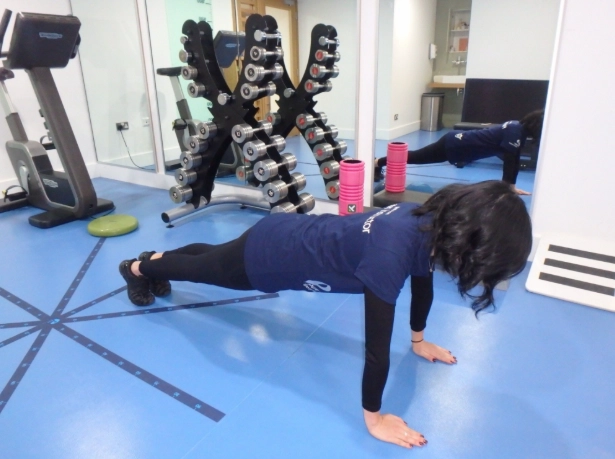
A Real-Life Case: From Office Chair to Black Diamond
Let me share a story about Mark, a 40-year-old accountant who skied once a year. He came to me with chronic knee pain and low stamina. We had 10 weeks before his trip to Colorado. His goal: ski black diamond runs without stopping.
We started with an assessment—his core was weak, and his balance was poor. Instead of generic gym routines, we tailored a plan: Phase 1 focused on core and balance (using exercises like planks and Bosu ball stands), Phase 2 added strength with resistance bands and bodyweight circuits, and Phase 3 incorporated sport-specific drills like lateral bounds and downhill simulations on a treadmill incline.
Mark trained three times a week, 40 minutes each. He also swapped his desk chair for a stability ball to engage his core during work. By week 8, his knee pain vanished, and he could hold a ski stance for minutes without fatigue. On the trip, he not only tackled black diamonds but skied from opening to closing without soreness. His secret? Consistency and targeting weaknesses most programs ignore.
This isn't a fluke. It's about understanding that ski fitness is a puzzle—you need all pieces to fit.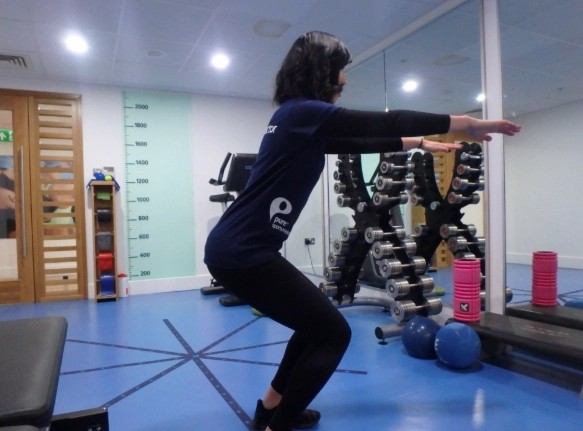
Your Burning Ski Fitness Questions Answered
Remember, ski fitness isn't about becoming an athlete overnight. It's about smart, consistent effort that pays off on the mountain. Start today, even with small steps, and you'll thank yourself when you're carving turns with ease. For more resources, check out authoritative sites like the Professional Ski Instructors of America for training guidelines—they offer great insights into technique and safety.