Quick Guide
- What Exactly Is a Rope Tow? Understanding the Basics
- The Different Types of Rope Tows You Might Encounter
- Your Step-by-Step Guide to Using a Rope Tow (Without Falling)
- Common Rope Tow Mistakes and How to Avoid Them
- The Gear You Need (And Don't Need) for a Rope Tow
- Rope Tow Etiquette: The Unwritten Rules
- Common Questions and Answers
- Final Thoughts: Embracing the Simplicity
Let's talk about rope tows. You know, that moving cable you grab onto to get up a hill without having to hike. It sounds simple, right? Just grab and go. But if you've ever tried one, especially as a beginner, you know it can be a humbling experience. I've seen people tumble, I've taken a few spills myself years ago, and I've also seen skiers and snowboarders make it look effortless. What's the secret?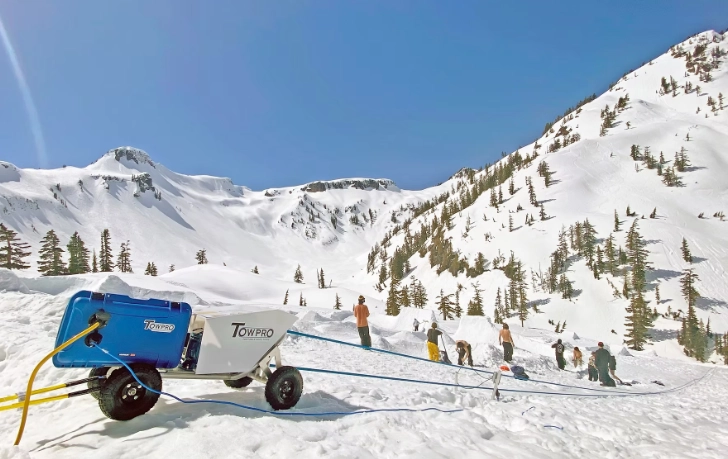
This guide is for anyone who's ever looked at a rope tow with a mix of curiosity and dread. We're going to break down everything: how they work, the different types you'll find on the mountain, and most importantly, a step-by-step guide on how to use one without embarrassing yourself. Whether you're a first-timer or just looking to refine your technique, there's something here for you. The goal is simple: to give you the knowledge you need to use this piece of equipment confidently.
What Exactly Is a Rope Tow? Understanding the Basics
At its core, a rope tow is one of the simplest forms of ski lift. It's essentially a continuously moving rope, usually made of a coated steel cable or a thick, durable synthetic material, that runs between two points—typically from the bottom of a slope to the top. You grab onto the rope, and it pulls you uphill while you stand on your skis or snowboard. No chairs, no gondolas, just you and a rope.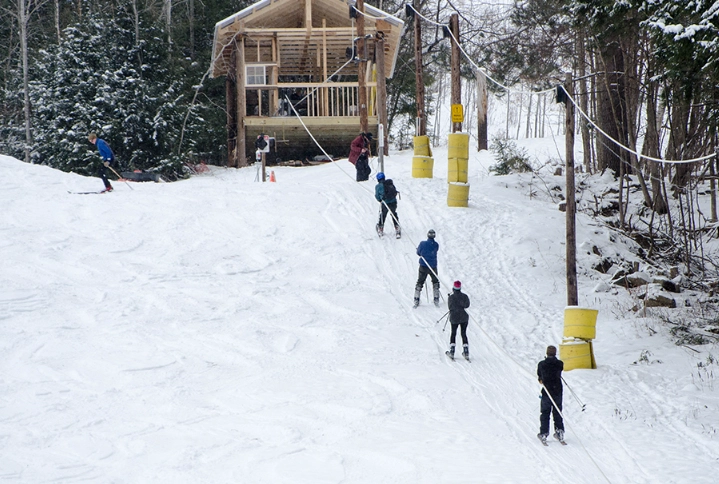
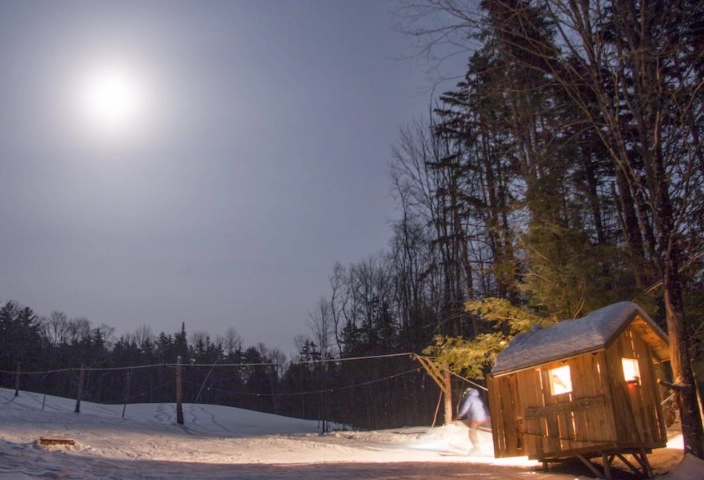
They're often found on beginner slopes, ski schools, and smaller hills. You'll also see them in terrain parks for accessing specific features or on the flats to get back to a chairlift. Their simplicity is their biggest advantage. They're relatively inexpensive to install and maintain compared to chairlifts. They don't require a lot of space, and they're perfect for shorter slopes where a bigger lift would be overkill.
I remember the first rope tow I ever used was at a tiny local hill. It was just a basic cable running up a gentle bunny slope. The sound of the engine and the feel of the cable through my gloves is a distinct memory. It felt intimidating at first!
But here's a key point a lot of people don't realize: a rope tow is different from a T-bar or J-bar lift. Those are surface lifts where you rest a T-shaped or J-shaped bar behind you. With a rope tow, you are actively holding on with your hands. This requires more from your upper body and core, and it demands a different technique for balance. Understanding this distinction is the first step to mastering it.
The Different Types of Rope Tows You Might Encounter
Not all rope tows are created equal. The type you encounter will change your approach slightly. Knowing what you're dealing with before you grab on can save you a lot of trouble.
1. The Classic Handle-Less Tow
This is the most basic and common type. It's just the moving rope itself. You have to grip it directly with your hands, usually while wearing gloves. The challenge here is grip strength and the rope potentially sliding through your hands if you don't hold tight enough. Some of these have a slightly textured coating to help, but it's still a workout for your forearms.
2. The Tow with Handles or Pommels
A step up in user-friendliness. These have plastic or rubber handles, knobs, or pommels attached to the rope at regular intervals. You grab onto a handle, and it gives you a much more secure and comfortable grip. It's less taxing on your hands and provides a more consistent pulling point. These are fantastic for beginners and are often found in dedicated learning areas.
3. The Poma or Platter Lift (A Close Cousin)
Technically, this isn't a rope tow, but it's a surface lift that beginners often confuse with one. Instead of a rope, a Poma lift has a series of spring-loaded discs or "platters" on a cable. You place the disc between your legs, and it pulls you up. The technique is different—you lean against it rather than pull with your arms—but the principle of a simple, continuous cable is similar. If you see people riding up with a disc between their legs, that's a Poma.
Pro Tip: Before you get in line, watch the rope tow for a minute. See what type it is, watch how other people are grabbing it, and note where they're standing when they start. A little observation goes a long way in preventing a false start.
Your Step-by-Step Guide to Using a Rope Tow (Without Falling)
Okay, let's get to the practical part. This is the sequence I wish someone had walked me through on my first day. We'll break it down for both skiers and snowboarders, as the techniques have some important differences.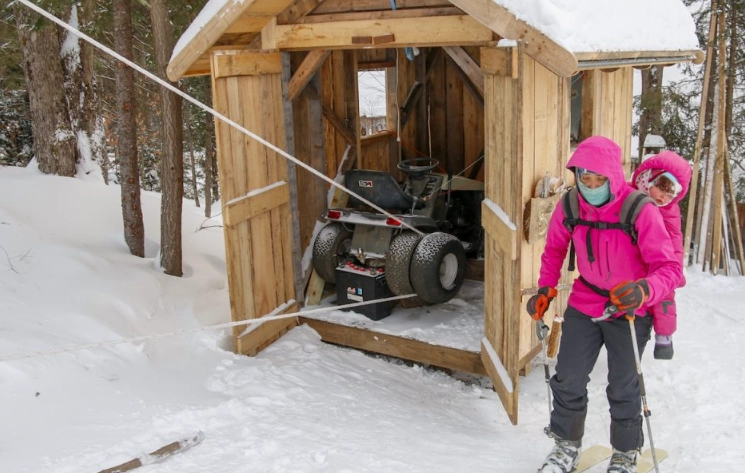
For Skiers
Step 1: Get Ready in the Staging Area. As you wait in line, keep your skis pointed straight ahead. Have your poles in one hand (usually your outside hand) so your other hand is free to grab the rope. Loosen your grip on the poles; you won't need them for balance here.
Step 2: The Grab. As the rope approaches, reach out with your free hand and grab it firmly. If it's a handle-less tow, make a solid fist around it. Don't just use your fingers. If there's a handle, get a good grip on it. Your arm should be slightly bent, not fully extended.
This is where many first-timers panic.
Step 3: The Initial Pull. Let the rope's momentum start to pull you forward. Don't resist it, but don't let it jerk you off balance either. As you start moving, bring your other hand (the one holding your poles) onto the rope as well, spacing your hands about shoulder-width apart. Now you're in a stable, two-handed grip.
Step 4: The Ride Up. Keep your skis pointed straight up the hill, directly in the tracks worn into the snow. Stand upright with a slight bend in your knees—think athletic stance, not rigid. Let the rope do the work of pulling you. Do not try to "help" by walking or skating with your skis. This is a common mistake that leads to tangles and falls. Just glide.
Step 5: The Release. As you approach the top, you'll see a clear area to the side. Look over your shoulder (the one on the side you want to exit), and simply let go of the rope. Step or glide smoothly out of the track and clear the area immediately so the person behind you has space.
For Snowboarders
The process is similar but with a crucial twist: your stance. You generally have two options: regular stance (left foot forward) or goofy (right foot forward). You need to figure out which foot you naturally put forward. Once you know, you'll ride the tow with that foot forward.
The Key Difference: Instead of keeping your board straight, you will ride with your front foot pointed directly up the hill and your back foot perpendicular to it, resting on the snow. This creates a "skateboard" pushing stance. You use your back foot to stabilize and push off at the start.
The Grab and Ride: Grab the rope with both hands as described for skiers. As the rope pulls you, keep your weight centered over your front foot and use your back foot for light balance touches on the snow if needed. The goal is to let the rope pull your front foot while the back foot just glides alongside. It feels awkward at first, but it becomes natural.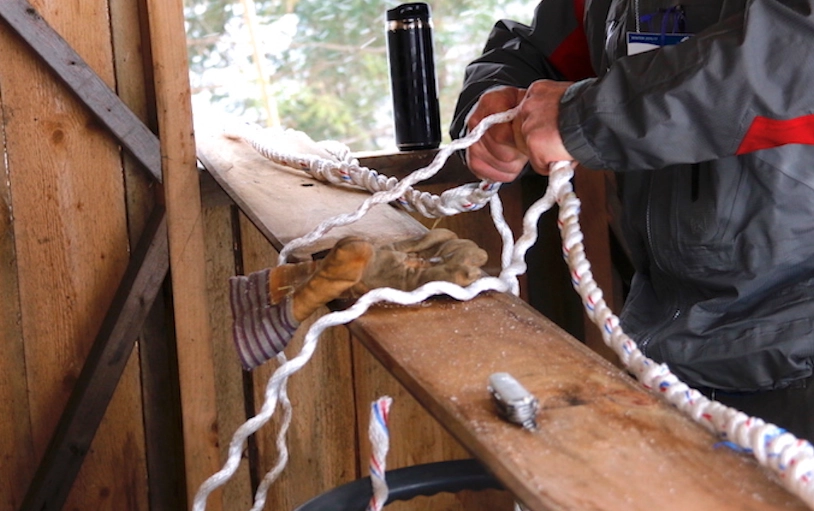
Critical Safety Note: Never, ever wrap the rope around any part of your body. Do not put it under your arm or around your waist. If you fall, let go immediately. The rope will keep moving, and trying to hold on will only make things worse. Just release, get up, and move out of the track to try again.
Common Rope Tow Mistakes and How to Avoid Them
We all make mistakes. I've made plenty. Here are the big ones I see every season, and how you can steer clear of them.
- The Death Grip: Squeezing the rope for dear life. This exhausts your arms in seconds. Hold firmly, but keep your shoulders relaxed. You're going for a secure hold, not a arm-wrestling championship.
- Looking Down at Your Skis/Board: Your body follows your head. If you stare at your feet, you'll lose balance. Look ahead up the hill, toward your destination. Your peripheral vision will handle the rest.
- Trying to "Walk" Up the Hill: This might be the number one cause of beginner falls. Once the rope has you moving, lift your feet and let it pull you. Dragging your edges or trying to step will cause a catch and a sudden stop. Not fun.
- Letting Go at the Wrong Time: Releasing too early means you don't make it to the top and have to hike. Releasing too late means you get dragged into the machinery or a fence. Watch the people ahead of you and release in the same spot they do.
- Not Clearing the Exit Area: Once you're off, move away quickly. Lingering right where people are getting off the rope tow is a great way to cause a pile-up.
The Gear You Need (And Don't Need) for a Rope Tow
You don't need special equipment, but the right gear makes a huge difference in comfort and safety.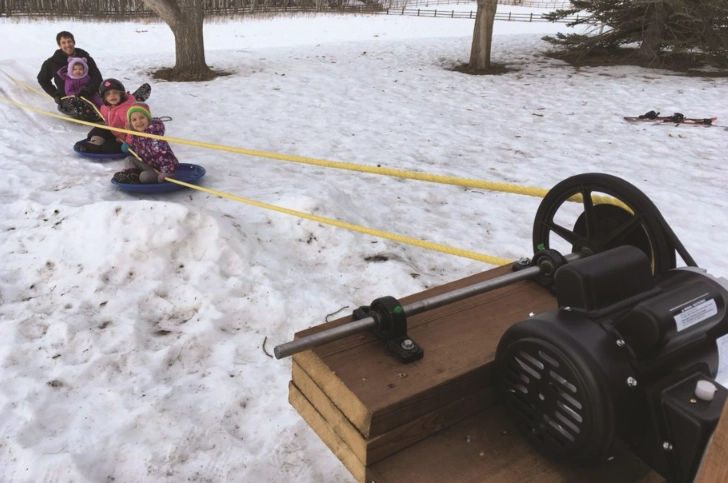
| Gear Item | Why It Matters for the Rope Tow | Personal Recommendation |
|---|---|---|
| Gloves | This is non-negotiable. A rope, especially a bare cable, can be rough, cold, and can cause rope burn if it slips. Gloves protect your hands and give you a better grip. | Don't use thin, fashion gloves. Get a pair of dedicated ski or snowboard gloves with palm reinforcement. Leather palms are excellent for grip. |
| Properly Fitted Boots | Balance starts from the ground up. Boots that are too loose or too tight will make it incredibly hard to maintain a stable stance while being pulled. | If you're renting, take the time to get boots that fit snugly but don't cut off circulation. It's the most important rental item. |
| Layers | Using a rope tow can be a workout, especially for beginners who tense up. You might get warmer than you expect standing in line and riding up. | Dress in layers you can easily vent. A zippered jacket is perfect for adjusting your temperature quickly. |
| Helmet | Falls can happen, even at low speeds. A helmet is always a good idea for any winter sport activity. | Just wear one. Modern ski helmets are light, warm, and could prevent a serious injury from a simple slip. |
| Grip Enhancers | Some people, especially those with weaker grip strength, use special tow handles or wear grip pads. They can help, but they're not a substitute for technique. | I'd focus on technique first. But if you have arthritis or a similar condition, a grip aid like the "Tow Rope Grabber" can be a game-changer. |
What you don't need are long, dangling scarves, loose clothing, or backpack straps that could get caught in the machinery. Keep it tidy.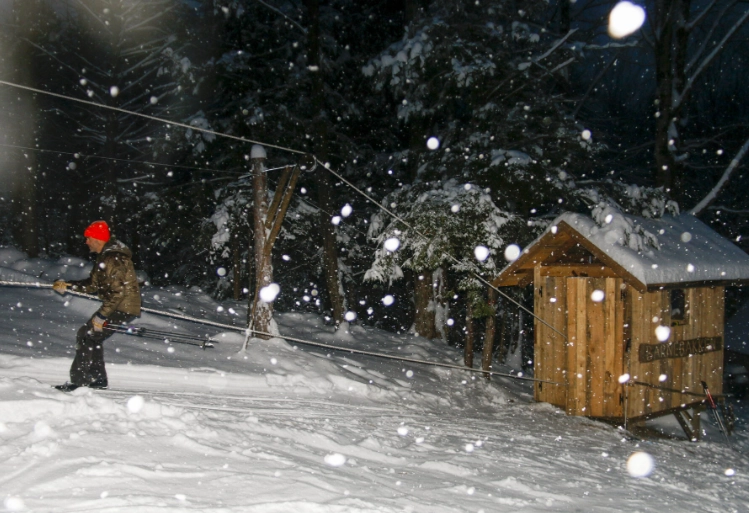
Rope Tow Etiquette: The Unwritten Rules
Manners matter on the mountain. Here's a quick guide to being a good citizen on the rope tow.
- Wait Your Turn: Don't cut the line. Everyone is waiting to get up the hill.
- Be Ready: When you're next in line, have your gear sorted and be prepared to grab the rope. Fumbling with poles or straps holds everyone up.
- Help Others (If Safe): If you see someone fall, once you are safely off the tow, you can alert the attendant if they haven't noticed. Don't run back into the path of the moving rope.
- Respect the Attendant: The person running the lift is there for your safety. If they tell you to wait or to do something, listen. They have a lot of experience and are looking out for you.
Common Questions and Answers
Final Thoughts: Embracing the Simplicity
The rope tow is more than just a lift; it's a rite of passage for many skiers and snowboarders. It teaches you about balance, momentum, and trusting the equipment. Is it the most comfortable lift? No. Is it the fastest? Not really. But it gets the job done, and it has a certain old-school charm.
My advice? Don't be intimidated. Everyone, and I mean everyone, had to learn at some point. The mountain community is generally supportive. If you're struggling, take a deep breath, watch others, and try again. Start on the gentlest slope you can find, preferably one with a tow that has handles.
Remember, the goal isn't to be perfect. It's to get to the top of that hill so you can enjoy the ride down. The rope tow is just a means to that end. With the tips and techniques outlined here, you should be well on your way to mastering it. Now go grab that rope and have some fun out there.