Your Off-Piste Roadmap
- Before You Even Think About Going Off-Piste: The Mindset Shift
- The Gear Divide: What You Absolutely Need vs. What's Nice to Have
- The Invisible Danger: Understanding Avalanche Terrain
- How to Actually Ski Off-Piste Snow (It's Not What You Think)
- Making the Leap: From Resort Off-Piste to Full Backcountry Touring
- Answering Your Burning Off-Piste Questions
- Building Your Off-Piste Progression Path
Let's cut right to the chase. You've been lapping the groomers, maybe even hitting the resort's side hits and glades they call "off-piste." But there's this itch. You see that untouched blanket of snow just past the boundary rope, stretching into the trees or up some wild-looking face, and you wonder. What's out there? Is it as amazing as it looks? Is it pure madness to even think about it? That, right there, is the call of true off-piste and backcountry skiing. It's not just another run; it's a different sport entirely.
I remember my first real foray out of bounds. My heart was pounding louder than my skis on the hardpack. I had rented a transceiver I barely knew how to use, and my "guide" was a friend who'd done it twice. Stupid? Absolutely. The snow was incredible, sure, a kind of floating sensation you just don't get on packed snow. But the anxiety overshadowed everything. That day taught me more about what off-piste skiing requires than any magazine article ever could. It's not about being an extreme athlete; it's about being a prepared and humble mountain traveler.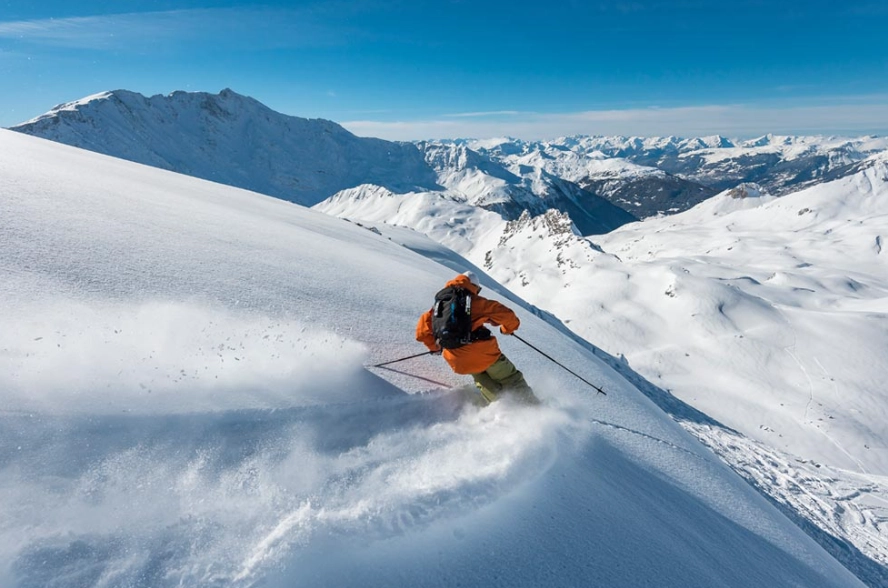
Before You Even Think About Going Off-Piste: The Mindset Shift
This is the most important piece of gear you'll ever have, and you can't buy it. Resort skiing is largely about convenience and fun, with safety nets (literally and figuratively). Off-piste skiing flips that script. You become your own rescuer, your own forecaster, your own guide. The mountains don't care about your skill level or your expensive jacket. A successful off-piste day is one where you come back safely, having made a series of good, conservative decisions. The skiing itself is just the reward for those decisions.
I've seen too many talented skiers with a dangerous lack of respect for the environment. They'll point their tips down anything. The best off-piste skier I know is often the slowest to commit to a line. He's observing, assessing, asking "what if?" That's the mindset.
The Gear Divide: What You Absolutely Need vs. What's Nice to Have
Gear for off-piste skiing is a layered approach, both literally and figuratively. Forget looking cool; it's about function and safety. Here’s a breakdown that separates life-saving essentials from performance enhancers.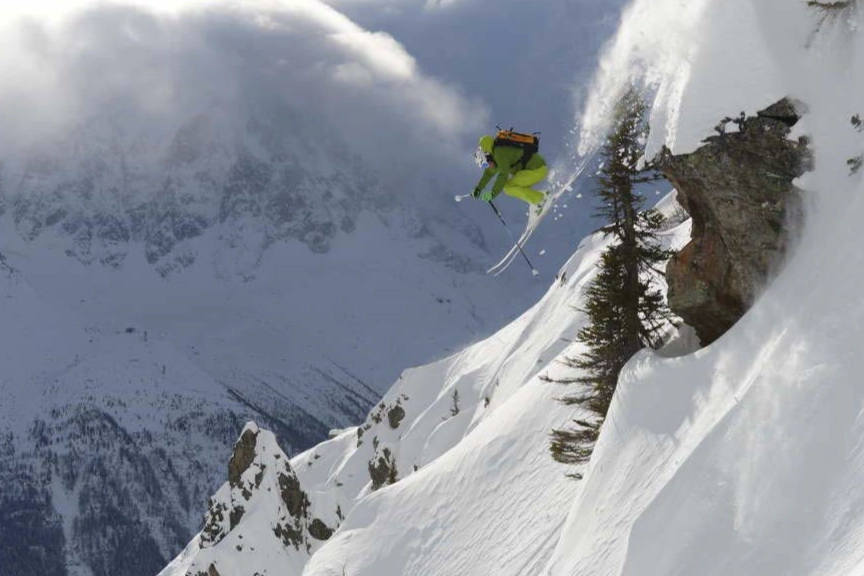
| Gear Category | Essential Items (Non-Negotiable) | Why It's Critical | Performance/Comfort Upgrades |
|---|---|---|---|
| Avalanche Safety Kit | Digital Avalanche Transceiver (Beacon), Probe (240cm+), Shovel (metal blade) | This is your trio for companion rescue. You must have all three, and you must practice with them regularly. A beacon without knowing how to search is useless. | Backpack with dedicated avy tool compartment, extra probe, RECCO reflector. |
| Navigation & Communication | Physical Topographic Map & Compass, Fully charged phone | Electronics fail. Batteries die in the cold. Knowing how to read a map and orient yourself is a fundamental backcountry skill. The phone is a backup/tool. | GPS device (e.g., Garmin inReach), Satellite Messenger, Gaia GPS/CalTopo app on phone. |
| Skis & Boots | All-mountain skis (95mm-110mm waist), Alpine Touring (AT) or Tech Boots/Bindings for true backcountry. | You need skis that can float in powder and handle variable snow. For any hiking, you need boots that walk and bindings that release your heel. | Dedicated powder skis (>110mm), lighter carbon skis, boots with better walk modes. |
| Clothing & Extras | Layering system (base, insulating, shell), Goggles (2 lenses), Headlamp, First Aid Kit | Weather changes fast. A headlamp is for unexpected delays. A basic first aid kit is for self-reliance. | High-end breathable shells, heated gloves, down "puffy" jacket for stops, emergency bivy sack. |
See that column labeled "Essential"? That's your shopping list before you go anywhere near an off-piste gate. And practice with it. Set up a mock search in your backyard with your beacon. Assemble your probe. Dig a pit with your shovel. Gear is only as good as the person using it.
The Invisible Danger: Understanding Avalanche Terrain
This is where off-piste skiing separates from every other mountain sport. You're not just reading the snow under your feet; you're reading the entire slope, the weather of the past week, and the layers hidden beneath the surface. It's complex, but you can start by learning to recognize terrain traps and red flags.
Key Terrain Features to Identify (and Often Avoid)
Slope Angle: Most avalanches occur on slopes between 30 and 45 degrees. Get an inclinometer app and start guessing slopes—you'll be surprised how steep 35 degrees feels.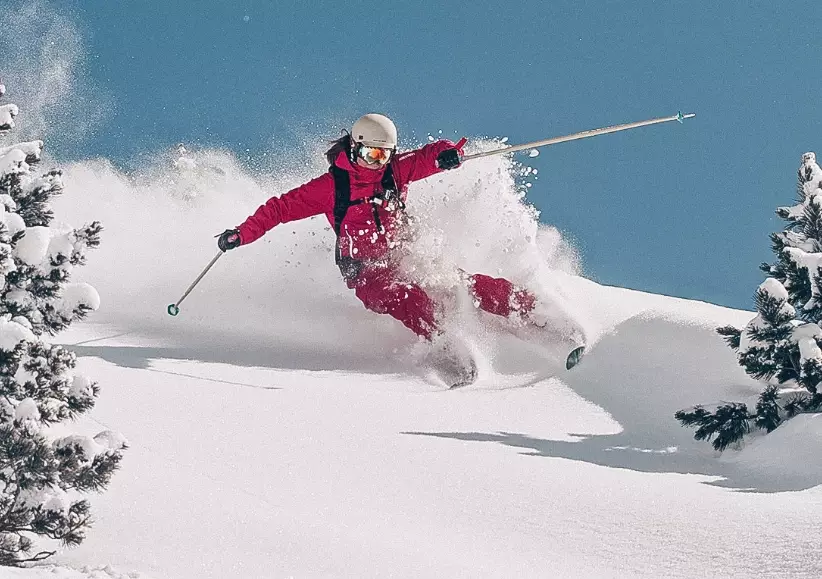
Aspect: Which way does the slope face? North-facing slopes often hold more persistent weak layers of snow (like facets or depth hoar) that can linger all season. South-facing slopes see more sun, which can stabilize the snow but also create wet slide hazards in the spring.
Terrain Traps: These are features that magnify the consequences of a slide. A gully that funnels snow? A cliff band below the slope? Trees tightly packed together? If you get caught, these features make it much less likely you'll end up on the surface. One of the smartest strategies for early off-piste adventures is to stick to lower-angle slopes (
How do you plan for this? You don't just show up. You check the avalanche forecast from your local center (like the Avalanche Canada or Utah Avalanche Center). You look at the weather. You have a plan A, B, and C for your route. And you're willing to abandon all of them if things don't feel right.
How to Actually Ski Off-Piste Snow (It's Not What You Think)
Okay, safety talk is paramount, but let's talk about the fun part—the skiing! Powder isn't just harder groomers. It requires a different technique, and getting it wrong is exhausting.
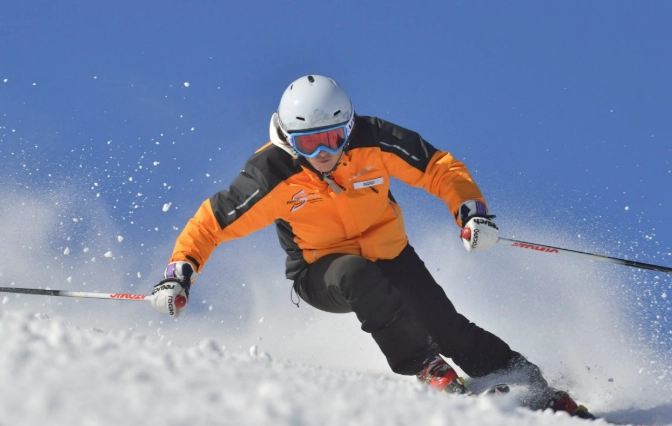
First, forget about forcing your skis around. In deep snow, you need to unweight and pivot. Think of it as a gentle hop or retraction of your legs to release the skis from the snow's grip, then steering them into the next turn. Stay centered or slightly back, but don't sit in the backseat permanently—that's a fast track to burning out your quads.
Second, rhythm is everything. Smooth, linked turns are more efficient and safer than frantic zig-zags. Look ahead for your next turn spot, not down at your tips. The snow in off-piste terrain is rarely uniform. You'll hit chunks, crust, heavy wet snow, and maybe even that blissful cold smoke. The key is to stay loose in your ankles, knees, and hips. Absorb the variations; don't fight them.
What about trees? Tree skiing is a whole other skill. Look for the spaces, not the trees. Keep your speed in check—you need to be able to turn or stop in the space you can see ahead. My personal rule? If I can't see a clear exit or a safe stopping point, I don't drop in. It's that simple.
Making the Leap: From Resort Off-Piste to Full Backcountry Touring
Maybe you've done some slackcountry (hiking a short distance from a lift). You're hooked. The idea of earning your turns under your own power is appealing. Welcome to ski touring.
This adds a massive physical component. You need to be fit, but it's a different kind of fitness—steady, aerobic endurance. The gear shift is significant: lighter skis, bindings that free your heel and have pins for climbing, boots with a walk mode, and climbing skins that stick to the base of your skis to provide grip going uphill.
The learning curve is steep. Applying skins efficiently, mastering kick-turns on steep skin tracks, transitioning from uphill to downhill mode without freezing your fingers off... it's a dance. And it's incredibly rewarding. There's a silence in the backcountry, a sense of accomplishment, that a lift can never provide. But the stakes are even higher. You're further from help. Your margin for error shrinks.
Answering Your Burning Off-Piste Questions
Let's tackle some of the specific things people are typing into Google right now.
How fit do I need to be for off-piste skiing?
For lift-accessed off-piste, you need strong legs and good cardio to handle the variable snow and potential for hiking out if you traverse too far. For touring, it's a different ballgame. Focus on leg strength (lunges, squats) and sustained cardio (hiking, running, cycling) for hours. Being fit isn't just about performance; it's a safety factor. A tired skier makes bad decisions and reacts slowly.
Can I go off-piste alone?
My blunt opinion? No. Just don't. The risk multiplies exponentially. If you get hurt, trapped, or caught in an avalanche, no one is there to help. The backcountry community mantra is "always go with a partner." And that partner needs to be equally equipped and knowledgeable. Solo off-piste skiing is for experts with decades of experience and even then, it's a calculated, high-risk choice.
What's the best way to find safe off-piste lines?
Start with a guide or a very experienced mentor. Use guidebooks specific to your area. Study maps (digital and paper) to understand the lay of the land. Look for obvious, low-angle routes with simple exits. Popular, well-tracked lines near resorts are often a safer bet for beginners because the traffic has sometimes (not always!) stabilized the snow. But never assume a track means safety.
How do I deal with variable or crusty snow conditions?
Ah, the reality check. Not every off-piste day is a powder day. Crust, breakable crust, heavy crud—this is where technique matters. You need to be more aggressive, punch through the crust with more forward pressure to get your tips down, and be ready for the sudden change in resistance. It's exhausting and unforgiving. Sometimes, the best decision is to bail and find a different aspect or just call it a day. I've had plenty of days where the off-piste was just terrible, and we retreated to the groomers. There's no shame in it.
Building Your Off-Piste Progression Path
This isn't a linear journey, but here's a sensible way to build your skills without (hopefully) scaring yourself too much.
- Master the Resort: Be confident on all black diamond runs, in all conditions (ice, crud, moguls). If you can't handle variable snow inside the resort, you're not ready for it outside.
- Education First: Take an Avalanche Skills Training (AST) 1 or equivalent course. Buy and practice with your beacon, probe, shovel.
- Mentored Sidecountry: Go with an experienced friend or guide through a resort's backcountry gate. Focus on a short, low-consequence line with a clear exit back to the lift.
- Expand Terrain: Try different aspects and slightly more complex terrain, always with a partner, always after checking the forecast.
- Introduction to Touring: Take a ski touring specific course or go with a guide. Learn the gear and travel rhythm on a simple, low-angle tour.
- Gradual Backcountry Exploration: Plan and execute longer, more committing tours as your fitness, skills, and decision-making confidence grow.
Look, the allure of off-piste skiing is real. It's freedom, it's beauty, it's the purest form of the sport. But it demands respect. It asks you to be a student of the mountains, not just a visitor. The learning never stops, and that's part of the magic. You'll have days of utter bliss, skiing untracked powder under a bluebird sky. And you'll have days of white-out navigation, battling crust, and questioning your life choices. Both are part of the deal.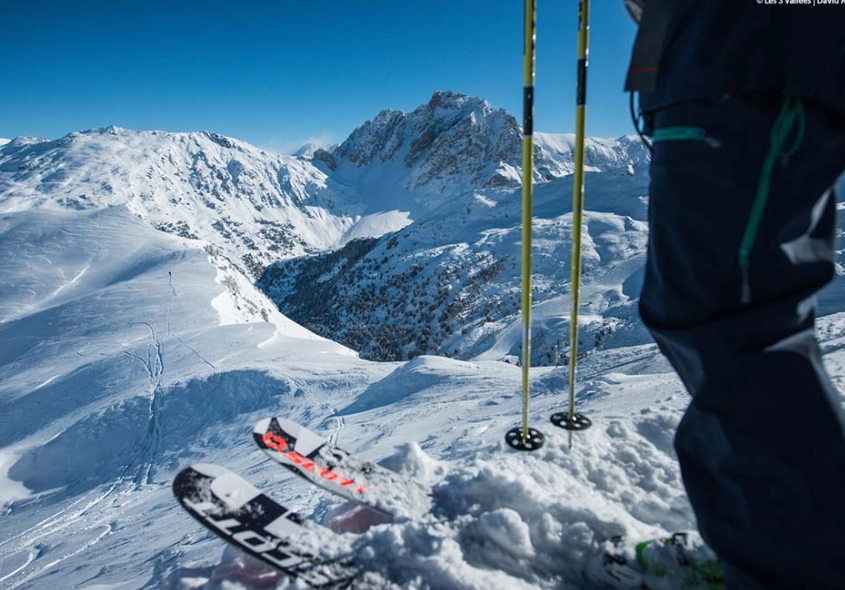
Start slow. Gear up right. Learn relentlessly. Find good partners. The off-piste world is waiting, but it rewards the patient and the prepared far more than it does the bold and the brash. Now go check that avalanche forecast.