In This Guide
- What Makes a Ski Resort Truly Great? (It's Not Just Snow)
- Top Ski Resorts Around the World: A Curated List for Every Type of Skier
- Planning Your Ski Trip: A Step-by-Step Guide That Won't Miss a Thing
- Saving Money on Your Ski Vacation (Yes, It's Possible)
- Staying Safe on the Slopes: It's More Than Just Helmet
- Frequently Asked Questions (FAQs)
Let's be honest. The idea of planning a ski vacation can feel a bit like standing at the top of a double black diamond run for the first time. Exciting, sure. But also kind of terrifying. You're staring down a mountain of questions. Which ski resorts are actually good for my level? How do I avoid blowing my entire budget on lift tickets? And what's the deal with all this gear?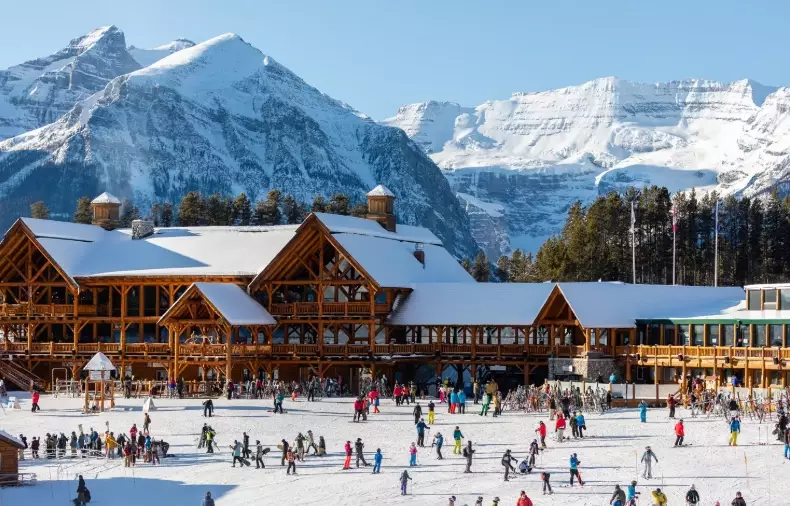
I've been there. I've booked trips to places that were way too crowded, paid for lessons I didn't need, and once spent a small fortune on a resort that was frankly... overrated. That's why I wanted to put this together. Think of this as the friend who's been skiing for years sitting down with you over a hot chocolate and laying it all out.
We're going to cut through the glossy marketing and get real about what makes a ski resort worth your time and money. Whether you're a first-timer who doesn't know a ski boot from a hiking boot, or an intermediate looking to tackle new terrain, this guide is built to answer the questions you're actually asking.
What Makes a Ski Resort Truly Great? (It's Not Just Snow)
When people think about great ski resorts, they usually picture perfect powder. And yeah, good snow is non-negotiable. But it's only one piece of the puzzle. A truly top-tier ski vacation is made up of a dozen other things that the brochures don't always highlight.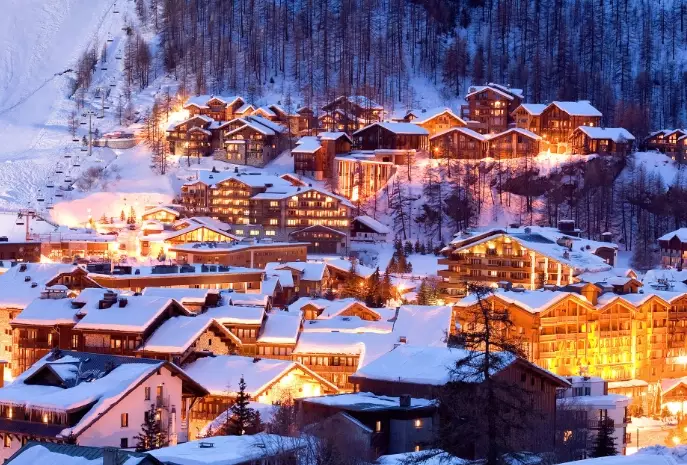
Let's break it down. What should you really be looking for?
The Terrain: More Than Just Acres
Every resort brags about its skiable acreage. But 5,000 acres of expert-only chutes is useless if you're a beginner. You need to look at the terrain distribution.
A good rule of thumb? Look for a resort that follows something close to the 25/50/25 rule. About 25% of the runs should be for beginners (green circles), 50% for intermediates (blue squares), and 25% for experts (black diamonds and double blacks). This spread means everyone in your group will have plenty to do. The National Ski Areas Association (NSAA) provides great resources on mountain safety and statistics, which often include terrain breakdowns for member resorts in the U.S.
But it's not just about the percentages. Consider the layout. Are the beginner areas isolated at the bottom, or are there easy greens that let you explore the whole mountain? I once went to a resort where the only green run was a long, boring cat-track back to the base. Not fun. Look for interconnected trail networks that allow mixed-ability groups to start together and meet up at various points.
The Infrastructure: Lifts, Lines, and Logistics
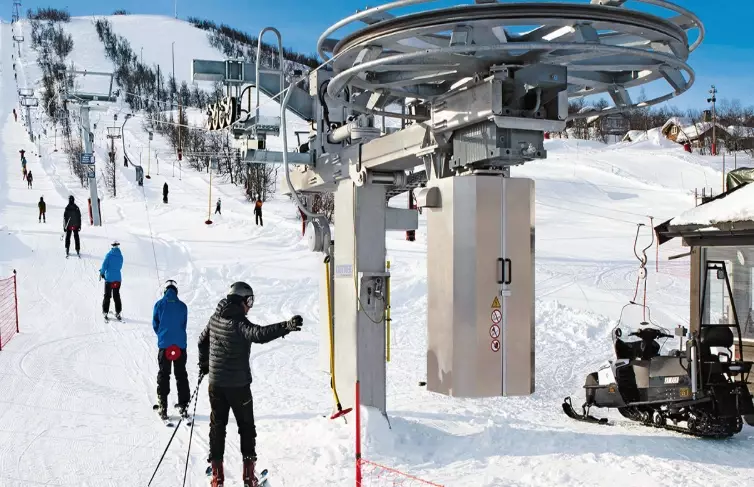
This might be the most practical factor. A mountain can have amazing snow, but if you spend half your day in a lift line, the magic fades fast. Check the lift system. High-speed chairlifts and gondolas are a game-changer, especially on cold days or with tired legs.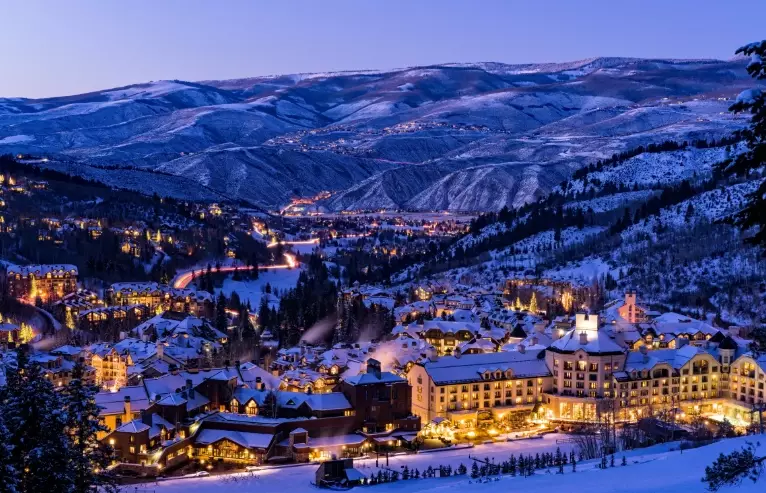
Research the typical crowd levels for your dates. Popular ski resorts near major cities can get absolutely slammed on weekends and holidays. If you can swing a mid-week trip, you'll often have the slopes to yourself. Also, look at the base village layout. Is it a sprawling mess where you need a shuttle to get from your hotel to the lifts, or is it a compact, ski-in/ski-out setup? That convenience adds a ton of value, especially with kids or heavy gear.
And snowmaking. Don't ignore it. Even in the snowiest regions, a warm spell can happen. Resorts with extensive, modern snowmaking can guarantee a decent surface when nature doesn't cooperate. It's the difference between a great trip and a cancelled one.
The Vibe: Après-Ski and Atmosphere
What do you want your après-ski to look like? This is where ski resorts diverge wildly.
- The Family-Friendly Fortress: Think places like Northstar in California or Smugglers' Notch in Vermont. The focus is on kids' programs, family activities, and a relaxed, safe atmosphere. The nightlife is tame, and that's by design.
- The Party Mountain: Resorts like Aspen or Whistler have legendary après-ski scenes. Loud music, packed bars, and a vibrant nightlife. Perfect if your idea of fun includes dancing in your ski boots.
- The Purist's Paradise: Some smaller, independent ski resorts, often in Europe or tucked away in New England, are all about the skiing. The lodging might be simple, the food hearty, and the entertainment self-made. The charm is in the authenticity.
There's no right answer, but picking a vibe that matches your group's energy is crucial. A rowdy party scene might overwhelm a family with young kids, while a quiet mountain might bore a group of twenty-somethings.
Top Ski Resorts Around the World: A Curated List for Every Type of Skier
Instead of just listing the biggest names, let's categorize them by what they do best. This table compares some of the world's most iconic ski resorts across key criteria to help you visualize the differences.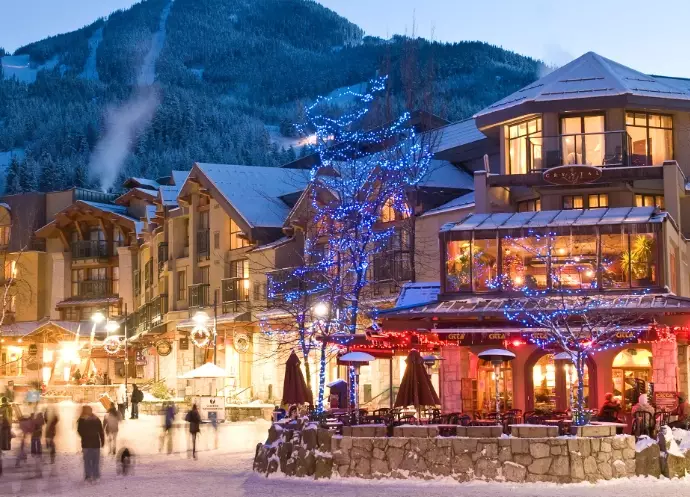
| Resort & Region | Best For | Terrain Highlights | Vibe & Notes |
|---|---|---|---|
| Whistler Blackcomb, Canada | Variety & Scale Seekers | Massive interconnected terrain (8,171 acres). Epic high-alpine bowls, long tree runs, dedicated learning areas. | Vibrant, international village with world-class dining and nightlife. Can feel busy. A true destination resort. |
| Zermatt, Switzerland | Scenery & Long Seasons | Car-free village, stunning Matterhorn views. High-altitude skiing often lasts into spring/summer. Reliable snow. | Charming, traditional Alpine atmosphere with luxurious touches. Expensive but unique. Check the Switzerland Tourism site for travel planning. |
| Park City Mountain, USA | Convenience & Intermediates | One of the largest ski areas in the U.S. (7,300+ acres). Mostly gentle, rolling terrain perfect for cruising. | Ski-in/ski-out access from a historic mining town. Home to the Sundance Film Festival. Great for families. |
| Niseko, Japan | Powder Hounds | Legendary, light-as-feather powder snow (Japow!). Extensive tree skiing. Not as steep as some North American resorts. | Unique cultural blend of Japanese and international influences. Onsen (hot springs) are a must after skiing. |
| Jackson Hole, USA | Expert Adventurers | Famous for steep, challenging terrain like Corbet's Couloir. Also has great intermediate areas, but reputation is for experts. | Rugged, Western cowboy atmosphere. Town of Jackson is authentic and fun. Not for the faint of heart. |
| Val Thorens, France | Snow Surety & Value | Part of the vast Trois Vallées. Highest altitude major resort in Europe, guaranteeing good snow. Endless linked runs. | Modern, purpose-built resort. Fantastic for ski-focused trips and groups. Can feel less "charming" than older villages. |
See how different they are? A beginner would have a blast at Park City but might feel in over their head at Jackson Hole. A powder enthusiast would choose Niseko over almost anywhere else on earth.
My personal favorite for an all-around amazing experience? It's hard to beat Whistler for sheer scope. But I have a soft spot for the smaller, community-run ski resorts in British Columbia, like Whitewater or Red Mountain. They're less polished, but the soul is undeniable.
Planning Your Ski Trip: A Step-by-Step Guide That Won't Miss a Thing
Okay, you've got a shortlist of potential ski resorts. Now what? The planning phase is where you save money, avoid stress, and set yourself up for success. Let's walk through it.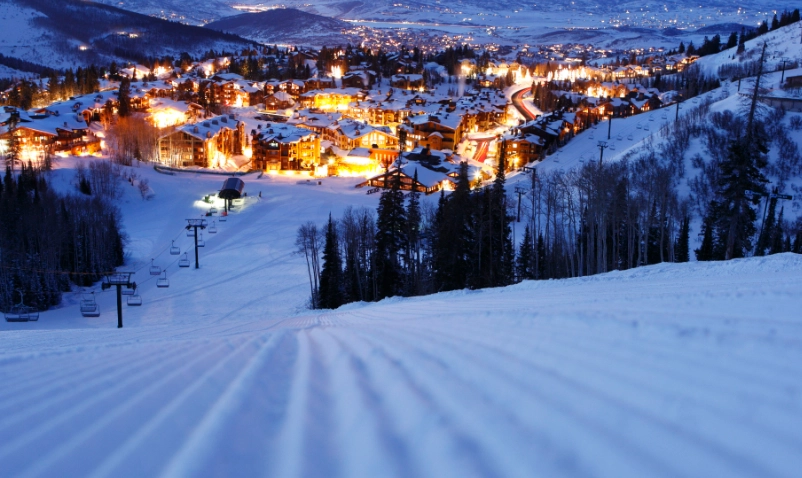
When to Book (It's Earlier Than You Think)
The old rule was to book by Thanksgiving for the winter season. Now, with demand what it is, you should be looking in late summer or early fall for the best deals on lodging and flights, especially for peak periods like Christmas, President's Week, or spring break.
Lift tickets are a different beast. The days of walking up to the window are the most expensive way to ski. Always, always buy online in advance. Many resorts offer significant discounts for purchases made 7-14 days ahead. Also, look into multi-resort passes like the Epic Pass or Ikon Pass. If you're planning more than a few days of skiing in a season, they can offer incredible value and flexibility, but read the fine print on blackout dates.
Gear: Rent, Demo, or Bring?
This is a big one for beginners and casual skiers.
- First-Timers: Rent at the resort or from a shop in town. Package deals that include skis, boots, poles, and a helmet are cost-effective. It lets you try the sport without a huge investment.
- Intermediate Skiers: Consider demo-ing high-performance skis. For maybe $20-30 more per day than a standard rental, you can test different models (all-mountain, powder, carving) to see what you like. It's like a test drive.
- Advanced/Regular Skiers: You likely have your own gear. But if you're flying, weigh the airline bag fees against the cost of renting high-end demos. Sometimes, especially for a short trip, renting is less hassle.
Don't forget the non-ski gear! A good packing list includes:
- Base Layers: Merino wool or synthetic. Cotton is the enemy—it gets wet and stays wet.
- Insulating Mid-Layer: A fleece or lightweight puffy jacket.
- Waterproof Outer Layer: Ski jacket and pants. This is non-negotiable.
- Accessories: Gloves/mittens, neck gaiter, goggles (with low-light and sunny lenses), warm socks, and sunscreen. The sun reflects off the snow!
Saving Money on Your Ski Vacation (Yes, It's Possible)
Skiing has a reputation for being expensive. It can be. But it doesn't have to bankrupt you. Here are the real, actionable ways to cut costs.
First, look beyond the mega-resort. Smaller, independent ski resorts often have much more reasonable lift ticket prices, cheaper lodging, and shorter lines. You might sacrifice some vertical drop or fancy village amenities, but you gain a more authentic, relaxed experience. In Colorado, think Loveland or Arapahoe Basin instead of Vail. In the East, consider Bolton Valley or Cannon Mountain.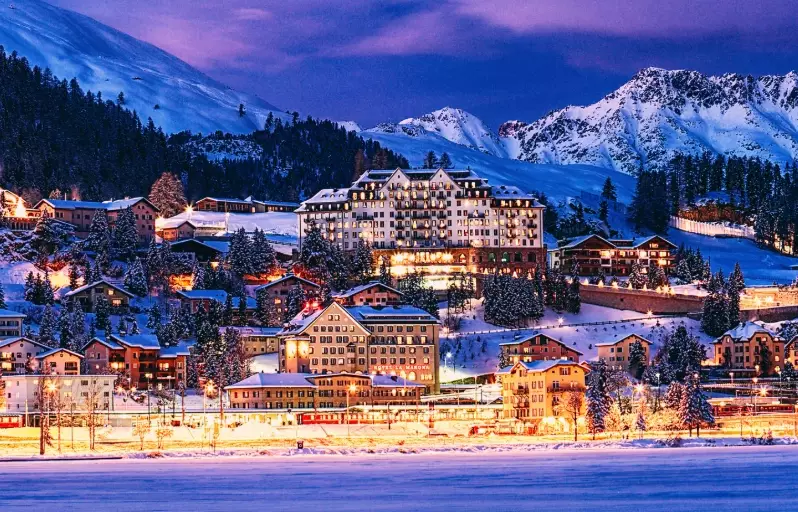
Second, food. Resort cafeteria food is pricey and often mediocre. Pack a backpack with snacks, a sandwich, and a water bottle. Have a big breakfast at your lodging, snack on the mountain, and save your money for a nice dinner in town. Many ski resorts have picnic areas or lodges where you can eat your own food.
Third, lessons. Group lessons are far more affordable than private ones. For beginners, they're actually better—you see others making the same mistakes, and it's less pressure. For kids, check out multi-day programs; they're usually the best value and give them a consistent instructor.
Staying Safe on the Slopes: It's More Than Just Helmet
Safety is the least glamorous but most important part of the discussion. The International Ski Federation (FIS) has ten rules for conduct on the slopes that are recognized worldwide. They're worth reading, but the spirit boils down to three things: Control, Awareness, and Courtesy.
The skier or snowboarder ahead of you has the right of way. It's your responsibility to avoid them. Always look uphill before merging onto a trail or starting a run. If you're stopping, move to the side of the run, not in the middle of a blind corner.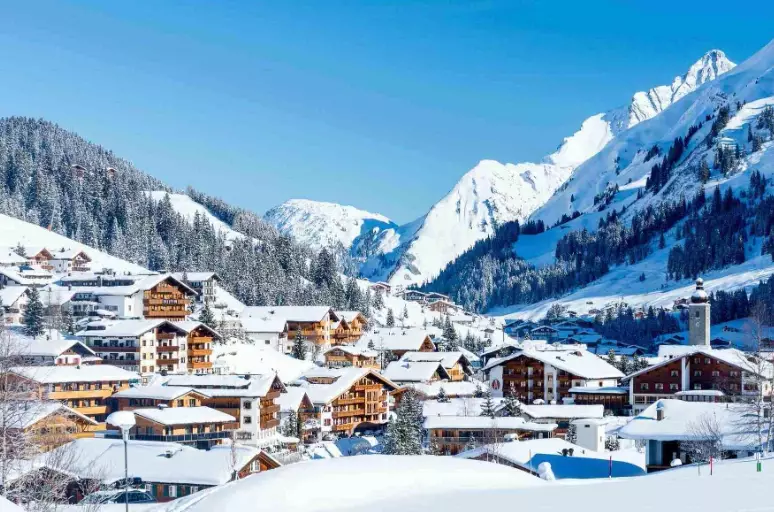
Honestly, one of the biggest dangers I see isn't the terrain, but fatigue. People try to squeeze in "one last run" when their legs are jelly and their focus is gone. That's when mistakes happen. Listen to your body. Take breaks. Stay hydrated. Altitude can also be a real factor at high-elevation ski resorts—drink plenty of water, go easy on the alcohol, and know the signs of altitude sickness.
And yes, wear a helmet. It's just common sense now. It doesn't make you invincible, but it significantly reduces the risk of a serious head injury.
Frequently Asked Questions (FAQs)
What is the best month to go skiing?
It depends on what you want. For reliable snow coverage across most of North America and Europe, January through March is typically the safest bet. February often has the best combination of good snow and decent weather (though it can be cold!). Late March and April offer longer days, softer snow, and often cheaper rates—this is "spring skiing," which has a fantastic, festive vibe. Early season (December) can be a gamble with snow coverage.
Are ski resorts good for complete beginners?
Absolutely. In fact, modern ski resorts are incredibly beginner-friendly. Look for ones with dedicated beginner areas—separate, gentle slopes served by their own slow lifts, often with magic carpets (conveyor belts). These areas are less intimidating. Taking a lesson is the single best investment a beginner can make. It will accelerate your learning, teach you safety basics, and make the whole experience more fun. Don't try to learn from a friend or partner; it often leads to frustration for everyone.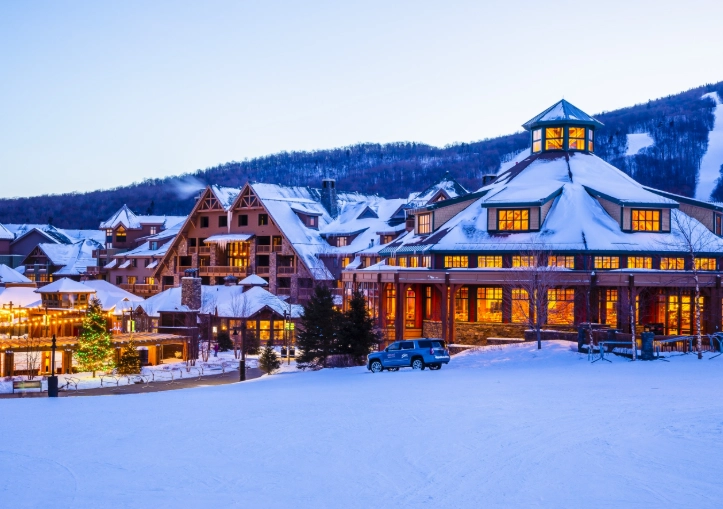
How many days of skiing is enough for a trip?
For a first trip, 2-3 days of skiing is perfect. It gives you time to learn without being completely exhausted. For intermediate and advanced skiers, 4-5 days allows you to really explore a large resort and settle into a rhythm. More than 5-6 days in a row, and most people's legs start to protest unless they're in excellent shape. Build in a rest day to explore the local town, go snowshoeing, or just relax in the hot tub.
Is it better to stay slope-side or in a nearby town?
This is a classic budget vs. convenience trade-off. Staying slope-side (ski-in/ski-out) is incredibly convenient, especially with kids, gear, or if you want to take midday breaks. You pay a premium for it. Staying in a nearby town (like staying in Frisco for Breckenridge, or SLC for Park City) is almost always cheaper and offers more dining/nightlife variety. The trade-off is a daily commute (20-45 mins) and often paying for parking. For a short trip or with a family, I lean towards the convenience of slope-side. For a longer trip with a group of adults, the savings and variety of a town can be worth the drive.
So there you have it. A mountain of information, hopefully distilled into something useful. The world of ski resorts is vast and varied, and that's what makes it so exciting. There's a perfect mountain out there waiting for your tracks. Do your homework, ask the right questions, and focus on the experience you want to have.
The snow is calling. Now you're ready to answer.