Quick Guide
- What Kind of Ski Resort Jobs in Europe Are Out There?
- The Step-by-Step Hunt: How and When to Apply for European Ski Jobs
- The Big Hurdle: Visas, Permits, and Legal Stuff for Non-EU Citizens
- Money Talks: Salaries, Costs, and Can You Actually Save?
- Life on the Ground: The Unfiltered Pros and Cons
- Final Thoughts Before You Hit Apply
- Your Burning Questions Answered (The FAQ)
Let's cut right to the chase. You're thinking about spending a winter in the mountains, getting paid to be around snow, and maybe even skiing or snowboarding on your days off. Sounds like a dream, right? I thought so too, years ago. I packed my bags for a French resort, visions of powder days dancing in my head. The reality? It was equal parts magical and brutally hard work. The communal living, the early mornings scraping ice off lift gates, the sheer physical exhaustion—nobody talks about that enough. But also, the friendships forged in mountain bars, the insane beauty of a sunrise over untouched pistes, and the feeling of earning your turns. That's what this guide is for. To give you the real picture of finding ski resort jobs Europe is famous for, not just the Instagram version.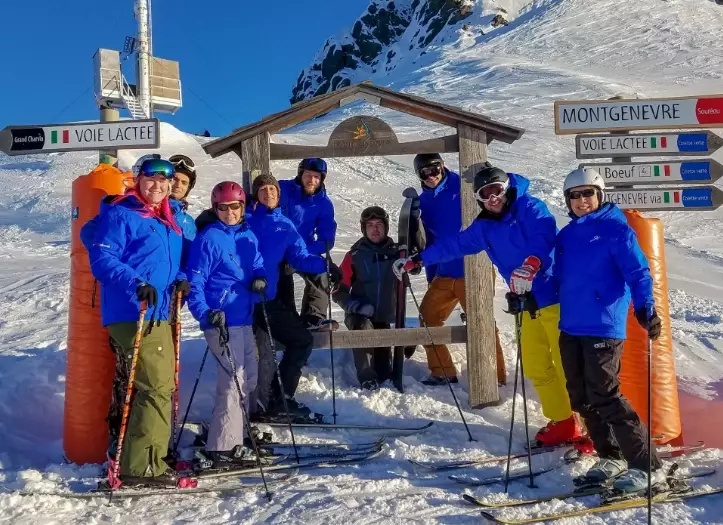
Why listen to me? I've done the season. I've hired people for seasons. I've seen friends thrive and others crash and burn by November. This isn't a theoretical listicle; it's a boots-on-the-ground manual for making it work. We'll cover the jobs everyone wants (and the ones they don't), the exact steps to get hired, the visa headaches for non-Europeans, and what you'll actually earn and spend. Forget the glossy brochures. Let's get into the gritty, glorious details of working a winter in the Alps, the Pyrenees, or the Dolomites.
What Kind of Ski Resort Jobs in Europe Are Out There? (Spoiler: More Than Just Instructing)
When people dream of ski resort jobs in Europe, they often picture themselves as a ski instructor, gracefully carving down a red run. That's one path, but it's a crowded and certified one. The ecosystem of a major resort needs hundreds of roles to function. Seriously, think of it as a small, vertical city that needs feeding, cleaning, entertaining, and maintaining.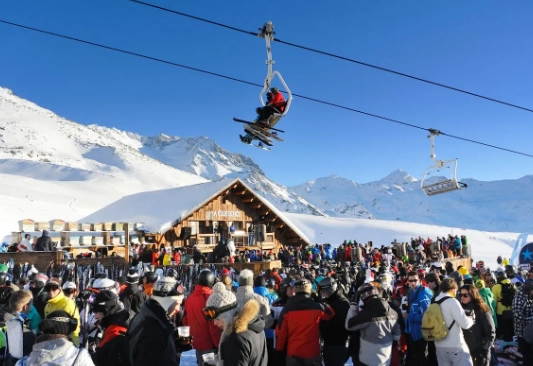
I've broken down the main categories. Some require specific qualifications, others just require a solid work ethic and a smile (even at 5 AM).
Front-of-House & Hospitality Roles
This is the backbone of resort employment. Hotels, chalets, and restaurants need staff for the entire winter season. These jobs are often the easiest to land for first-timers without specific ski qualifications.
- Chalet Host: This is the classic. You cook, clean, and host a small group of guests in a catered chalet. You need to be a decent cook (think hearty breakfasts and afternoon cakes, not Michelin-star dinners), incredibly organized, and have the patience of a saint. Companies like Alpine Elements or Skiworld recruit heavily for these. The perks? Often your own room (a luxury!), free ski pass, and tips. The downside? You're on call almost 24/7 for your guests.
- Hotel Staff: Think receptionists, waiters/waitresses, bartenders, and housekeepers. Big resort hotels hire dozens. Language skills are a massive plus here—speaking French in Chamonix or German in St. Anton will open doors. The work is standard hospitality, but your "office" view is unbeatable.
- Restaurant & Bar Crew: From fancy mountain-top restaurants to the rowdy pub at the base of the slopes. These jobs are social, tips can be good, and shifts often align with ski lift hours, giving you time on the mountain.
Mountain Operations & Ski-Specific Jobs
These jobs get you out on the mountain itself. Some are technical, others are about safety and customer service.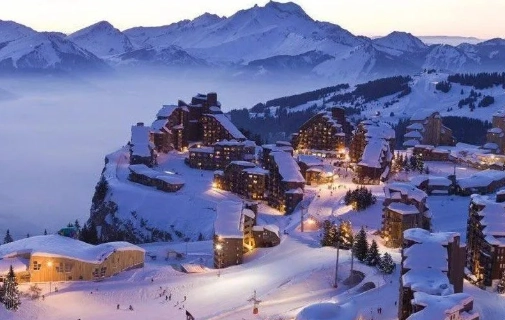
- Ski/Snowboard Instructor: The holy grail for many. To teach in Europe, you need a recognized qualification. For the EU, the International Ski Instructors Association (ISIA) outlines the standards. The British BASI or Canadian CSIA certifications are widely accepted, but you often need to convert or get local validation. It's a costly and time-intensive path, but for a career, it's worth it. As a first-year instructor, expect to teach a lot of terrified kids on the nursery slopes.
- Lift Operator: Underrated role! You're the face of the mountain, helping people on/off lifts, managing queues, and doing basic maintenance. It's shift work, often in all weather, but you're first on the mountain and first in the lift line on your break. A great way to learn the resort inside out.
- Ski Patroller/Pisteur: The emergency responders of the slopes. This requires advanced medical training (like OEC or a European equivalent), expert skiing ability, and often avalanche safety certifications. These are highly respected, competitive, and serious jobs.
- Retail & Rental Technicians: Working in a ski/snowboard shop, fitting boots, tuning skis, and selling gear. If you're a gear nerd, this is fun. You get discounts and spend all day talking about skiing.
Behind-the-Scenes & Support Roles
Less glamorous, absolutely essential, and sometimes offering more regular hours.
- Drivers: Transporting guests from airports, shuttling staff, or driving snowcats for piste grooming (a highly skilled night job). You'll need the correct driver's license (often a D1 or equivalent for minibuses).
- Maintenance & Handypersons: Fixing everything from a broken boiler in a chalet to maintaining snowmaking equipment. Practical skills are gold in a mountain environment.
- Childcare (Nannies/Crèche Staff): Resorts with family clients need qualified childcare staff. This can offer more structured hours than other roles.
| Job Type | Typical Requirements | Perks & Realities | Best For... |
|---|---|---|---|
| Chalet Host | Food hygiene cert, cooking skills, driver's license a plus. | Free accommodation/pass, tips, but very long, immersive hours. | Sociable, resilient all-rounders who don't mind cleaning. |
| Ski Instructor | Level 1/2 certification (BASI, CSIA, etc.), fluency in resort language. | Paid to ski, career path, but high certification costs, seasonal income. | Advanced skiers committed to a long-term mountain career. |
| Lift Operator | Physical fitness, customer service smile, cold tolerance! | Maximum slope time, simple job scope, shift work. | First-season workers who want to ski every day. |
| Hotel Reception | Admin skills, fluent English + local language, calm under pressure. | Regular hours, indoor work, chance for career progression in hospitality. | Organized people who like fixed schedules. |
| Restaurant Staff | Previous experience, language skills, stamina for busy periods. | Social, cash tips, evenings free (sometimes). | Night owls and social butterflies. |
The Step-by-Step Hunt: How and When to Apply for European Ski Jobs
Timing is everything.
Miss the recruitment window, and you're left scanning notice boards in the resort in December, which is a stressful way to start. Most hiring for the winter season happens between March and September, with the peak for larger companies being June-August. Why so early? They need to process visas, arrange accommodation, and run training courses before the first snow flies.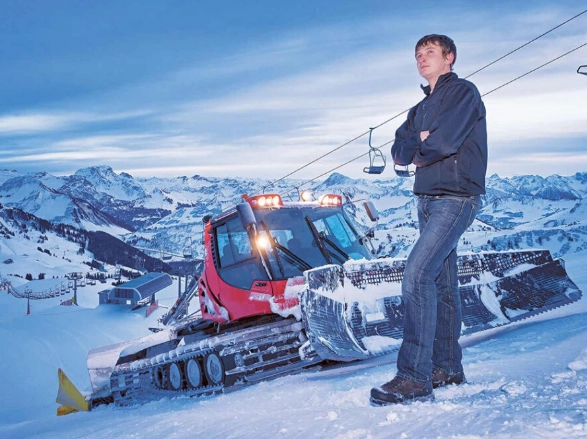
Where to Look: The Major Channels
1. Direct with Major Tour Operators: If you want a package deal (job, flight, accommodation, ski pass), this is the safest route for newcomers. Companies like Crystal (now part of TUI), Inghams, or the ones mentioned earlier recruit thousands. They have formal application portals on their websites. The process is professional, but you're a small cog in a big machine.
2. Resort-Specific Recruitment Sites & Job Boards: Many large resort groups have their own job sites. For example, check the careers page of Compagnie des Alpes (which runs many French resorts) or local tourism boards. Generic sites like Season Workers or Jobs in the Alps are also useful, but vet the employers carefully.
3. Going Direct and Local: This is the advanced method. Once you know which resort you're targeting, find the email addresses for hotel managers, restaurant owners, and small independent chalet companies. A personalized email (in the local language if you can) sent in early September can work wonders. This is how you find the gems that aren't advertised globally.
4. Networking & Word of Mouth: The ski industry runs on this. Know someone who did a season? Talk to them. Join Facebook groups like "Siki Season Jobs" or resort-specific groups. Often, jobs are filled because someone recommended a friend. It's not always fair, but it's real.
The Big Hurdle: Visas, Permits, and Legal Stuff for Non-EU Citizens
This is the part that dashes many dreams, but with planning, it's surmountable. If you're an EU citizen, you have the right to work anywhere in the EU/EEA. Skip this section. For everyone else (UK post-Brexit, Australians, Canadians, Americans, New Zealanders, etc.), this is critical.
The rules are strict and vary by country. Working illegally is a terrible idea—you'll have no rights, risk deportation, and blacklist yourself. Here's a brutal truth: finding an employer to sponsor a work visa for a seasonal ski resort job is very difficult. They usually have to prove no EU citizen can do the job, which for most entry-level roles is impossible.
So, what are your options?
- Working Holiday Visas (WHV): This is your golden ticket. Countries like France, Austria, Switzerland, and others have bilateral agreements allowing young people (typically 18-30 or 35) from certain nations to live and work for 1-2 years. You must apply for this from your home country before you travel. Check your government's travel advice page and the official EU immigration portal for the most current info. For Switzerland, go directly to the State Secretariat for Migration (SEM). Quotas fill up fast, often within minutes of opening. Be ready.
- Company Sponsorship: As mentioned, rare. More possible for highly skilled roles like senior ski instructors with specific qualifications, or for managers with proven experience.
- Student Visas: If you're enrolled in a course in an EU country, your visa may allow limited part-time work. Don't bank on this for full-time seasonal work.
- Freelance/Self-Employed Visas: Complex and require proving you have sufficient funds and a business plan. Not feasible for typical resort work.
| Country | Key Visa Route for Non-EU | Age Limit (Typical) | Critical Note |
|---|---|---|---|
| France | Working Holiday Visa (PVT) | 18-30 (35 for some) | Limited annual quota. Apply months in advance. |
| Austria | Working Holiday Visa | 18-30 | Requires proof of funds and health insurance. Check Austrian Foreign Ministry. |
| Switzerland | Short-Term L Permit (tied to employer) | N/A | Extremely difficult for non-EU. Quotas are tiny. EU citizens have priority. |
| Italy | Working Holiday Visa | 18-30 | Available for certain nationalities. Proof of accommodation needed. |
Money Talks: Salaries, Costs, and Can You Actually Save?
Let's talk numbers, because the fantasy of skiing all day and partying all night is expensive. Most ski resort jobs in Europe pay a monthly salary, not an hourly wage. And that salary is often... modest. You're trading maximum cash for the lifestyle.
Here's a rough, honest breakdown for a typical first-season role (like chalet host or lift op) in a major Alpine resort:
- Monthly Net Salary: €1,200 - €1,800. This is what hits your bank account after taxes and social charges (which are often deducted at source in Europe).
- What's Provided: This is key. Most live-in positions provide accommodation and a season ski pass. These are the two biggest expenses. If you get these for free, your €1,500 goes a lot further. If you have to rent privately and buy a pass, you could be spending €1,000+ a month just on those.
- Other Perks: Often include meals (at least on duty), uniform, sometimes travel contributions, and equipment discounts.
The Cost of Living in a Resort
Resorts are expensive. A coffee can be €5, a pint €8. Your social life will drain your wallet if you're not careful. Budget for:
- Food & Drink (off-duty): €200-€400/month if you're sensible and cook in your shared apartment.
- Equipment & Repairs: Hopefully you have your own gear. If not, season rentals are a cost.
- Travel & Insurance: Health insurance is mandatory. Travel to/from the resort at season start/end.
- Incidentals: Phone bill, toiletries, the occasional apres-ski beer you can't resist.
The bottom line?
Can you save money? Probably not a lot in your first season. Your goal should be to break even and live an incredible experience. Any savings are a bonus. The financial reward comes in subsequent seasons with promotions, tips, or moving into better-paid roles like instructing. I saved maybe €500 by April, but the value was in the experience, not my bank balance.
Life on the Ground: The Unfiltered Pros and Cons
Okay, you've got the job, the visa, you've arrived. What's it really like?
The Good (The Really, Really Good)
- The Skiing/Snowboarding: Obvious, but it never gets old. First tracks on a powder day, exploring the whole vast area, improving your skills massively. This is the core of the dream, and it delivers.
- The Community: You're thrown together with hundreds of other seasonal workers from all over the world. You'll make friends for life in this pressure cooker environment. The parties are legendary.
- The Scenery & Lifestyle: Walking to work in crisp mountain air, watching the sun set over peaks, the peace of a mountain morning. It re-sets your nervous system.
- Career Springboard: It looks great on a CV. It teaches you resilience, adaptability, customer service, and teamwork under pressure. Many people use it as a launchpad into travel, hospitality, or the outdoor industry.
The Challenging (The Stuff They Don't Highlight)
- Physical & Mental Fatigue: The work is often physically demanding. You're on your feet all day, carrying things, in the cold. The season is long (Nov-April). By March, the "seasonnaire flu" and general burnout are real. It's not a 9-5; it's a lifestyle that consumes you.
- Cabin Fever & Isolation: You're in a small, remote town. The same faces, the same few bars. It can feel claustrophobic. If you clash with your housemates, there's no escape. You need to be okay with small-town life.
- Financial Pressure: As discussed, money is tight. Seeing wealthy holidaymakers splash cash can create a weird dynamic.
- Missing Home: You'll miss family events, birthdays, and your home comforts. Christmas and New Year are your busiest work periods.
Your Burning Questions Answered (The FAQ)

Final Thoughts Before You Hit Apply
Working a ski season in Europe is a cliché for a reason. It's a rite of passage that offers a unique blend of hard work, incredible play, and personal growth you won't find in a standard job. It will test you, exhaust you, and sometimes frustrate you. But it will also expand your world, give you stories for a lifetime, and quite possibly change the direction of your life.
The key is to go in with your eyes wide open. See it not as an extended vacation, but as a unique working adventure. Be prepared to work hard, be cold, be tired, and be emotionally stretched. In return, you'll get to call the mountains your office, build a global network of friends, and develop a resilience and confidence that comes from thriving in a challenging, beautiful environment.
Start your research now. Check those visa requirements first. Then, polish your CV, practice your language skills, and start scrolling those job boards. The mountain is waiting.
Maybe I'll see you out there on the slopes. Just don't blame me if your legs are burning by lunchtime—that part is all on you.