What You’ll Find in This Guide
Let's be honest. Day skiing is fantastic. The sun, the bluebird skies, the panoramic views. But have you ever strapped into your skis or board as the sun dips behind the mountains, watching the first stars pop out one by one? That's a different kind of magic altogether. Night skiing in Europe isn't just an extension of your ski day; it's a completely separate experience. The mountains transform. The crowds thin out. The air gets crisper. And the vibe? It shifts from sporty to something more... festive, intimate, and frankly, a bit more adventurous.
I remember my first proper night skiing experience. It was in Austria, years ago. I'd spent the day on crowded pistes, and by 4 PM, I was ready to call it. A friend dragged me out after dinner, promising "something else." He was right. Gliding down a perfectly groomed red run, with only the beam of my headlamp and the moon illuminating the snow, was surreal. The silence was deeper, broken only by the crunch of my edges. You feel more alone with the mountain. It's less about clocking vertical meters and more about the sensation. That's what this guide is about—helping you find that sensation across Europe.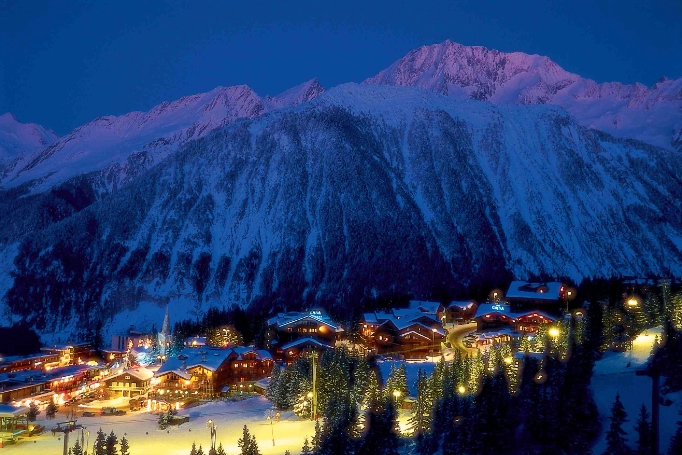
But where do you go? Not every resort offers it. And not all night skiing is created equal. Some is just a single floodlit beginner slope. Others offer miles of illuminated pistes that feel like a different world. This guide will cut through the noise. We'll look at the top spots, the practical stuff nobody tells you (like what to actually wear), and why seeking out night skiing Europe should be on your winter bucket list.
The Crown Jewels: Europe's Top Night Skiing Destinations
Alright, let's get to the good stuff. Where should you go for an unforgettable night skiing Europe adventure? I've skied a lot of these places, and I've also heard the horror stories from friends about places that promise "night skiing" but deliver a dimly lit, icy patch. We're avoiding those. This list focuses on resorts that do it properly, with decent terrain, good atmosphere, and that special something.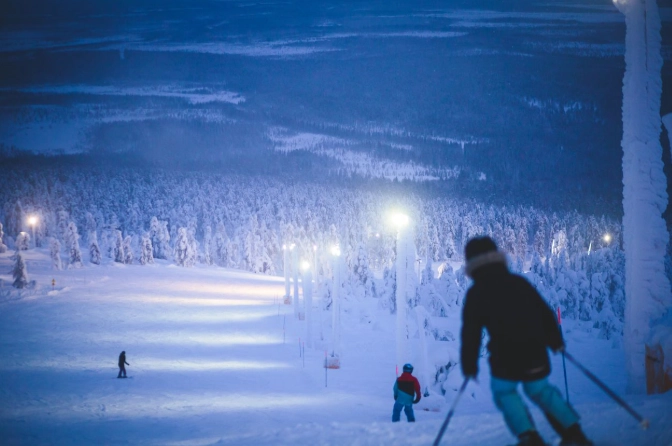
The Alpine Powerhouses
These are the big names, the resorts that have invested in serious infrastructure for night skiing.
Sölden, Austria is a beast. They don't just light a slope; they illuminate the entire Rettenbach glacier area on certain nights. We're talking about 20+ kilometers of lit pistes, up at 3,000 meters. It's cold, it's high, and the snow conditions are usually impeccable. The "Night Sky" events here are legendary, often with DJs at the mountain restaurants. It feels more like a high-altitude party that happens to involve skiing. The only downside? It can get busy, and it's not a nightly affair—check their event calendar.
Val Thorens, France, part of the massive Trois Vallées, holds the title of Europe's highest ski resort. That means their night skiing season is long, and the snow is reliable. They have a dedicated, floodlit area with a couple of runs and a magic carpet. It's more family-oriented and less of a rave than Sölden, but the quality is top-notch. Perfect if you want to squeeze in a few extra runs after your lunch break extends a bit too long.
Over in Livigno, Italy, they've got this great system. The Carosello 3000 area lights up several times a week. What I love about Livigno is the combo. You get fantastic, long cruising runs under the lights, and then you're right in the middle of an Italian town known for its tax-free shopping and *aperitivo* culture. The après-ski seamlessly becomes the night ski, which then seamlessly becomes more après-ski. It's a beautiful cycle.
The Hidden Gems & Local Favorites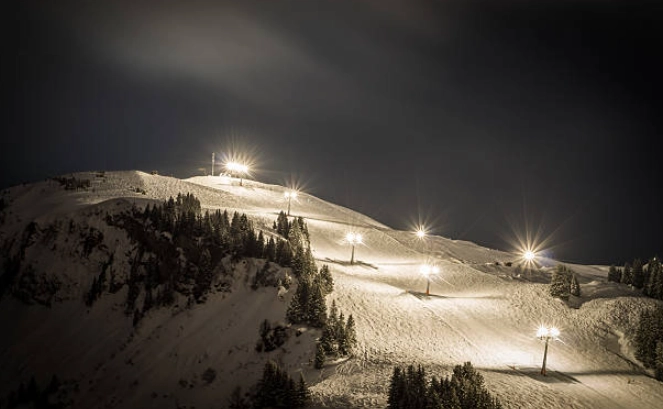
Sometimes the best experiences aren't at the mega-resorts. These places offer night skiing with more charm, fewer crowds, and often, a lower price tag.
Obergurgl-Hochgurgl, Austria calls theirs "Ski am Abend." It's a smaller, cozier affair on the Schermerspitze slope. This is classic, charming Austrian night skiing. It's not the biggest terrain, but the snow quality is almost always perfect (Obergurgl is famous for it), and the atmosphere at the bottom is pure gemütlichkeit—think mulled wine, traditional music, and everyone in a good mood. It feels authentic.
My personal dark horse for a unique night skiing Europe experience is Ruka, Finland. Okay, it's not the Alps. But hear me out. You're skiing under the stars in Finnish Lapland. For a large part of the winter, those "stars" include the Northern Lights dancing overhead. The runs are floodlit, but if the aurora is strong, they sometimes dim the lights. It's a mystical, almost spiritual experience. It's also cross-country skiing trails that are lit for kilometers, which is a whole other kind of peaceful magic. The Finnish Ski Area Association has great info on these unique Arctic experiences.
Then there's Bansko, Bulgaria. For value, it's hard to beat. The night skiing here on the Banderishka Polyana slope is lively, fun, and incredibly affordable by Western European standards. The terrain is good for intermediates, and the town of Bansko itself has a buzzing, unpretentious nightlife. It's a fantastic option if you're on a budget but don't want to compromise on the experience.
| Resort & Country | Night Skiing Area / Key Run | Typical Opening Days/Times | Vibe & Best For |
|---|---|---|---|
| Sölden, Austria | Rettenbach Glacier Area | Selected Fridays & Event Nights, 7 PM - 10 PM | Party, High-altitude adventure, Serious skiers |
| Val Thorens, France | Plein Sud / Moutière Sector | Weekly (often Wed & Fri), 6:30 PM - 9:30 PM | Families, Reliable snow, Convenient extra runs |
| Livigno, Italy | Carosello 3000 Sector | Multiple nights a week, 6:30 PM - 10:00 PM | Italian flair, Long cruisers, Shopping & dining combo |
| Obergurgl, Austria | Schermerspitze Slope | Once or twice a week, 7 PM - 10 PM | Charm, Authentic atmosphere, Snow surety |
| Ruka, Finland | Main Downhill & XC Trails | Daily during core season, 4 PM - 9 PM (varies) | Northern Lights, Unique Arctic experience, Peace |
| Bansko, Bulgaria | Banderishka Polyana Slope | Nightly in season, 6:30 PM - 10:00 PM | Value, Lively crowds, Beginner/Intermediate fun |
The Nitty-Gritty: Your Practical Night Skiing Europe Guide
So you've picked a resort. Now what? Night skiing requires a slightly different mindset and kit than day skiing. This isn't just about throwing on your day clothes and heading out. Getting this part wrong can turn a magical experience into a miserable, cold one.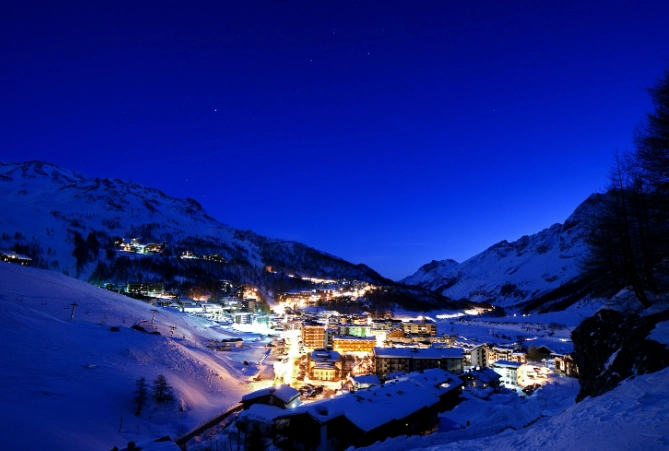
Gear: Seeing and Staying Warm
Visibility is the number one thing that changes.
Goggles: Your sunny-day lenses with a high VLT (Visible Light Transmission) are perfect. Yellow, rose, or clear lenses are ideal. Do not, under any circumstances, wear your dark, mirrored lenses. You'll be skiing in a tunnel. I've seen people try it. They either quit immediately or look like they're navigating by Braille.
Clothing: It gets cold. Really cold. That pleasant afternoon chill becomes a penetrating evening freeze. Layer up more than you think you need. A heavyweight baselayer, a insulated mid-layer, and your shell is the minimum. Don't forget your neck gaiter or balaclava. Your extremities get cold first—invest in good gloves (or mittens) and make sure your socks are warm and dry. A helmet is, in my opinion, even more crucial at night.
Safety & Slope Sense
The mountains are less forgiving in the dark. Your perception of speed, bumps, and other skiers changes.
First, know the terrain in daylight. If you can, ski the run you plan to tackle at night during the day first. Memorize where the flat sections are, where it gets steep, where the cat track merges. Surprises are not fun when your field of vision is limited to a pool of light.
Second, ski defensively. Assume others can't see you as well. Make predictable turns. The French Ski School's safety rules are a great refresher for any slope, day or night. Things like giving way to downhill skiers and looking uphill before merging are ten times more important after dark.
Third, stick to the lit pistes. This should be obvious, but the temptation to duck into the trees for a shortcut or some powder can be strong. Don't. The boundary between a lit piste and total darkness is razor-sharp, and off-piste hazards are invisible.
Costs & Logistics
Night skiing Europe usually isn't included in your standard 6-day lift pass. You'll typically need to buy a separate ticket, often for a 3-4 hour window. Prices range from about €15 in Eastern Europe to €25-€35 in the major Alpine resorts. Sometimes it's bundled with an evening sledging or tubing session.
How do you find the schedule? Don't rely on generic info. Go straight to the official resort website. Look for the "events" or "winter activities" calendar. The Austrian National Tourist Office site is a reliable starting point for Austrian resorts, but always double-check with the local lift company page for the current season's specifics.
Lift operation is another thing. Often, only one or two key lifts serving the floodlit area will be running. Don't expect the entire resort to be operational. This usually means a gondola or chairlift from the base, and then you're lapping the same one or two runs served by that lift.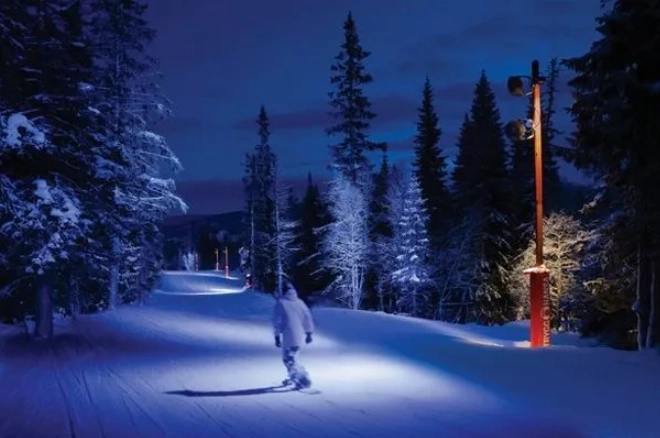
Beyond the Descent: The Full Night Skiing Europe Experience
If you just ski down, ride the lift, and repeat, you're missing half the point. Night skiing is about the entire ecosystem that comes alive after the day crowds leave.
Après-Ski, But Make It Mountain-Top
Many resorts open a mountain restaurant or hut specifically for the night skiing crowd. This isn't your rowdy, beer-spilling base bar. This is often a more intimate affair. Think shared tables, regional specialties from a reduced menu, glühwein (mulled wine), and a guitarist in the corner. In Sölden, it might be a DJ in a igloo-bar. In Obergurgl, it's likely a schnapps and a slice of kaiserschmarrn. The social aspect is huge. You're bonding with the other people who were adventurous enough to be out there.
My favorite memory isn't of a perfect turn, but of sharing a bottle of local red wine with two German couples and a Swiss family in a tiny hut in Hochgurgl, all of us flushed from the cold, comparing notes on our home resorts.
Alternative Night Activities
Many resorts pair night skiing with other activities. You might find:
- Floodlit toboggan runs: Often longer and faster than daytime ones. Pure, childish joy.
- Snowshoe or winter hiking trails: Guided walks with headlamps to a viewpoint for hot chocolate.
- Ice skating on lit rinks: The classic romantic winter activity, right in the village center.
- Stargazing sessions: Some resorts, especially those in remote areas with little light pollution, organize these. After your eyes adjust from the floodlights, the night sky can be breathtaking.
Answering Your Night Skiing Europe Questions (FAQ)
Making the Decision: Is Night Skiing in Europe For You?
Let's wrap this up. Night skiing Europe isn't for everyone. If your ideal ski day ends at 3 PM with a long bath and a book, it might not be your thing. If you have very young children who are exhausted by dinner, maybe save it for another year.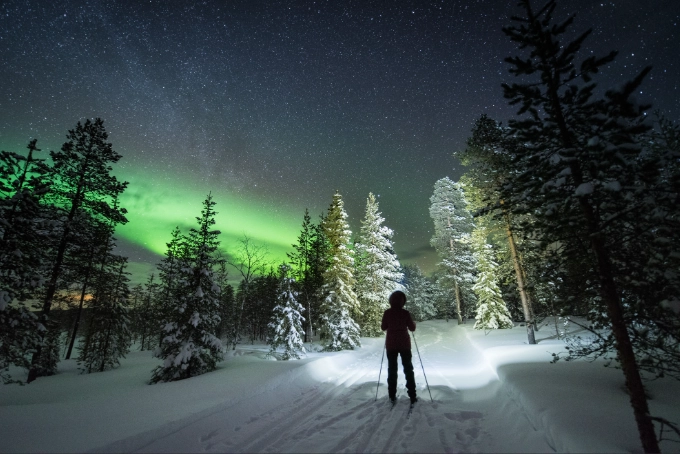
But if you're curious, if you want to see the mountains in a new light (literally), if you want to extend the ski feeling into the evening without just sitting in a bar, or if you're looking for a way to avoid crowds and experience a more local, festive atmosphere—then you should absolutely try it.
Start small. Pick a resort known for it. Book a hotel nearby so you're not dealing with a long, cold drive afterwards. Layer up. Choose a lens you can see through. And just go.
The first run might feel strange. Your eyes are adjusting, your brain is processing the limited visual info. But by the second or third lap, something clicks. You stop seeing the darkness and start seeing the trail of light. You hear your breathing. You feel the rhythm of your turns. You look up and see the Milky Way smeared across the sky above the floodlights.
That's the moment. That's what makes seeking out the best night skiing Europe has to offer worth every bit of planning. It's not just another ski run. It's a memory you'll keep long after your ski legs have faded. It's the mountain, shared with just a few others, under a ceiling of stars. Now you know where to find it.