In This Guide
- Beyond the Hype: How to Spot a Truly Green Ski Resort
- A Closer Look at Standout Eco Friendly Ski Resorts Around the Globe
- The Nuts and Bolts: What "Green" Actually Looks Like on the Ground
- Your Role as a Skier: How to Be a Part of the Solution
- Navigating Green Certifications and Labels
- Answering Your Big Questions About Eco Friendly Skiing
- Wrapping It Up: Your Action Plan for a Greener Ski Trip
Let's be honest. You love skiing. The rush of cold air, the crunch of snow under your boots, that feeling of flying down a pristine slope. But lately, maybe you've looked at those stunning mountain views and felt a pang of guilt. You've read the headlines about shorter seasons, seen the photos of retreating glaciers. You're wondering if your passion is part of the problem.
I've been there. Staring at a resort's website, seeing the word "sustainable" splashed everywhere, but feeling completely lost. What does it even mean? Is it just marketing, or are they actually doing something?
That's why I spent the last few years digging deep, visiting places, talking to mountain managers, and sifting through environmental reports. I wanted to find the real deal – ski resorts that aren't just green on paper, but in practice. This isn't about shaming anyone or promoting perfection. It's a practical guide for skiers and snowboarders who want to make a better choice, without sacrificing the joy of the sport.
So, what makes a ski resort truly eco friendly? It's a mix of big-picture thinking and a thousand small actions. It's energy, waste, water, community, and how they treat the very land they operate on.
The Core Idea: A genuine eco friendly ski resort operates on a model of stewardship. It views the mountain environment not as a resource to be exploited, but as a partner to be protected for future generations of skiers and the local ecosystem. It's about minimizing harm and actively contributing to the health of the region.
Beyond the Hype: How to Spot a Truly Green Ski Resort
Anyone can put a pine tree logo on their brochure. Cutting through the greenwashing is the first, and maybe hardest, step. I've learned to look for specifics, not just slogans.
First, check their energy. Where does the power for those massive chairlifts and snowmaking guns come from? Leading eco friendly ski resorts are now powered by 100% renewable energy – think wind, solar, or hydropower purchased or generated on-site. Some even feed excess energy back into the local grid.
Then, look at snowmaking. Traditional snowmaking is a huge water and energy hog. The best places now use highly automated, weather-prediction-driven systems. They only make snow when absolutely necessary, using reclaimed water where possible, and have invested in the most energy-efficient guns on the market. It's a massive upgrade from the old blanket-coverage approach.
Waste is another huge tell. Does the resort have a comprehensive zero-waste-to-landfill program? I'm talking about sorting stations everywhere, composting food waste from all their restaurants, banning single-use plastics, and having clear partnerships with recycling facilities. I visited one place where they even recycled their old lift cables and ski patrol toboggans into art and furniture. That's commitment.
But it goes deeper than operations. How does the resort interact with the local community and environment? Do they source food locally for their cafeterias? Do they run free shuttles to cut down on traffic and parking lot emissions? Do they have robust carpool incentives? What about summer operations – do they work to restore alpine meadows, maintain hiking trails, and protect wildlife corridors?
One of the most revealing things you can do is look for third-party certifications. These are audits, not self-praise.
Pro Tip: Don't just rely on the resort's own "Eco" page. Search for their name alongside "sustainability report" or "environmental impact assessment." Many serious resorts publish detailed annual reports that are far more informative than their marketing copy. It's dry reading, but the numbers don't lie.
A Closer Look at Standout Eco Friendly Ski Resorts Around the Globe
Okay, theory is great, but let's talk about real places. These aren't just my favorites; they're consistently recognized by environmental groups for walking the walk. Each has a slightly different focus, which I find fascinating.
In Europe, the Alps have become a real hotspot for innovation, partly because they're feeling the effects of climate change so acutely.
Switzerland's Pioneers: Places like Saas-Fee and Zermatt have long banned petrol cars in their villages, forcing reliance on electric transport. The entire Jungfrau region in Switzerland has a coordinated sustainability plan that's pretty impressive, covering multiple resorts. They're big on hydroelectric power, which makes sense given the terrain.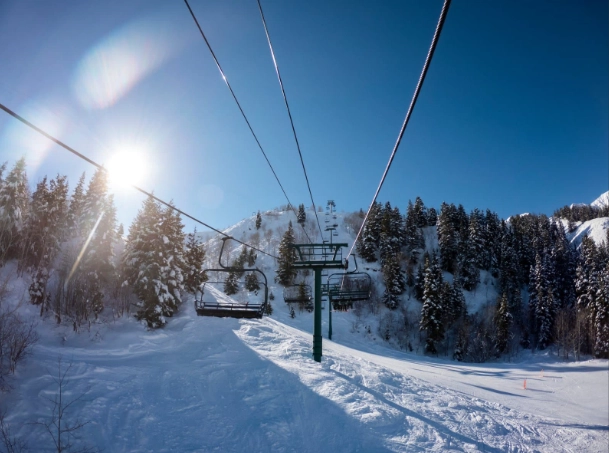
Austrian All-Rounders: Kitzbühel and the SkiWelt Wilder Kaiser - Brixental area are massive, interconnected circuits. Their big win is efficiency. They've invested heavily in modern, low-energy lifts and integrated public transport so seamlessly that you often don't need a car at all. Their snowmaking systems are among the most advanced in the world, meaning they use less water and energy to achieve more reliable coverage.
Over in North America, the approach is often more grassroots and community-focused.
The Vermont Standard: Bolton Valley in Vermont is a family-run gem that's been doing this for decades. They're 100% wind-powered, have an on-site farm that supplies their restaurant, and their entire culture is built around low-impact enjoyment. It's not the biggest mountain, but it might be one of the most authentic eco friendly ski resorts I've visited.
The Colorado Contender: Aspen Snowmass deserves a mention not just for their own operations (which are strong – they were one of the first to buy wind power credits at scale), but for their advocacy. They fund climate research, are deeply involved in local forest health projects, and use their platform to push for broader industry change. It's sustainability with influence.
And then there's Japan. Niseko United in Hokkaido has made huge strides in waste management and promoting local Hokkaido produce across their vast resort area. The deep, deep powder helps, but they know they have to protect the environment that creates it.
To make it easier to compare, here's a breakdown of how some leading contenders stack up in key areas. Remember, no resort is perfect in every column, but the leaders score highly across the board.
| Resort (Region) | Energy & Carbon | Water & Snowmaking | Waste & Circularity | Transport & Access | Unique Green Feature |
|---|---|---|---|---|---|
| Saas-Fee (Switzerland) | 100% local hydro power. Electric vehicles only in village. | Uses meltwater lake for snowmaking. High-efficiency systems. | Strong recycling. Focus on durable goods. | Train to village, then electric buses/taxis. No private cars. | The "ice pavilion" glacier research station funded by tourism. |
| SkiWelt (Austria) | 100% green electricity (hydro/wind). Solar on lift stations. | Industry-leading, AI-optimized snowmaking. Uses 30% less water/energy. | Comprehensive waste sorting. "Refill not landfill" water initiatives. | Best-in-class bus network. One lift pass covers all regional buses. | Massive interconnected area reduces need for road travel between bases. |
| Bolton Valley (USA, VT) | 100% wind-powered via credits. Energy-efficient lodge retrofits. | Efficient snowmaking focused on key trails. Natural snow reliance. | On-site composting. Minimal single-use items. | Limited but walkable village. Strong carpool culture encouraged. | On-site farm-to-table food. A truly integrated local model. |
| Niseko (Japan) | Increasing renewable purchase. Focus on efficiency in buildings. | Uses abundant natural snowfall. Efficient guns for base building. | Excellent separation & recycling. Food waste to compost. | Shuttle network between villages. Train access from Sapporo. | Strong promotion of local Hokkaido food & crafts, supporting regional economy. |
See? It's about a portfolio of actions. One resort might excel at energy, another at waste, another at building a car-free ecosystem. The best ones are working on all fronts.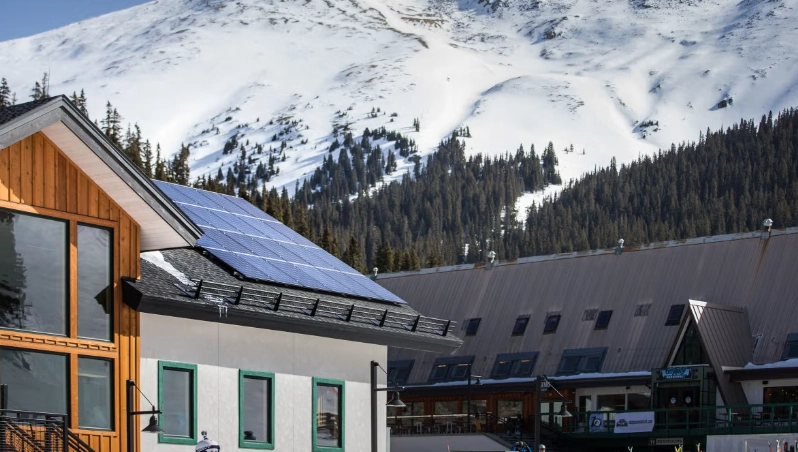
The Nuts and Bolts: What "Green" Actually Looks Like on the Ground
Let's get even more specific. When you're actually at one of these eco friendly ski resorts, what should you notice? What are the tangible differences?
Lift Infrastructure and Slope Management
Old, slow, diesel-powered drag lifts are pretty much extinct at forward-thinking resorts. They've been replaced by high-speed, energy-efficient detachable chairlifts or gondolas. Some even have lifts with regenerative drives that capture energy as the chairs descend. Smart, right?
Slope management is also key. This means thoughtful trail design that works with the natural contours of the land, minimizing earthmoving and deforestation. It means protecting sensitive areas like wetlands and wildlife habitats, even if it means leaving a tempting slope ungroomed. In summer, many of these resorts aren't closed – they're busy with reforestation projects, trail maintenance for hikers, and erosion control.
The Buildings and Lodges
You can feel it when you walk into a lodge built with sustainability in mind. They're often constructed with local, natural materials like stone and timber. They have great insulation (so they don't waste heat), big windows for passive solar gain, and green roofs. The bathrooms have low-flow faucets and toilets. The lighting is all LED, often motion-sensor controlled.
The food is a big part of it, too. The cafeteria isn't just serving generic, frozen, shipped-from-far-away burgers. There's a focus on local, organic, or at least regional produce. You'll see labels like "beef from the local valley" or "cheese from the dairy down the road." It tastes better, and it massively reduces the carbon footprint of your lunch.
A word of caution: Just because a resort has one "eco-lodge" doesn't mean the whole operation is green. I've seen places where they build a stunning, sustainable flagship hotel, but then the rest of the mountain's operations are business-as-usual. Look for resort-wide policies, not just showcase projects.
Getting There and Getting Around
This is arguably the biggest piece of the carbon puzzle for any ski trip – the travel to the resort. The most eco friendly ski resorts actively work to solve this. They partner with national railways to offer combined ski-train tickets. They run frequent, free, or cheap electric or biofuel bus shuttles from nearby transport hubs and between village areas.
Once you're there, the goal is to keep your car parked. A well-designed resort village means you can walk or take a quick shuttle to the lifts, your lodging, and the restaurants. Some even offer discounts on your lift pass if you show proof of arriving by train or carpooling.
It's a different rhythm. Instead of fighting for a parking spot at 8 AM, you're having a coffee while waiting for the shuttle. It's less stressful, honestly.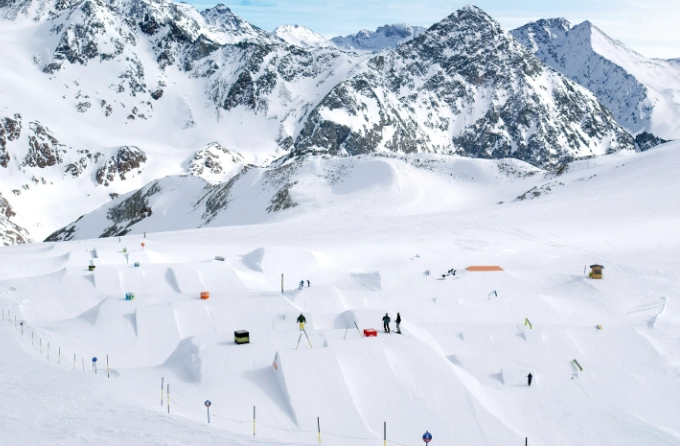
Your Role as a Skier: How to Be a Part of the Solution
Choosing an eco friendly ski resort is the biggest single action you can take. But your responsibility doesn't end with the booking. How you behave there matters too. It's a partnership.
First, get there smartly. Can you take a train instead of flying? If you must fly, consider a direct flight (takeoffs and landings use the most fuel) and look into carbon offset programs from reputable providers. Better yet, carpool with a full vehicle. Some resorts, like those in Salt Lake City's Cottonwood Canyons, have such bad traffic and parking issues that they're implementing mandatory paid parking and expanded bus services – getting on that bus is the green (and smart) choice.
Once you're there, use the systems they've built. Take the resort shuttle. Use the recycling bins – correctly! It's frustrating for staff when well-intentioned guests contaminate a whole bin of recyclables with food waste. Bring a reusable water bottle and coffee cup. Every resort has filling stations now. It saves you money and reduces waste.
Support the local economy. Eat at the restaurant sourcing local ingredients. Buy your souvenirs from a local artisan, not a chain store. This keeps money in the community and reinforces the resort's positive impact.
And maybe most importantly, respect the terrain. Stay on marked trails to protect fragile undergrowth. Don't litter – not even a biodegradable apple core, which can attract wildlife to dangerous areas. Follow all signs about protected zones. We're guests in the mountains.
"Sustainability in skiing isn't a luxury add-on anymore; it's a core requirement for the industry's survival. The resorts that understand this are the ones that will still be here for our grandchildren to enjoy."
Navigating Green Certifications and Labels
With so many logos floating around, it's confusing. Here’s a quick decoder for some of the most credible ones you might see associated with ski resorts:
- The Mountain Riders Association's "Flocon Vert" (Green Snowflake): A French label, but applied internationally. It's rigorous, assessing 21 criteria across four areas: local economy, social & cultural, governance, and natural resources. A resort with this has been through a serious audit.
- ISO 14001: This is an international standard for Environmental Management Systems (EMS). It means the resort has a formal, documented system for managing its environmental impacts and is committed to continuous improvement. It's process-focused but respected.
- LEED Certification for Buildings: You might see this on a specific lodge or base facility. It rates the building's design and construction for energy savings, water efficiency, and materials use. A LEED Gold or Platinum building is a great sign.
- Local/National Programs: In Austria, look for the "Umweltzeichen" (Austrian Eco-label). In the US, some states or regions have their own environmental recognition programs for businesses.
The key is that these are awarded by independent third parties, not made up by the resort's marketing department.
Answering Your Big Questions About Eco Friendly Skiing
Are eco friendly ski resorts more expensive?
It's a mixed bag. Sometimes, yes. Investing in renewable energy infrastructure, efficient snowmaking, and waste processing costs money, and that can be reflected in lift ticket prices. However, I've also found great value. The experience often feels more thoughtful and less commercialized. You might save money by using included public transport instead of renting a car and paying for parking. And remember, you're voting with your wallet for a model you believe in.
Do I have to sacrifice quality or terrain?
Absolutely not. This is the biggest misconception. The resorts on the list above – Saas-Fee, SkiWelt, Aspen – are world-class destinations with incredible terrain for all levels. Sustainability is about how they operate the mountain, not limiting the fun you have on it. If anything, a well-managed mountain is a healthier, more resilient one.
What's the single most important thing a resort can do?
If I had to pick one, it's committing to 100% renewable energy for all its operations. It's a foundational move that reduces carbon footprint across everything else – lifts, snowmaking, lighting, heating. It's a clear, measurable goal.
Is skiing itself sustainable?
This is the elephant in the room. Skiing, as an activity dependent on specific weather and a large infrastructure footprint, has challenges. But the question isn't really "is skiing sustainable?" It's "how can skiing become more sustainable?" The answer lies in the resorts leading this change—the ones adapting their practices, advocating for climate policy, and educating guests. By choosing them, you're supporting the version of the sport that has a future.
Wrapping It Up: Your Action Plan for a Greener Ski Trip
Feeling overwhelmed? Don't be. Start simple.
- Do Your Homework: Before you book, spend 20 minutes digging beyond the pretty pictures. Look for their sustainability report, energy source info, and waste policies.
- Prioritize Your Values: What matters most to you? Car-free access? Renewable energy? Local food? Find a resort that excels in that area.
- Travel Smart: Factor the journey into your eco-equation. Train > Carpool > Flying.
- Be a Conscious Guest: Once there, use the green infrastructure provided. It's there for a reason.
- Spread the Word: Talk about why you chose that resort. Post about the great shuttle system or the local beer at the lodge. Consumer demand drives change faster than anything.
The mountains give us so much—awe, adventure, peace, and pure joy. Choosing an eco friendly ski resort is one of the most direct ways we can give something back. It ensures that the crunch of snow underfoot, the rush of cold air, and those breathtaking views will be there for the next person, and the next generation, to fall in love with too.
It's not about a perfect trip. It's about a better one.
Now, who's ready to go skiing?