Vail Trip Quick Links
- First Things First: What Even IS Vail?
- The Money Talk: Lift Tickets, Passes, and How to Not Faint
- Epic Pass vs. Ikon Pass vs. Other Options
- Where to Stay: Village, Lionshead, or… Elsewhere?
- Taming the Mountain: A Terrain Guide for Real Humans
- Ski School: Is It Worth It for Adults?
- Beyond the Skiing: The Vail Experience
- Answers to Those Midnight Google Questions
- The Final Run: Making Your Vail Trip Work
Let's be honest. You've probably seen the pictures. Perfectly groomed trails, bluebird skies, happy skiers floating through powder. That's Vail. But that's also just the postcard version. The reality of planning a trip to Vail Ski Resort can feel... overwhelming. Lift tickets, where to stay, which pass to buy, how to not get lost on that massive mountain. I remember my first time staring at the trail map. I thought, "This is a small country, not a ski resort."
So forget the fluff. This isn't a marketing piece. This is the guide I wish I had before my first trip, and the one I still use for tips. We're going to talk about how to actually enjoy Vail without breaking the bank (or your spirit), where the real good stuff is, and answer the questions you're secretly Googling at 2 AM.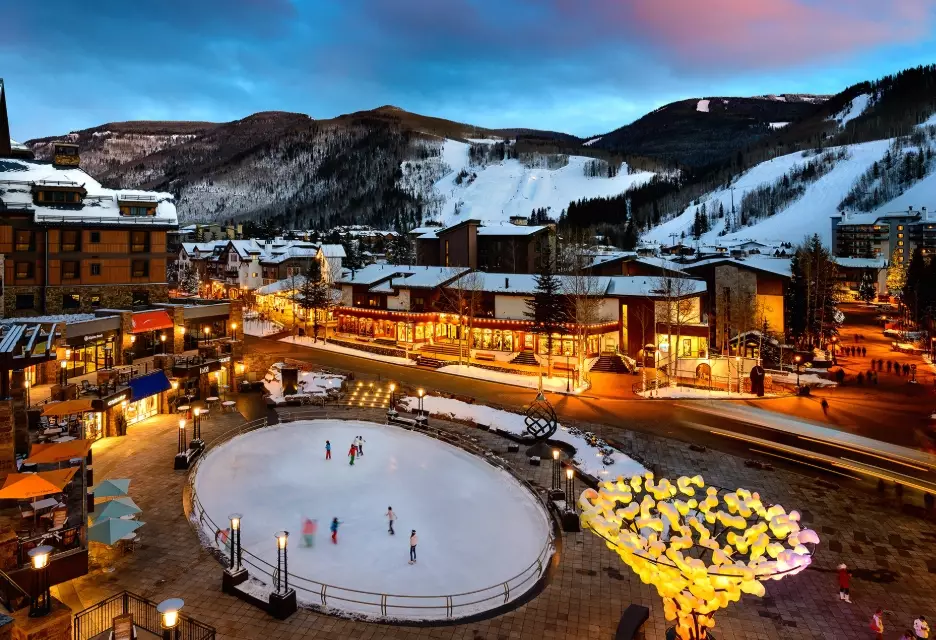
First Things First: What Even IS Vail?
Vail isn't just a ski hill. It's a massive, sprawling ecosystem built around skiing. The town of Vail itself is a charming, car-free (in the core) village that feels like it was airlifted from the Alps. The mountain? It's one of the biggest single-mountain ski resorts in North America, with over 5,300 acres of skiable terrain. That number gets thrown around a lot, but to visualize it, imagine about 4,000 football fields of snow-covered slopes, bowls, and glades.
The mountain is famously divided into three main areas: Front Side (the main face you see from town, with lots of groomers), Back Bowls (the legendary, wide-open, treeless terrain that made Vail famous), and Blue Sky Basin (a more remote-feeling area with epic tree skiing and advanced runs). Each has a totally different personality.
The scale is the first thing that hits you. It's exhilarating and a little intimidating.
The Money Talk: Lift Tickets, Passes, and How to Not Faint
Alright, let's address the elephant in the room. A single-day lift ticket at Vail Ski Resort at the window can cost well over $200 during peak season. Yes, you read that right. It's a sticker shock moment for everyone. But almost no one pays that price. The key is planning ahead and knowing your options.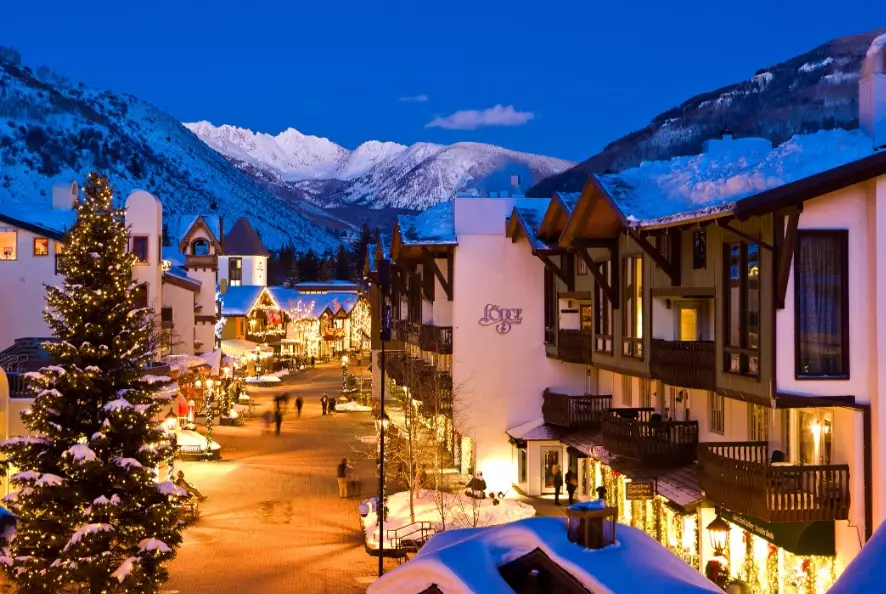
Your main weapons against high prices are advance online purchases and season passes. Buying your lift tickets online, even just a week before, can save you a significant chunk. But the real game-changers are the multi-resort passes.
Epic Pass vs. Ikon Pass vs. Other Options
This is where most skiers and riders get their Vail access. Vail Resorts owns the Epic Pass. If Vail is your primary destination, this is usually your best bet. It gives you unlimited, unrestricted access to Vail, Beaver Creek, Breckenridge, Whistler, and a ton of other resorts worldwide. If you plan on skiing more than 5-7 days at Vail or other Epic resorts, it pays for itself quickly.
The Ikon Pass offers limited access (usually 5-7 days) to Vail and Beaver Creek, plus unlimited at other rival resorts like Aspen, Jackson Hole, and Deer Valley. It's a great option if you want to sample Vail but also hit other mountains.
Here’s a quick breakdown to make sense of it:
| Pass Name | Access to Vail | Best For | Key Consideration |
|---|---|---|---|
| Epic Pass | Unlimited, no blackouts | Dedicated Vail/Epic resort skiers, families planning a long trip. | Highest upfront cost, but best per-day value if you use it. |
| Epic Day Pass | 1-7 days, with price based on days and blackout dates. | Those who know exactly how many days they'll ski at Epic resorts. | You must lock in days early. More restrictive, but cheaper than single-day tickets. |
| Ikon Pass | 5 or 7 days (depending on pass tier) with blackout dates. | Skiers who want to visit Vail AND other major resorts like Aspen or Jackson Hole. | Check the blackout calendars (holidays are often restricted). |
You need to do the math for your specific trip. The official Epic Pass website has a calculator, and it's worth spending 20 minutes on it. For the most current pricing and restrictions, always check the source. The Colorado Tourism Office's Colorado.com is also a good resource for general trip planning that might include other activities.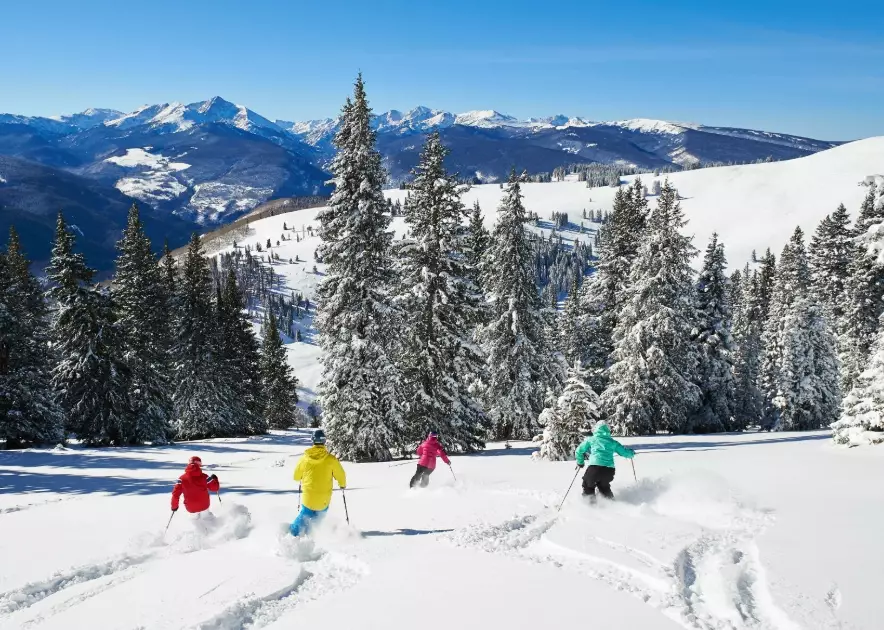
Where to Stay: Village, Lionshead, or… Elsewhere?
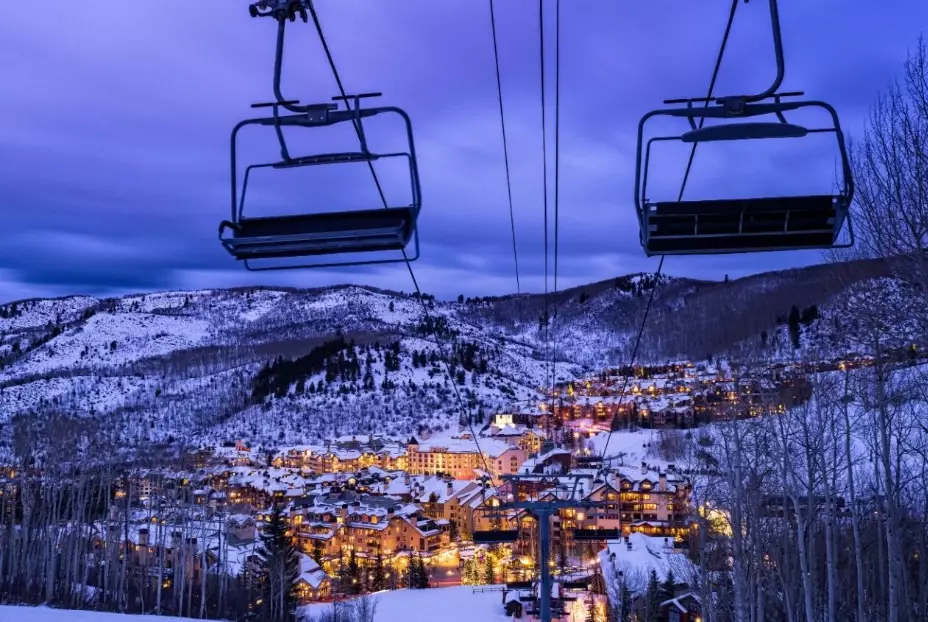
Vail has two main village areas: Vail Village and Lionshead. Vail Village is the original, with its cobblestone streets and iconic clock tower. Lionshead is a bit more modern, centered around the big gondola. Staying in either means you can walk to the lifts, which is a massive luxury. You can roll out of bed and be on the snow in minutes. The downside? The price tag. These are some of the most expensive accommodations in skiing.
My personal take? If it's your first time and your budget allows, splurge for a night or two in the village for the experience. The atmosphere at night is magical. But for a longer trip, consider these alternatives:
- West Vail: A short (and free) bus ride away. You'll find more condo-style accommodations that are easier on the wallet. The bus system, called the Town of Vail's free Vail Transit, is incredibly efficient and runs frequently.
- Avon/Beaver Creek: About a 15-20 minute drive down the highway. You get more space, often better value, and easy access to Beaver Creek resort too. You'll need to drive or take the ECO Transit bus to the Vail parking structures.
- Copper Mountain/Frisco/Silverthorne: Even further out (30-45 mins), but dramatically cheaper. This is a great option if you're planning to ski multiple different resorts in Summit County and don't mind a commute.
Taming the Mountain: A Terrain Guide for Real Humans
Okay, you've got your pass and your bed. Now for the fun part: the mountain. The Vail Ski Resort trail map is famously complex. Here's a human translation of the main areas.
Front Side (The Groomed Highway)
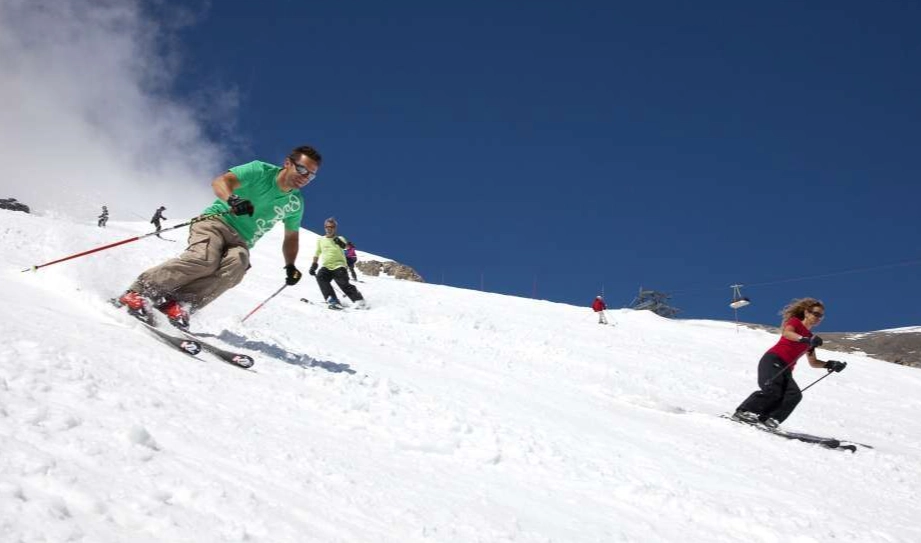
This is where most people start. Runs like Born Free and Simba are long, wide, perfectly groomed cruisers. Great for warming up, families, and intermediate skiers who like to carve. The Gondola One out of Lionshead and the Vista Bahn out of Vail Village are your main gateways. It can get crowded here, especially mid-morning. My strategy? Get here early, do a few warm-up laps, and then move on.
The Legendary Back Bowls
This is Vail's crown jewel. Seven massive, open bowls facing north, so the snow stays good. On a powder day, there's nothing like it. But here's a secret: you don't have to be an expert to enjoy them. The far skier's left bowls (like Sun Down and Sun Up) have groomed routes and easier pitches. The real experts head to the steep chutes in places like Prima or the Windows.
The first time you stand at the top of a bowl, looking out at what seems like endless terrain with no trees in sight... it's a religious experience for a skier.
Blue Sky Basin
This feels like a separate resort. It's a trek to get there (you have to ski through the Back Bowls or take a specific lift), but it's worth it. The vibe is quieter, more rugged. The tree skiing in places like Earl's Bowl or the glades off the Skyline Express lift is some of the best on the mountain. The snow often stays untouched longer here. Pack a snack, because you'll want to stay awhile.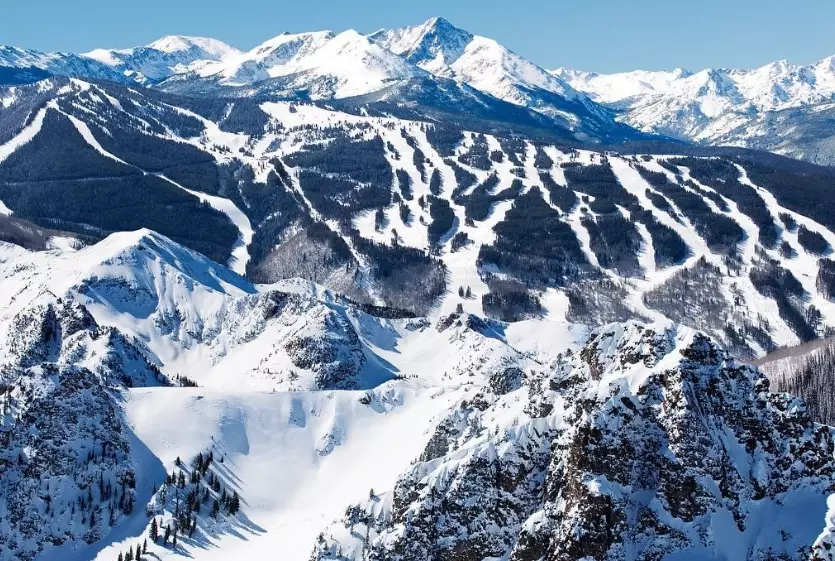
Ski School: Is It Worth It for Adults?
Absolutely. Even if you're an advanced skier. Vail's ski school is world-class, and a lesson is the fastest way to learn the mountain's secrets. An instructor will whisk you past lift lines, show you where the snow is best, and give you tips to ski better. For beginners, it's non-negotiable. The learning areas at Golden Peak and Lionshead are fantastic.
For adults, look into the Max 5 or Mountain Guide lessons. They're small group sessions that feel more like skiing with a savvy local than a formal class. Yes, it's another expense, but I've found a single day with a guide can improve my skiing and my enjoyment of the rest of the trip more than anything else.
Beyond the Skiing: The Vail Experience
Vail is more than just lifts and runs. The village has incredible dining, from casual pubs to world-class restaurants. The apres-ski scene is legendary. The Red Lion in Vail Village is a classic for a reason (though it gets packed). For something a bit more low-key, I'm fond of the patio at Garfinkel's in Lionshead.
Non-skiers or those needing a break have options too. You can snowshoe, go on a snowmobile tour, ice skate, or even visit the Colorado Snowsports Museum and Hall of Fame (it's free and surprisingly interesting).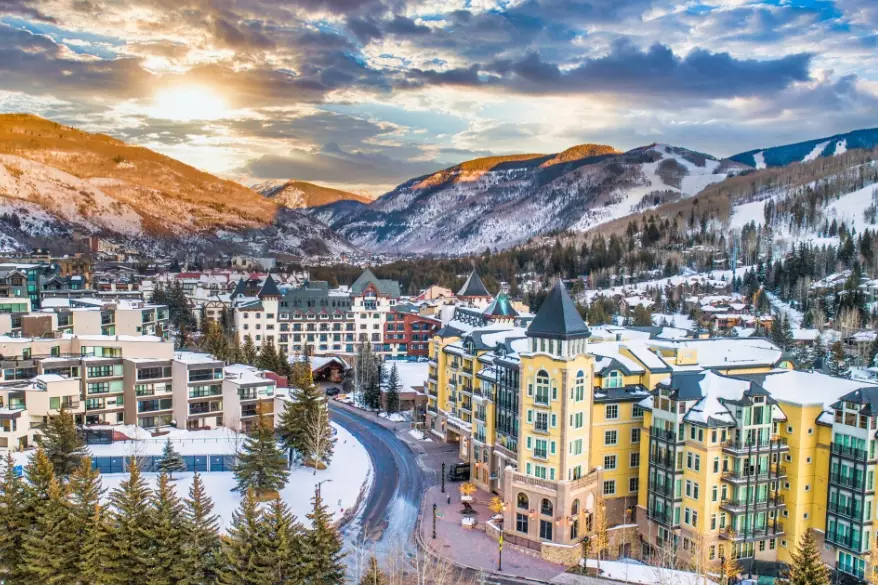
Answers to Those Midnight Google Questions
The Final Run: Making Your Vail Trip Work
Planning a trip to Vail Ski Resort feels like a project. But breaking it down makes it manageable. Lock in your pass early. Be strategic about lodging—consider a mix of village splurge and off-mountain value. Study the trail map a bit before you go, but be ready to explore. Take a lesson if you can swing it. And most importantly, give yourself time to just soak it in.
It's not a perfect place. It's crowded. It's expensive. The lift lines on a powder day can be soul-crushing. But when you find yourself on a quiet run in Blue Sky Basin as the sun filters through the trees, or sharing a laugh with friends on a gondola ride, you get it. You understand why people keep coming back to Vail.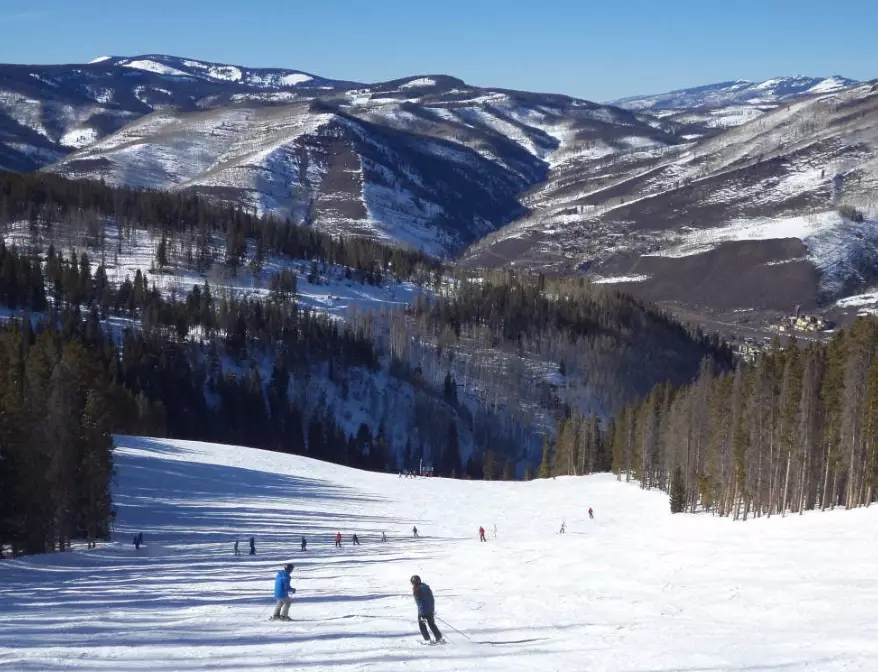
It's a feeling. And with a little planning, you can spend less time stressing and more time feeling it.