Your Solo Ski Journey At a Glance
So you're thinking about a solo ski trip. That little voice in your head is equal parts excited and, let's be honest, a bit nervous. What if it's lonely? Is it safe? Will you look like that person eating lunch alone in the lodge? I've been there. I've also had some of the most empowering, exhilarating, and downright fun days on the mountain precisely because I was by myself. This guide isn't about convincing you. It's about equipping you. We're going to strip away the anxiety and build up the confidence, from the first flicker of an idea to riding the chairlift back down at the end of a perfect day.
Why even consider skiing alone? The reasons are as varied as the snowflakes. Maybe your usual crew bailed. Maybe you have a specific goal—mastering those moguls, exploring a new resort without compromise, or just needing some headspace. A solo ski adventure hands you the ultimate luxury: complete control. Your rhythm, your runs, your lunch break. No debates over which lift to hit, no waiting for stragglers, no pressure to keep up. It's just you, the mountain, and a whole lot of potential.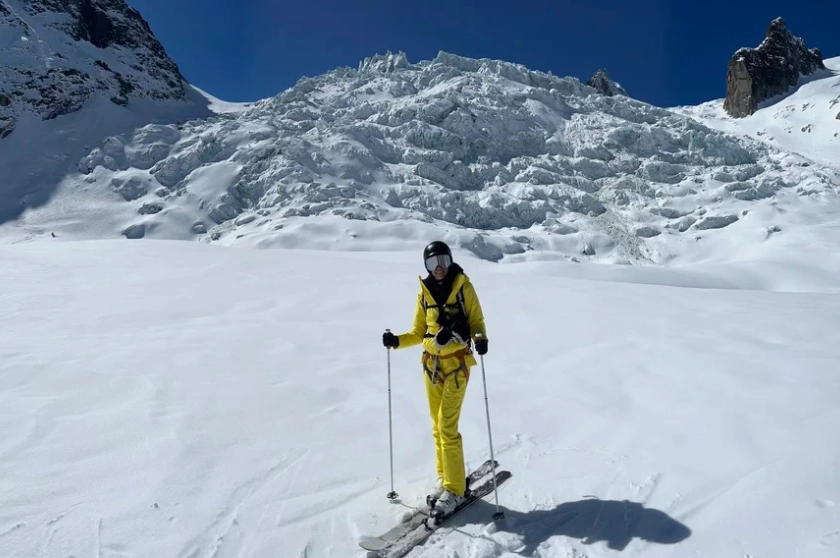
But let's not sugarcoat it. There are real considerations. Safety becomes your number one responsibility, not a shared one. Logistics fall squarely on your shoulders. And yes, there might be a quiet moment in the evening. This guide tackles all of it. We'll walk through picking the perfect resort for a solo skier (some are genuinely better than others), packing like a pro, navigating your first day, staying safe, and even how to handle the social side—or intentionally avoid it.
Why Go Solo? Unpacking the Real Appeal
Before we dive into the how-to, let's solidify the why. A solo ski trip offers benefits that a group trip simply can't match.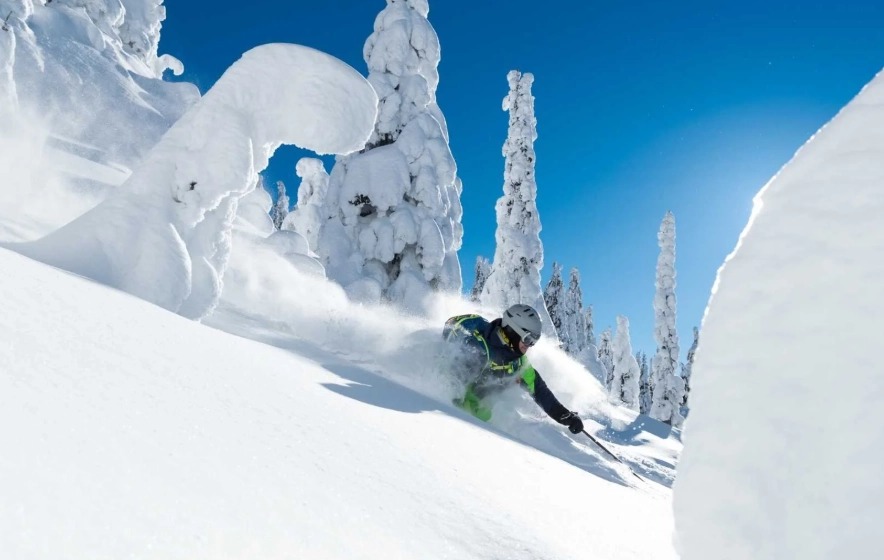
Ultimate Freedom and Flexibility: This is the big one. See a fresh line of powder through the trees? Go for it. Want to lap the same blue cruiser ten times to perfect your carving? Nobody's complaining. Feel like calling it a day at 2 PM for a long, hot bath? The decision is yours alone. Your entire day moves at your pace, dictated by your energy and your whims. It's incredibly liberating.
Deep Skill Progression: Without the distraction of a group, you can focus intensely on your technique. You can stop mid-run to analyze your track without feeling rushed. You can take a lesson (highly recommended for solo travelers!) and immediately practice what you've learned. I once spent a whole morning on a single intermediate run, working on my pole planting until it clicked. That kind of focused practice is a gift you give yourself.
Meeting New People (On Your Terms): This one surprises people. When you're with a group, you're in a bubble. When you're solo, you're approachable. You'll chat with locals on the chairlift, get tips from the ski patroller, maybe even join another solo skier for a few runs. The connections are often more genuine and spontaneous. But the key phrase is on your terms. You can be social at lunch, then retreat into your own world for the afternoon.
Personal Challenge and Confidence Boost: Successfully planning and executing a trip by yourself is a huge confidence builder. Navigating a new place, making decisions, solving little problems—it all adds up. Conquering a run that intimidated you, with only yourself to rely on, feels like a monumental victory. You return home feeling more capable, independent, and resilient.
The Solo Ski Trip Planning Guide: No Detail Left Behind
Alright, you're sold on the idea. Now let's get into the nitty-gritty. Planning is where you turn anxiety into anticipation. A well-planned solo skiing adventure is a smooth, enjoyable experience. A poorly planned one... well, let's just avoid that.
Choosing the Right Resort: It Makes All the Difference
Not all ski resorts are created equal for the solo traveler. Your ideal spot has a few key characteristics. You want a place that feels welcoming, is easy to navigate, and has a good mix of terrain and amenities. A massive, sprawling resort where you need a car to get between villages might feel isolating. A tiny hill with one lift might not offer enough variety.
Look for resorts known for a friendly, community vibe. Places with a vibrant base village where you can easily stroll from your lodging to lifts, shops, and restaurants. Resorts that offer single rider lift lines are a godsend—you'll often get on the chair faster than groups! Also, consider the ski school culture; a resort with a strong adult lesson program is a green flag, as it signals they cater to independent learners.
Here’s a quick breakdown of resort types for the solo skier:
| Resort Type | Best For The Solo Skier Who... | Potential Drawbacks |
|---|---|---|
| Major Destination Resort (e.g., Whistler, Park City, Vail) | Wants endless terrain, top-notch amenities, a buzzing apres-ski scene, and easy meeting opportunities. Everything is in one place. | Can be expensive, crowded, and feel impersonal. Easy to get lost in the scale. |
| Midsize, Skier-Focused Mountain (e.g., Aspen Snowmass, Sun Valley, Taos) | Values a blend of great skiing, authentic mountain town feel, and a more relaxed pace. Often has a loyal, friendly local crowd. | May have fewer dedicated "single traveler" amenities. Nightlife might be quieter. |
| Smaller, Independent Hill | Prioritizes a low-key, no-fuss, affordable experience. Wants to feel like a local immediately. Less pressure. | Limited terrain variety. Fewer on-mountain dining options. May lack a true village. |
Do your research. Read forums, check out resort websites specifically for solo visitor info (some, like Whistler Blackcomb, have pages dedicated to it), and look for traveler reviews that mention traveling alone.
Booking Your Stay: Lodging Logistics
Your accommodation sets the tone. For a first-time solo ski trip, I strongly recommend staying in a lodge, hostel, or hotel that's ski-in/ski-out or within a very short walk of the lifts. The convenience is worth the extra cost. Hauling gear on and off shuttles alone is a pain. You want to be able to pop back to your room easily for a gear change or a quick rest.
Consider accommodations with a social component if you think you might want company in the evenings. Many mountain hostels and lodges have communal kitchens and living areas. You can have privacy in your room but the option to chat with others over coffee. If you prefer total solitude, a condo or private Airbnb works, but be mindful of location.
Mastering the Solo Ski Trip Packing List
Packing for one means you have to be your own backup system. Forget something? There's no buddy to borrow from. This list is comprehensive, but think of it as a checklist, not a burden.
| Category | Essential Items | Why It's Crucial for Solo Travel |
|---|---|---|
| Safety & Communication | Fully charged phone + portable charger, printed resort map, small first-aid kit, whistle, avalanche beacon/shovel/probe (if going off-piste), emergency contact info on paper in your pocket. | You are your own rescue party. Redundancy is key. A dead phone with no map is a serious problem when alone. |
| Ski Gear & Clothing | Well-fitted boots (most important!), skis/snowboard, helmet, goggles (2 lenses if possible), gloves, baselayers, insulating mid-layer, waterproof shell, neck gaiter, ski socks. | Comfort and performance are paramount. Ill-fitting gear can ruin your day and there's no one to sympathize! Break in boots beforehand. |
| Apres & Lodging | Comfortable shoes, casual clothes, swimsuit (for hot tubs!), small lock for hostel lockers, earplugs, a good book or downloaded entertainment. | You'll appreciate creature comforts after a day on the hill. A book is a perfect companion for a solo dinner without feeling awkward. |
| Health & Misc. | Sunscreen, lip balm with SPF, pain relievers, blister patches, water bottle, snacks (energy bars, trail mix). | Staying fueled and preventing minor issues from becoming major ones keeps you self-sufficient. |
Pack light, but pack smart. Roll your clothes to save space. Wear your bulkiest items (boots, shell) on the plane/train if you can.
Your First Day on the Mountain: A Solo Game Plan
You've arrived. Gear is sorted. You're staring up at the mountain. Now what? Having a plan for day one eliminates that "deer in headlights" feeling.
Morning Ritual: Start slow. Get a good breakfast. Hydrate. Don't rush to be first on the lift. Head to the base area and orient yourself. Find the main lodge, the ski school meeting area, and the lift ticket office if you need to pick up passes. Study the trail map—physically, not just on your phone. Identify a few easy, familiar-looking runs off a major lift to start.
The Warm-Up Run(s): Your first few runs are not about challenging yourself. They're about waking up your ski legs, testing the snow conditions, and getting your balance. Pick a long, gentle green or a wide-open blue. Focus on your breathing and your turns. This is your time to connect with the mountain and shake off any travel fatigue.
Consider a Lesson or Guide: I know, you're a competent skier. But hear me out. Booking a half-day lesson or a mountain guide on your first day is the single best investment you can make on a solo ski trip. It serves multiple purposes: 1) A pro shows you the best terrain for your ability and the current conditions. 2) You instantly have a "group" for a few hours, easing any social stiffness. 3) You will learn something. It instantly accelerates your familiarity with the resort. I do this almost every time I ski somewhere new alone, and it never fails to improve the whole trip.
Lunch Strategy: Avoid the peak noon rush at the main lodge. Either eat early (11:30) or late (1:30). Scope out smaller, on-mountain cabins or lodges that might be less crowded. Or, pack a snack and have a scenic bench lunch. Nobody is judging you for eating alone—I promise. Pop in your earbuds, people-watch, or just enjoy the view.
Solo Skiing Safety: Your Non-Negotiable Rules
This is the most important chapter. When you're with others, safety is a team effort. When you're solo, it's a discipline. Adopt these rules as gospel.
1. Know Your Limits and Dial It Back. This is not the day to push into double-black diamond territory or attempt a cliff drop you saw in a video. Be conservative. If you're tired, call it a day. There's no peer pressure to do "one more run." That last run is where most accidents happen. Listen to your body.
2. The Buddy System... For One. The National Ski Areas Association's Your Responsibility Code is the law of the land, and it's even more critical alone. Always stay in control. People ahead of you have the right of way. Stop in a safe, visible place. Look uphill before merging or starting. These rules protect you and others.
3. Gear Check and Weather Watch. Check your bindings yourself. Know the weather forecast intimately. Be aware of the resort's opening status and any avalanche control work. If a storm is rolling in, consider staying on lower, simpler terrain. White-out conditions are disorienting and dangerous when you're alone.
4. Communication is Your Lifeline. Keep your phone charged and on you (in an inner pocket to keep the battery alive). Know the resort's emergency number (it's often on your lift ticket). Use apps like Ski Tracks or Fatmap to record your day—not just for stats, but as a digital breadcrumb trail.
5. Trust Your Gut. If a run looks sketchy, it probably is. If someone on the chairlift makes you uncomfortable, don't feel obligated to ski with them. If something feels "off" with your gear, get it checked. Your intuition is a powerful safety tool.
Let's address the big question head-on: Is a solo ski trip dangerous? It can be if you're reckless. But a planned, mindful, and conservative solo ski trip is no more inherently dangerous than skiing with a group, provided you adhere to a stricter personal safety protocol. The risk isn't in being alone; it's in poor decision-making.
The Social Side (Or How to Enjoy Your Own Company)
This is the part people fret about most. Will I be lonely? The answer is: only if you want to be. A solo ski trip gives you complete control over your social interaction.
Embrace the Chairlift Chat. The chairlift is the social hub of the mountain. A simple "Great day, huh?" can lead to a wonderful 5-minute conversation. Ask people where they're from, what their favorite run is. You'll get amazing local tips. Most people are happy to chat. If they're not, no big deal—the ride ends soon.
Use Mealtimes Strategically. Sit at a communal table in the lodge. Eat at the bar of a restaurant instead of a table—it's inherently more social. Bring a book or journal if you want a barrier. I've had some fantastic conversations with bartenders and fellow bar-sitters.
Seek Out Social Events. Many resorts host events perfect for solos: guided mountain tours, apres-ski live music, trivia nights, or demo days. Check the event calendar.
But also, practice enjoying solitude. There's a difference between loneliness and solitude. Loneliness is a negative feeling of lack. Solitude is a positive, chosen state of being alone with your thoughts. On the lift, instead of pulling out your phone, just watch the world go by. Listen to the snow under your skis. That quiet mindfulness is a rare gift in our connected world.
Coming Home: Reflecting on Your Solo Ski Adventure
The trip doesn't end when you drive away from the mountain. The reflection is part of the experience. You'll likely feel a mix of exhaustion and invigoration.
You did it. You planned it, you navigated it, you skied it, all on your own. That confidence translates. You'll find yourself more decisive in other areas of life. You proved you are self-reliant.
Think about what you learned—not just about skiing, but about yourself. Did you thrive on the flexibility? Did you discover you're more social than you thought? Or did you relish the quiet more than expected? This self-knowledge is the real souvenir.
And maybe, just maybe, you'll start dreaming about your next solo ski trip before you've even unpacked your bag. Because now you know the secret: it's not an escape from others, but a journey towards a more capable, confident, and adventurous version of yourself.
Quick-Fire Solo Ski Trip FAQ
Q: What's the biggest mistake first-time solo skiers make?
A: Overestimating their energy and trying to ski from first chair to last call. Pace yourself. Take breaks. A 5-hour day of great skiing is better than an 8-hour day of misery.
Q: Is it more expensive to ski alone?
A: It can be, due to single-occupancy supplements on lodging. But you save on other things: you eat what/when you want, no group dinner bills splitting hassle. Look for hostels, single rooms, or shoulder-season deals.
Q: I'm an intermediate skier. Is solo skiing for me?
A: Absolutely. Stick to groomed runs within your comfort zone. Use the time to solidify your fundamentals. A lesson is even more valuable at this level.
Q: How do I handle getting injured when alone?
A: This is why the safety rules are paramount. Stay in control. If you have a minor injury, call ski patrol. For anything serious, try to attract attention (whistle, waving poles). This is why staying on designated, patrolled trails is critical for solo skiers.
So there you have it. The dream of a solo ski trip, demystified and laid out step-by-step. It's an adventure that demands a bit more preparation and a lot more self-awareness, but the rewards—the freedom, the progress, the quiet pride—are utterly unique. The mountain is waiting. And this time, it's just for you.