Quick Navigation
- What Exactly Is a Lift Pass, and Why Does the Type Matter So Much?
- The Lift Pass Lineup: From Single-Day to Season-Long
- Putting It Side-by-Side: A Lift Pass Comparison
- Your Step-by-Step Guide to Buying the Perfect Lift Pass
- Top Tricks to Slash Your Lift Pass Cost
- Common Lift Pass Questions, Answered Straight
- The Final Run: Bringing It All Together
Let's be honest. When you're dreaming of fresh powder and epic runs, the last thing you want to think about is the logistics. But here's the thing I learned the hard way: figuring out your lift pass is where the real trip planning begins. Get it right, and you save a ton of cash and hassle. Get it wrong, and you're stuck at the ticket window on a perfect bluebird day, watching your budget go up in smoke.
I remember my first big trip out West. I just assumed I'd buy a ticket each morning. Big mistake. By day three, I'd spent more than a local pays for their entire season pass. That was my wake-up call. A ski lift pass isn't just a ticket; it's a strategy.
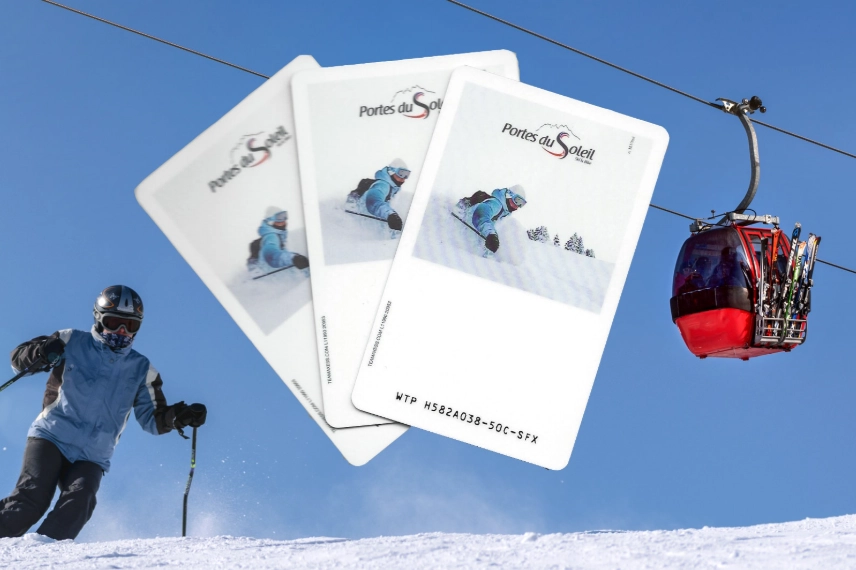
So, let's cut through the noise. This isn't about pushing one product over another. It's about matching the right pass to your specific trip. Are you a weekend warrior? A one-and-done vacation skier? Or someone who lives for the first chair? Where you fall on that spectrum changes everything.
What Exactly Is a Lift Pass, and Why Does the Type Matter So Much?
At its core, a lift pass is your permission slip to use the ski resort's network of chairlifts, gondolas, and surface tows. Think of it as the toll for the highway up the mountain. But unlike a simple highway toll, the pricing and structure are anything but simple. They're the resort's main way of making money, so they've gotten creative.
The type of pass you choose dictates your freedom, your schedule, and most importantly, your bank account's comfort level. Buying blind is the single biggest financial mistake skiers and snowboarders make. You wouldn't buy a car without knowing if it's a sedan or an SUV, right? Same principle applies here.
The Lift Pass Lineup: From Single-Day to Season-Long
Resorts have crafted a menu of options to catch every kind of visitor. Here’s the breakdown, with the good, the bad, and the “watch-out-for-this” details.
The Single-Day Lift Ticket: Simple, But Rarely a Bargain
This is the default in most people's minds. You show up, you pay, you ride for the day. It's straightforward, but it's also the most expensive way to ski, per day. Resorts price these high intentionally to push you towards more committed options.
Who it's for: The ultra-casual skier, the spontaneous day-tripper, or someone trying out a sport for the very first time.
The catch? The window price – the price you pay at the ticket booth that day – is brutal. We're talking often $150-$250 at major resorts. I once paid $209 at a famous Colorado resort because I didn't plan ahead. Never again.
The Multi-Day Pass: The Sweet Spot for Most Vacations
This is where value starts to appear. If you're planning a ski trip of 2 to 7 days, a multi-day lift pass is almost always the way to go. The per-day cost drops significantly. These passes often come with bonus features like discounts on rentals or food.
You'll usually see two flavors:
- Consecutive Days: Must be used on back-to-back days. Cheaper, but less flexible.
- Flex Days: Can be used on any days within a longer window (e.g., 3 days within a 7-day period). More expensive per day, but great if you want rest days or are at the mercy of the weather.
My personal rule? If my trip is 3 days or longer, I don't even look at single-day prices. The multi-day pass is the starting point.
The Season Pass: For the Devoted (and the Locals)
This is the holy grail for frequent skiers. You pay one (often large) upfront fee and get unlimited access for the entire season. The math is simple: if the cost of the season pass is less than you'd pay for 5-10 days of window tickets, you're winning.
But it's evolved far beyond just one resort. The mega-passes like the Ikon Pass and Epic Pass have changed the game. They're essentially networks, giving you limited or unlimited days at dozens of resorts worldwide. They're an investment, but for anyone planning multiple trips, they can be a genius one.
The downside? You have to buy them early, usually in the spring or early fall for the next winter. Miss that window, and the price skyrockets or they sell out.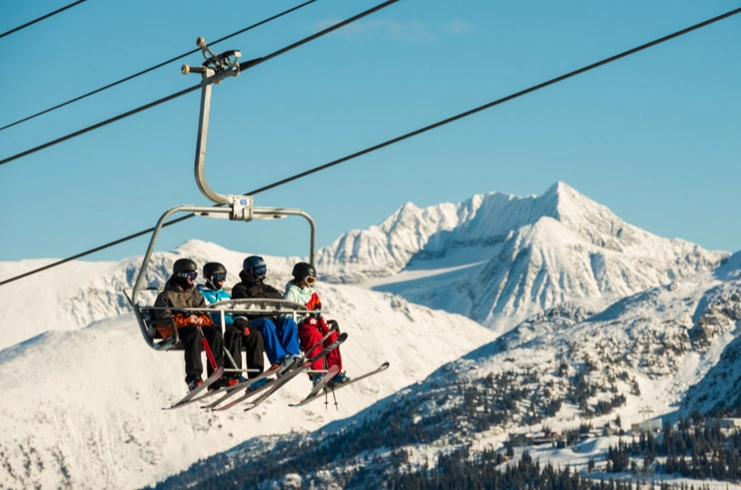
The Bundle Deal (Lodging + Lift Pass)
Many resorts and travel sites package lodging with a lift pass. Sometimes this is a fantastic deal, especially at smaller or mid-tier resorts trying to attract visitors. Other times, it's just a convenience fee.
You have to do the math. Price out the hotel and the lift passes separately, then compare it to the bundle price. Don't assume it's cheaper. I've found it's most valuable when you're booking last-minute and individual lift pass prices have surged.
Putting It Side-by-Side: A Lift Pass Comparison
Let's make this visual. Say you're looking at a hypothetical major resort with a $215 window price. Here’s how the costs might shake out for different visitor profiles.
| Pass Type | Typical Cost (Hypothetical) | Best For... | Biggest Perk | Biggest Drawback |
|---|---|---|---|---|
| Single-Day (Window) | $215 | First-timers, spontaneous day trips | Zero commitment | Extremely high per-day cost |
| Single-Day (Online Advance) | $175 | Planned day trips | Significant savings vs. window | Often non-refundable |
| 3-Day Consecutive Pass | $480 ($160/day) | A long weekend vacation | Lower per-day rate, simplicity | No flexibility for weather/rest days |
| 3-Day Flex Pass (within 7 days) | $510 ($170/day) | A vacation with built-in flexibility | Choose your ski days | Slightly higher per-day cost |
| Local Season Pass | $1,100 (early price) | Someone skiing 6+ days at one resort | Unlimited skiing after break-even | Large upfront cost, locks you to one place |
| Mega-Pass (e.g., Ikon/Epic Base) | $800-$1,000 (early) | Traveling to multiple resorts in a season | Incredible destination variety | Blackout dates, day limits at some resorts |
See how the story changes? The right lift pass for a family on a 5-day holiday is a totally different beast from the right pass for a local college student.
Your Step-by-Step Guide to Buying the Perfect Lift Pass
Okay, theory is great, but how do you actually make the decision? Follow this mental checklist. I use it every single time.
Step 1: Lock Down Your Basics. How many people? How many actual ski days? (Be realistic. A 7-day trip might only have 5 ski days). Which specific resort(s)? Dates? This seems obvious, but you'd be surprised how many people skip this.
Step 2: Hit the Official Resort Website. This is your primary source of truth. Don't start with third-party resellers. Go right to the source, like Vail Resorts or Aspen Snowmass. Look for their “Tickets & Passes” or “Plan Your Trip” section. This is where you'll find the official multi-day deals, early-bird specials, and the fine print.
Step 3: Check for Demographic Discounts. Are you over 65? Under 12? A college student? Military? Many resorts have dramatically cheaper lift pass prices for these groups. Never assume you pay the standard adult rate.
Step 4: Investigate Multi-Resort Passes. Even for a single trip, this can work. If you're going to Tahoe for 5 days and plan to ski at two different resorts that are both on the Ikon Pass, buying the pass might be cheaper than buying two separate 2-day and 3-day passes. Use the pass comparison tools on the Ikon and Epic sites – they're actually pretty good.
Step 5: Consider the Bundle. Now, and only now, look at package deals from sites like Ski.com, or the resort's own “Stay & Ski” packages. You have your baseline cost from Steps 2-4, so you can instantly see if the bundle is a true saving or just marketing.
Step 6: READ THE FINE PRINT. I can't stress this enough. Is it refundable? What if the mountain closes for a storm? Can you upgrade it? Is it a RFID card you reuse or a paper ticket? This stuff matters.
Top Tricks to Slash Your Lift Pass Cost
Beyond choosing the right type, here are the real insider moves.
Buy Early. Like, Really Early. This is the number one rule. Resorts offer their best prices 3-6 months before the season starts. The price ladder goes up as winter approaches. Setting a calendar reminder for Labor Day to check pass prices isn't a bad idea.
Look for “Spring Sale” for Next Season. Right after the current season ends, resorts are desperate for cash flow and start selling next season's passes at rock-bottom prices. If you know you're skiing next winter, buying in April or May can save you 30% or more.
Mid-Week Magic. If your schedule allows it, skiing Monday through Friday is a double win: cheaper lift passes and smaller crowds. Many resorts have specific mid-week pass products that are significantly discounted.
Don't Ignore the Smaller Hills. The marquee-name resorts command marquee prices. A smaller, independent resort might offer a much more affordable lift pass with zero crowds and a fantastic community vibe. Sites like Professional Ski Instructors of America & American Association of Snowboard Instructors (PSIA-AASI) can sometimes have info on smaller member resorts.
Group Rates. Traveling with 10 or more people? Almost every resort has a group sales department. You have to plan ahead and coordinate, but the per-person discount can be substantial.
Common Lift Pass Questions, Answered Straight
What happens if I lose my lift pass?
Annoying, but usually not catastrophic. Go immediately to the ticket office. They'll look you up in their system (this is why registering your pass online when you buy it is crucial). There's almost always a replacement fee – it can be $20-$50 – but it's better than buying a whole new ticket. The new RFID technology makes deactivating the old pass and issuing a new one pretty simple.
Can I upgrade a multi-day pass to a season pass?
Sometimes, yes! This is a great hidden tactic. Some resorts will let you apply the money you spent on daily or multi-day tickets towards the purchase of a current-season season pass if you decide you're loving it and want to come back. You have to ask at the ticket office. It's not always advertised.
Do kids really ski free?
Some resorts do offer “Kids Ski Free” promotions, often when they are staying with a paying adult. But “free” usually means a deeply discounted or $0 lift pass. You still almost always have to go to the ticket window to get the physical pass for them. Always verify the age limit (often 5 or 6 and under) and any blackout dates. Don't just show up assuming it's automatic.
What's the deal with RFID?
Most modern lift passes are now RFID cards or tags (sometimes embedded in your sleeve). You don't swipe anymore; you just have the card in a pocket (usually left) and walk through a gate that reads it. It's faster. The key thing: don't put it next to your phone or credit cards. The signals can interfere and deactivate the pass. Keep it in a separate pocket. I learned this after a frustrating 20-minute delay at the lift line.
Are there any hidden fees?
Watch for online processing fees (often $5-$10 per order, not per pass). Also, if you need the pass mailed to you, there might be a shipping fee. Picking it up at the resort's will-call is usually free. The replacement fee we talked about is another potential cost.
The Final Run: Bringing It All Together
Choosing a lift pass feels complicated because, well, it is. Resorts have made it that way. But if you break it down step-by-step, it becomes a simple puzzle of matching your plans to their products.
Start with your own reality – your days, your group, your budget. Then shop the official sources first. Let the multi-day and season pass options marinate. Run the numbers. Think about flexibility.
There is no single "best" lift pass. There's only the best one for you this season, for this trip. The goal isn't to find the absolute cheapest option; it's to find the one that gives you the most mountain time for your money with the least amount of stress.
Because at the end of the day, that little piece of plastic or card is what gets you to the good part. The quiet chairlift ride up, the crisp air, and the first turn in fresh corduroy. A little planning upfront makes that moment all the sweeter.