Let's be honest. You're not just stopping for a burger. You're stopping for the moment. That crisp mountain air, the sun warming your face after a morning on the slopes, the sheer, improbable beauty of eating a proper meal perched on the side of a cliff. Mountain restaurants are the punctuation marks in a great alpine day—the exclamation points, the thoughtful commas. But finding the right one, booking it, and knowing what to expect can turn that dream into a logistical headache. I've spent over a decade chasing these meals across the Alps, the Rockies, and the Dolomites. I've had transcendent plates of pasta and disappointing, overpriced fries. Here’s what I’ve learned.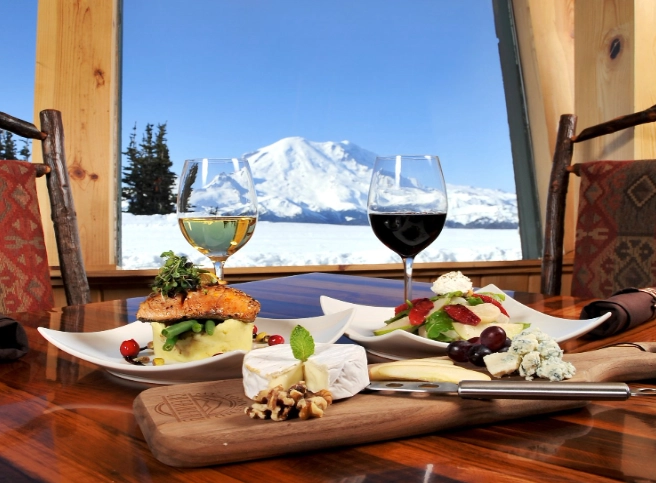
What’s Inside This Guide
Not All Mountain Restaurants Are Created Equal
Calling them all "mountain restaurants" is like calling every city eatery a "restaurant." The vibe, menu, and experience vary wildly. Knowing the difference is step one.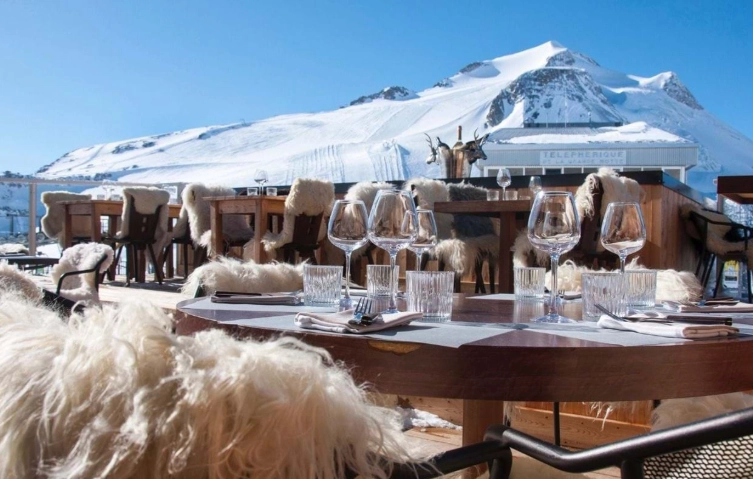
The Ski-In, Ski-Out Bistros
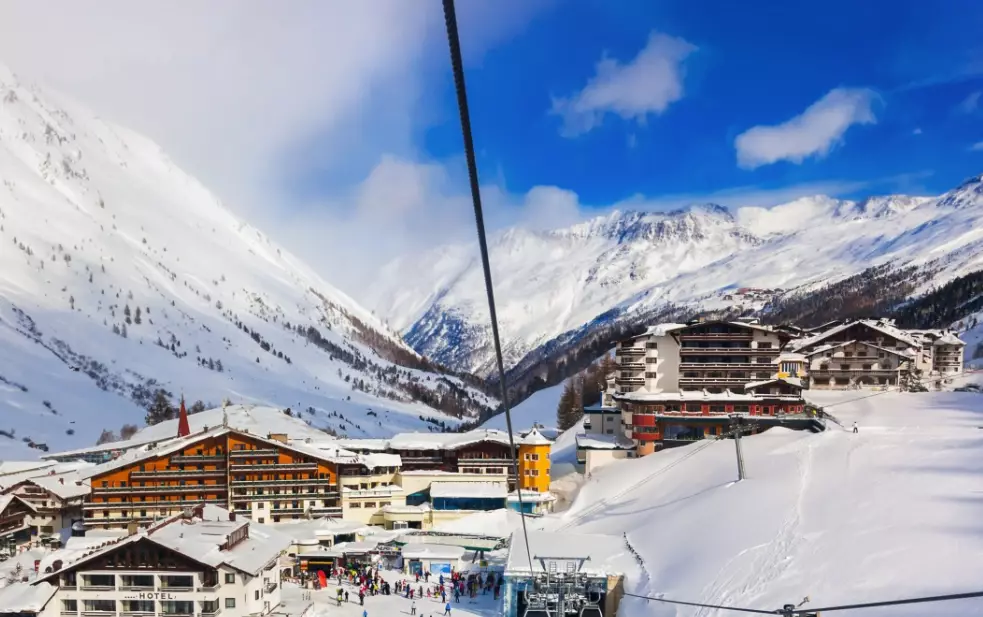
These are the workhorses. Located on a main piste, often with a huge sun terrace. Think: quick service, hearty classics like tartiflette, schnitzel, or chili. They're about refueling and socializing. Perfect for: a fast, fun lunch with a group. Don't expect culinary innovation, but do expect a lively atmosphere. Example: The iconic La Folie Douce venues across France are more party than fine dining, with live music and champagne sprays.
The Alpine Hut (Berghütte / Refuge / Rifugio)
This is the soul of the mountains. Often family-run for generations, accessed by hike or ski tour. The food is traditional, rustic, and deeply regional. Dining is communal, the decor is wood-paneled, and the feeling is authentic. A stay at a hut like Austria's Britanniahütte is an experience in itself. Menus are shorter, but the Kaiserschmarrn (shredded pancake) will be the best you've ever had.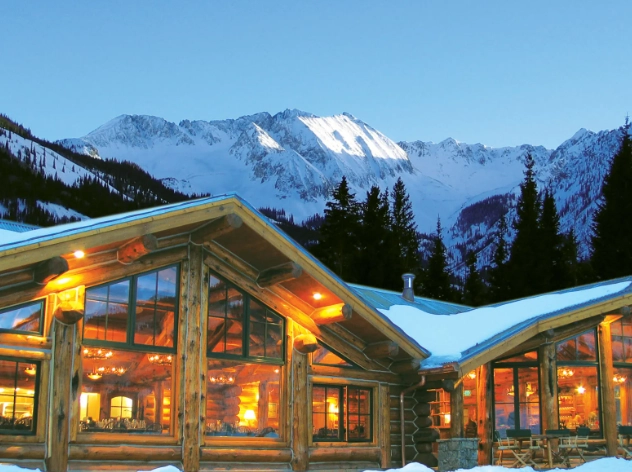
The Culinary Destination Restaurant
Here, the view has competition from the plate. These are serious restaurants with chefs, wine cellars, and prices to match. They're destinations for a long, celebratory lunch. You'll need a reservation weeks in advance. The service is formal, the presentation meticulous. Switzerland's Zermatt is packed with these. The value is in the totality: world-class food in a world-class setting.
The Gondola-Top Panorama Spot
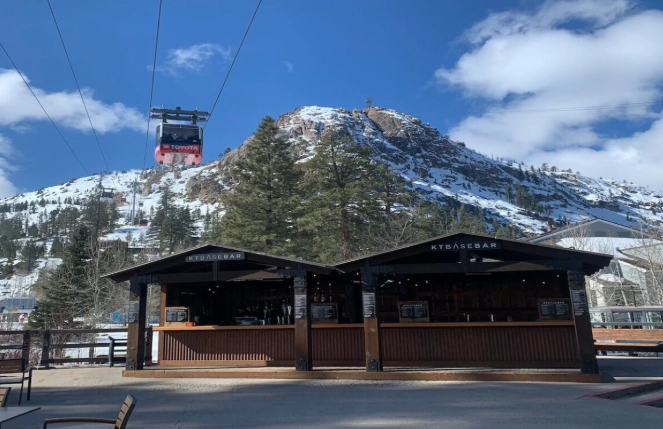
Built at the summit of a major cable car, these are accessible to everyone—skiers, hikers, sightseers. The views are guaranteed to be 360-degree jaw-droppers. The food can range from cafeteria-style to quite refined. Because they're easy to get to, they can get crowded. Pro tip: Book a table for late lunch (after 1:30 PM) to avoid the peak rush.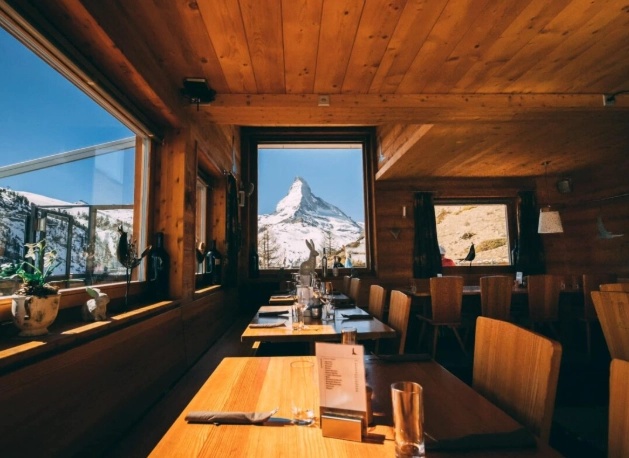
Mountain Restaurants You Should Book Now
Based on consistent quality, setting, and that hard-to-define magic, here are a few standouts across different regions. This isn't just a list; it's a starting point for your own research.
| Restaurant Name & Location | Type & Vibe | Signature Dish / Note | Access & Booking Lead Time |
|---|---|---|---|
| Chez Vrony Zermatt, Switzerland |
Culinary Destination / Rustic Chic | Vrony's homemade burgers, tartare. Organic ingredients from their own farm. | Ski-in (Findeln area). Book 2-3 months ahead for peak season. Lunch is essential. |
| The Eagle's Eye Kicking Horse, Canada |
Gondola-Top Panorama | Highest restaurant in Canada. Views of the Purcell Mountains. Elevated Canadian cuisine. | Scenic gondola ride. Book a few days to a week ahead. Open for summer dining. |
| Rifugio Averau Cortina d'Ampezzo, Italy |
Alpine Hut / Culinary | Michelin-starred dining in a rifugio. Incredible pasta and local cheese. | Hike or ski tour in winter; drive/cable car in summer. Book weeks in advance. |
| Alpenglow Stube Keystone, USA |
Gondola-Top / Fine Dining | Highest AAA Four-Diamond restaurant in North America. Formal, romantic. | Two gondola rides. Book when you book your trip. Jackets recommended for dinner. |
I made the mistake once of showing up at Chez Vrony without a reservation on a sunny February Saturday. The look the host gave me was a mix of pity and disbelief. I ended up eating a protein bar on a bench. Lesson learned.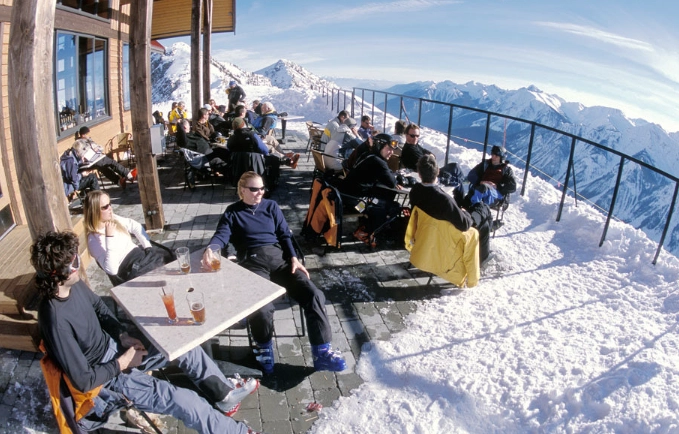
Local Intel: Often, the "second-best" restaurant on a mountain has 90% of the view with 50% of the crowd and a more relaxed booking policy. Ask a local ski instructor or guide for their favorite "secret" spot. In Verbier, everyone knows Le Marmotte, but the terrace at Cabane Mont Fort (a 20-minute hike from the lift) feels like you've discovered something special.
The Real-World Guide to Booking & Dining
This is the practical stuff that most guides gloss over. It's what separates a smooth, memorable experience from a frustrating one.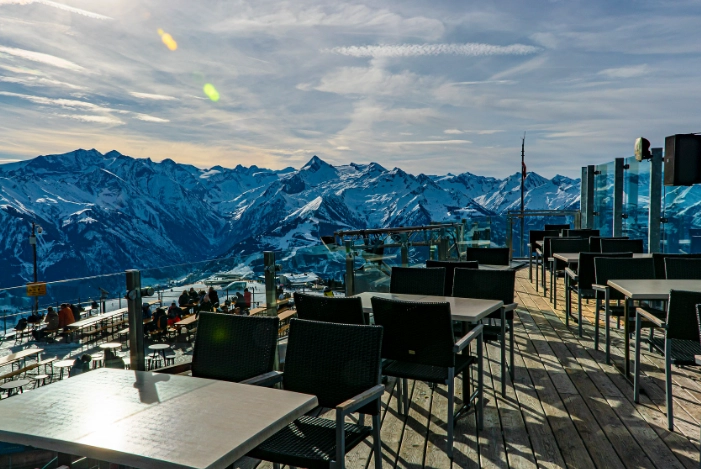
How to Actually Get a Table
Online booking is king, but not always. Many traditional huts have a phone number and a hesitant relationship with the internet. If you're serious, call. Use Google Translate to prepare a simple script. Email can work, but expect a slower response. For resort-affiliated restaurants, the lift company's website is your best bet—they sometimes sell "lunch and lift" bundles that save money and guarantee a spot.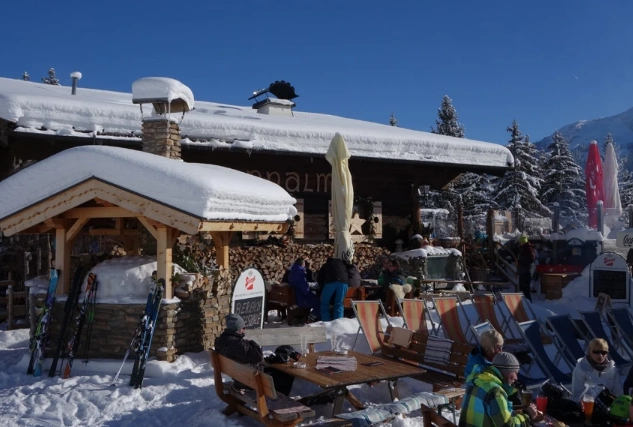
A subtle mistake? Booking for large groups without understanding the layout. That table for 8 might be two separate four-tops on a crowded terrace with no interaction. Specify if you want one long table.
What to Wear (The Unspoken Rules)
You're not dining in a cave. Even the rustiest hut expects some decorum. Ski boots are almost always left in designated racks. I pack light hardshell slippers or just thick, clean socks. Base layers are fine, but a damp, smelly mid-layer is not. For dinner service or high-end spots, a clean sweater or shirt is expected. It's about respect for the setting and fellow diners.
Budgeting Without the Sticker Shock
Let's get specific. In a major European resort (Zermatt, Courchevel):
- Basic Hut Lunch: Soup, main, soft drink – 35-50 CHF/EUR.
- Mid-Range Terrace Bistro: Burger/fresh pasta, beer/dessert – 50-80 CHF/EUR.
- Destination Restaurant: 3-course lunch with wine pairing – 120-200+ CHF/EUR.
In North America, prices are similar but in USD/CAD. Always check if service is included (Europe) or if you need to tip 18-20% (North America). Water is rarely free.
Timing is Everything
The European alpine lunch is a 1.5 to 2-hour affair. If you book for 12:30, you're claiming that table until at least 2:00 PM. Rushing is frowned upon. In North America, turnover is faster. If you want a quiet, leisurely meal, book for the very opening (11:30 AM) or after the main lunch rush (1:30 PM). This is also when the light for photos is often better.
Your Mountain Restaurant Questions, Answered
For the most popular spots, especially those only accessible by ski lift or hike, booking is non-negotiable. Don't just rely on the restaurant's own website; check the local ski resort's official site (like Zermatt.ch or WhistlerBlackcomb.com) for combined lift and lunch reservation packages. A direct phone call, even if you need a translation app, often secures a table faster than an online form. For rustic huts, understand that 'reservation' might mean putting your name on a chalkboard list for a shared table—it's part of the charm.
Expect to pay a significant premium for the location and logistics. A three-course lunch with a non-alcoholic drink at a renowned restaurant like Chez Vrony in Zermatt can easily reach 90-120 CHF per person. The cost isn't just for food; it's for the infrastructure to get ingredients up the mountain and maintain the building in an extreme environment. A common mistake is comparing prices directly to town restaurants. Factor it into your overall trip budget as a key experience, not just a meal.
Absolutely, but you must choose strategically. Look for restaurants with dedicated sledding hills nearby, playgrounds, or easy, scenic walking paths from the top of a gondola. Many mid-mountain restaurants in North America and Europe are deliberately built at gondola terminals for this reason. Call ahead to confirm high chair availability and ask about the terrain immediately outside—a steep, icy slope to the entrance is a no-go for toddlers. Places like Ice Q on the Gaislachkogl in Sölden are spectacular and easily accessible via a modern gondola.
Overlooking the transition from outdoor to indoor. You'll be sweating in your ski gear one minute and sitting in a cozy, heated dining room the next. The pro move is to wear a versatile, breathable mid-layer (like a thin merino wool sweater) under your shell. Many restaurants have boot racks and space to hang bulky jackets. I always pack a pair of compact, lightweight slippers or thick socks in my backpack. Changing out of damp ski boots under the table is a game-changer for comfort during a long, leisurely lunch.