You've seen the videos. A helicopter door slides open, revealing a sea of untouched powder on a mountainside so steep it makes your palms sweat. You drop in, carving first tracks in snow so deep it feels like flying. That's the heliskiing dream. It's also a multi-thousand dollar gamble that can go wrong if you're not prepared. This isn't a brochure. It's a guide from someone who's seen the euphoria and the missteps from the back of the chopper.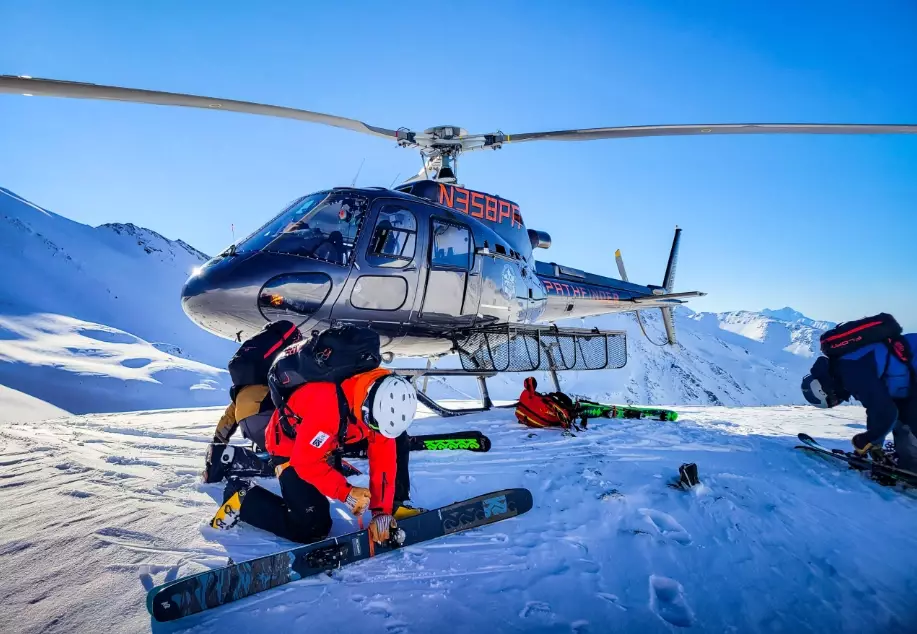
Quick Navigation: What's Inside This Guide
What Heliskiing Really Is (Beyond the Hype)
Let's strip away the marketing. Helicopter skiing isn't just "skiing with a helicopter ride." It's a logistics-heavy, weather-dependent operation that grants access to terrain far beyond any ski resort boundary. The helicopter is a taxi, but the real stars are the guides. These are mountaineers, avalanche forecasters, and route-finders who make split-second decisions that keep you alive.
I remember my first trip in British Columbia. The hype was about the vertical. What struck me was the silence. After the helicopter's roar fades, you're left in a profound quiet on a ridge, looking at a line no one has skied that season. The responsibility hits you. This isn't a patrolled piste. Your decisions, and your guide's, are everything.
The structure of a day varies. Some operations run from a remote lodge, others from a town. A typical day aims for 8-12 runs, but "weather days" where you don't fly at all are a real part of the package. You're paying for access, not a guaranteed vertical foot count.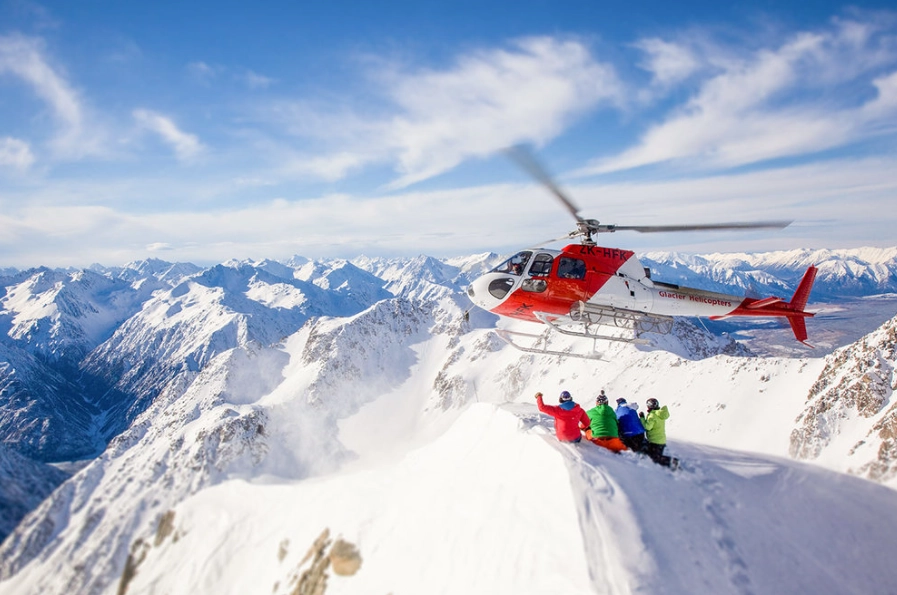
What Are the Real Risks of Heliskiing?
Any operator who downplays the risks isn't one you should trust. The danger is real, but it's managed through systems, not luck.
Avalanches: The Ever-Present Factor
This is the paramount concern. Reputable operators mitigate this with meticulous forecasting. Guides use tools like the Avalanche Canada bulletins, snowpack analysis, and constant terrain assessment. They're not just looking at today's snow; they're thinking about layers from storms two weeks ago. The industry standard for client safety is the guide's absolute authority. If they say a slope is off-limits, it's off-limits. No debate.
Environmental & Mechanical Risks
White-out conditions, sudden storms, and helicopter issues (thankfully rare with strict maintenance regimes) can strand groups. This is why carrying extra layers, food, and a headlamp in your pack is mandatory, not a suggestion. I've been on a ridge for three hours waiting for a weather window to clear for pickup. It was cold, but we were prepared.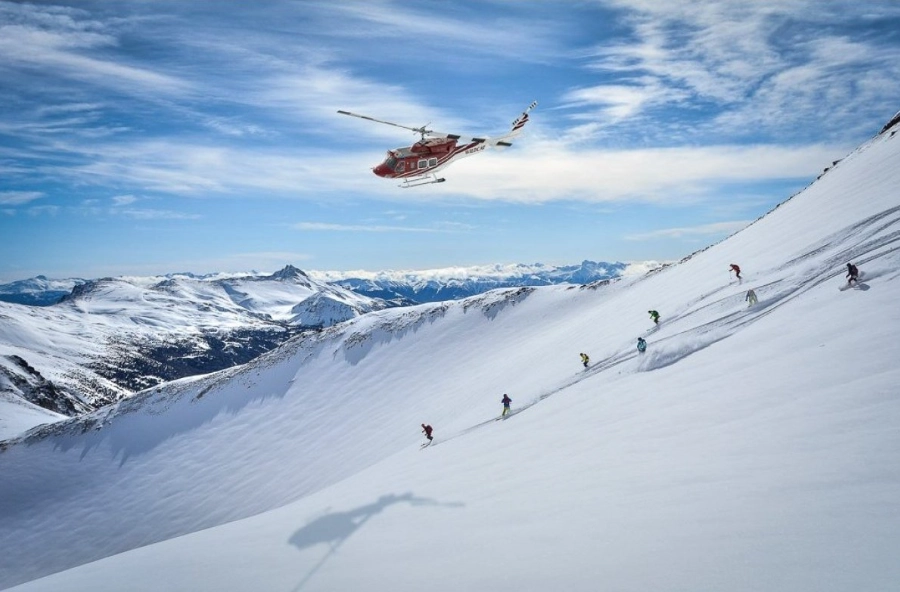
How Much Does a Heliskiing Trip Actually Cost?
Let's talk numbers, because the sticker shock is real. Package prices are just the start.
| Destination/Operator Example | Package Type | Approx. Price (USD) | What It Typically Includes | Good For |
|---|---|---|---|---|
| Canadian Rockies, BC (e.g., CMH Heli-Skiing) | 3-Day Lodge-Based | $4,500 - $6,500 | Lodging, meals, guides, helicopter time, ski rental. | First-timers, those wanting a full-service, immersive experience. |
| Valdez, Alaska (e.g., Alaska Backcountry Adventures) | Single Day | $1,200 - $1,800 | Guiding, helicopter, lunch. Lodging separate. | Experienced skiers testing the waters or adding to a resort trip. |
| Chilean Andes (Summer Skiing) | 5-Day Expedition | $7,000 - $10,000+ | Lodging, transport from Santiago, guides, heli-time. | Experts chasing endless winter, comfortable with high-altitude. |
Now, the hidden costs that bust budgets:
Specialized Insurance: Your credit card travel insurance is useless. You need a policy that explicitly covers helicopter evacuation and "high-risk sports." Expect $200-$500.
Gear: If your skis are under 110mm underfoot, rent powder skis ($50-$80/day). An avalanche airbag backpack is often required and can be an extra $30-$50/day rental.
The Buffer: Never book a tight schedule. Flights get delayed, weather shuts things down. Budget 2-3 extra nights of accommodation and food in the nearest town. This can easily add $500-$1000.
Gratuities: Standard is 10-15% of the package price for guides and lodge staff, paid at the end. That's another $500 on a $5k trip.
So a "$5,000 trip" can easily become a $7,000 reality. Plan for it.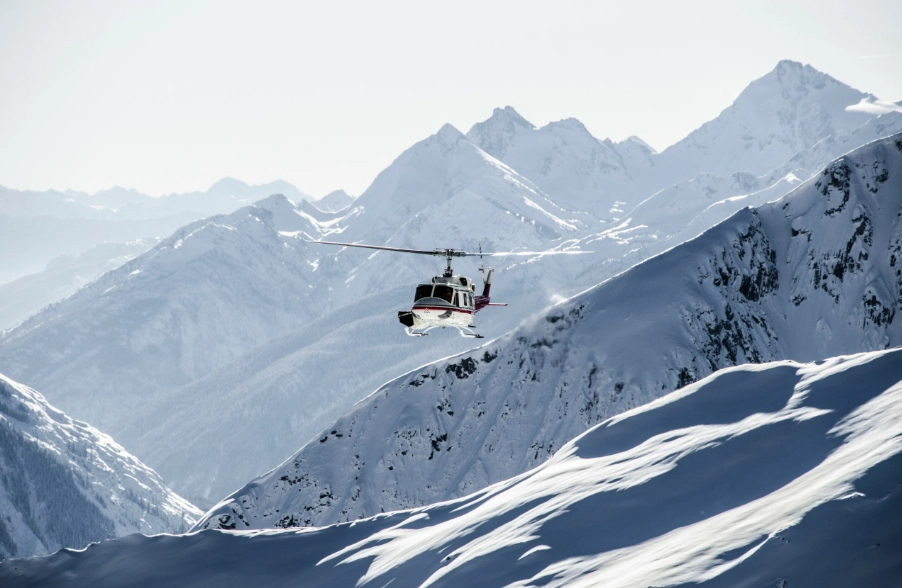
The Non-Negotiable Physical Preparation
This is where most first-timers fail. You need legs of steel and cardio for days.
I've guided groups where a fit-looking guy from Colorado was gassed by lunch on day one. Resort skiing, even aggressively, doesn't replicate the constant thigh-burning of 10 powder runs, hiking for traverse, and the sheer concentration required.
Start training at least 3 months out:
Leg Strength: Squats, lunges, box jumps. Focus on eccentric strength (the lowering motion) to handle the pounding.
Cardio: HIIT workouts, uphill hiking with a weighted pack, cycling. You need to recover quickly between runs at altitude.
Core & Flexibility: A strong core saves you when you get tossed in variable snow. Yoga or pilates twice a week makes a difference.
Many operators, like those under the HeliCat Canada association, now provide specific training plans. Use them. Showing up unfit is a waste of your money and a safety concern for your group.
Choosing Your Destination: A Reality Check
Where you go depends on your skill, goals, and tolerance for adventure.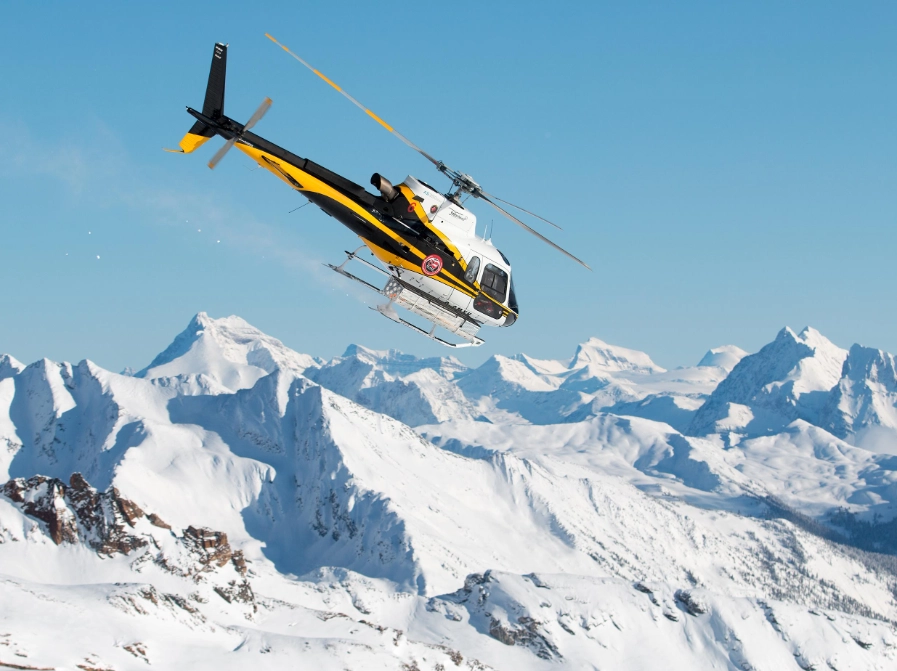
British Columbia, Canada: The Gold Standard
Places like the Cariboos, Monashees, and the Bugaboos are heliskiing's birthplace. The tenure system here means operators have exclusive rights to vast, managed areas. The snow is reliably deep (the famous "Champagne Powder"), and the tree-skiing provides options in poor visibility. It's the most "user-friendly" and consistent introduction. Operators like CMH and Mike Wiegele Helicopter Skiing are institutions.
Alaska, USA: The Big Mountain Arena
This is the big league. Based out of Valdez or the Tordrillo Mountains, it's all about massive, above-treeline faces, steep couloirs, and a maritime snowpack that's deep but requires expert handling. The weather is more volatile. You need to be comfortable with exposure and variable conditions. It's less about countless runs and more about iconic, heart-stopping lines. Guides here are a different breed of mountain savant.
Europe (Alps) & South America
European heliskiing is often more restricted due to regulations, focusing on specific high-altitude glaciers or guided traverses. South America (Chile/Argentina) offers summer skiing (June-Oct) on volcanic terrain. It's fantastic for extending the season, but the snow quality can be variable, and the culture is more ad-hoc than the hyper-systematized North American model.
My advice? Unless you have a specific dream of Alaska's spines, start in Canada. The infrastructure, safety systems, and terrain progression are unparalleled for building confidence.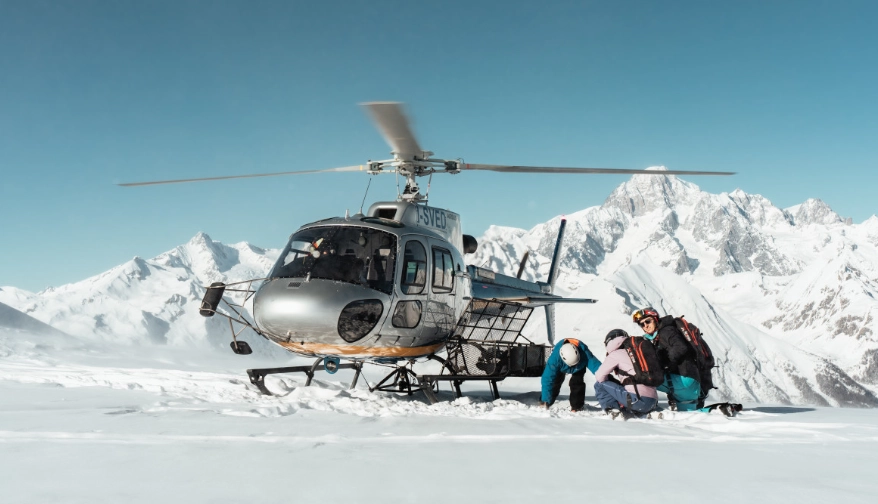
Your Burning Questions, Answered
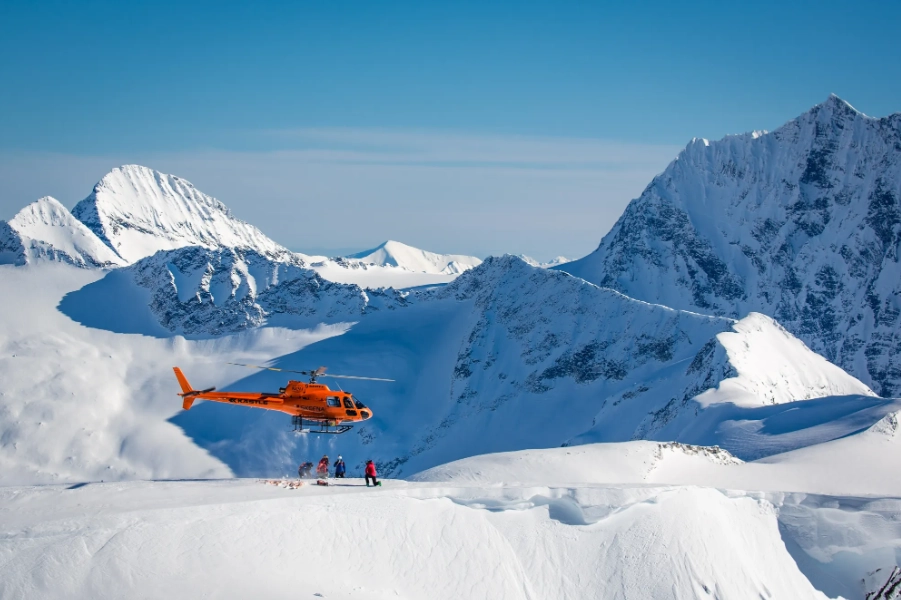 Is heliskiing in Alaska fundamentally different from heliskiing in Canada?
Heliskiing isn't for everyone. It's expensive, demanding, and carries inherent risk. But for those who prepare—physically, mentally, and financially—it delivers an experience that redefines what skiing can be. It's not about bragging rights. It's about those moments of absolute focus, the partnership with your guide, and the earned turns in mountains few will ever see. Do your homework, choose wisely, and train hard. The mountains will provide the rest.