Your Quick Guide to Gondola Lifts
- How Does a Gondola Lift Actually Work? The Machinery Behind the Magic
- A Quick Trip Through History: From Mining to Mountains
- Types of Gondola Lifts: Picking the Right Ride
- The Experience: What It's Actually Like to Ride One
- Safety, Maintenance, and Those Nagging "What If" Questions
- The Environmental Equation: Are Gondola Lifts Green?
- Beyond Skiing: The Unexpected Uses of Gondola Technology
- Gazing into the Crystal Ball: The Future of Gondola Lifts
- Your Gondola Lift Questions, Answered (The Stuff You Actually Google)
I remember the first time I really noticed a gondola lift. It wasn't from some glossy travel brochure. I was stuck in traffic on a winding mountain road, my car overheating, and I looked up. There it was, gliding silently overhead, little cabins floating through the pine trees like something from a dream. The people inside were sipping coffee, pointing at views, completely unaware of the sweaty struggle happening below. That's when it clicked. This wasn't just transport; it was an experience. A cheat code for mountains.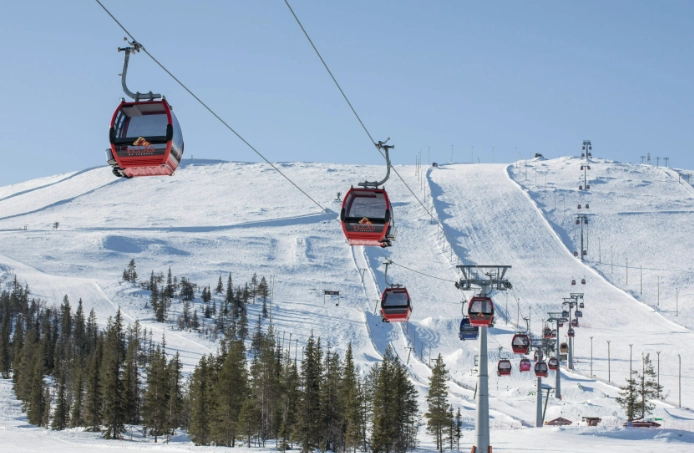
But what exactly is a gondola lift? You hear the terms tossed around – cable car, aerial tram, ski lift. It gets confusing. At its heart, a gondola lift is a type of aerial lift where enclosed cabins (the gondolas) are suspended from a continuously circulating cable. Unlike a chairlift where you're exposed to the elements, you're in a cozy little box. The cable runs in a loop between two terminals, powered by a massive motor in one of them. Simple idea, brilliant execution.
How Does a Gondola Lift Actually Work? The Machinery Behind the Magic
It feels like magic, but it's really just physics and engineering. Let's strip away the romance for a second and look at the guts of the thing. The entire system is a masterpiece of tension and grip.
The main component is, unsurprisingly, the cable. We're talking about a thick, steel rope that forms a giant, moving loop. It's not just one piece; it's wound from hundreds of strands for insane strength. This cable is driven by a monstrous electric motor and a gearbox in the drive station – imagine a spinning wheel that's several meters in diameter. The tension in the cable is maintained by a counterweight system or hydraulic rams in the return station, keeping it taut enough to prevent sagging but not so tight it snaps.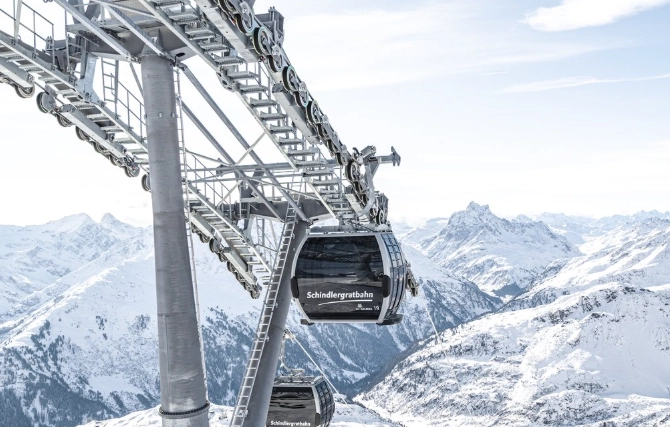
Now, the cabins. On a modern detachable gondola lift, the magic happens at the terminals. The cabin's grip clamps onto the moving cable for the journey. As it approaches the station, it enters a separate, slower track. A mechanism gently releases the grip from the main haul rope, and the cabin coasts through the station at a walking pace so you can get on and off safely. Then it re-attaches and zooms off again. This detachable tech is why modern lifts can have such high capacity – cabins are constantly loading while others are on the line.
Key Parts of the System (In Plain English):
- The Haul Rope: The main "highway" cable that does the pulling. It's always moving.
- The Grip: The fist-like clamp on the cabin that holds onto the haul rope. The detachable ones are engineering marvels.
- The Drive Station: Houses the brain and brawn – the control room and the giant motor/gearbox/wheel (called a bullwheel) that moves the cable.
- The Return Station: The other end. It guides the cable loop back and houses the tensioning system.
- The Towers: The steel skeletons holding the cable up. They have sheaves (big wheels) that guide the cable and cabins over the terrain.
I once got a behind-the-scenes tour of a maintenance bay. The smell of grease and the sheer scale of the spare parts – gears the size of tractor tires, coils of cable thicker than my arm – it was humbling. This isn't playground equipment. It's heavy industry designed for public safety, and the engineering tolerance is insane.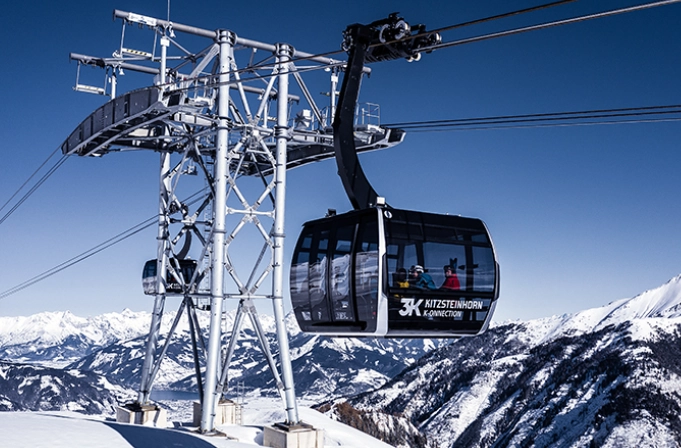
A Quick Trip Through History: From Mining to Mountains
It's funny to think that the ancestor of your scenic ride to a mountain cafe was probably hauling ore out of a dirty mine. The earliest aerial ropeways were purely utilitarian, dating back centuries. But the real leap for passenger service came in the early 20th century, driven by the growing popularity of alpine tourism.
One of the first dedicated passenger gondola lifts was the Kohlerer Bahn in Bolzano, Italy, which opened in 1908. Imagine riding that – probably more adventurous than relaxing! The technology evolved through the mid-1900s, with big leaps in safety and comfort. The real game-changer was the development of the detachable grip in the 1970s and 80s. This allowed cabins to slow down in the station, making boarding easier for families with kids and skiers with all their gear, while maintaining high speed on the line. It transformed the gondola lift from a niche transport into a high-capacity people mover.
Types of Gondola Lifts: Picking the Right Ride
Not all gondolas are created equal. The type you ride drastically changes the experience. Here’s a breakdown of the main families you'll encounter out in the wild.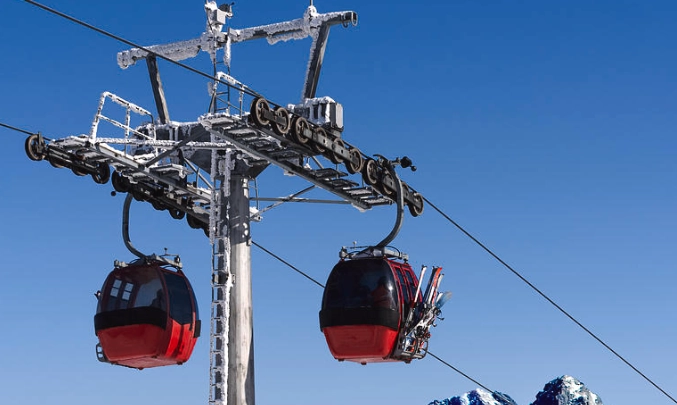
| Type | How It Works | Best For | Where You Might See It | My Take on the Vibe |
|---|---|---|---|---|
| Pulsed Gondola (Aerial Tramway) | One or two large cabins shuttle back and forth on a fixed cable. | Crossing large spans (over rivers, valleys), high-capacity point-to-point. | Roosevelt Island Tramway (NYC), Sandia Peak Tramway (NM), many urban systems. | Feels more like public transit. Can get crowded. The sway on a long span is... noticeable. |
| Monocable Detachable Gondola (MDG) | Multiple cabins on a single, continuously moving cable. Cabins detach in stations. | High-volume ski resort access, medium-distance scenic lifts. | Almost every major ski resort (Vail's Gondola One, Whistler's Peak 2 Peak). | The workhorse. Efficient, frequent, but sometimes lacks charm. The standard for a reason. |
| Bicable Detachable Gondola (BDG) | Two cables: one stationary track rope for support, one moving haul rope for propulsion. | Longer spans, higher wind stability, heavier cabins (like ones with bathrooms!). | The new generation of mega-lifts in the Alps, like the 3S lift connecting Zermatt and Cervinia. | The luxury sedan. Smoother, quieter, more stable in wind. You feel the upgrade. |
| Tricable Gondola (3S) | Three cables: two stationary, one haul. Ultimate stability and span length. | Record-breaking spans, crossing extreme terrain, maximum cabin size/weight. | Peak 2 Peak (Whistler, BC - holds the record for longest unsupported span), Kitzsteinhorn (Austria). | Engineering spectacle. The ride is so stable it feels unnatural over a huge void. Impressive, not always cozy. |
That 3S lift at Whistler? I've been on it. Looking down between your feet through the glass floor as you hover over a 1,400-foot drop is an experience that redefines "view." It also feels incredibly safe, precisely because it's so over-engineered.
The Experience: What It's Actually Like to Ride One
Okay, enough tech talk. What's the ride like? It varies wildly.
A modern ski resort gondola lift is often functional. You queue up, shuffle forward with your skis, hop in a warm cabin with heated seats (yes, really), and you're whisked up the mountain in minutes. The focus is on the destination. The conversation is about snow conditions. It's great, but it's a means to an end.
Contrast that with a dedicated scenic gondola ride. The journey is the destination. You take your time. You point out wildlife. You sit in silence and just watch the world unfold beneath you. The gentle sway, the hum of the cable, the way the light changes as you ascend – it's meditative.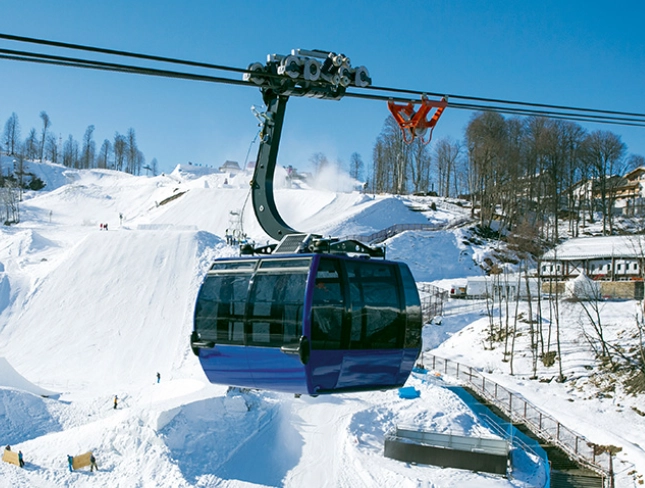
Pro-Tips for the Best Gondola Experience:
- Timing is Everything: First thing in the morning often has the clearest light and smallest crowds. Late afternoon can have magical golden hour views.
- Dress in Layers: It can be 20 degrees (Fahrenheit) colder at the top. Even in a closed cabin, you'll get out up there.
- Check the Wind Forecast: High winds can cause operations to slow or stop. No one enjoys a bouncy, halted cabin.
- Have Your Camera Ready Before You Board: The best views are often right as you leave or approach the station, when you're too flustered to dig in your bag.
- If you're nervous: Sit on the side facing the mountain, not the valley. Don't look straight down if it bothers you. Focus on the horizon.
My personal favorite is riding one just before a storm rolls in. The light gets dramatic, the clouds boil around the towers, and you feel like you're stealing a trip to another world before the window slams shut. It's eerie and beautiful.
Safety, Maintenance, and Those Nagging "What If" Questions
Let's address the elephant in the room. Is a gondola lift safe? It's the question everyone thinks but few ask out loud. Hanging from a cable thousands of feet in the air? What if it breaks?
The short, reassuring answer is: they are incredibly safe, statistically far safer than the car ride to get to them. The long answer is about why. It's not luck; it's a regime of obsessive, redundant safety.
First, the cables are designed with a factor of safety often exceeding 5. That means the cable can hold at least five times the maximum load it would ever experience. They're X-rayed and tested constantly. Second, the drives have multiple redundant braking systems: primary service brakes, emergency brakes, and a failsafe grip brake that clamps onto the track if all else fails. The industry standard is that a system must be able to stop safely even if the primary drive fails.
Maintenance is relentless and codified. Organizations like OITAF (International Organization for Transportation by Rope) set rigorous international standards. Daily visual checks. Weekly function tests. Annual major inspections where every component is scrutinized. It's a culture of zero-tolerance for risk.
What about evacuation? Yes, they plan for it. If a lift stops for a prolonged period (usually a power or mechanical issue, not a cable failure), trained crews can evacuate passengers using rappel systems or adjacent rescue trolleys. It's a slow, careful process, but it's drilled regularly. The goal is to never need it, but to be flawless if you do.
The Environmental Equation: Are Gondola Lifts Green?
This is a hot topic, and the answer isn't a simple yes or no. It's a fascinating trade-off.
On the pro side, a well-planned gondola lift system can be a fantastic tool for sustainable mobility. In cities, like the Mi Teleférico in La Paz, Bolivia, or the Portland Aerial Tram, they provide mass transit with a tiny physical footprint compared to roads or rail. They run on electricity (which can be green), produce no local emissions, and reduce traffic congestion. In natural areas, they concentrate impact. One lift line can replace a network of eroding hiking trails or winding, polluting shuttle buses. The National Park Service carefully evaluates these trade-offs when considering such infrastructure in protected areas.
On the con side, the construction impact is real. Building towers in sensitive alpine or forest environments involves heavy machinery, foundation digging, and disruption. The visual impact is permanent – you can't hide a line of steel towers. There's also the energy use of running the system, and the potential to increase human traffic in fragile ecosystems at the top.
So, are they green? It depends. A lift built to lure more tourists into a pristine wilderness? Questionable. A lift that replaces thousands of car trips up a congested mountain road, like those studied for many national parks? That has a strong environmental argument. The key is thoughtful integration, not just plopping down a ride for the sake of it.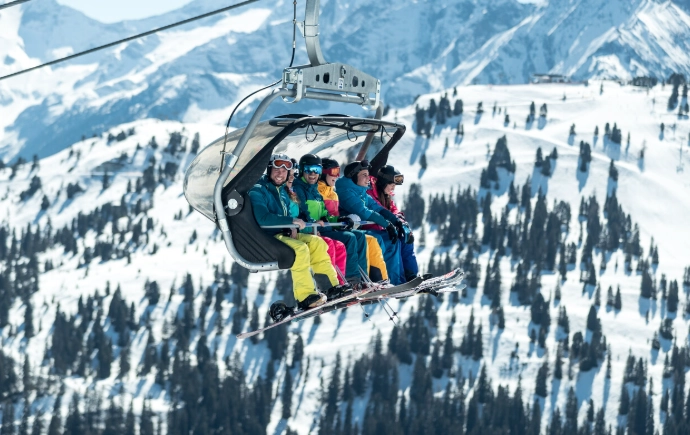
Beyond Skiing: The Unexpected Uses of Gondola Technology
While we associate them with mountains, the application of gondola or aerial ropeway technology is spreading in brilliant ways.
Urban Transit: This is the big one. Cities with difficult terrain (hills, waterways) are looking at gondola lifts as affordable, quick-to-build public transit. They're called "aerial ropeways" or "cable-propelled transit" in planning documents. They bypass ground-level traffic entirely. La Paz's system is the most extensive, but proposals and small systems exist from London to Austin.
Material Transport: The original use is still alive. Factories, mines, and construction sites use enclosed ropeway systems to move materials efficiently across complex sites.
Unique Attractions: Some are pure spectacle. The Palm Springs Aerial Tramway climbs nearly 6,000 feet up the sheer face of the San Jacinto mountains. The Ngong Ping 360 in Hong Kong offers stunning views of the airport and Buddha. These are destinations in themselves.
Gazing into the Crystal Ball: The Future of Gondola Lifts
Where is the technology going? It's not stagnant. Innovation is focused on comfort, capacity, and integration.
We're seeing cabins with panoramic glass roofs, interactive digital guides on the windows, and even luxury cabins with leather seats and audio systems. The move towards bicable and tricable systems is about making the ride smoother and allowing for even longer, more ambitious spans.
Integration with other transit is key. The future is a seamless journey: your transit card taps you onto a bus, then a gondola, then a bike share. Real-time data and smart scheduling will make these systems feel less like isolated attractions and more like part of the urban fabric.
There's also research into even more efficient drives, lighter materials, and better wind-defying designs. The goal is to make them quieter, more energy-efficient, and able to operate in a wider range of conditions.
Your Gondola Lift Questions, Answered (The Stuff You Actually Google)
Look, at the end of the day, a gondola lift is a tool. It can be a utilitarian people-mover, an economic engine for a town, a solution to an urban traffic jam, or a passport to a view you could never earn on foot.
But for you and me, the riders, it's something simpler. It's a moment of pause. A chance to literally rise above the noise and clutter of the ground, to see the shape of the land, and to remember that getting there can be just as good as being there. So next time you see one, don't just look at it as a ticket to the top. See it as an invitation to shift your perspective, if only for ten quiet minutes, suspended between earth and sky.
Just maybe check the weather first.