Picking a ski resort in North America isn't just about finding snow. It's about matching a mountain's personality to your own. Are you chasing steeps so deep your legs burn just looking at them? Or is it about hot tubs, fine dining, and keeping the kids happy while you sneak in a few groomer laps? The continent has it all, but most guides just list places. They don't tell you which one actually fits you.
I've spent over a decade skiing from the icy chutes of the East to the bottomless powder of the Rockies and the coastal giants of the West. The biggest mistake I see? People choose a resort based on fame or vertical drop alone, then spend a week in a place that doesn't suit their style. This guide is different. We're going to sort resorts by vibe and skier type, not just geography.
What’s Inside This Guide
Find Your Resort Match: A Personality Guide
Forget states and provinces for a second. Let's talk about what you actually want from your ski days.
Pro Tip: Snow quality is king, but it's volatile. Don't book a trip to a "powder mecca" in a low-snow year and expect miracles. Always have a backup plan within the region—like choosing a resort with great tree skiing (which holds snow better) or one with top-tier snowmaking.
The Family Fortress: Where Everything Just Works
You need ski school that doesn't cause parental anxiety, gentle beginner areas that aren't an afterthought, and a base village where you can let the kids roam. Nightlife is an early dinner and maybe a movie.
Keystone, Colorado: This place gets families. Night skiing keeps the fun going after early sunsets. The learning area is vast and separate from experts barreling down. Lodging is ski-in/ski-out galore, and you're on the Epic Pass. A week here for a family of four, with lift tickets, mid-range condo, and meals, can run $6,000-$8,000. It's not cheap, but the convenience factor is huge.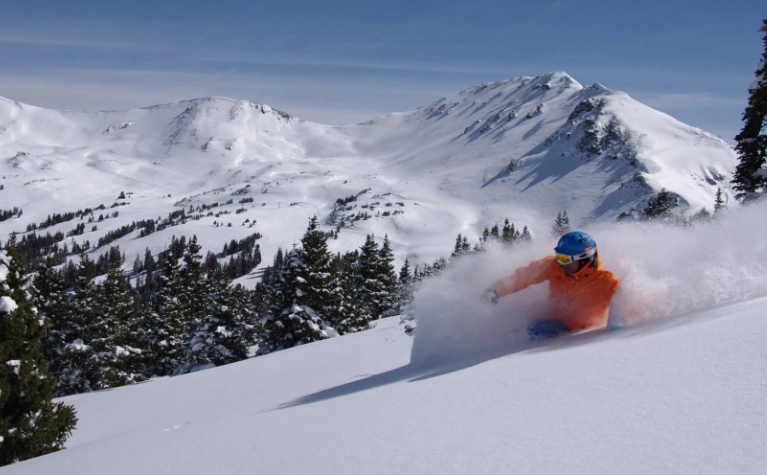
Smugglers' Notch, Vermont: Consistently ranked #1 for families. It's intentionally not on a mega-pass, which keeps crowds down. Their kids' programs are legendary—structured, fun, and safe. The vibe is pure, old-school New England charm. The trade-off? It's remote. You're flying into Burlington and driving an hour. But for a stress-free family trip, it's hard to beat.
The Expert's Playground: Where Legends Are Made
You live for terrain that makes you pause at the top. You want hike-to chutes, sprawling bowls, and a local culture that respects the mountain, not just the apres scene.
Jackson Hole, Wyoming: The icon. The tram is a pilgrimage. Corbet's Couloir is there, staring you down. But the real secret? The sheer volume of expert terrain around the famous bits. The backcountry gates (with proper gear and knowledge) offer endless possibilities. Stay in Teton Village for slope access or in the town of Jackson for more character. My first time here, I vastly overestimated my stamina. The vertical is real.
Alta/Snowbird, Utah: Two resorts, one canyon, unlimited steep and deep. Alta is skiers-only, which purists love. Snowbird's Mineral Basin is a sun-drenched bowl of bliss. The snow? The famous Utah powder is often lighter and drier than Colorado's. Little Cottonwood Canyon access can be a nightmare on a powder day—you need to be on the first bus or have a 4x4. Lodging is sparse in the canyon; many stay in Sandy or Salt Lake City (a 30-45 min drive).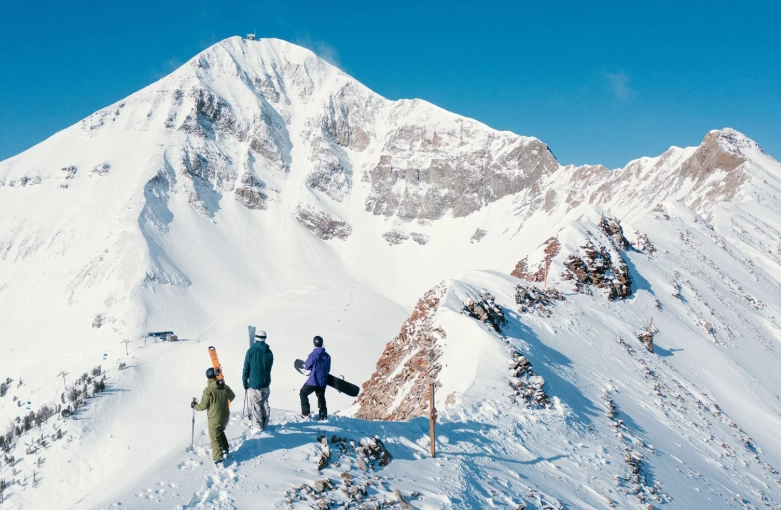
The Luxury Escape: Where the Ski Day is Just the Beginning
The ski experience is wrapped in five-star service, Michelin-worthy dining, and shopping that requires a credit card limit increase. The runs are impeccably groomed, and the goal is indulgence.
Aspen Snowmass, Colorado: Four mountains, one dazzling town. Aspen Mountain (Ajax) is right in town, steep and chic. Snowmass is the family-friendly giant. Buttermilk is for beginners. Highlands has the legendary Highland Bowl. The town is… Aspen. Dinner at Cache Cache, shopping on Galena Street. A hotel like The Little Nell sets the standard. This is the pinnacle, and your budget will know it. A fancy long weekend can easily hit five figures for two.
Deer Valley, Utah: The other side of the luxury coin. It's meticulously curated—limited lift tickets, no snowboards, groomers that feel like corduroy carpets, and on-mountain dining that's a legitimate restaurant experience. The Stein Eriksen Lodge is iconic. It's less about partying and more about refined comfort. It's perfect for those who want the challenge taken out of everything except the skiing itself.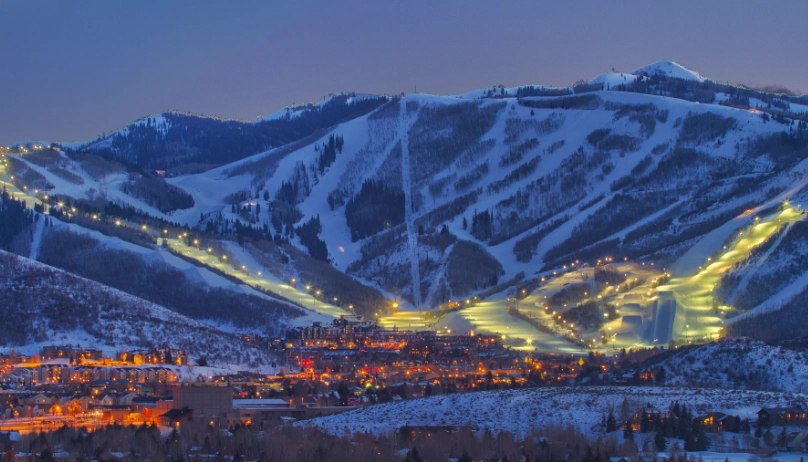
| Resort Type | Top Pick (West) | Top Pick (East) | Key Thing to Know |
|---|---|---|---|
| Family Fortress | Keystone, CO | Smugglers' Notch, VT | Prioritize ski school quality and pedestrian-friendly villages over sheer acreage. |
| Expert's Playground | Jackson Hole, WY | Jay Peak, VT* | *For East Coast experts, Jay gets the most snow and has glades that feel western. Check the border crossing if coming from Canada. |
| Luxury Escape | Aspen, CO | Stowe, VT | Book dining and spas well in advance. The experience is as much off-slope as on. |
| Powder Hound | Revelstoke, BC | — | The most vertical in North America. It's remote, raw, and for serious skiers only. Fly into Kelowna. |
How to Plan Your North America Ski Trip
Once you've picked your mountain personality, the real work begins. Here's a step-by-step framework I use.
Step 1: Lock in Your Dates (And Be Flexible)
Holiday periods (Christmas, Presidents' Week) are expensive and crowded. If you can, aim for January (cold but less busy) or late March/April (longer days, spring snow). Always check the resort's event calendar—you don't want to accidentally book during a massive competition that closes half the mountain.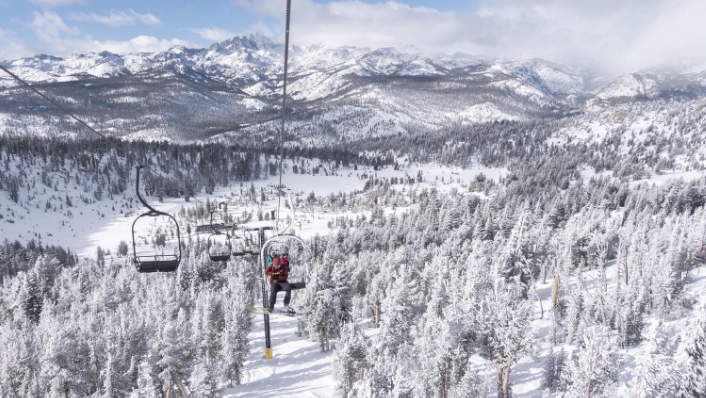
Step 2: The Lift Ticket Dilemma
Buying a day ticket at the window is financial suicide. Your options:
- Multi-Resort Pass: Epic Pass, Ikon Pass, Mountain Collective. If you ski 5+ days a year, this is almost always the answer. But—read the fine print. Blackout dates, reservation requirements (less common now), and limited access to certain resorts can trip you up. Ikon's partnership with Aspen, for example, has daily limits.
- Resort-Specific Passes: Many mountains sell advance, non-refundable tickets online at a discount. Buy these the moment your flights are booked.
Step 3: Where to Lay Your Head
Ski-in/ski-out is glorious but commands a 30-50% premium. A cheaper condo a 10-minute shuttle ride away can save thousands. Use those savings for rentals or meals. For big groups, look at platforms like VRBO for whole homes. For solo or couple trips, sometimes a hotel package with lifts included is the best deal.
Step 4: Getting There and Around
Major hubs: Denver (for Colorado), Salt Lake City (for Utah), Vancouver/Calgary (for Canadian Rockies). Rent a 4WD or AWD vehicle. I cannot stress this enough. Mountain roads in winter are no joke. Even if the resort shuttle is good, having a car for groceries and exploring is worth it.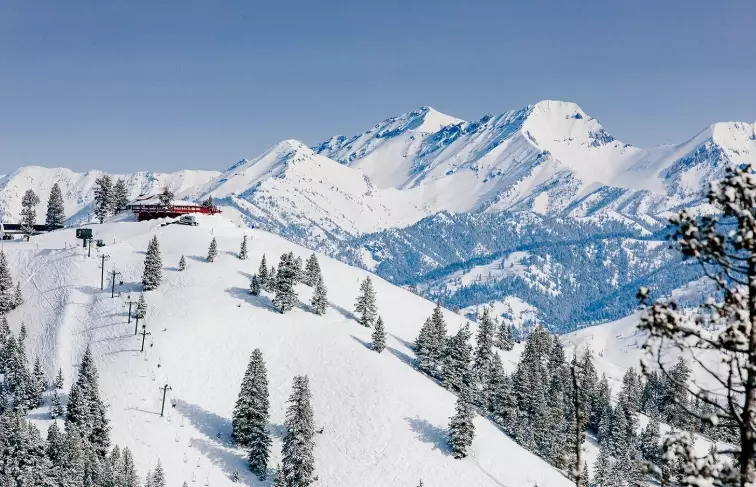
The Terrain Decoder: What Those Terms Really Mean
Resorts love to throw around stats. Here’s the translation.
"Skiable Acreage": A big number is good, but it's how the terrain is distributed. A resort with 3,000 acres of flat beginner runs is useless for an expert. Look at the trail map percentage breakdown (green/blue/black).
"Vertical Drop": The height from top to bottom. More vertical means longer, more sustained runs. East Coast resorts might have 2,000 feet; Western giants have 3,000-4,000+.
"Annual Snowfall": The holy grail statistic. Pacific Northwest and Utah Rockies often win. But “wet” coastal snow (like at Whistler) is heavier than “dry” continental snow (like in Colorado). It’s a different skiing experience.
"Bowls & Glades": Bowls are open, above-tree-line expanses—great on a powder day, terrifying in a whiteout. Glades are tree runs. Spaced-out trees are skier's paradise; tight trees are an obstacle course.
A Non-Consensus View: Everyone obsesses over a resort's maximum difficulty. The real mark of a great mountain is the quality of its easiest expert terrain—the long, rolling, accessible black diamonds that let advanced intermediates step up safely. Resorts that nail this (think Park City's groomed blacks or Whistler's Symphony Bowl) create better skiers.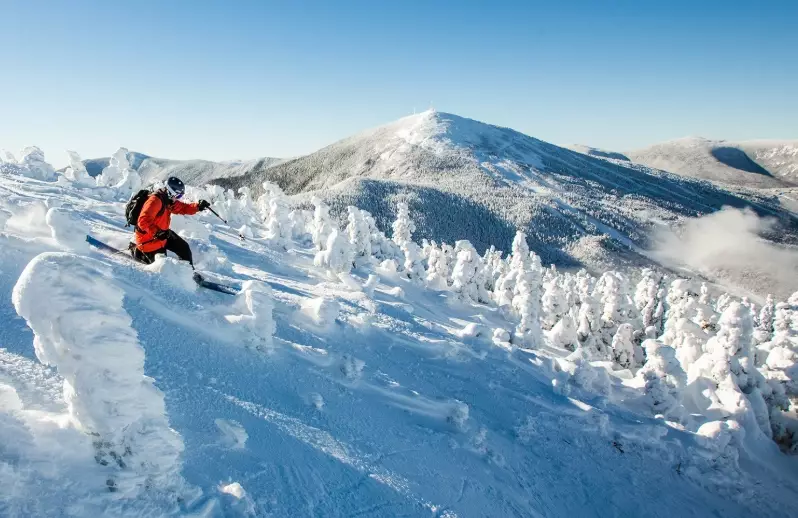
Your Ski Trip Questions, Answered
The right North America ski resort for you is out there. It's not the one with the most Instagram fame, but the one whose trails, towns, and temperament align with what you want your winter escape to be. Use this guide as a filter. Narrow it down by who you're skiing with and what you value most, then dive into the details. The mountains are waiting.