I still remember the first time I stood at the top of a real, snow-covered ski jump. It wasn't one of the monsters you see on TV—just a modest K40 hill in Norway. But looking down that steep, icy track, my brain screamed one thing: this is not natural. The quiet up here is different. It's heavy. Then you push off, the wind starts to roar in your ears, and for a few seconds, you're not falling. You're flying. That feeling, that bizarre mix of terror and pure freedom, is what this sport is built on. But ski jump isn't just for the lunatics in spandex suits. It's a fascinating piece of engineering, a global tourism draw, and yes, something you can cautiously approach yourself.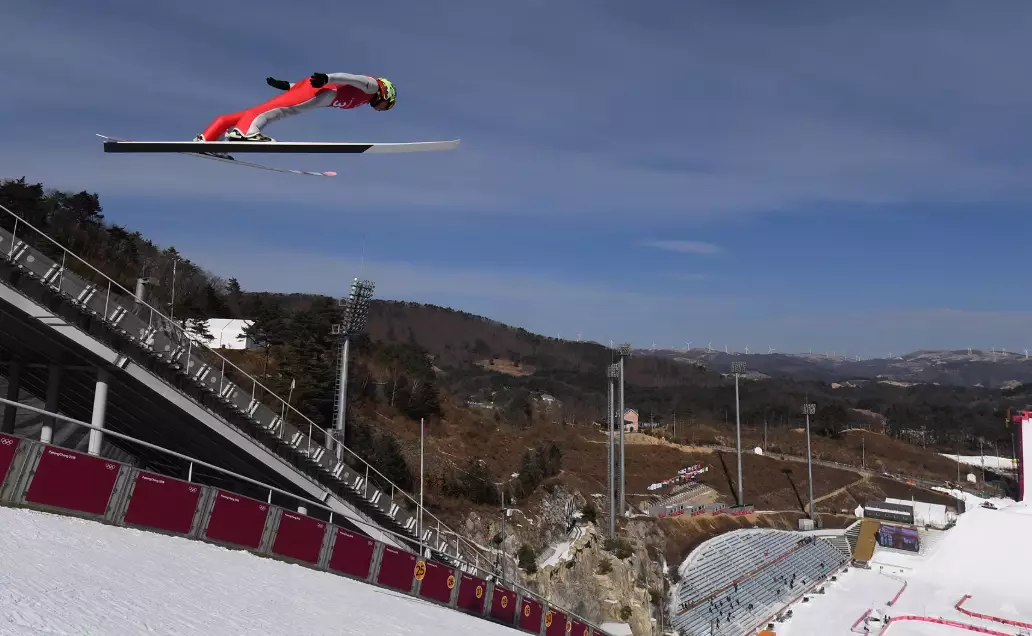
Your Quick Guide to the World of Ski Jumping
Understanding the Sport: It's Not Just "Jumping"
If you think ski jumping is about who jumps the farthest, you're only half right. It's a physics exam held in mid-air. Distance matters, but style is the other half of your grade. Judges award points for flight stability, landing form (that iconic Telemark landing), and overall body control. Fall on landing? That's a massive deduction.
The magic happens in three phases, and most beginners misunderstand the first one completely.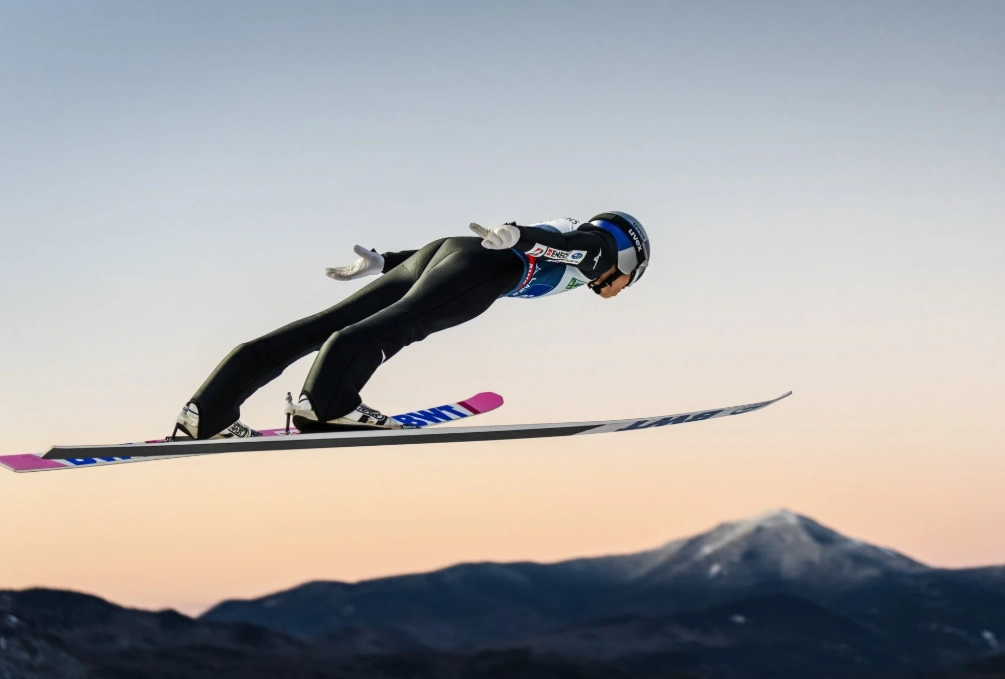
The In-Run: Where Control is Everything
You're tucked into a deep crouch, skis in a V-shape to reduce drag. This isn't passive waiting. You're actively fighting the acceleration, maintaining perfect balance. Any wobble here magnifies on take-off. The in-run isn't a ride to the jump; it's the first part of the jump.
The Take-Off: The Make-or-Break Millisecond
This is the critical moment most TV coverage glosses over. As you hit the lip of the take-off table, you don't just "let go." You execute a powerful, explosive extension of your ankles, knees, and hips. The goal isn't to jump up, but to jump forward, converting downhill speed into aerodynamic lift. Do it too early or too late, and your flight path is ruined. It's a timed push, not a hop.
The Flight and Landing: Becoming a Wing
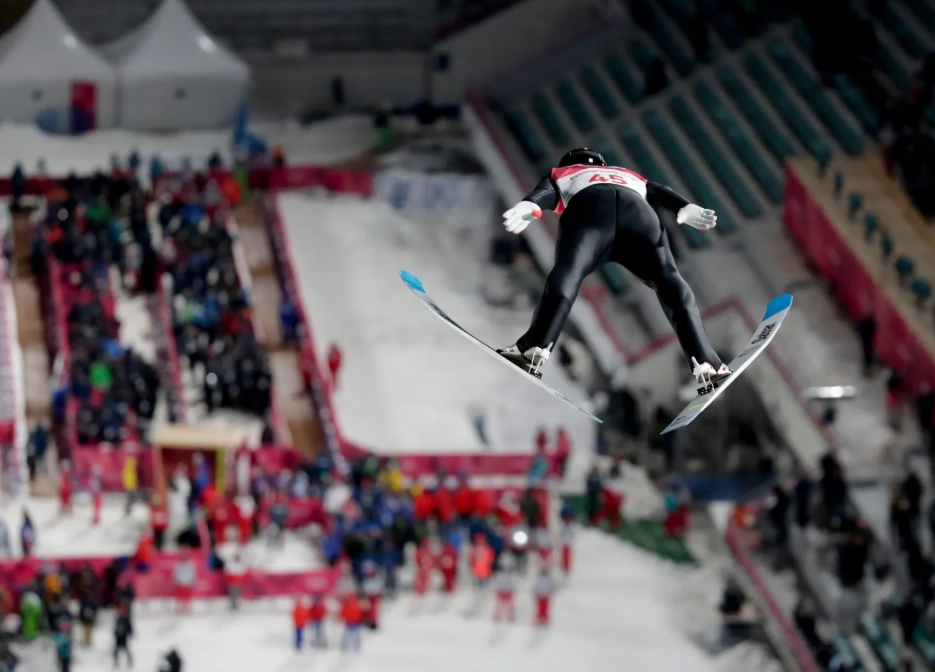
Now you're airworthy. Skiers lean forward, skis in a wide V, body parallel to the skis. This position turns the skier and skis into a wing, creating lift. They're not falling; they're piloting. The landing requires absorbing immense force while hitting the Telemark stance—one ski forward, one back, knees bent—for stability and style points. It looks graceful because it has to be. A stiff-legged landing at 90 km/h isn't an option.
A Quick Note on Hill Sizes
You'll hear terms like HS140 or K120. The 'K' point (or 'Kritisch' point) is the hill's target landing zone. A K120 hill is built for jumps around 120 meters. The HS (Hill Size) is the point where the hill begins to flatten out, roughly the maximum safe jump distance. A larger K-point means a bigger, scarier, and faster hill.
Iconic Hills You Can Actually Visit
You don't need to be an athlete to experience the scale of these structures. Many are open year-round as museums and viewpoints. Here are a few where the tourist experience is almost as compelling as the sport itself.
| Jump Name & Location | Key Features & Why Visit | Visitor Access & Tips |
|---|---|---|
| Holmenkollbakken, Oslo, Norway | The Wimbledon of ski jumping. Hosts the iconic Holmenkollen Ski Festival. Futuristic architecture with a cantilevered take-off. Integrated ski museum traces the sport from wood skis to the modern era. | Open: Year-round. Must-do: Take the elevator to the take-off platform. The view over Oslo is staggering. The museum is extensive. Check for closures during summer training camps. A city metro ride away. |
| Bergisel Ski Jump, Innsbruck, Austria | Designed by star architect Zaha Hadid. A twisting, sculptural tower that looks like it's in motion. Home of the legendary Four Hills Tournament. | Open: Year-round. Must-do: The funicular ride up the tower. The café at the top offers panoramic Alpine views. The stadium below is an active training center—you might see jumpers. |
| Salpausselkä Ski Jumps, Lahti, Finland | A trio of hills (K116, K90, K38) in a forest setting. Lahti is a historic ski town with a fantastic sports museum. Less flashy, more authentic. | Open: Museum and tower access seasonal. Must-do: Visit the nearby Finnish Ski Museum. In winter, you can often watch training sessions. The area has great cross-country trails. |
| Olympic Jump Complex, Lake Placid, USA | The 1980 Olympic jumps. Features a unique Skyride (glass elevator) and the Skyflyer zip line that lets you experience a jumper's descent (without skis). | Open: Summer & Fall seasons primarily. Must-do: The zip line is a legit adrenaline rush. The museum focuses on the 1980 "Miracle on Ice" Olympics. Great for families. |
Visiting these places gives you a raw sense of the scale. The incline looks so much steeper in person. The silence at the top is palpable. It turns TV spectacle into tangible respect.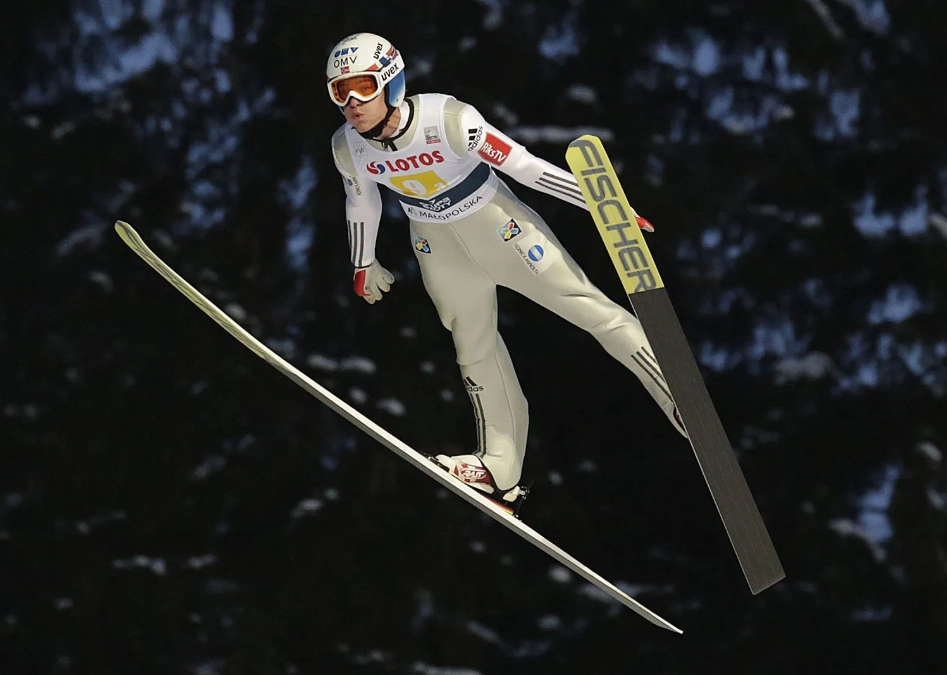
How to Start Training (Without Killing Yourself)
Want to feel a fraction of that flight? You can. The path isn't straight to an Olympic hill. It's a ladder, and the first rung is on the ground.
Forget snow for now. Start on a summer plastic jump (Mattenskispringen). These synthetic surfaces mimic snow and are used for year-round training. They're shorter, slower, and more forgiving. Search for "summer ski jump" or "plastic ski jump" near you. Many central European clubs and some in the US and Japan have them.
Your first session should always be with a certified instructor. A good club will make you do hours of dry-land training first:
- Imitation Exercises: Practicing the take-off motion on a marked track on flat ground.
- Landing Position Drills: Holding the Telemark stance on a gym floor until your muscles burn.
- Roller Ski Jumps: Using roller skis on a small, paved jump ramp.
The physical demand is specific. It's not just leg strength. It's explosive power from your calves and quads for the take-off, immense core stability to hold the flight position, and balance that borders on the supernatural. Plyometrics, box jumps, and lots of balance board work are staples.
Then comes the mental part. You learn to focus on a process, not the outcome. Your checklist: stable in-run, feel the transition, explosive extension, immediate flight position. You don't think "don't crash." You think "hips forward."
The progression is glacial. You might spend a whole summer on a K10 hill. Then K20. The jumps get bigger by meters, not tens of meters. This slow build is what keeps it safe(ish). According to data from the International Ski Federation (FIS), the sport's safety record has improved dramatically with modern hill design and this graduated training philosophy. The danger isn't in the controlled environment; it's in skipping steps.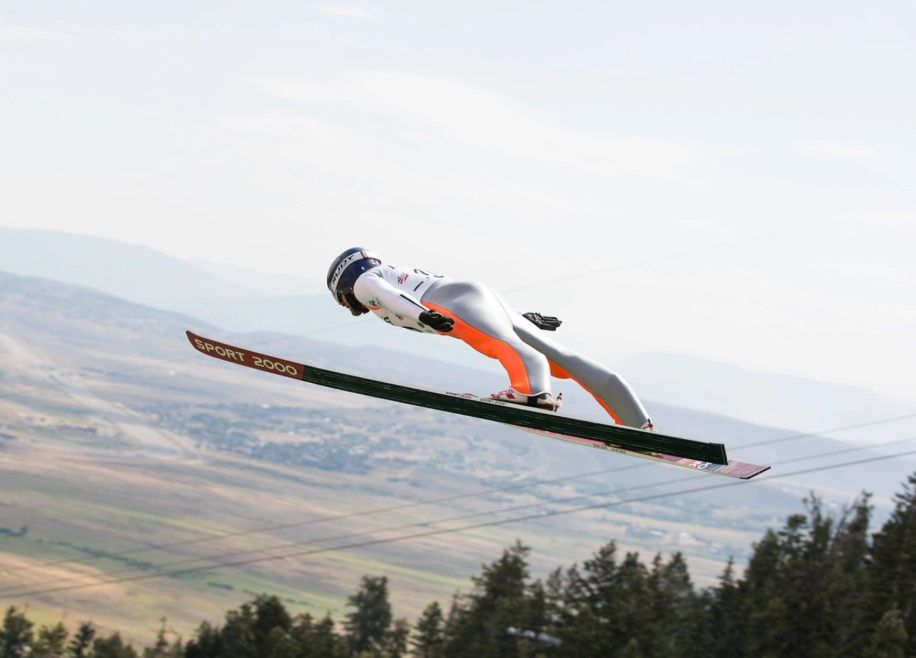
Your Burning Questions, Answered
 What's the most common technical mistake amateur skiers make when trying a small jump for the first time?
So that's the world of ski jump. It's part physics, part psychology, and entirely about pushing a very specific human limit. You can engage with it as a spectator, standing at the bottom of Holmenkollen with your neck craned. You can engage with it as a tourist, riding the elevator up that terrifying tower. Or, if you're truly curious, you can find a small plastic hill and a good coach, and learn what it means to push off into the air, deliberately. Just remember: hips forward.