Let's be honest. At the end of a long ski day, the last thing you want to do is fuss with your gear. You toss your skis in the corner, peel off your damp layers, and call it a day. I get it. I've been there for over a decade, guiding and coaching. But here's the raw truth I learned the hard way: neglecting your gear is the fastest way to burn cash and ruin your performance on the hill. That sticky turn, that sluggish feeling on flat cat tracks, that sudden loss of edge hold on an icy patch—it's often not you. It's your gear crying for help.
Proper ski gear maintenance isn't about vanity; it's about physics, economics, and safety. A well-tuned ski performs predictably. A dry, protected edge won't rust and carve like a dream. A boot dried correctly won't warp into a torture device. This guide strips away the mystery. I'll walk you through the exact steps I use in my own garage, the common mistakes I see every season, and how to make your equipment last years longer.
What's Inside This Guide
- The 10-Minute Post-Ski Day Ritual (Non-Negotiable)
- Deep Cleaning & Waxing: Giving Your Skis a New Soul
- Edge Tuning Basics: The Sharp Truth
- Boots & Bindings: The Forgotten Heroes
- Apparel Maintenance: Don't Cook Your Jacket
- Off-Season Storage: The Long Sleep
- Your Burning Maintenance Questions, Answered
The 10-Minute Post-Ski Day Ritual (Non-Negotiable)
This is where most people fail. They let salt, mud, and moisture sit for days. Don't.
As soon as you get home, grab a medium-stiff nylon brush and a damp microfiber cloth. Brush off any loose snow and dirt from your ski bases and topsheets. Wipe down the edges with the damp cloth to remove grit and salt residue—this is the number one cause of edge rust. Pay special attention to the binding area where gunk loves to hide.
For your boots, unbuckle them fully. Pull the liners out. This is critical. Stuff both the shell and the liner with crumpled newspaper or dedicated boot dryers. The newspaper absorbs an insane amount of moisture overnight. Leave them in a warm, dry room, but never next to a direct heat source like a radiator.
Deep Cleaning & Waxing: Giving Your Skis a New Soul
Wax isn't just for speed. It's the lifeblood of your ski's polyethylene base. It prevents drying, oxidation (those white, chalky patches), and allows the ski to glide by repelling water molecules. Think of the base like a dry sponge. Wax is the oil that keeps it supple.
How to Hot Wax Like a Pro:
- Clean the Base: First, use a base cleaner or citrus degreaser on a rag to remove old, dirty wax and grime. Let it dry.
- Drip the Wax: Using an iron set to the wax's melting point (check the package), drip a line of wax along the base.
- Iron It In: Smoothly run the iron over the wax, melting it into the base. Keep the iron moving to avoid overheating and damaging the base. You should see a thin, smoking layer, not a bubbling boil.
- Let it Cool: Walk away for at least 30 minutes, preferably overnight. The wax needs to crystallize inside the base pores.
- Scrape & Brush: This is where people get lazy. Use a sharp plastic scraper to remove ALL excess wax from the surface. Then, use nylon and horsehair brushes in the direction of travel to open the structure and create a fast, smooth finish.
Edge Tuning Basics: The Sharp Truth
Edges are your connection to the snow. Dull or rusty edges mean unpredictability. You don't need to be a machinist, but you need to know the state of your edges.
Run your fingernail perpendicularly down the edge. If it catches smoothly, you're good. If it slides off like glass, they're dull. Look for nicks from rocks and, of course, the red-brown bloom of rust.
For Maintenance: A gummy stone (a soft, abrasive rubber block) is your best friend. Wet it and lightly run it along the edge to remove surface rust and burrs without removing significant metal. Follow up with a diamond stone (a 400-grit is versatile) in a guide to maintain the factory bevel angle (usually 1-3 degrees).
For Major Work: Deep rust, large nicks, or a complete loss of sharpness require a metal file and likely a ski vise. This is where many DIYers mess up by creating uneven edges or the wrong angle. If you're unsure, take it to a reputable shop for a professional tune once a season. Tell them you want a "stone grind and edge sharpening." It's worth every penny.
Boots & Bindings: The Forgotten Heroes
Your boots are the control center. Treat them poorly, and they'll fail you.
Boot Care Checklist:
- Dry Liners & Shells Separately after every use.
- Clean the Liners: Use a mild soap and water solution. Never machine wash or dry.
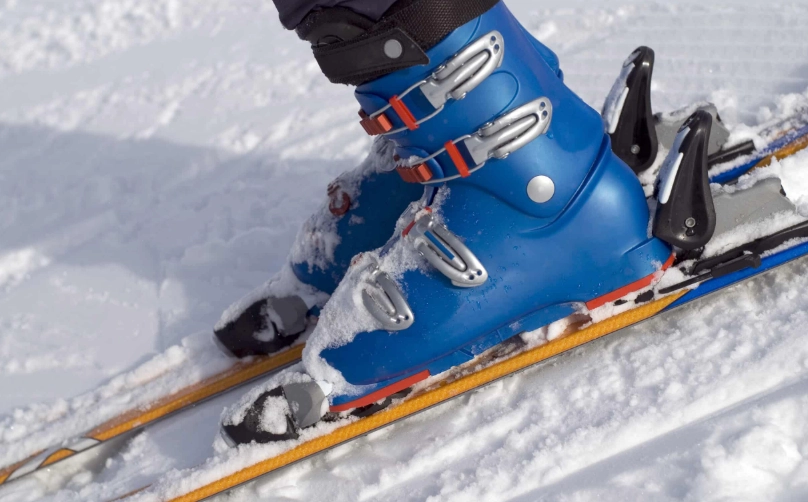
- Check Buckles & Straps: Ensure they latch smoothly. Lubricate buckle mechanisms with a dry silicone spray once a season.
- Inspect Sole Lugs: Worn-down lugs can affect binding release. Most shops can replace them.
Binding Maintenance is Safety Maintenance: Bindings are not user-serviceable beyond keeping them clean. Before the season, have a certified ski technician check the release indicator and perform a binding functionality test with a calibrated machine. This isn't a suggestion—it's your primary safety system. The Skiers Responsibility Code, promoted by organizations like the National Ski Areas Association (NSAA), places the duty of having properly functioning equipment squarely on you.
Apparel Maintenance: Don't Cook Your Jacket
That expensive Gore-Tex or similar membrane jacket? You're probably washing it wrong.
Dirt and body oils clog the microscopic pores of waterproof membranes. A dirty jacket wets out faster. Wash it 2-3 times per season using a technical gear cleaner (like Nikwax Tech Wash). Never use fabric softener or regular detergent—it coats the fabric and ruins breathability.
After washing, tumble dry on low heat. The heat reactivates the durable water repellent (DWR) coating on the outer fabric. If water stops beading up, it's time for a DWR spray-on treatment. Ironing on a low setting (through a towel) can also revive the DWR.
Off-Season Storage: The Long Sleep
How you store gear for the summer determines its condition in November.
| Gear Item | Do This | Avoid This |
|---|---|---|
| Skis/Snowboard | Give them a final storage wax (a thick coat you don't scrape off). Store vertically or flat in a cool, dry place. | Leaning them against a wall for months, bending the camber. Storing in a hot attic or damp basement. |
| Boots | Clean and dry thoroughly. Buckle them loosely to maintain shell shape. Store with boot trees or stuffed with paper. | Storing fully buckled tight (compresses the liner). Leaving them in a compressed state in a bag. |
| Bindings | Release the DIN setting to its lowest number to relieve spring tension. | Leaving them cranked to your skiing DIN all summer. |
| Apparel | Wash, dry, and reproof. Store loosely folded or on a hanger in a closet. | Stuffing it tightly in a compression sack for 8 months. |