Let's be honest. Most of us treat our snowboards like loyal dogs—we take them out for amazing adventures, get them dirty and tired, then shove them in a corner until next time. I was guilty of this for years. Then, after a particularly sluggish day in Jackson Hole where my board felt like it was glued to the snow, a grizzled old shop tech showed me his board's base. It was jet black, gleaming, and felt like glass. That moment changed everything. Regular maintenance isn't just about longevity; it's about performance you can feel on every turn. A well-tuned board carves easier, rides faster, and is simply more fun. This guide strips away the mystery and gives you the actionable steps to get there.
Quick Navigation: What You'll Learn
Why Bother? The Real Impact of Maintenance
Think of your board's base like your skin. Ride it dry and unprotected, and it gets damaged, slow, and unhappy. A dry base increases friction dramatically. The U.S. Ski & Snowboard Association's equipment managers emphasize that proper waxing can reduce friction by over 50% on cold snow. That's the difference between effortless gliding and feeling like you're riding through wet concrete.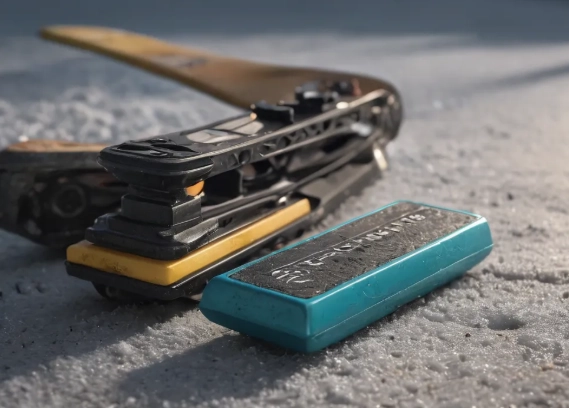
Edges are your connection to the snow. Dull or burred edges can't grip. They'll either slip out unexpectedly or feel vague and chattery. Good edge maintenance gives you confidence on hardpack and ice.
And longevity? I've seen boards ridden hard for 100+ days a season last five years because the owner cared for the base and edges. Neglected boards often get retired not because they're broken, but because they're slow and unresponsive.
The Bottom Line: Maintenance isn't a chore for pros. It's the easiest way to make your expensive gear ride better and last longer. You don't need a shop for 90% of it.
Building Your Essential Maintenance Toolkit
You don't need a pro shop's worth of gear. Start with this core list. I've linked to reputable brands like Demon United and Swix not because they paid me, but because their stuff lasts. You can find their products at most serious snowsports retailers.
The Non-Negotiables
- All-Temperature Wax: A good universal hydrocarbon wax like One Ball Jay's All-Temp or Hertel Super Hot Sauce. Don't overthink it for your first brick.
- A Dedicated Waxing Iron: A cheap clothes iron from a thrift store works, but a purpose-made waxing iron (like from Toko or Dakine) has better temperature control. Never use your good clothing iron again.
- A Rigid Plastic Scraper: This is critical. Get a thick, transparent one. The cheap white ones bend and are useless.
- Scotch-Brite Pad or Base Cleaner: For cleaning dirt and old wax off the base before a new application.
- A Multi-Tool with Hex Keys: For binding adjustments and checking mounting screws.
Nice-to-Haves for the Enthusiast
Once you're comfortable, add these:
- Diamond Stone Set (Coarse/Medium/Fine): For touch-up edge work and deburring.
- Gummi Stone: A rubberized abrasive block for smoothing edges without removing much metal.
- True Bar or Edge Tuner: Helps set a consistent edge angle if you want to get precise.
- Different Waxes: A cold wax and a warm wax for tuning to specific conditions.
Avoid This Mistake: Don't buy a massive, cheap "complete tune kit" online. They're full of low-quality tools you'll replace. Buy good individual pieces. It costs more upfront but saves money and frustration.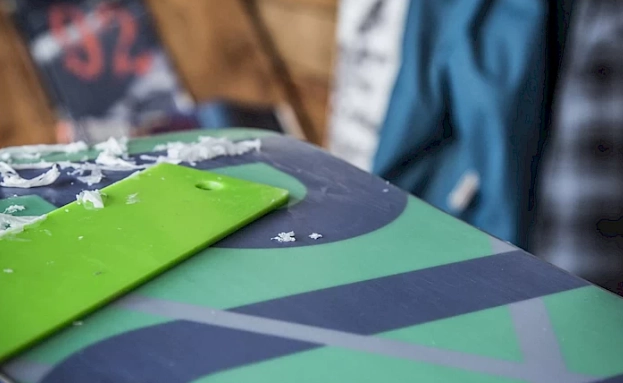
How to Wax a Snowboard: A Foolproof Process
Hot waxing seems intimidating. It's not. It's melting crayons on a hot pan, then scraping off the excess. Here's my 10-year routine.
Step 1: Clean the Base
Wipe down the base with a dry cloth. Use a base cleaner or a damp Scotch-Brite pad to remove old dirt and wax. A clean base allows the new wax to penetrate the pores. If you skip this, you're just sealing in grime.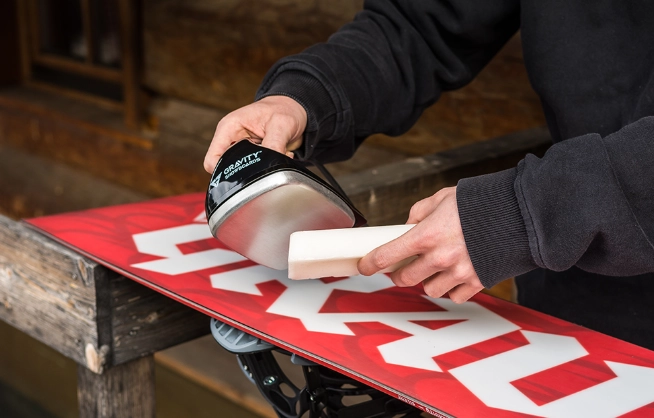
Step 2: Drip the Wax
Set your iron to the wax's melting temp (check the brick). Hold the wax against the hot iron and let it drip in lines or a zig-zag pattern along the base. You don't need a thick layer. A common newbie error is using way too much wax, which just creates more scraping work.
Step 3: Iron it In
Gently move the iron over the base to melt and spread the wax. Keep it moving—never let the iron sit in one spot. You're trying to create a thin, even layer of molten wax. You should see a shiny, wet-looking coat across the entire base. The heat opens the base's pores so it can absorb the wax.
Step 4: Let it Cool Completely
This is the patience test. Let the board sit until the wax is totally hard and cold to the touch. Overnight is ideal. If you scrape too soon, you'll pull out wax that hasn't solidified in the base.
Step 5: Scrape and Brush
Using your rigid plastic scraper, scrape from tip to tail to remove all the excess wax. Scrape until you see a fine white powder and no more wax curls come off. Then, use a nylon or horsehair brush (brushing tip to tail) to open the structure of the wax for optimal glide.
That's it. You've just hot waxed. The board will feel noticeably faster.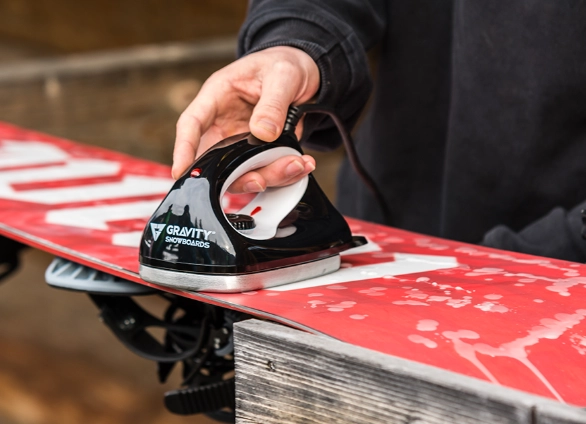
Edge Care: Sharpening vs. Deburring (Most People Get This Wrong)
This is where I see the most confusion. You don't need razor-sharp edges unless you're racing or riding pure ice. For all-mountain and freeride, you need consistent and clean edges.
Deburring/Degging: This is your most frequent edge task. After riding, tiny metal burrs form on the edge. Run a gummi stone or a fine diamond stone lightly along the side and base edges to smooth these out. It takes 30 seconds per edge. This prevents that "hooky" or chattery feeling.
Sharpening: This is removing metal to restore an angle. Use a guide and diamond stones if your edges are rounded from rocks or park laps. A common side edge angle is 88 or 89 degrees. Base edge is usually kept at 0 or 1 degree. Be conservative. You can't add metal back.
My rule? Deburr every 2-3 riding days. Consider a full sharpen maybe once or twice a season, or after a seriously rocky adventure.
Off-Season Storage: The Do's and Don'ts
How you store your board in spring matters more than you think.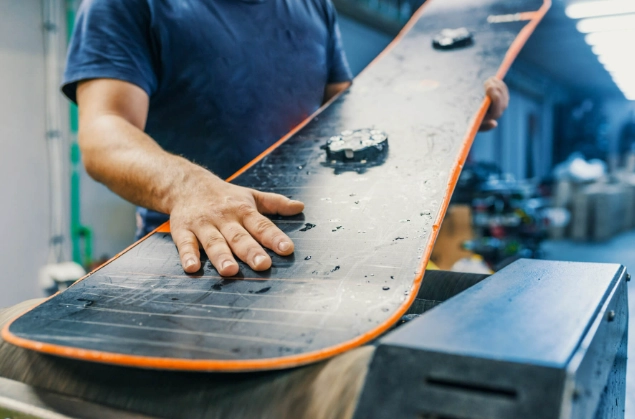
DO: Give it a final, thick hot wax coat (a "storage wax") and do not scrape it off. This layer seals the base from oxidizing and drying out. Loosen your binding screws a half-turn to relieve tension on the inserts. Store it in a cool, dry place, laid flat if possible.
DON'T: Don't leave it leaning against a wall in a hot garage for months. The heat can affect adhesives and plastics, and the pressure can warp the camber over time. Don't store it in a damp basement where rust can form on edges and screws.
Your Burning Maintenance Questions Answered
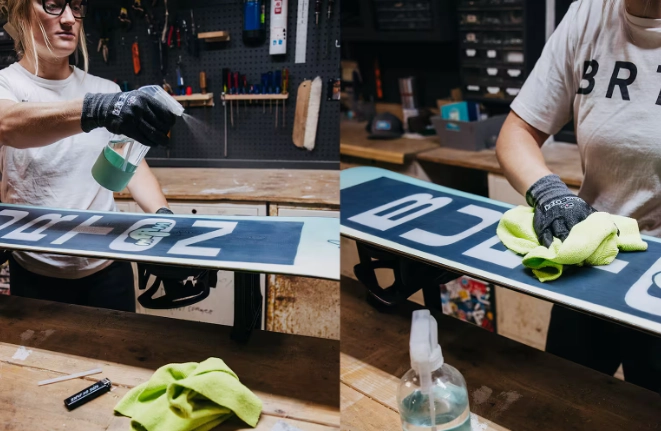
Getting into a simple maintenance routine transforms your relationship with your gear. It's not about achieving perfection. It's about understanding how a little care translates directly to better days on the mountain. Start with a wax. Feel the difference. The rest will follow naturally.