My first time pointing skis straight down a race course, my brain screamed one thing: this is a terrible idea. Everything felt wrong. The skis chattered, the turns felt forced, and the gate seemed to come at me like a freight train. I was just a decent recreational skier trying something new. That panic, that feeling of being out of control—it's the single biggest wall new racers hit. Most guides talk about the glory. I'm here to talk about the grit. Ski racing basics aren't about being the fastest on day one. They're about building a foundation of control so that speed becomes a choice, not an accident.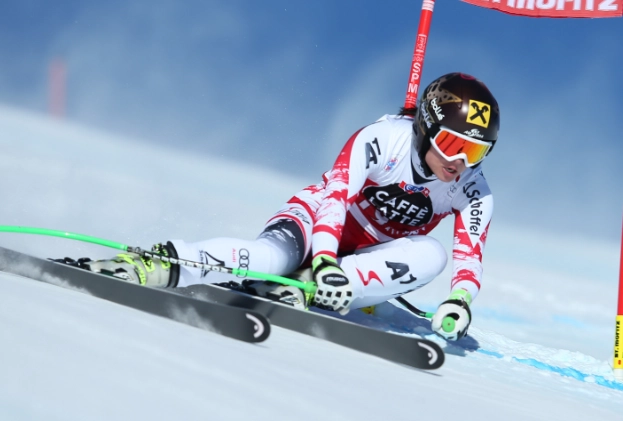
Let's strip it back. This isn't for Olympians (yet). It's for the curious skier who watches the World Cup and thinks, "How do they do that? Could I?" The answer is yes, but you need to start with the right fundamentals. We'll skip the fluff and go straight to what actually matters: the gear that won't hold you back, the stance that creates stability, and the one technical focus that changes everything.
What You'll Find in This Guide
The #1 Gear Mistake Beginners Make (And How to Avoid It)
You can't build a house on sand, and you can't learn to race on the wrong skis. The biggest error? Using your all-mountain or—worse—your park skis. They're designed to be forgiving and pivot easily, which is the opposite of what you need. A racing ski, even a beginner slalom ski, is built to hold an edge on hard snow and transfer your energy directly into the turn. Using the wrong ski teaches you to skid and fight the ski, cementing bad habits.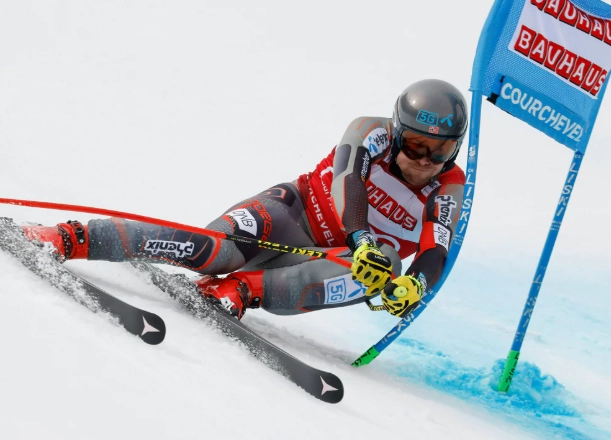
You don't need $1,500 World Cup skis. Look for a used or previous-season recreational race ski (often called "master's" or "club sport" skis). Brands like Atomic, Rossignol, and Fischer make great entry-level models. The key numbers: a radius between 12m and 16m for slalom (tighter turns) and a waist width under 70mm. This table breaks down the bare minimum you need to get started right.
| Equipment | What to Look For | Why It Matters for Racing Basics | Budget-Friendly Tip |
|---|---|---|---|
| Ski | Recreational race ski, 12m-16m radius, | Teaches edge hold and carving. Forgives some errors but provides feedback. | Buy used from a racing club or ski swap. Pre-mounted bindings save cost. |
| Boots | Stiff flex (100-120), professional fit is non-negotiable. | Your primary control point. A sloppy fit means delayed, vague steering. | Invest here first. A bootfitter is worth every penny. Don't buy online. |
| Bindings | Bindings certified for skiing (ISO 9462). DIN set by a shop. | Safety. Incorrect DIN (too high or low) is a major injury risk. | Often come mounted on used skis. Ensure they're indemnified (not too old). |
| Poles | Straight shafts, proper length (forearm parallel to ground when gripping). | Timing and rhythm. Bent poles or wrong length disrupt your movement. | Basic aluminum poles are perfect. Avoid heavy powder baskets. |
| Helmet & Protection | Hard-ear helmet (FIS certification not needed yet), shin guards. | Mandatory. Shin guards protect from gate hits, which hurt more than you'd think. | Any modern ski helmet works. Soccer shin guards are a cheap start. |
How to Find Your "Athletic Stance" (It's Not What You Think)
Forget the "perfect" pose in a magazine. An athletic stance in ski racing is dynamic and ready to move in any direction. It's not static. The most common visual cue is wrong: "knees bent" often leads people to squat, putting their weight back and locking their joints.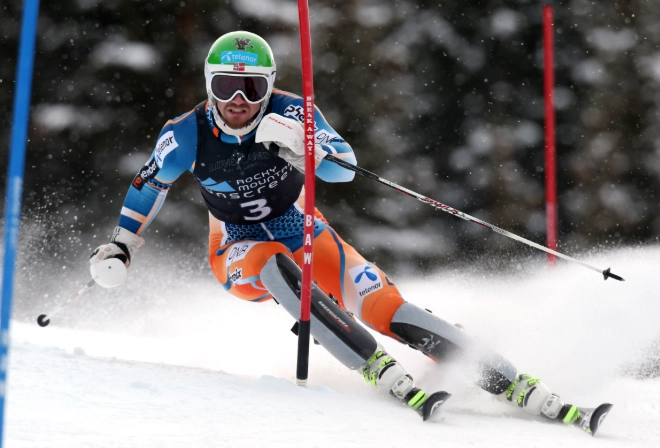
Here's a better way to find it. Stand on flat ground in your socks. Have someone gently push you from the side, then from the front. Notice how you instinctively adjust—ankles flex, knees soften, hips sink slightly, and your hands come up for balance. That is your athletic stance. It's a position of readiness, not a pose.
On skis, this translates to:
- Ankles: Flexed forward, shins pressing on the boot tongue. This is your primary shock absorber.
- Hips: Over your feet, not behind them. Imagine a plumb line from your shoulders to your toes.
- Hands: In front of you, visible in your peripheral vision. Not down by your hips, not Superman-style.
- Pressure: You should feel it on the balls of your feet and your shins, not your heels.
If you feel your quads burning after a few turns, you're probably in a static squat. If you feel agile and ready to react, you're in an athletic stance.
Carving vs. Skidding: The Real Difference
This is the heart of ski racing. Most recreational skiing involves skidding—the tails of the skis slide sideways to slow down and change direction. Carving is different. The ski bends like a blade and cuts a clean, pencil-thin line in the snow. Speed control comes from the shape of the turn, not from sliding.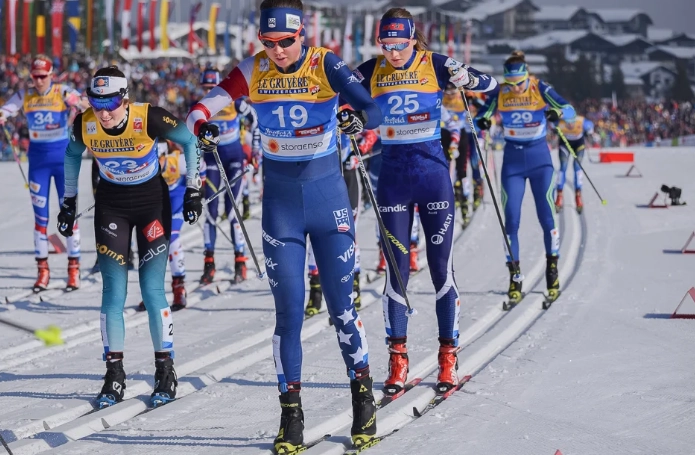
How do you know if you're skidding or carving? Look back at your tracks. Clean, parallel lines? You're carving. A washed-out, fan-shaped smear? You're skidding.
To start carving, you need two things: edge angle and patience.
- Commit to the edge. On a gentle slope, traverse across. Slowly roll your knees and ankles downhill. Feel the edge bite. Don't steer with your shoulders.
- Let the ski do the work. As the edge engages, the ski will naturally want to turn uphill (that's its sidecut). Your job is to maintain that edge angle and pressure. The turn happens because you're on edge, not because you force it.
The micro-mistake I see? People try to carve by leaning their whole body inward. This puts them off-balance. Instead, keep your head and shoulders over your boots and tip your legs from the feet up. It's a subtle but massive difference.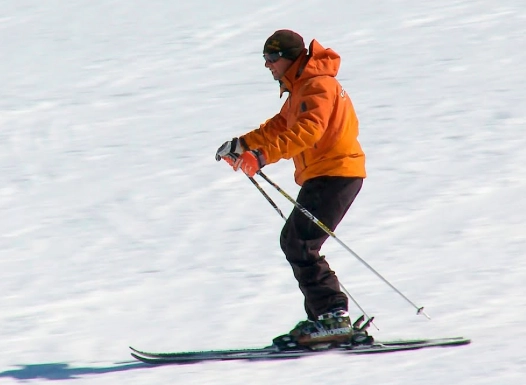
Your First Race Day: A Step-by-Step Walkthrough
Let's say you join a local NASTAR or club race. What actually happens? Knowing the process kills half the nerves.
Morning Inspection: You'll walk up the course slowly, without skis. You're looking for the rhythm of the gates—where they're close together (a hairpin), where they're far apart (a delay). You're not memorizing every turn, just getting a feel. Look for ice patches or ruts. Mentally pick a spot where you'll start each turn (usually just past the gate).
Course Report "Sideslipping": Before the race starts, skiers will slowly sideslip down the course to polish the snow. Do this. It's your chance to feel the snow surface with your edges and confirm what you saw on inspection.
The Run: Your goal for run #1 is not to win. It's to finish. Focus on one thing: making every turn around a gate. Speed is irrelevant. If you make it down cleanly, you've succeeded. The timer is just a number for now.
Between Runs: Analyze one thing that went wrong. Was your hand dragging? Did you get late before the hairpin? Pick one fix for the next run.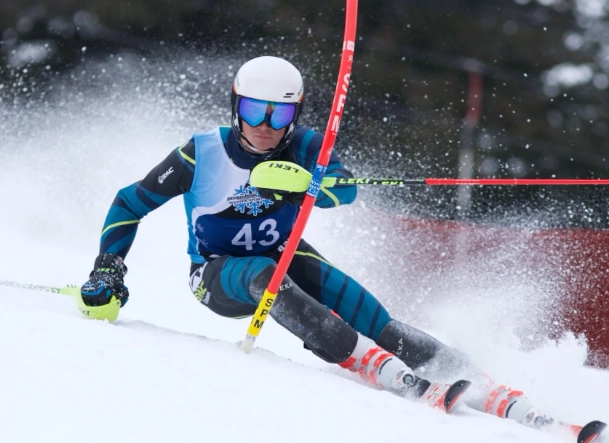
How to Train for Ski Racing When You're Not on Snow
You don't need a glacier to improve. The foundation of racing is leg strength, core stability, and balance. Here's a simple, effective off-snow routine:
- Single-Leg Balance: Stand on one leg, eyes closed, for 60 seconds. Do it while brushing your teeth. This builds the ankle stability you desperately need.
- Lateral Jumps: Jump side-to-side over a line, landing softly in an athletic stance. This mimics the quick edge-to-edge transfer.
- Wall Sits with a Twist: Do a wall sit, but press a medicine ball or weight out in front of you and rotate side to side. This builds the core strength to resist rotation and keep your shoulders facing downhill.
- Agility Ladder Drills: Cheap and brutal for foot speed and coordination.
I spent one pre-season focusing almost entirely on single-leg balance and lateral hops. When I got on snow, my edge transitions felt quicker and more secure than ever before. The gym work directly translated.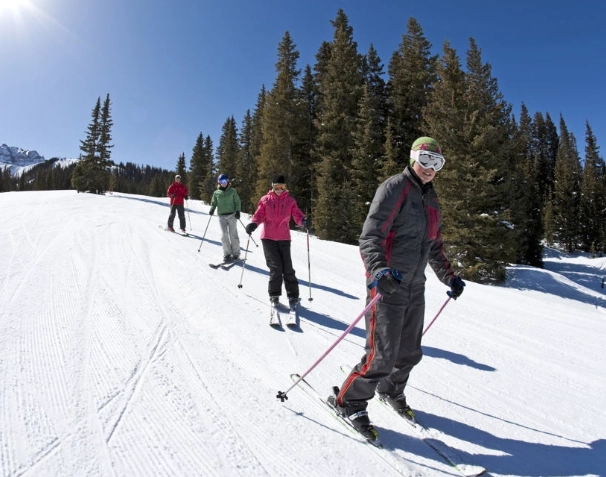
Answers to the Questions You're Actually Asking
The journey into ski racing basics is less about raw talent and more about deliberate practice. It's about replacing panic with process, and fear with fundamentals. Start with the right gear, build that dynamic stance, and learn to trust your edges. The speed will come. And that first time you carve cleanly around a gate, hearing the shhhhk of a sharp edge instead of the scrape of a skid, you'll be hooked. It's a different language of skiing, and you've just learned the alphabet.