What’s Inside
- The Nuts and Bolts: How a Rope Tow Actually Works
- A Blast from the Past: The History of the Rope Tow
- Rope Tow vs. T-Bar: What’s the Difference?
- How to Ride a Rope Tow: A Step-by-Step Survival Guide
- Safety and Etiquette: Don’t Be "That Person"
- The Pros and Cons: Why Do Resorts Still Use Them?
- Maintenance and Operations: What Happens Behind the Scenes
- Frequently Asked Questions (The Stuff You Actually Google)
So you're standing at the base of a beginner hill, skis or snowboard on, and you see this continuously moving rope dangling from a series of towers. Someone points and says, "That's how you get up." Your first thought might be, "You want me to grab onto that while wearing all this gear?" I get it. My first encounter with a rope tow ended with me face-first in the snow while the rope burned through my gloves. Not a proud moment.
But here’s the thing – understanding what a rope tow is and how to use it is a rite of passage in skiing and snowboarding. It’s one of the most basic, no-frills forms of uphill transportation on the planet. Forget fancy heated seats or bubbles; this is raw, mechanical skiing history right under your fingertips. They’re still everywhere, especially on beginner slopes, magic carpet areas (as an alternative), and smaller, old-school ski hills where the budget goes into snowmaking, not luxury lifts.
If you’ve ever wondered, "Seriously, what is a rope tow?" you’re in the right place. We’re going to break it down, not like a textbook, but like someone who’s been yanked off their feet by one and lived to tell the tale. We’ll cover how it works, why it still exists, the absolute best way to ride it without embarrassing yourself, and how it stacks up against its cousin, the T-bar.
The Nuts and Bolts: How a Rope Tow Actually Works
At its core, a rope tow is deceptively simple. Imagine a really long, heavy-duty loop of rope – like a massive clothesline. This rope is strung between two large wheels or pulleys: one at the bottom (the drive pulley, powered by an electric or diesel motor) and one at the top (the return pulley). The motor turns the bottom wheel, which pulls the rope in a continuous loop up the hill. A series of intermediate towers keep the rope suspended at a usable height.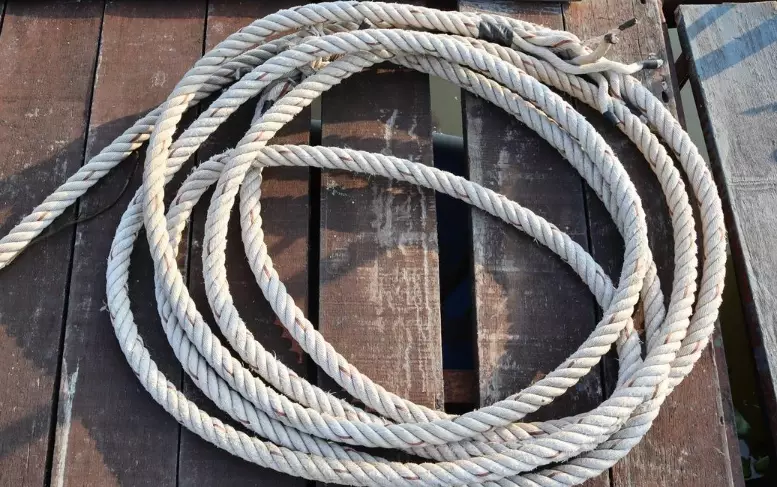
You, the skier or snowboarder, are the "clamp." You grab the moving rope with your hands (always wear gloves!), and it pulls you up the slope. There’s no seat, no bar to rest on. It’s just you, your grip strength, and your ability to stay balanced while being towed. The speed is usually slow and constant, often regulated to be beginner-friendly, but some older ones can feel surprisingly brisk. The basic principle of a rope tow lift hasn’t changed much since the 1930s. It’s pure, simple physics.
I have a soft spot for them, honestly. There’s a nostalgic charm. You’ll find them at local ski clubs and smaller mountains, places that prioritize function over flash. They’re incredibly cheap to install and maintain compared to a chairlift. The energy cost is lower. For a short beginner slope, it’s often the most economical choice. That’s the real answer to what is a rope tow ski lift – it’s the workhorse of the learning area.
A Blast from the Past: The History of the Rope Tow
It’s hard to imagine modern skiing without lifts, but someone had to invent the idea. The first recorded rope tow in North America was a game-changer. It was installed in 1934 at Gilbert’s Hill in Woodstock, Vermont. The story goes it was powered by a Model T Ford engine! Can you imagine? Before that, you hiked. Skiing was an exhausting pursuit for the very dedicated.
That simple rope tow democratized skiing. Suddenly, you could get many more runs in a day. It made the sport accessible, fun, and less of a brutal workout. These early tow ropes were literally just ropes, often causing the infamous "rope burn" that seasoned skiers will remember (not fondly). Modern ones use a coated, synthetic rope that’s easier on the hands, but the essence is the same. They spread like wildfire across New England and the Midwest, popping up on any hill with a decent slope. They built the foundation of ski culture in America.
While chairlifts eventually took over for primary mountain access, the rope tow never died. It found its niche. Today, you’re most likely to answer the question "what is a rope tow?" by pointing to the bunny hill. It’s the trainer lift. It’s where thousands of people take their first awkward, gripping ride uphill.
Rope Tow vs. T-Bar: What’s the Difference?
This is a common point of confusion. They’re both "surface lifts" (they drag you along the ground), but they’re different beasts. A T-bar is, well, a bar shaped like a "T" that you rest your rear end against. It tows two people at once. A rope tow is just a rope you hold. It seems like a small difference, but it changes the experience completely.
Let me put it this way: most beginners find a rope tow harder. With a T-bar, you have some physical support. You can lean back slightly. The load is on your backside, not your arms. With a rope tow, all the work is in your hands, arms, and core as you fight to stay upright. If you lose your grip, you’re done. With a T-bar, if you wobble, you might still recover because the bar is still there, pushing you.
Here’s a quick breakdown:
| Feature | Rope Tow | T-Bar |
|---|---|---|
| What you hold/use | A moving rope with your hands. | A plastic/rubber T-shaped bar placed behind your rear. |
| Passenger Capacity | One person per rope segment (in theory). | Two people side-by-side. |
| Physical Demand | High on arms, grip, and core balance. | Moderate; focuses on leg stability and balance. |
| Learning Curve | Steeper. Falling/letting go is common. | Easier for many, as it provides passive support. |
| Typical Use | Very short beginner slopes, magic carpet alternatives, ski schools. | Longer beginner/intermediate slopes, connecting trails. |
| My Personal Take | Feels more primal and direct. You earn the ride up. | More relaxed once you get the hang of it. Social for pairs. |
So, when someone asks what is a rope tow compared to a T-bar, you can say it’s the more hands-on, barebones version. The T-bar is an evolution of the idea, adding a bit of comfort and stability. Some purists (and masochists) prefer the rope tow for its simplicity. I’m not always one of them on a cold day.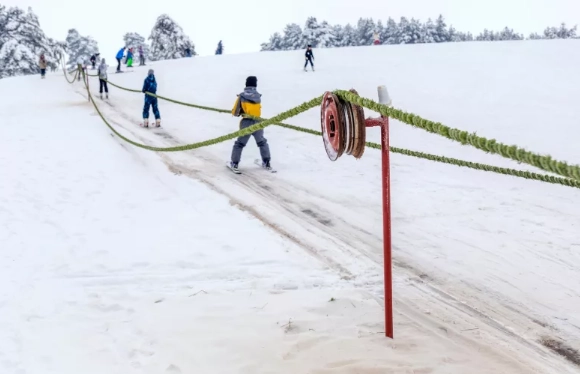
How to Ride a Rope Tow: A Step-by-Step Survival Guide
This is what you’re really here for, right? Theory is fine, but you don’t want to wipe out in front of a line of six-year-olds who have it mastered. Let’s walk through it. I’ll split it for skiers and snowboarders, because the technique differs.
For Skiers:
- Approach the Line: Wait your turn. Watch a few people go. See where they stand and grab the rope.
- Get into Position: As you move to the front, have your poles in one hand (usually your outside hand). I put both straps on one wrist. Your skis should be pointed straight uphill, parallel, and about hip-width apart. Bend your knees slightly.
- The Grab: With your free hand (the inside hand, closer to the rope), reach back and grab the rope. Don’t snatch at it. Let it slide into your grip. Use a firm, palms-down grip. WEAR GLOVES. I cannot stress this enough. The rope burn is real and unpleasant.
- The Pull: As the rope takes up tension, let it pull you forward. Don’t try to walk or skate. Just let it do the work. Keep your skis straight. The moment you try to steer, you’ll start to fishtail and likely fall.
- The Ride: Stay relaxed but alert. Keep a slight bend in your knees and elbows. Look ahead up the hill, not down at your skis. The rope is your guide; just follow it. Don’t death-grip the rope; a firm hold is enough. A white-knuckle clutch will tire you out fast.
- The Release: As you near the top, the slope will flatten. You’ll feel the pull lessen. Simply let go of the rope with a smooth motion. Let the rope slip out of your hand. Immediately glide away from the rope path to clear the area for the next person. Don’t just stop where you are!
Common Rope Tow Mistakes (I’ve Made Most of These):
- Grabbing Too High: If you grab the rope way out in front of you, the jerk when it tightens will pull you off balance. Grab it slightly behind you.
- Looking Down: Your body follows your head. Look down, and you’ll start to drift and fall. Look up the hill.
- Fighting the Rope: You are not steering. The rope is towing you. Trying to "help" by pushing or pulling against it will create instability. Be passive.
- Letting Go at the Wrong Time: Don’t let go on a steep section. Wait for the natural flattening at the top. If you must bail, let go and simply step/slide to the side, out of the way.
- Not Wearing Gloves: Seriously. Just don’t.
For Snowboarders:
It’s trickier. You’re sideways. The key is to treat it like a very slow, controlled skateboard tow.
- Stance: You can ride it with either foot forward. Some prefer their front foot forward (regular riding stance), others find it easier to face the rope with their back foot forward (fakie). Experiment on flat ground first to see what feels more stable for you.
- The Grab: Reach back with your front hand to grab the rope. Your body will naturally twist slightly. That’s okay.
- The Ride: Keep your weight centered over your board. You may need to make tiny, subtle edge adjustments to keep the board tracking straight. This is the hard part. Too much edge, and you’ll catch and fall. Too little, and you’ll slide out. It’s a feel thing.
- Extra Tip: Some riders find it easier to hold the rope with both hands, one in front of the other, for more stability and to keep their shoulders squared forward. This can help prevent the twist.
My snowboarding friend swears by the "two-handed, face-forward" method. He says it turns the rope tow from a nightmare into just a mild nuisance. I tried it on a board once and still ate snow, but he makes it look easy. Your mileage may vary.
Safety and Etiquette: Don’t Be "That Person"
A rope tow is safe when used correctly, but it’s not without risks. The moving rope itself is a source of friction burns. Falls are common, especially for beginners. The number one rule is to clear the track immediately if you fall. Don’t lie there. The people behind you can’t stop, and the rope won’t stop for you. Roll or crawl to the side.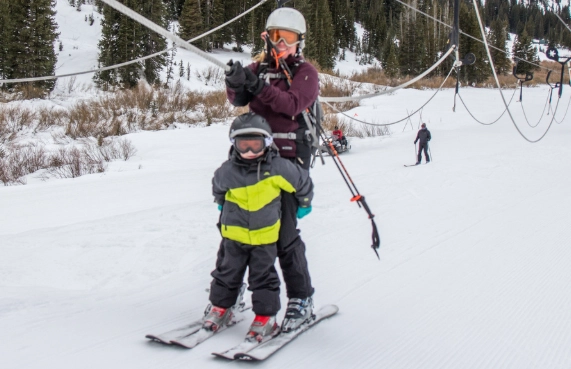
Etiquette is huge for keeping things flowing and avoiding collisions.
- Space Out: Don’t tailgate. Leave a good ski-length or two between you and the person ahead. If they fall, you need time and space to react.
- Merge Smoothly: When it’s your turn, move decisively into position. Don’t hesitate at the last second.
- Clear the Debark Area: Once at the top, ski or ride well away from the unloading zone. Don’t stop to adjust gear or chat right where people are coming off.
- Help Kids (If You Can): If you see a little kid struggling, a quick steadying hand or word of encouragement is a nice thing to do. We were all there once.
- Respect the Operator: If a lift attendant gives you instructions, listen. They’re there to help and keep everyone safe.
For the official word on skier responsibility, the National Ski Areas Association (NSAA) Skier Responsibility Code is the bible. It applies to all lifts, including rope tows. Rule 7 is key: "You must know how to load, ride and unload lifts safely. If you need assistance, ask the lift attendant."
The Pros and Cons: Why Do Resorts Still Use Them?
Let’s be honest, in an age of high-speed gondolas, the rope tow seems archaic. But it persists for solid reasons.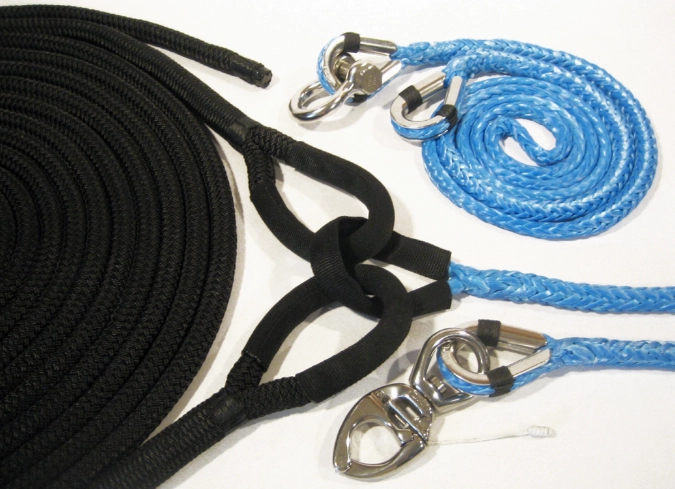
Pros (From the Resort’s Perspective):
- Cost: They are dramatically cheaper to install, operate, and maintain than any chairlift or even a magic carpet in some cases. The machinery is simple.
- Simplicity: Fewer moving parts mean less that can break down, especially in harsh weather.
- Low Power Use: They are energy-efficient for the job they do.
- Perfect for Short Distances: For a 100-200 foot beginner slope, it’s often the most practical solution.
- Teaches Fundamentals: It forces beginners to learn balance and control in a very direct way.
Cons (From the Skier’s Perspective):
- Physical Demand: They can be tiring, especially for multiple runs. Your arms get a workout.
- Beginner Unfriendliness: Ironically, the lift designed for beginners is one of the hardest for them to master. The learning curve can be frustrating.
- Weather Exposure: You’re out in the elements the whole time. No shelter.
- Limited Capacity: They can only move so many people per hour compared to a fast magic carpet or chair.
- Rope Wear & Tear: The rope itself needs regular inspection and replacement. A frayed rope is a hazard.
So, the next time you see one and groan, remember it’s keeping ticket prices a bit lower and serving a specific, utilitarian purpose. It’s the pickup truck of ski lifts – not glamorous, but it gets the job done.
Maintenance and Operations: What Happens Behind the Scenes
Keeping a rope tow running safely isn’t just a "set it and forget it" deal. Daily inspections are crucial. Operators check the rope for excessive wear, fraying, or damage. They check the tension, the motor, the pulleys, and the towers. Greasing points need attention.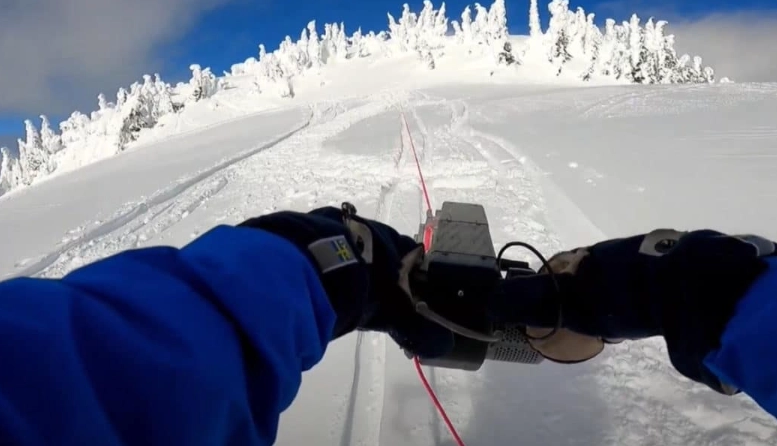
The rope itself is a specialized piece of equipment. It’s not just any rope. It’s designed to be durable, have a consistent diameter, and provide a good grip without being too abrasive. Over time, it stretches and wears. Replacing the rope on a long tow is a significant operation.
Safety systems are in place, usually a simple but effective stop button or cable that runs the length of the tow that anyone can grab to trigger an emergency stop. Lift attendants are trained to watch for problems and assist riders.
For a deep dive into the engineering and standards, organizations like ANSI (American National Standards Institute) have codes (like B77.1) that cover passenger ropeways, which include surface lifts like rope tows. Resorts adhere to these for insurance and safety. A publication like Ski Area Management (SAM) often has technical articles on lift maintenance, highlighting the ongoing work required.
Frequently Asked Questions (The Stuff You Actually Google)
Yes and no. Under close adult supervision, older kids (say, 6-8 and up) can learn. Many ski schools use them. For very little ones, a magic carpet is infinitely safer and easier. The key is strength – they need to be strong enough to hold on and control their skis. A child who can’t hold their own weight on a pull-up bar will struggle. Always check with the ski school or lift attendant.
Absolutely, as we covered. It’s just more challenging initially. Most boarders figure out their own method. The two-handed technique is a popular hack.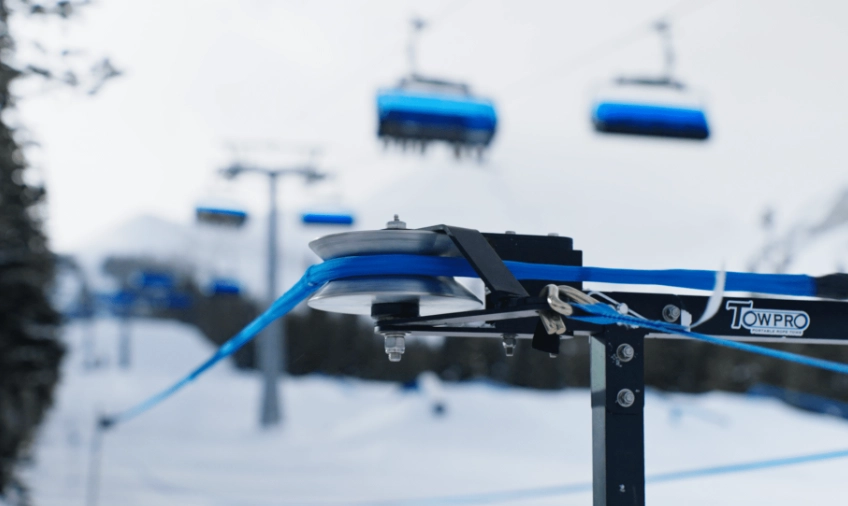
Let go of the rope immediately. Don’t hold on and get dragged. Once you let go, get yourself out of the track as quickly as possible. Move to the side. Collect yourself, then either hike the short remaining distance or go back down and try again. Everyone falls. No one will judge you (much).
Not really. They’re being replaced by magic carpets on many dedicated beginner slopes because carpets are truly zero-skill. But for short pulls in other areas (like from the base of a terrain park to the start gate, or on very small hills), the rope tow’s low cost and simplicity ensure its survival. It’s a niche tool, but a persistent one.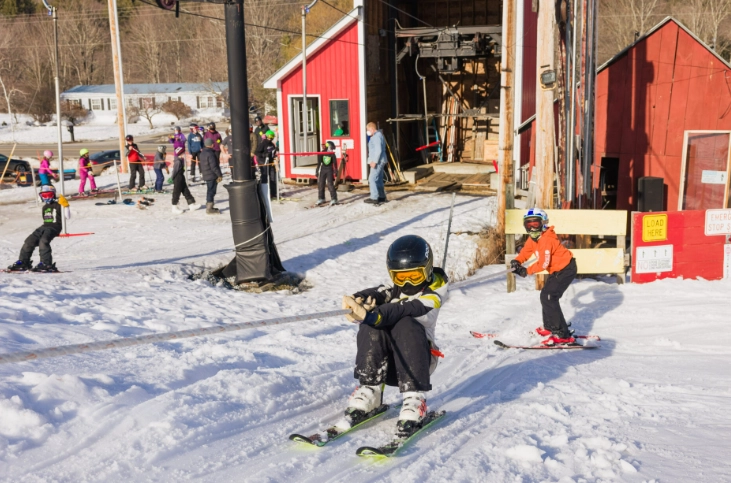
Something durable with good palm material. Leather palms are excellent for grip and abrasion resistance. Avoid thin, fancy soft-shell gloves. You want work gloves, not fashion gloves. If your gloves get wet, they’ll get cold and the rope will slip more. A spare dry pair is a pro move.
It varies, but typically between 3-6 miles per hour. It feels faster when you’re clinging on for dear life. The speed is set to be manageable for beginners, but some older models feel like they’re trying to launch you into orbit.
At the end of the day, understanding what a rope tow is is about more than just mechanics. It’s about connecting with a simpler era of skiing. It’s a tool that demands a bit of engagement from you. You can’t zone out on your phone. You have to be present, grip the rope, and participate in your journey uphill.
Is it my favorite lift? No. On a cold, windy day, I’d take a enclosed gondola every time. But does it have character and a rightful place on the mountain? Absolutely. Mastering it is a small victory, a badge of honor that separates the true beginner from someone who’s getting the hang of this wild sport. Next time you see one, don’t dread it. See it as a challenge, a piece of living history, and your ticket to a few more runs down the hill. Just remember the gloves.