Quick Guide
- Where the Numbers Come From: Decoding the Data
- The Heavyweights: Top Ski Resorts by Skier Visits in North America
- The European Perspective: A Different Beast Altogether
- What This Ranking Means for Your Ski Trip
- Beyond the Top 5: Other Notable High-Traffic Ski Areas
- Your Questions Answered: The Skier Visit FAQ
- The Bottom Line: Using the Data Wisely
Okay, let's talk about something every skier and snowboarder thinks about but rarely has clear data on: which ski resorts are actually the most popular? I'm not talking about Instagram fame or magazine awards. I mean cold, hard numbers. How many people actually click through the turnstiles, buy a lift ticket, and make their way up the mountain? That's what "skier visits" measure, and it's the most honest metric we have for ranking the true giants of the industry.
You've probably seen lists of the "biggest" or "best" resorts, but those are often subjective. When we look at ski resorts ranked by skier visits, we're cutting through the marketing. We're looking at where skiers and riders collectively choose to spend their time and money, season after season. It tells a story about infrastructure, terrain, location, and yes, sometimes just sheer marketing power.
So why should you care? Well, if you're planning a trip, knowing which resorts top the skier visits ranking gives you a clue about what to expect. A resort with 2 million visits a year has a different vibe, different lift line strategies, and a different level of amenities than a local hill with 200,000. It's not inherently good or bad—it's just data that helps you pick the right mountain for your style.
Where the Numbers Come From: Decoding the Data
Before we jump into the rankings, let's pull back the curtain. This data isn't guessed. Ski areas have sophisticated systems—RFID gates, ticket scanners, manual counts—to track every single entry. They report these figures to their respective national associations.
In North America, the NSAA aggregates this data. They've been doing it for decades, and their methodology is solid. It's how we know, for instance, that the U.S. ski industry tallied around 65 million skier visits in the 2023-24 season. The Canada West Ski Areas Association (CWSAA) plays a similar role for Western Canada.
Europe is a bit trickier. There's no single overarching body like the NSAA. Data is often held by national tourism boards or ski area conglomerates (like Compagnie des Alpes in France or Bergbahnen in Austria). This makes getting a unified, apples-to-apples ranking across continents a challenge. For this article, we'll focus on the clearest picture: the North American leaders, with some noted European heavyweights based on available reports.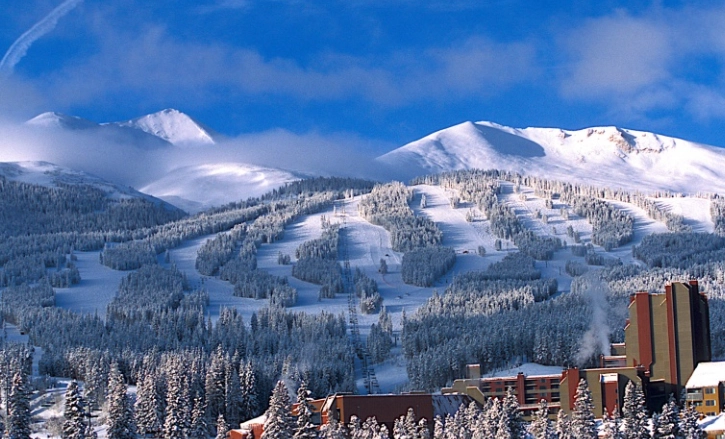
The Heavyweights: Top Ski Resorts by Skier Visits in North America
Based on the latest consistent data from industry reports (primarily NSAA and resort disclosures), a few names consistently dominate the conversation. These are the resorts that reliably pull in over a million visits per season. The order can shift slightly with snow conditions, but the usual suspects remain at the top.
| Rank | Resort & Location | Estimated Annual Skier Visits* | What Drives the Numbers |
|---|---|---|---|
| Top 1 | Vail Mountain, Colorado, USA | 1.7 - 2.0+ million | The sheer size of the Epic Pass network, brand power, vast terrain, and reliable Colorado snow. |
| Top 2 | Breckenridge, Colorado, USA | 1.6 - 1.9 million | Proximity to Denver, a massive, varied terrain footprint, and a famous, lively town at the base. |
| Top 3 | Park City Mountain, Utah, USA | 1.5 - 1.8 million | Being the largest single ski area in the U.S. after its merger, easy access from Salt Lake City airport. |
| Top 4 | Whistler Blackcomb, BC, Canada | 1.4 - 1.7 million | International destination status, epic terrain and vertical, strong Australian/European visitor base. |
| Top 5 | Heavenly Mountain, California/Nevada, USA | 1.2 - 1.5 million | The Lake Tahoe draw, spectacular views, and appeal to both Californians and a national market. |
*Note: Resorts don't always publish exact numbers yearly. These ranges are based on reported figures from recent seasons, analyst estimates, and NSAA trend data. They give you the right magnitude.
Looking at this list, a few patterns jump out. Colorado is a powerhouse. Epic Pass and Ikon Pass resorts dominate because the mega-passes incentivize repeat visitation. Proximity to a major airport is a huge factor—it's why resorts near Denver (Breck, Vail) and Salt Lake City (Park City, Deer Valley, Snowbird) score so high.
Whistler is fascinating. It's the only non-U.S. resort that consistently competes at this volume level in North America. Its numbers are a testament to its global brand. When people in London or Sydney think of a North American ski trip, Whistler is often the first name that comes to mind.
Why Vail Consistently Tops the List
Vail's position isn't an accident. It's the result of decades of strategy. First, there's the terrain: the legendary Back Bowls offer a unique, wide-open experience that's hard to find elsewhere. Then, there's the village—built from the ground up to be a pedestrian-friendly, European-style hub. But the real game-changer has been Vail Resorts' Epic Pass. By making Vail the flagship destination on a pass that sells in the hundreds of thousands, they've guaranteed a massive base of visitors who are essentially pre-paid. It's a brilliant, if sometimes crowded, business model. When you look at ski resorts ranked by skier visits, Vail is the prime example of how corporate strategy and destination appeal combine to create volume.
The Breckenridge Phenomenon
Breckenridge has a secret weapon: its town. Unlike some purpose-built resorts, Breck has a genuine, historic mining town at its feet. This means there's an enormous amount of bed space, restaurants, and shops that aren't owned by the ski company. It creates a critical mass of off-mountain activity that draws people in. Combine that with high-speed lift upgrades over the years and terrain that famously caters to every level (especially intermediates), and you have a recipe for massive popularity. The fact that it's the closest major Colorado resort to Denver via the I-70 corridor seals the deal.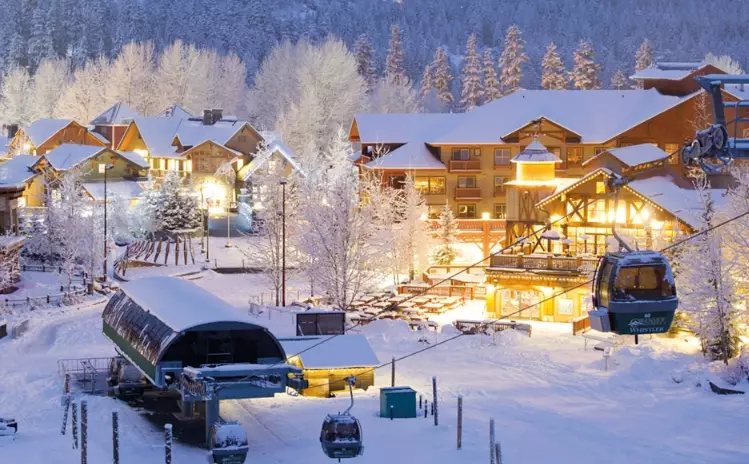
The European Perspective: A Different Beast Altogether
Comparing European and North American skier visits is like comparing apples and oranges. The model is different. In the Alps, you often have massive, linked ski areas spanning multiple villages and dozens of lifts. The visitation is more dispersed across a network. Also, data is less transparent.
However, based on tourism figures and industry analysis, a few European areas are known to see visitor volumes that rival or exceed the North American tops.
- The 3 Valleys (France): Often cited as the world's largest linked ski area. Estimates for total skier days across the entire Trois Vallées domain (Courchevel, Méribel, Val Thorens, etc.) routinely exceed 2 million per season. It's a behemoth.
- Sölden (Austria): A major destination with glacier skiing, a huge capacity, and a party reputation. It reliably posts numbers well over 1.5 million skier days.
- Val Thorens / Les Menuires (France): As part of the 3 Valleys, these high-altitude, snow-sure resorts draw huge crowds, especially during European school holidays.
The point is, when you think of ski resorts ranked by skier visits on a global scale, these European linked areas are in a league of their own in terms of sheer scale and capacity. The experience is less about a single "resort" and more about an entire region you can ski across.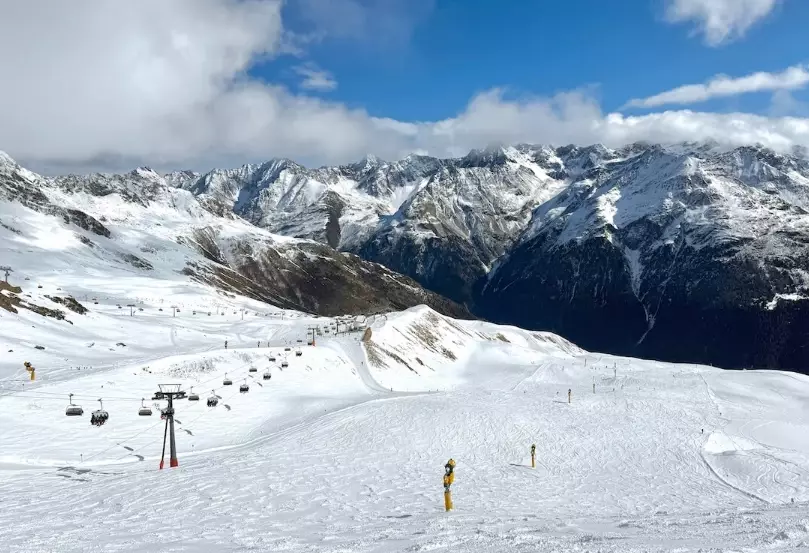
What This Ranking Means for Your Ski Trip
So you're looking at this list. Maybe you're planning a trip to one of these places. What does being in a top spot for skier visits actually mean for you on the ground?
Let's break it down.
- Investment: High traffic means constant revenue for upgrades. Expect high-speed lifts, state-of-the-art snowmaking, and well-groomed runs.
- Services: You'll find every amenity imaginable: ski schools with dozens of instructors, premium rentals, fine dining on-mountain, excellent childcare.
- Atmosphere: There's an energy. The villages are lively, with great apres-ski and nightlife. You'll never feel like you're in a ghost town.
- Terrain Variety: To handle the crowds, these places are huge. You can find a zone for every mood and ability.
- Crowds: This is the big one. Base area lifts on powder mornings or during holiday weeks can have brutal lines. Popular intermediate runs can feel like highways by midday.
- Cost: Everything is more expensive—lift tickets, food, lodging, parking.
- Impersonal Vibe: It can feel transactional. You're one of thousands. That local shop feel is harder to find.
- Planning Pressure: You need to book everything (lodging, lessons, rentals) far, far in advance.
My advice? If you're going to a resort known for high skier visits, your strategy is everything. Buy lift tickets online in advance—often at a discount. Be at the lift 15 minutes before it opens. Learn the mountain map and head to less obvious lifts or sectors after your first run. Eat lunch early or late. Embrace the apres-ski, but maybe avoid the most jam-packed bar at 4 PM sharp.
Beyond the Top 5: Other Notable High-Traffic Ski Areas
The list doesn't end at five. The next tier down, still in the multi-million visit league, is full of iconic names. These resorts often have a fiercely loyal following and specific draws.
- Keystone & Beaver Creek (Colorado): Fellow Epic Pass stalwarts near Vail and Breck, drawing from the same pass-holder base and Denver crowd.
- Snowmass & Aspen Mountain (Colorado): The Aspen brand is global. While Aspen Mountain itself is smaller, the four-mountain collective draws massive numbers, with Snowmass doing the heaviest lifting in terms of sheer volume and family appeal.
- Deer Valley & Snowbird (Utah): Deer Valley's curated, upscale experience and Snowbird's legendary steep terrain and snow both pull in huge numbers, aided by the Ikon Pass and proximity to Salt Lake City.
- Mammoth Mountain (California): A weekend warrior paradise for Southern California, with a long season and massive terrain. Its numbers are consistently among the highest in the state.
- Sun Peaks (BC, Canada): After Whistler, it's often Canada's second-busiest resort by skier visits, thanks to its size, reliable snow, and growing international reputation.
Each of these has its own personality within the high-volume category. Deer Valley feels nothing like Snowbird, even though they're 30 minutes apart. That's the fun part—digging into what makes each one tick beyond just the number.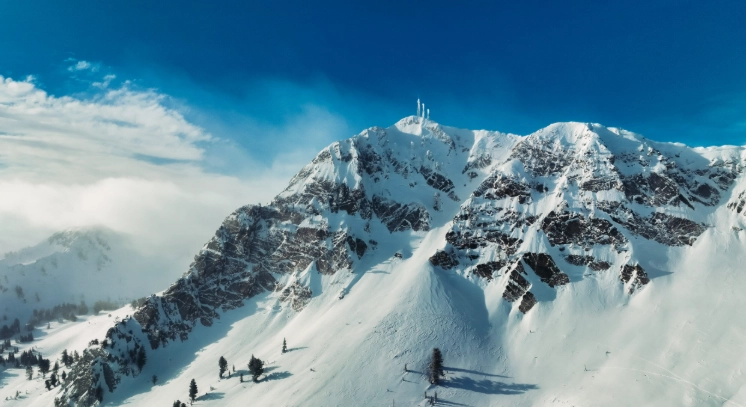
Your Questions Answered: The Skier Visit FAQ
Frequently Asked Questions About Skier Visits and Resort Popularity
The Bottom Line: Using the Data Wisely
At the end of the day, looking at ski resorts ranked by skier visits is a fantastic starting point for understanding the landscape. It tells you where the infrastructure is, where the investment flows, and where the collective wisdom (or marketing influence) of skiers is pointing.
But don't let it be the end of your research.
Use it as one filter among many. Ask yourself: Do I want to be where everyone else is, with all the pros and cons that brings? Or am I looking for something off the beaten path? Maybe your perfect trip involves a few days at a high-volume, high-energy resort followed by some time at a quieter local mountain.
The mountains with the highest skier visits have earned their place. They offer something compelling to a huge number of people. Whether that something is right for you is the real question to answer. Now you've got the data to help you decide.