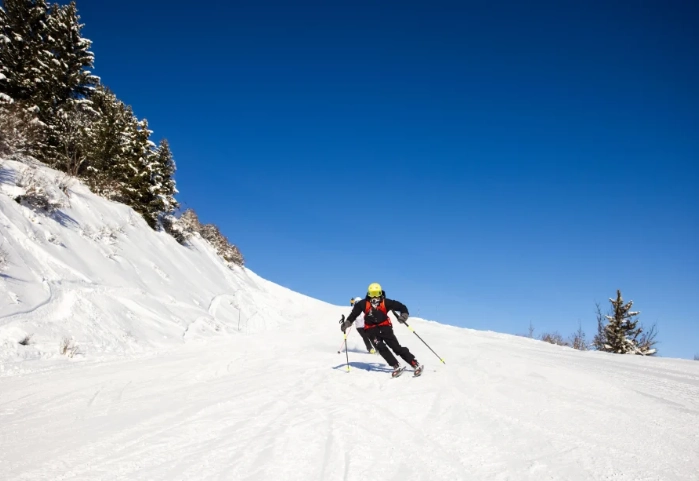
You’ve mastered the pizza wedge, you can link your turns on a blue run without panic, and the thought of a black diamond still makes your palms sweat just a little. You’re an intermediate skier, stuck in that glorious, frustrating, and incredibly fun middle ground. Finding the right ski resort at this stage is everything. Go somewhere too easy, and you’ll be bored by lunch on day two. Go somewhere too steep, and you’ll spend a fortune on hot chocolates at the mid-mountain lodge, too intimidated to venture further.
The perfect intermediate ski resort isn't just about having a lot of blue squares on the trail map. It’s about progression, variety, and that intangible feeling of flow. It’s where you can spend a week and leave feeling like a better skier, not just a more tired one.
What You'll Find in This Guide
What Makes a Ski Resort ‘Intermediate-Friendly’?
Forget the marketing brochures. A truly great intermediate resort checks these boxes:
Terrain Mix is King: You want a high percentage (ideally 40-60%) of runs graded blue/intermediate. But crucially, these blues need to be interesting. Long, winding cruisers through trees, wide-open bowls you can carve across, and trails that gently introduce you to steeper pitches. A resort with only short, flat cat-tracks labeled as blues is a trap.
Progression Ladders: The best areas have logical terrain progression. You can start on a mellow blue off one lift, build confidence, then take a different lift to a slightly more challenging blue that feeds into an easy black. This “ladder” lets you level up at your own pace.
Reliable Snow and Grooming: Intermediates thrive on corduroy. Consistent, high-quality snowmaking and nightly grooming on key intermediate runs are non-negotiable for a predictable, enjoyable experience. Icy, scraped-off blues are where confidence goes to die.
Atmosphere and Infrastructure: You’re there to ski, but also to enjoy the village, the food, and maybe a spa. A good intermediate resort has a layout that doesn’t force expert-level traverses just to get home, and a vibe that’s welcoming, not intimidating.
Our Top Picks: North America
Based on decades of sliding around these mountains, here are the North American resorts that consistently deliver the intermediate dream.
Park City Mountain Resort, Utah
Let’s get the big one out of the way. Park City, now merged with Canyons Village, is a behemoth with over 7,300 acres. For intermediates, this scale is a blessing, not a curse. The secret? Quicksilver Gondola and the Dreamscape area. While everyone fights for the famous bowls, you’ll find mile after mile of perfectly groomed, rolling blue runs here that feel like your own private playground. The resort reports that a majority of its terrain is intermediate, and it shows.
Local Tip: Stay in Canyons Village for easier access to the Dreamscape and Saddleback lifts. The Orange Bubble Express is a game-changer on cold days. Avoid the base of Park City Mountain on weekend mornings—the lines can be a buzzkill.
Vibe: Upscale, convenient (just 35 minutes from Salt Lake City airport), with a fantastic historic main street for apres-ski. It’s a resort that does everything well.
Whistler Blackcomb, British Columbia
Yes, Whistler has legendary expert terrain. But what’s less talked about is its incredible network of long, scenic intermediate runs that connect the two mountains. The Peak to Creek run on Whistler is a rite of passage—a nearly 7-mile descent that weaves through ancient forests. On Blackcomb, the Crystal Zone offers a mix of blues with stunning glacier views.
The key is using the lifts strategically. The Symphony Amphitheatre on Whistler and the 7th Heaven area on Blackcomb have fantastic intermediate terrain that gets less traffic than the main hubs.
Vibe: Bustling, international, and with a village that feels like a real town. The dining and nightlife are top-tier. Be prepared for variable coastal snow conditions (it can be wet), but when it’s good, it’s unmatched.
Deer Valley Resort, Utah
Deer Valley is the luxury sedan of ski resorts: smooth, comfortable, and meticulously maintained. It’s famous for its grooming, service, and cap on daily lift tickets (which means no crowds). For intermediates, this translates to pristine corduroy on runs like Success and Sterling from the top of Bald Mountain all day long.
It’s not a party mountain—the vibe is refined and relaxed. It’s the place you go to focus purely on the joy of skiing perfectly prepared snow on beautifully designed trails.
Vibe: Polished, quiet, and exceptionally service-oriented. Ideal for skiers who prioritize the quality of the skiing experience over rowdy apres-ski.
| Resort | Key Intermediate Area | Best For | Consideration |
|---|---|---|---|
| Park City, UT | Dreamscape / Quicksilver Gondola | Sheer variety & convenience | Can feel crowded at base areas |
| Whistler, BC | Symphony / 7th Heaven | Iconic, long scenic runs | Weather can be variable |
| Deer Valley, UT | Bald Mountain (Burns, Success) | Impeccable grooming & no crowds | Higher price point, skiers only |
| Vail, CO | China Bowl / Sun Down Bowl | Expansive beginner bowl terrain | Massive size can be overwhelming |
Our Top Picks: Europe
The European ski experience is different—linked villages, epic scenery, and a focus on long-distance cruising.
The Three Valleys (Courchevel, Meribel, Val Thorens), France
This is the holy grail for confident intermediates. With over 370 miles of linked pistes, you can ski for a week without repeating a run. The blues here are often wide, motorway-style pistes that go on forever. Courchevel 1850 is renowned for its sunny, north-facing slopes that hold snow well. Meribel, sitting in the middle, is the perfect hub. The green and blue runs from the top of the Saulire cable car down to Meribel are an absolute joy.
The scale is the appeal. You can plan a different valley each day, stopping for a long lunch at a mountain restaurant. It’s a ski safari.
Zermatt, Switzerland
Skiing with the Matterhorn watching over you is a unique experience. Zermatt’s intermediate terrain is extensive and incredibly scenic. The Sunnegga-Blauherd-Gornergrat sector is an intermediate paradise, with long, rolling blues and stunning views. You can also ski into Italy (Cervinia) on a single pass, adding even more variety.
It’s car-free, charming, and has a legendary snow record. The downside? It’s also legendary for its prices. But for a once-in-a-lifetime trip to build your skills, it’s hard to beat.
How to Choose Your Perfect Intermediate Resort
Beyond the big names, ask yourself these questions:
What’s your goal? Pure mileage on perfect groomers? Try Deer Valley or Beaver Creek. Want to dip your toes into ungroomed snow? A resort with gentle, rolling bowls like Grand Targhee, Wyoming is a fantastic, low-pressure introduction.
Who are you with? If your group has mixed abilities, look for resorts with great interconnected green/blue terrain from the same lift tops. Keystone, Colorado does this well with its Schoolmarm area.
How important is the village? Some intermediates want ski-in/ski-out convenience and great restaurants (Aspen Snowmass). Others just want affordable lodging near the lift (Big Sky has options). Be honest about your budget for off-slope time.
One mistake I see intermediates make all the time: they choose a resort based on its total acreage, not the type of acreage. A resort with 5,000 acres of extreme chutes does nothing for you. Look at the trail map breakdown and focus on the percentage of blue terrain.
Your Intermediate Skiing Questions, Answered
The intermediate phase is the sweet spot of skiing. You have the skills to explore, the freedom to enjoy, and so much room to grow. Choosing the right resort is the key to unlocking it all. Forget chasing the steepest or the deepest. Chase the experience that will make you fall in love with skiing all over again, one perfect turn at a time.