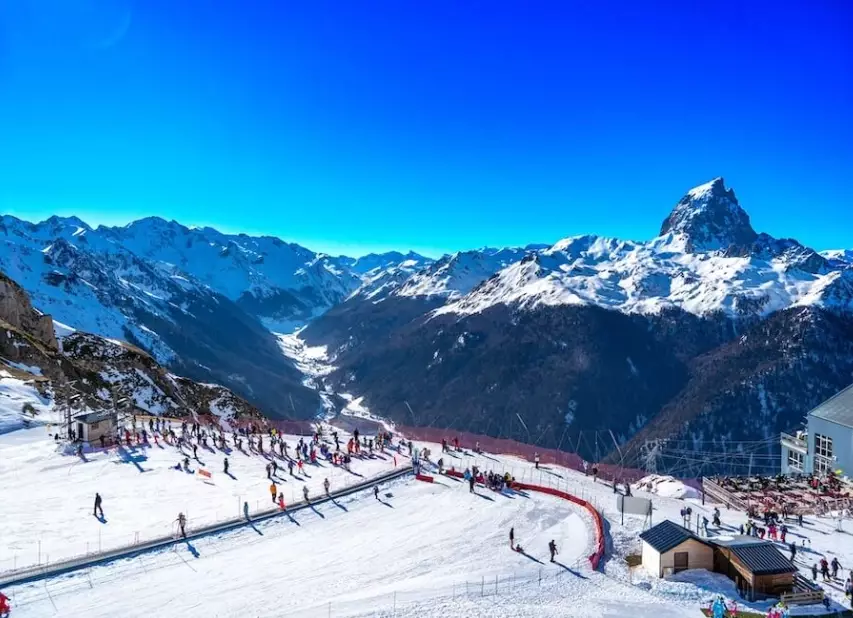
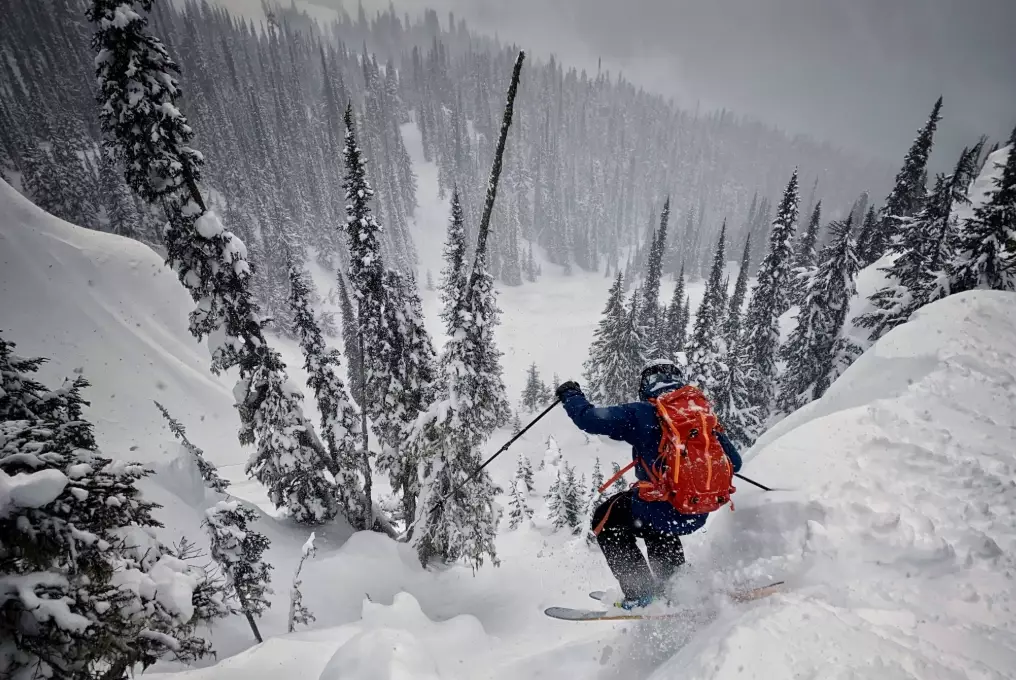
You wake up, check the snow report, and see those magic words: "fresh corduroy on all primary runs." Your day is made. For most skiers, groomed runs are the backbone of the resort experience. They're predictable, fast, and let you focus purely on the joy of turning. But what exactly goes into making that perfect ribbon of corduroy? And are you skiing it as well as you could be?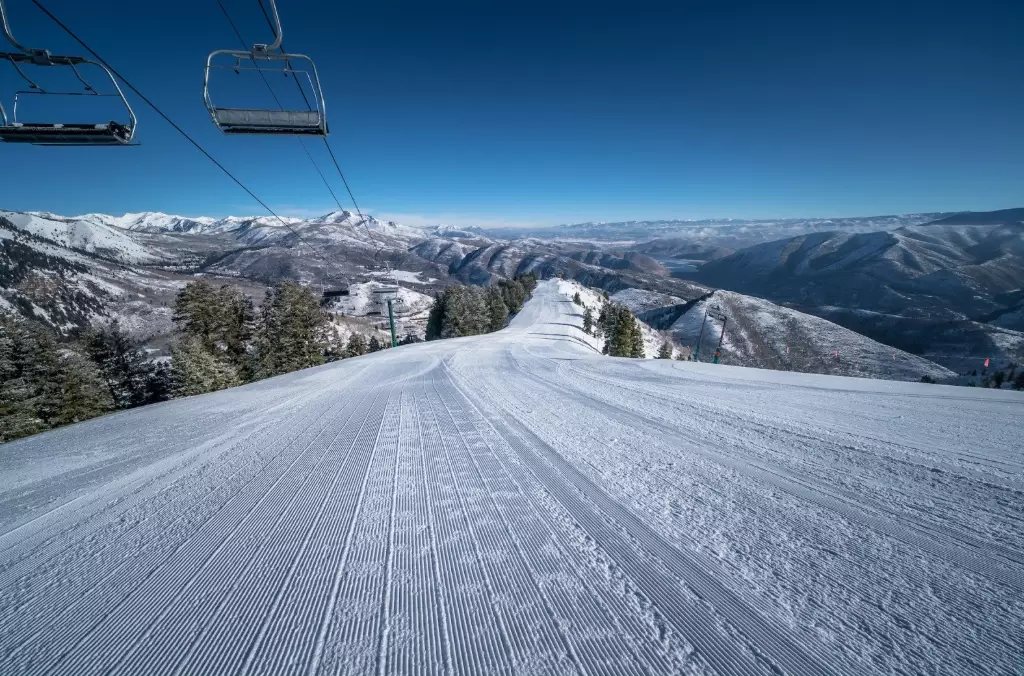
I've spent over a decade chasing first tracks on groomers from Colorado to the Alps. I've also seen the same mistakes repeated season after season. This isn't just about what a groomed run is—it's about understanding the snow under your feet so you can ski it better, choose the right gear, and truly master the mountain's manicured canvas.
What's Inside This Guide
What Is Snow Grooming? (It's Not Just a Tractor)
Let's clear something up. A grooming machine (a "snowcat" or "piste basher") is a marvel of engineering, not a farm vehicle on tracks. These massive cabins on tracks work overnight, and their job is threefold: redistribute snow, break up ice and hardpack, and create a consistent surface.
The process starts with a front blade, or plow, that pushes snow from where it's piled up into thin areas. Then comes the heart of the operation: the tiller. This rotating drum covered in metal teeth or paddles chops up the snow to a fine, granular consistency. Finally, a drag mat—often a heavy carpet or series of bars—smooths everything out, leaving behind those iconic parallel lines we call corduroy.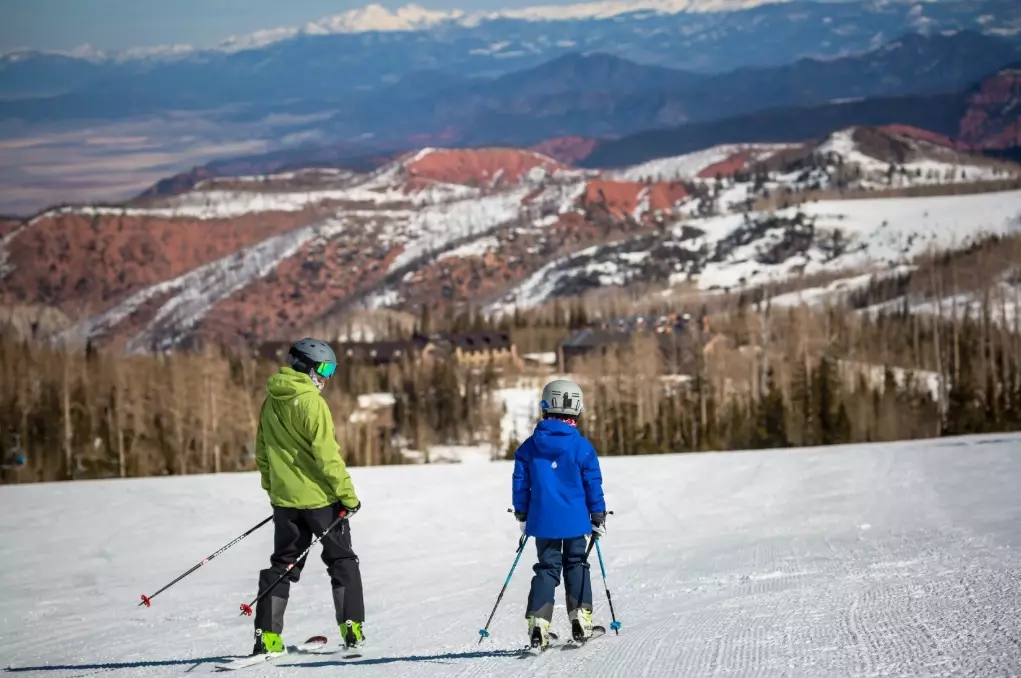
Not All Grooming Is Created Equal
Resorts categorize their grooming. You'll see it on trail maps:
Primary Grooming: These are the main highways—wide, steep blue and black runs that get groomed almost every night. Think of them as the interstate system. They're the first priority for the fleet.
Secondary Grooming: Lower-traffic blues, long greens, and some connector trails. They might be groomed 3-4 times a week. The snow might be a bit softer or have more variation.
Terrain Parks & Halfpipes: This is specialized grooming with different equipment to shape jumps, lips, and the perfect pipe walls. It's a whole different skill set for the cat driver.
How to Ski Groomed Runs: A Level-by-Level Breakdown
Groomed terrain is where you build and refine fundamental technique. But the approach changes with your ability.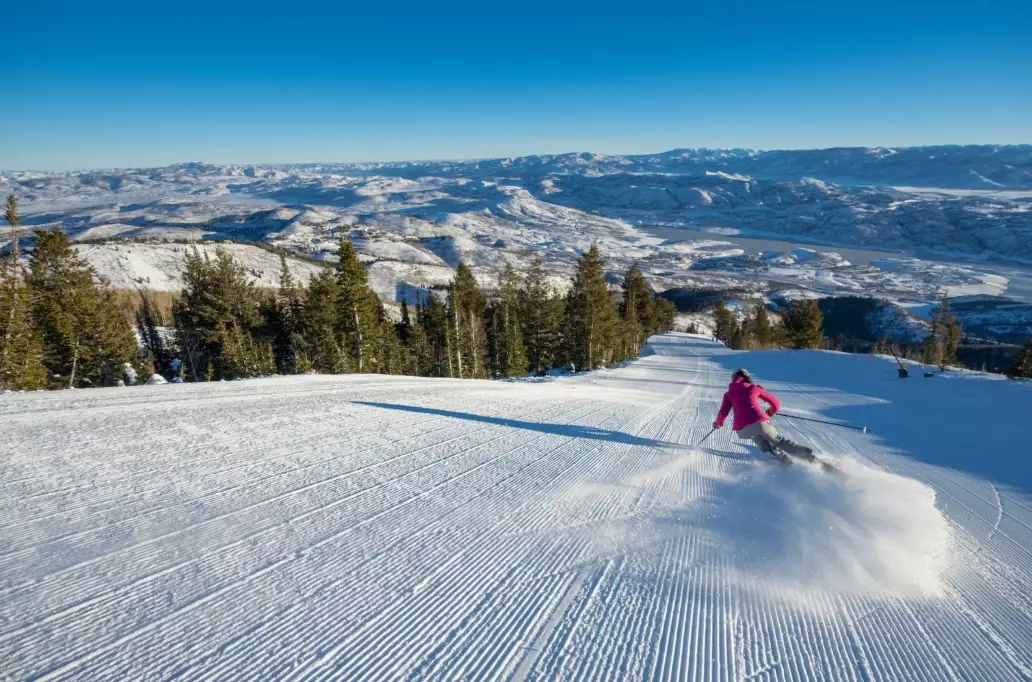
For Beginners & First-Timers
Groomed greens are your best friend. The smooth surface lets you focus on balance and simple wedge turns without worrying about bumps. The biggest mistake I see? Fear leads to leaning back. You must keep your weight forward, with shins pressing on the boot tongues. Look for wide, consistently graded runs. Resorts like Park City Mountain and Whistler Blackcomb have exceptional beginner grooming networks.
Practice this: On a gentle slope, try to make a complete stop using only your edges, not your wedge. It teaches edge awareness on a forgiving surface.
For Intermediate Skiers Making the Leap
This is the golden zone. You're comfortable on blues, maybe venturing onto easier blacks. Groomed runs are where you learn to carve instead of skid.
The secret isn't strength; it's alignment and patience. Start your turn by rolling your knees and ankles inward, letting the ski's sidecut do the work. Don't rush to the next turn. Let the ski complete its arc across the hill. You'll feel a clean, quiet pull—that's the carve. A common error is trying to carve with skis that are too wide (more on gear below). On a perfect groomer, you should hear a crisp "shhh" sound, not a scraping noise.
For Advanced & Expert Skiers
You're not just skiing the groomer; you're exploiting it. This is about high-edge-angle carving, dynamic short turns, and managing variable conditions that develop throughout the day.
Later in the day, groomers get chopped up, developing small bumps and piles of snow ("crud"). This is a great training ground. Practice absorbing terrain with your legs while keeping your upper body quiet and facing downhill. It's the exact skill you need for moguls and off-piste. Also, use early morning corduroy to dial in your gear's tune. If your edges are dull, you'll feel it immediately on that hard, fast surface.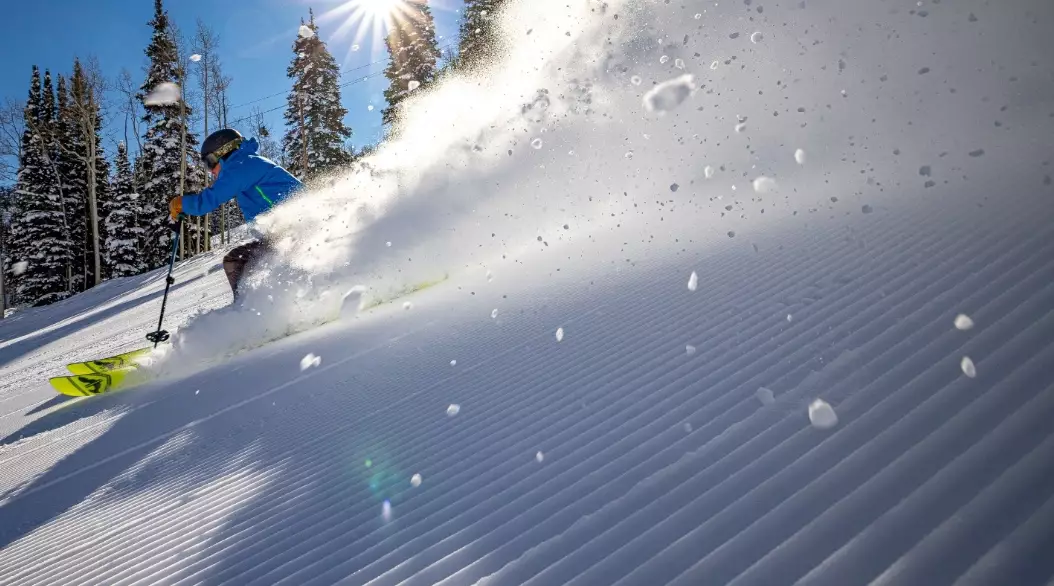
Gear Choices: Don't Bring a Snowboard to a Carving Fight
Your equipment dramatically affects your experience on groomed snow. Using a powder ski on corduroy is like using a monster truck for a Formula 1 race—possible, but missing the point.
| Ski Type | Ideal Waist Width | Best For... | Compromise Factor |
|---|---|---|---|
| Frontside Carver | 65mm - 78mm | Pure groomed-run performance, ice, hardpack. Lightning-fast edge-to-edge. | Poor in any soft snow. Unforgiving. |
| All-Mountain Frontside | 78mm - 88mm | 80% on-piste, 20% off-piste or softer snow. The sweet spot for most resort skiers. | A slight sacrifice in hard-snow grip for versatility. |
| All-Mountain | 88mm - 100mm | 50/50 on/off-piste. The "one-ski quiver" for variable conditions. | Requires more effort to carve on hard snow. Can feel planky. |
| All-Mountain Wide / Powder | 100mm+ | Deep snow, off-piste exploration. | A chore on groomers. Slow edge initiation, poor hard-snow hold. |
My take: If you ski mostly at Eastern or Midwestern resorts, or stick to the trails out West, lean toward the All-Mountain Frontside category. The versatility is minimal, and the performance gain on your primary terrain is massive. I made the switch from a 98mm ski to an 84mm ski for my daily driver, and the difference in energy and fun on groomers was night and day.
Don't forget maintenance. Sharp edges are non-negotiable for groomed run skiing. A dull edge will skid and wash out, especially on icy mornings. A basic ski tune (edge sharpening and base wax) every 5-7 ski days makes a bigger difference than a new pair of skis.
Safety & Etiquette on High-Speed Highways
Groomed runs are fast. They encourage speed. This creates unique hazards.
The downhill skier always has the right of way. It doesn't matter if they're doing slow, wide turns. It's your job to avoid them. Period. I've seen too many near-misses from overconfident skiers straight-lining a crowded run.
Look uphill before merging onto a trail or starting a new line of turns. Use trail merges with extra caution—they're accident hotspots.
If you stop, move to the side of the run, preferably in a visible spot. Never stop just below a roll or in the middle of the trail. It's like stopping in the fast lane of the highway.
Your Groomed Run Questions, Answered
 Are groomed runs safer than skiing off-piste or in moguls?
Understanding groomed runs transforms your days on the mountain. It's not just about finding the smooth snow; it's about knowing why it's smooth, how to interact with it, and how to choose the right tools for the job. Next time you see that corduroy, you'll see more than just lines in the snow—you'll see a perfectly prepared canvas, waiting for you to make your mark.