Skiing isn't just for the able-bodied. That's the first thing you need to understand. Adaptive skiing has evolved from a niche activity to a robust network of equipment, instruction, and resort programs designed to put the mountain within reach for anyone with a physical, sensory, or cognitive disability. Whether you're managing a spinal cord injury, living with limb loss, navigating vision impairment, or dealing with the effects of a stroke, the right adaptive skiing options can transform a seemingly impossible dream into a reality filled with cold air and freedom.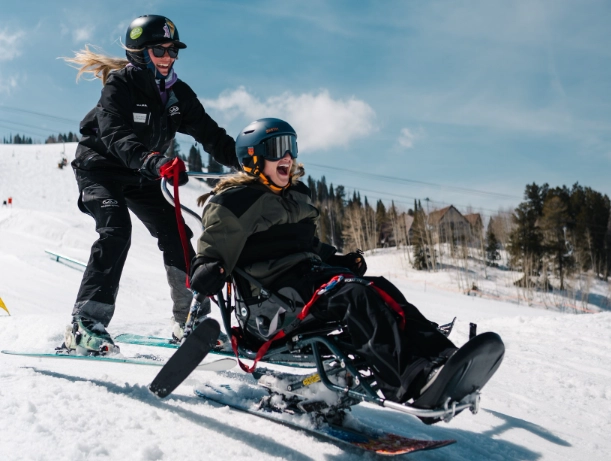
I remember the first time I helped a friend with paraplegia get fitted for a sit-ski. The look of pure anticipation mixed with a bit of healthy fear was something I'll never forget. A month later, watching him carve a turn independently was one of the most powerful moments I've witnessed on snow. That experience taught me that finding the right path isn't about forcing a square peg into a round hole. It's about matching the individual's unique abilities with the vast toolkit that modern adaptive skiing provides.
This guide cuts through the generic advice. We're going deep into the specific gear that makes it possible, the North American resorts that are genuinely leading the charge (not just paying lip service), and the step-by-step process to plan a trip that focuses on success, not frustration.
Your Quick Guide to Adaptive Skiing
How to Choose the Right Adaptive Ski Equipment
Forget the idea of one-size-fits-all. Adaptive equipment is highly specialized, and the best choice depends entirely on your specific strengths and challenges. Working with a certified adaptive instructor is non-negotiable here—they're the experts who can assess you and recommend the proper setup. Here’s a breakdown of the main categories.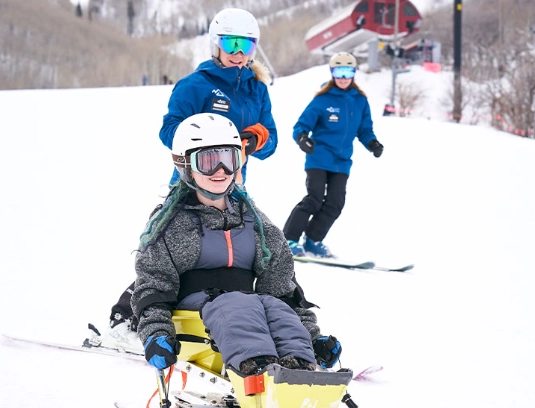
Sit-Skis (Mono-skis and Bi-skis)
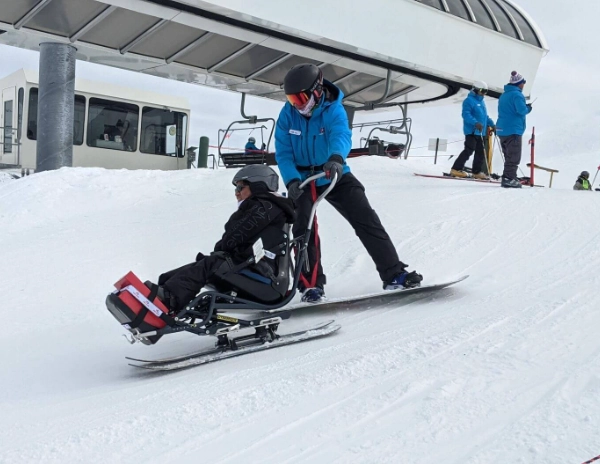
These are for skiers who have limited or no use of their legs. The skier is bucketed into a molded seat mounted on a single ski (mono-ski) or a wider frame with two skis (bi-ski).
Mono-skis are for more advanced, independent skiers. They're tippy and require significant core strength and balance to control. You use outriggers (short forearm crutches with mini-skis on the ends) for balance and turning. Brands like Tessier and DynAccess lead here.
Bi-skis are the stability kings. With a wider base and often a lower center of gravity, they're ideal for beginners or those with higher-level spinal cord injuries or balance issues. They can be tethered and guided by an instructor from behind. Praschberger and Enabling Technologies make excellent bi-skis.
A common mistake? Assuming a mono-ski is the "cooler" option and pushing for it too soon. Starting in a bi-ski to build confidence and fundamental skills is almost always the smarter, safer, and more enjoyable path.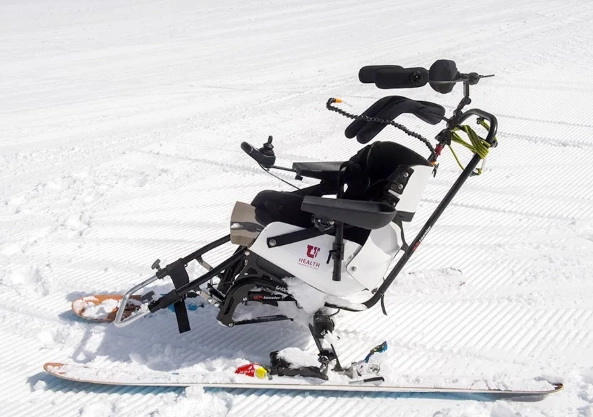
Stand-Up Equipment
This category is for skiers who can stand but need support for balance, limb absence, or weakness.
Three-Track and Four-Track Skiing: A three-track skier uses one ski and two outriggers (common for a single leg amputation). A four-track skier uses two skis and two outriggers, providing maximum stability for conditions like cerebral palsy or post-stroke weakness.
Prosthetic Adaptations: Modern ski prosthetics are marvels of engineering. They often feature specialized feet with multi-axial ankles that mimic natural movement and allow for edging. Companies like Biodapt create custom, high-performance limbs for sports. Don't just use your everyday walking leg; the forces are completely different.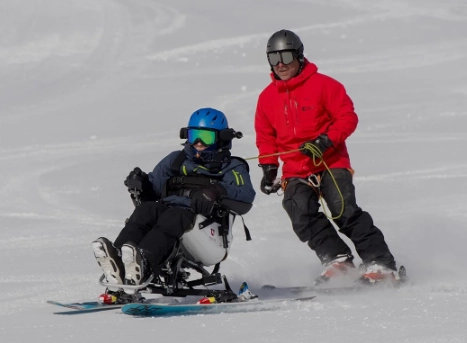
Sensory and Cognitive Aids
Adaptive skiing isn't only physical. For visually impaired skiers, the primary tool is a guide—a certified instructor who skis ahead, providing verbal cues about terrain, direction, and obstacles. Communication systems (like Bluetooth headsets) are often used. For skiers with cognitive or developmental disabilities (e.g., Autism, Down Syndrome), equipment might include tethers for safety, simplified visual cue cards, or harness systems that allow the instructor to provide physical guidance without impeding the feeling of skiing.
Top Adaptive Ski Resorts and Their Programs
Not all resorts are created equal. A great adaptive program has dedicated facilities, a large inventory of well-maintained equipment, and a deep bench of certified instructors. Here are four that consistently set the bar high in North America.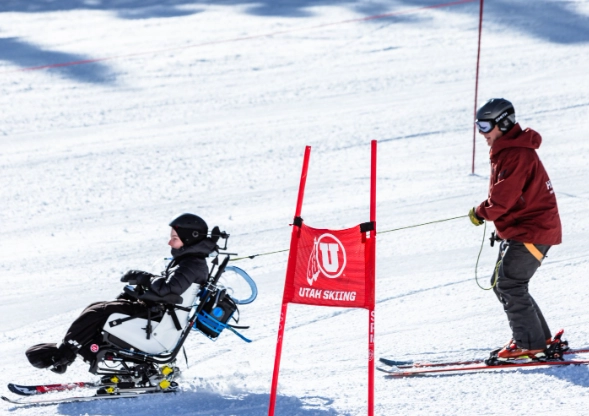
| Resort & Location | Adaptive Program Name & Contact | What Makes It Stand Out | Best For |
|---|---|---|---|
| Winter Park Resort, Colorado Address: Winter Park, CO 80482 |
National Sports Center for the Disabled (NSCD) Phone: (970) 726-1540 Website: nscd.org |
The grandfather of them all. The NSCD is a massive, non-profit organization with an unparalleled range of programs and expertise for every disability type. They have their own dedicated learning center at the base. | First-timers, veterans, complex disabilities, families. The gold standard for comprehensive care. |
| Breckenridge Ski Resort, Colorado Address: Breckenridge, CO 80424 |
Breckenridge Outdoor Education Center (BOEC) Phone: (970) 453-6422 Website: boec.org |
Exceptional one-on-one instruction with a focus on building independence. Strong veteran-specific programs. They manage the ski school's adaptive offerings right on the mountain. | Skiers aiming for independence, military veterans, personalized goal-oriented instruction. |
| Park City Mountain, Utah Address: Park City, UT 84060 |
National Ability Center (NAC) Phone: (435) 649-3991 Website: discoverNAC.org |
State-of-the-art facility (the McGrath Mountain Center) right at the base of Park City. Offers seamless integration with the resort's lifts and trails. Huge variety of equipment. | Families (great for siblings to take lessons concurrently), those wanting a modern, integrated base lodge experience. |
| Whistler Blackcomb, British Columbia Address: Whistler, BC V0N 1B4, Canada |
Whistler Adaptive Sports Program Phone: (604) 905-4495 Website: whistleradaptive.com |
World-class terrain meets a highly professional program. Excellent for progressing adaptive skiers onto more challenging runs. Strong race and competition pipeline. | Intermediate to advanced adaptive skiers looking to tackle big mountain terrain, aspiring para-athletes. |
When you research a resort, don't just look for an "adaptive ski school" link. Look for the specific non-profit partner name (like NSCD, BOEC, NAC). These organizations are typically the ones with the deep expertise, specialized staff, and mission-driven focus. The resort itself often just provides the mountain access.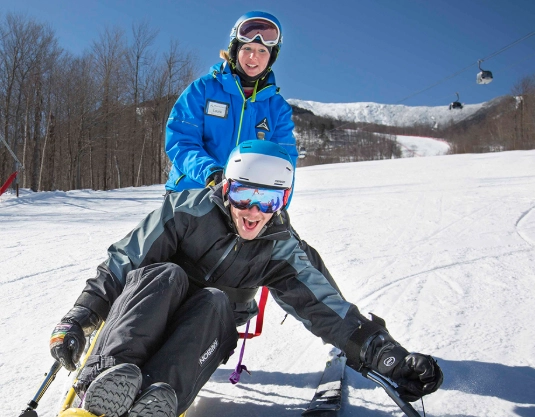
Finding Adaptive Ski Lessons and Certified Coaches
You wouldn't learn brain surgery from a general practitioner. Don't learn adaptive skiing from a standard ski instructor. Certification is critical.
In the United States, the primary certifying body is PSIA-AASI (Professional Ski Instructors of America & American Association of Snowboard Instructors), specifically their Adaptive Alpine discipline. A Level I, II, or III Adaptive Certified instructor has undergone rigorous training on disability awareness, equipment mechanics, and teaching progressions. In Canada, look for Canadian Association of Disabled Skiing (CADS) certification.
A great lesson starts with an intake assessment. A good instructor will ask about your medical history, current abilities, goals, and fears. They'll then match you to equipment and terrain. The first hour might just be getting used to the feel of a sit-ski on flat snow, and that's perfectly fine. Progress is measured in inches, not miles.
Costs vary widely. A full-day private adaptive lesson with equipment can range from $250 to over $500. Many of the non-profit programs offer scholarship or grant opportunities—always ask. Group lessons are rarer but can be more affordable.
Planning Your First Adaptive Ski Trip: A 5-Step Checklist
This is where theory meets practice. Follow these steps to avoid the common pitfalls that can derail a first-time experience.
1. Self-Assessment and Medical Clearance. Be brutally honest about your current physical condition. Can you sit for 4-6 hours? How is your core strength? Get a thumbs-up from your doctor, especially if you have concerns about pressure sores, spasms, or temperature regulation.
2. Contact the Adaptive Program FIRST, Before Booking Anything Else. This is the most important step. Call them. Explain your situation. Ask about:
- Instructor and equipment availability for your dates.
- The intake process.
- Their experience with your specific disability.
- Any prerequisite skills or fitness levels.
Only after you have confirmed they can accommodate you should you book travel and lodging.
3. Book Accessible Lodging. A great day on the mountain is ruined by a hotel room you can't navigate. Confirm roll-in showers, bed height, and door widths. Many resort towns have condo-style lodging that's more adaptable than hotels. Websites like AccessibleGO can be helpful.
4. Plan for Logistics and Comfort.
- Transportation: How are you getting from lodging to the resort? Is there accessible shuttle service? Do you need to rent an adapted van?
- Clothing: You'll be less active than a standing skier. You need more insulation, not less. Think merino wool base layers, a high-quality insulated jacket, and waterproof gloves/mittens. Hand and toe warmers are your friends.
- Hydration and Nutrition: Bring a hydration pack you can access easily. Schedule lunch breaks. Fatigue leads to mistakes.
5. Manage Expectations and Communicate. Your goal for day one is not to ski a black diamond. Your goal is to have a safe, positive experience. Communicate openly with your instructor. If something hurts, feels wrong, or is scary, say so immediately. They can adjust.
Your Adaptive Skiing Questions, Answered