In This Guide
Let's talk about alpine skiing. You've probably seen the pictures – endless white slopes, crisp mountain air, that feeling of flying down a mountain. It looks incredible, right? But then you start thinking about it. The gear seems complicated. Those slopes look terrifyingly steep. And how do you even begin? I remember standing at the top of a beginner slope for the first time, my legs feeling like jelly, convinced I was about to invent a new and embarrassing way to fall. Spoiler: I did.
But here's the thing. Alpine skiing is one of those sports that seems daunting from the outside, but once you get into it, it opens up a whole world of winter joy, challenge, and stunning landscapes. This guide is meant to be that friend who gives you the real talk – no fluff, no overly technical jargon meant to impress, just the useful stuff you need to know whether you're thinking about your first lesson or looking to refine your technique on black diamond runs.
We're going to walk through everything. And I mean everything. From the absolute basics of what to wear (trust me, cotton is the enemy) to the nuanced differences between carving skis and all-mountain boards. We'll talk about how to choose a resort that won't leave beginners in tears or experts bored. We'll get into technique, safety (so important), and even tackle some of those nagging questions that pop up when you're planning a trip.
What Exactly Is Alpine Skiing?
Sometimes you hear terms like downhill skiing, alpine skiing, Nordic skiing... it can get confusing. Let's clear that up right away. When people say "alpine skiing," they're almost always talking about the classic image of skiing: riding a chairlift up a mountain and skiing down prepared trails or slopes at a ski resort. Your boots are fixed firmly to your skis at both the toe and the heel. This is different from cross-country skiing (Nordic), where your heel is free to lift, or telemark skiing, which is its own unique beast.
The heart of alpine skiing is the resort experience. Groomed runs, lift systems, ski schools, lodges – it's a packaged, accessible way to enjoy the mountains. The sport has roots as a practical mode of transport in snowy regions, but it evolved into recreation in the Alps (hence the name "alpine") and exploded in popularity worldwide. Now, it's a multi-billion dollar industry centered around some of the most beautiful places on earth.
So, you're sold on the idea. What's next?
Gearing Up: Your Alpine Skiing Kit
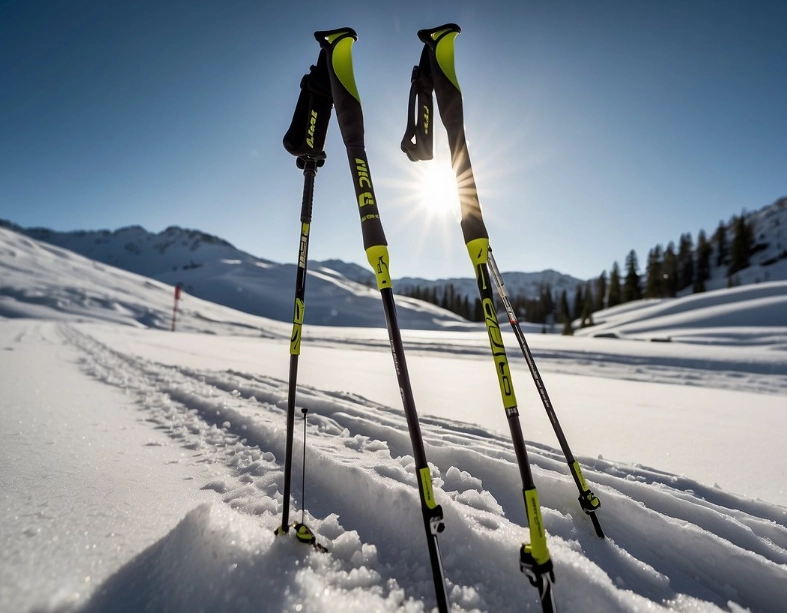
This is where most beginners get overwhelmed. The list seems long, and the price tags can be scary. My first piece of advice? Rent initially. Seriously. Don't drop thousands on gear before you know if you even like the sport. Most resorts have excellent rental shops where you can get fitted for skis, boots, and poles. As you progress, you'll learn what you like.
But what do you actually need to buy? The personal stuff. This is your foundation.
The Non-Negotiable Personal Gear
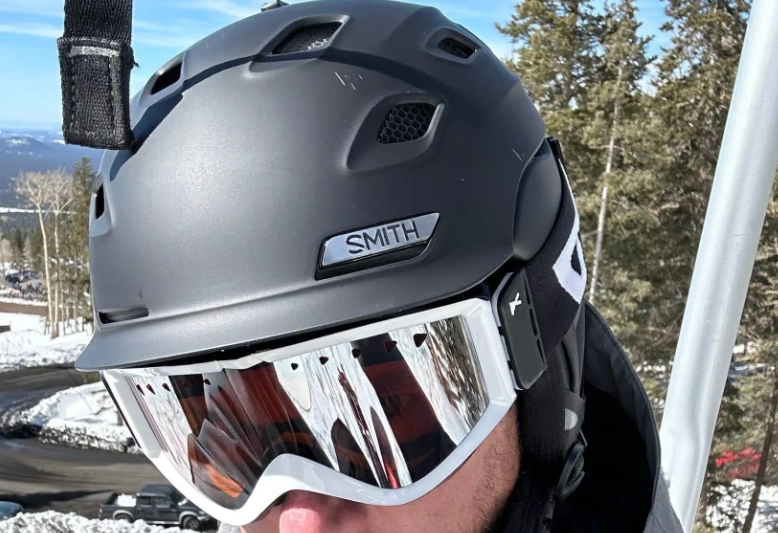
- Helmet: Non-negotiable. Full stop. Modern ski helmets are light, warm, and can save your life. This is the first thing you should buy. Don't rent a helmet.
- Goggles: Not just sunglasses. Goggles protect your eyes from wind, snow, and UV reflection off the snow, which is intense. Get a pair with interchangeable lenses if you can – a low-light lens for cloudy days and a sunny lens for bluebird days.
- Baselayers: This is your underwear for skiing. Merino wool or synthetic fabrics (like polyester) are key. They wick sweat away from your body. Avoid cotton at all costs. Cotton gets wet and stays wet, making you cold and miserable. A mid-layer fleece or insulated jacket goes on top for warmth.
- Ski Socks: Again, merino wool or synthetic. One pair, not two. They should be knee-high and thin-to-medium thickness. Thick socks in tight ski boots will cut off circulation and make your feet freeze.
- Gloves or Mittens: Waterproof and insulated. Mittens are generally warmer than gloves. I'm a convert to mittens after years of cold fingers.
Understanding Ski & Boot Tech
When you do decide to buy skis, the choices are endless. Here's a simplified breakdown of the main ski categories you'll encounter in an alpine skiing context:
| Ski Type | Best For | Characteristics | My Take |
|---|---|---|---|
| All-Mountain | Most recreational skiers. Versatile. | Medium width, designed to handle groomed runs and some off-piste. The "jack of all trades." | The perfect first ski purchase. You can do 90% of resort skiing on these. |
| Carving / Frontside | Groomed runs, hard snow, high-speed turns. | Narrow waist, deep sidecut. They "carve" like a knife through butter on firm snow. | Incredibly fun on corduroy, but can be scary in deep snow or crud. |
| All-Mountain Wide / Freeride | Off-piste, powder, variable conditions. | Wider underfoot (95mm+), more rocker. Floats in powder, handles crud better. | My personal favorite for most days. Forgiving and fun everywhere except pure ice. |
| Powder Skis | Deep powder days. | Very wide (110mm+), lots of rocker. Like snowshoes for your feet. | Amazing when it dumps, but overkill and hard to maneuver on groomers. |
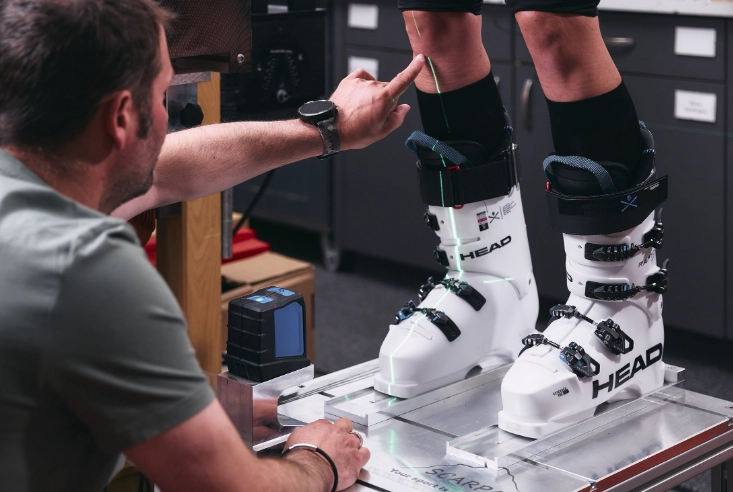
Boots are even more personal. They are the single most important piece of performance gear. A good boot fitter is worth their weight in gold. Don't just buy a size. Your ski boot should be snug – your toes should just brush the front when you stand up straight, then pull back slightly when you flex into a skiing stance. Any reputable ski shop will have a certified bootfitter who can measure your foot, assess your arch, and recommend models. This is one area where expert advice is crucial. The Professional Ski Instructors of America & American Association of Snowboard Instructors (PSIA-AASI) website is a good place to understand the level of professionalism involved in instruction and fitting.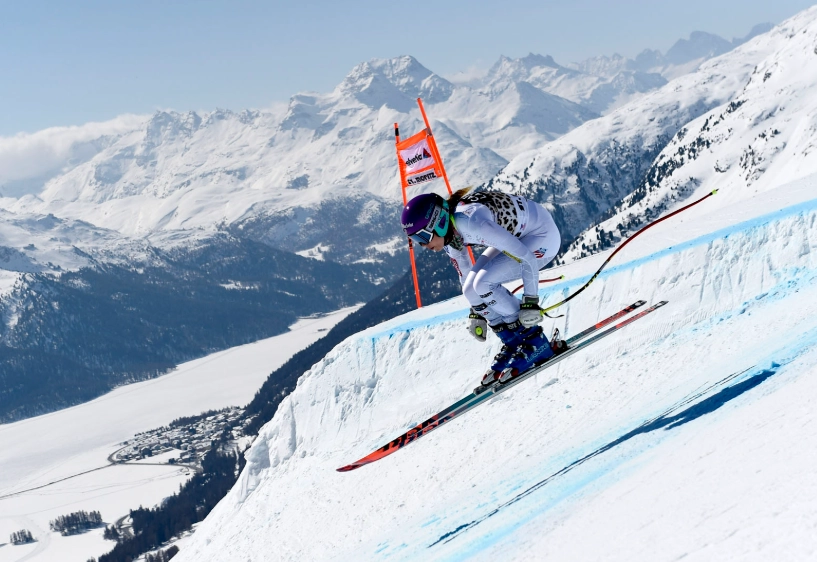
Learning to Ski: It's All About the Foundation
You can watch a thousand YouTube videos (and I have), but nothing replaces a lesson, especially at the start. A certified instructor will give you safe, effective fundamentals that will save you years of developing bad habits. I was stubborn and tried to self-teach. It took me three times as long to learn the basics, and I'm still unlearning some of those early mistakes.
What does a beginner lesson cover? The magic carpet area. How to put on and carry skis. The "pizza" (snowplow) and "french fries" (parallel) concepts for speed control. How to get on and off a chairlift without causing a scene (a common fear!). How to make basic turns. It's about building confidence in a controlled environment.
For intermediate skiers, lessons focus on refining parallel turns, learning to carve, controlling speed with turn shape rather than just skidding, and tackling steeper terrain. Advanced lessons get into short-radius turns, mogul technique, off-piste skiing, and high-performance carving.
Common Technique Hurdles (And How to Get Over Them)
- Leaning Back: The number one instinct when scared is to sit back. This takes away all control from your ski tips. Focus on feeling pressure on the shins of your boots. "Drive your shins into the boot tongue."
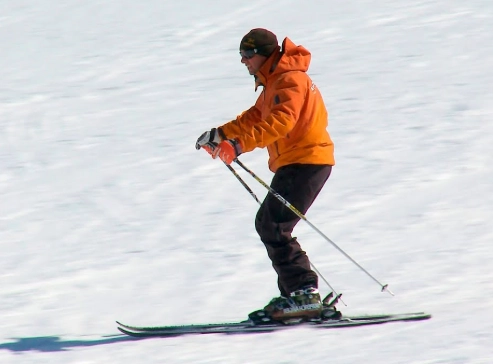
- Stiff Legs: Skiing is a dynamic, athletic stance. Your legs should be springs, absorbing bumps. Practice flexing and extending your ankles, knees, and hips as you go over gentle terrain.
- Looking Down: Your body follows your eyes. If you stare at your skis, you'll go straight. Look where you want to go – 20-30 feet down the slope, through the turn.
Mastering alpine skiing technique is a lifelong journey, and that's part of the appeal. There's always something new to learn, a steeper line to try, a smoother turn to perfect.
Choosing Your Alpine Skiing Destination
Not all ski resorts are created equal. Picking the right one can make or break your trip. A family with young kids has different needs than a group of expert skiers chasing powder.
Here are some key factors to consider beyond just the flashy marketing:
- Terrain Mix: What percentage is beginner (green), intermediate (blue), advanced (black)? A good resort for progression has a healthy amount of each. Some resorts are famously steep (Jackson Hole, Alta), while others are more beginner/intermediate friendly (Park City, Whistler's lower mountain).
- Snow Reliability: Does the resort have high-elevation north-facing slopes? Do they have extensive snowmaking to cover early and late season? Check historical snow reports.
- Lift Infrastructure: Are there long, slow chairlifts, or modern high-speed quads and gondolas? This drastically affects how many runs you can get in a day.
- Village & Amenities: Do you want a bustling, walkable village with apres-ski, or are you happy with a simple lodge? This is a big cost and experience driver.
For North Americans, resources like OnTheSnow provide detailed resort profiles and user reviews. In Europe, the local tourism boards for regions like the Tyrol or the Savoie Mont-Blanc are authoritative sources for multi-resort areas.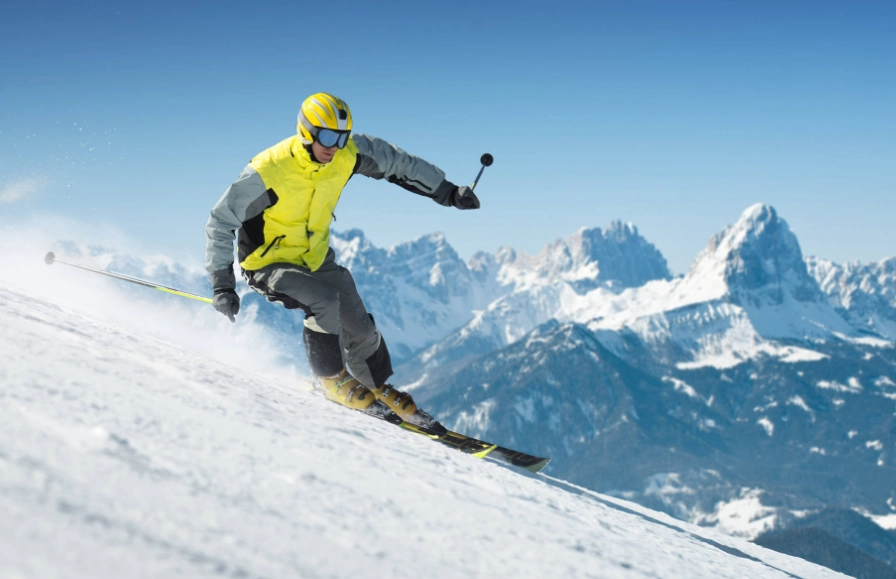
Safety in the Mountains: It's Not Just Common Sense
This is the most serious part of the guide. The mountains are beautiful but unforgiving. Respect them.
Your Responsibility Code: Every trail map has it. Know it. It includes things like: people ahead of you have the right of way, don't stop where you obstruct a trail or are not visible from above, look uphill before merging, use devices to prevent runaway equipment. This is alpine skiing's rulebook for sharing the slopes safely.
Avalanche Awareness (for Off-Piste): If you venture outside the marked resort boundaries (the "backcountry"), you are entering avalanche terrain. This requires specialized training, a beacon, shovel, probe, and a partner. Do not go out of bounds without this knowledge and gear. Full stop. Organizations like the American Institute for Avalanche Research and Education (AIARE) offer essential courses.
Tree Wells: A hidden danger near trees. Deep snow can form a void around the base of a tree. If you fall in headfirst, it can be impossible to get out. Always ski with a partner in tree-filled areas and keep them in sight.
Fatigue: Most injuries happen at the end of the day when you're tired. Know when to call it. That "last run" is famous for mishaps.
Answering Your Alpine Skiing Questions
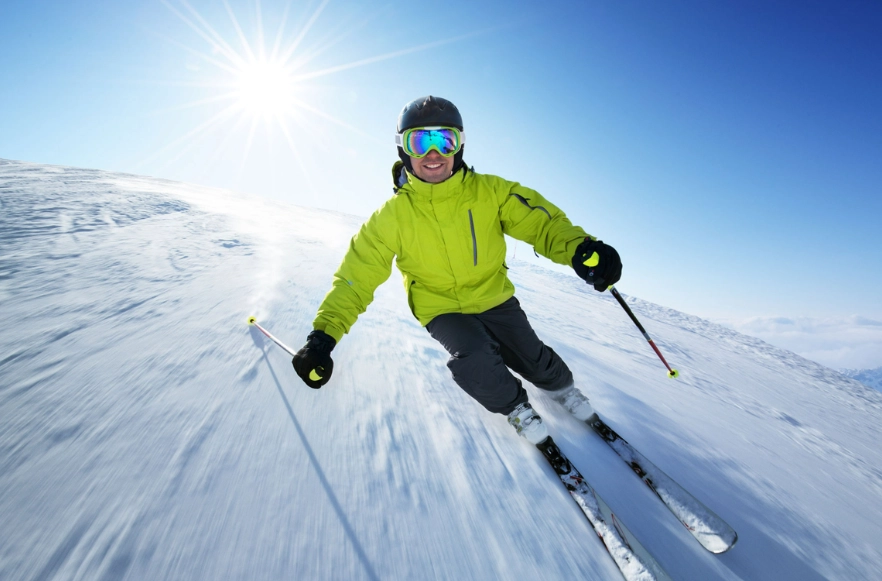
The Soul of the Sport
Beyond the gear and the technique, alpine skiing offers something harder to define. It's the silence of a chairlift ride in falling snow. The shared grin with a stranger after nailing a tricky run. The burning satisfaction in your legs at the end of a perfect day. The way a mountain looks different from the top than it does from the bottom. It's about overcoming a little fear, feeling a connection to a powerful landscape, and playing in the snow like a kid again, but with cooler toys.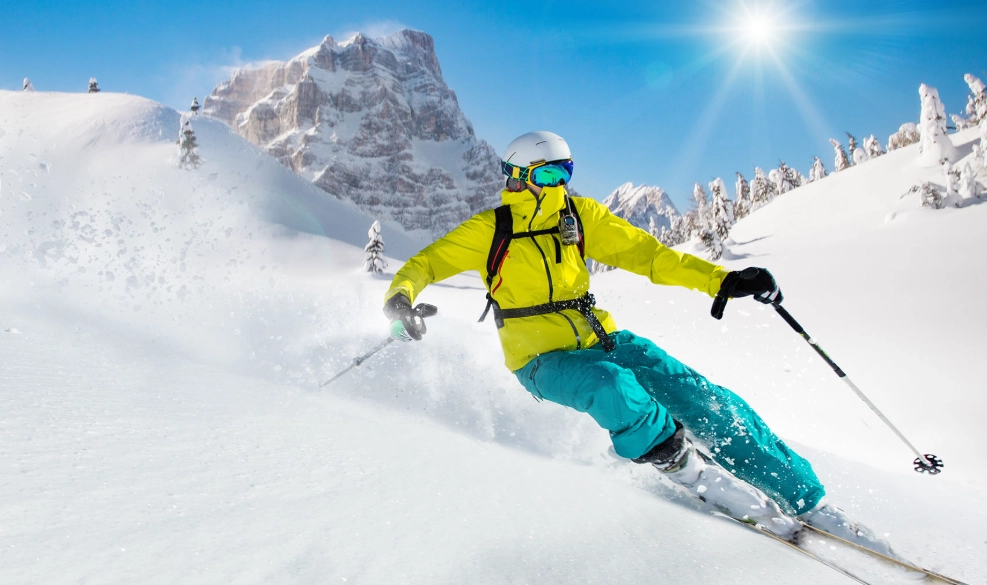
It has its frustrations – lift lines, icy patches, equipment hassles. But for me, and for millions of others, the good days far, far outweigh the bad. A perfect run, where you're perfectly in sync with your skis and the mountain, is a feeling that's hard to beat.
So, are you ready to give it a try?
Start small. Rent some gear. Book a lesson. Pick a resort known for being beginner-friendly. Focus on the fun, not the fear. Alpine skiing has been waiting for you.