You're staring at two racks of winter coats. One says "Snow Jackets." The other says "Ski Jackets." They look similar—puffy, technical, built for cold. The price tags are different, sometimes wildly so. What are you actually paying for? Is it just marketing, or is there a functional gap that could ruin your day on the mountain?
Let's cut through the jargon. I've spent over a decade testing gear in everything from Vermont ice storms to deep Colorado powder. The difference isn't about one being "better." It's about specificity of purpose. A snow jacket is a generalist. A ski jacket is a specialist. Choosing wrong means you'll be either overpaying for features you don't need, or worse, shivering and soaked because your jacket can't keep up.
In This Article
The Core Philosophy: Versatility vs. Precision
Think of a snow jacket as your all-around winter workhorse. It's designed for a range of cold, wet conditions: shoveling the driveway, walking the dog in a snowstorm, maybe some casual sledding or a winter hike. The goal is broad protection and everyday comfort. Brands like The North Face, Columbia, and Patagonia make excellent ones. They prioritize warmth and a decent level of weather resistance without going overboard on sport-specific features.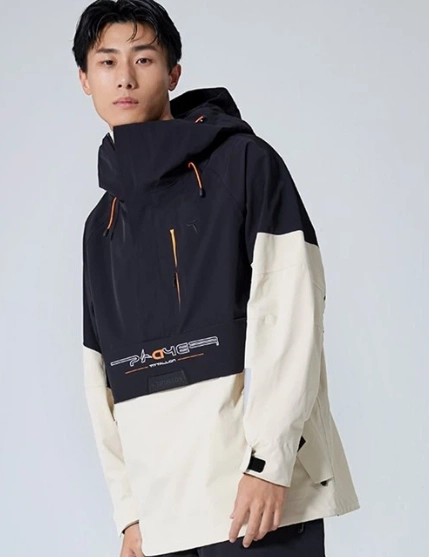
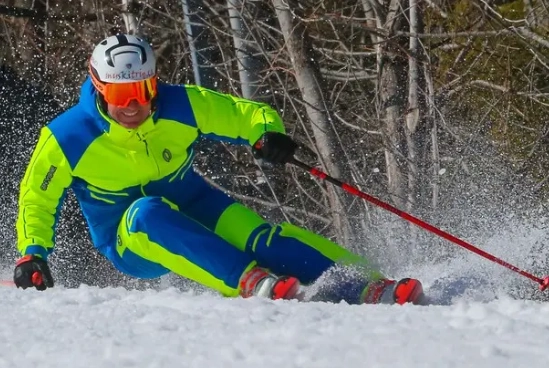
A ski jacket, on the other hand, is a tool for a specific job. It's engineered for the dynamic, demanding environment of alpine skiing or snowboarding. You're moving intensely on cold lifts, then generating massive body heat on the descent. The weather can switch from sunny to blizzard in minutes. Ski jackets, from brands like Arc'teryx, Spyder, or Salomon, are built to manage this wild swing. They're not just warm; they're a climate control system.
The subtle mistake most people make: Assuming a high price tag on a fashionable "ski-style" jacket means it has ski-worthy performance. I've seen too many people in resort parking lots wearing expensive, stylish jackets that are basically fancy cotton shells. They'll be drenched and freezing by lunch. Always check the technical specs, not just the brand name or look.
Spec Breakdown: Insulation, Waterproofing & Breathability
This is where the rubber meets the road. You need to speak the language of tags and tech sheets.
Waterproofing & Breathability: The Numbers Game
This is the biggest differentiator. Performance is measured in millimeters (mm) for waterproofing (Hydrostatic Head) and grams (g) for breathability (Moisture Vapor Transmission Rate).
Snow Jackets often use terms like "water-resistant" or "dry-tech." If they have a number, it might be in the 5,000mm to 10,000mm range. That's fine for a few hours in wet snow, but prolonged exposure or heavy, wet snow (common in coastal areas like the Pacific Northwest) will soak through. Breathability is often an afterthought.
Ski Jackets demand high numbers. Look for a minimum of 10,000mm, with 15,000mm to 20,000mm being the sweet spot for most resort skiers. For backcountry or serious storm skiing, 20,000mm+ is common. Breathability is equally crucial—10,000g to 20,000g is standard. This lets your sweat vapor escape during that thigh-burning run. Premium membranes like Gore-Tex, Pertex Shield, or a brand's own proprietary tech (like Arc'teryx's N80p) are the gold standard here.
Insulation: Down vs. Synthetic vs. None
Snow Jackets frequently come insulated, either with down or synthetic fill. They aim to be your single, warm layer. Down is warmer for its weight but loses all insulating power when wet. Synthetic (like PrimaLoft) is bulkier but retains warmth when damp—a better choice for variable conditions.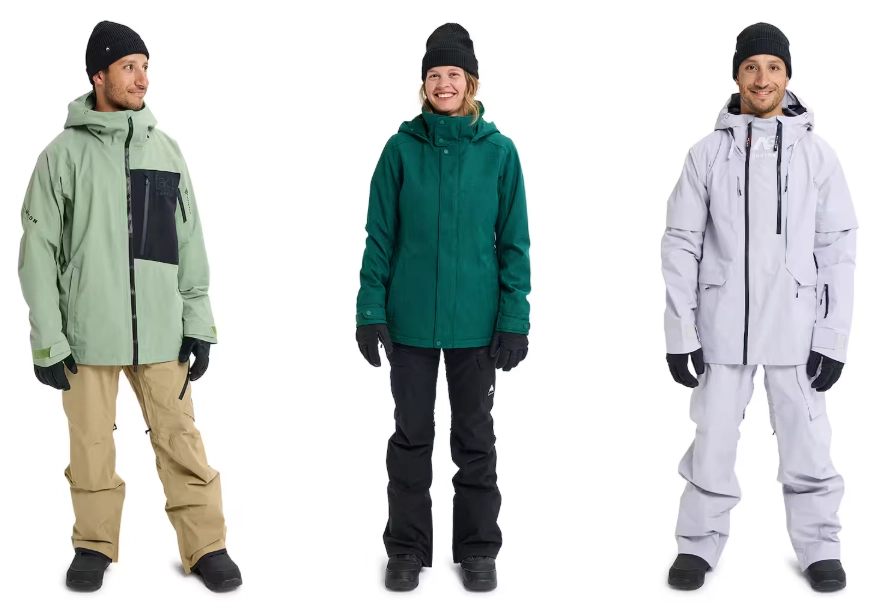
Ski Jackets follow a layering philosophy. Many are shells—no insulation at all. This gives you maximum flexibility. You wear a separate insulating mid-layer (fleece, down sweater) underneath. You can add or remove layers based on the day's temperature and your activity level. Insulated ski jackets do exist (often called "jackets" or "3-in-1 systems"), but even then, the insulation is usually thinner and designed to work as part of a system, not be the sole source of warmth.
| Feature | Typical Snow Jacket | Typical Ski Jacket |
|---|---|---|
| Primary Use | General winter wear, casual snow play | Alpine skiing, snowboarding, intense winter sports |
| Waterproof Rating | Water-resistant to 5,000-10,000mm | 10,000mm minimum, often 15,000-20,000mm+ |
| Breathability Focus | Low to moderate | High (10,000g+ MVTR) |
| Insulation | Often built-in (down or synthetic) | Often a shell (uninsulated) for layering |
| Mobility & Fit | Standard or casual fit | Articulated sleeves, gusseted for movement, longer cut |
| Price Driver | Brand, fashion, general materials | Technical fabrics, construction, specialized features |
The Feature Wars: Pockets, Vents & Hoods
This is where the ski jacket's specialization screams at you. These features solve very specific on-hill problems.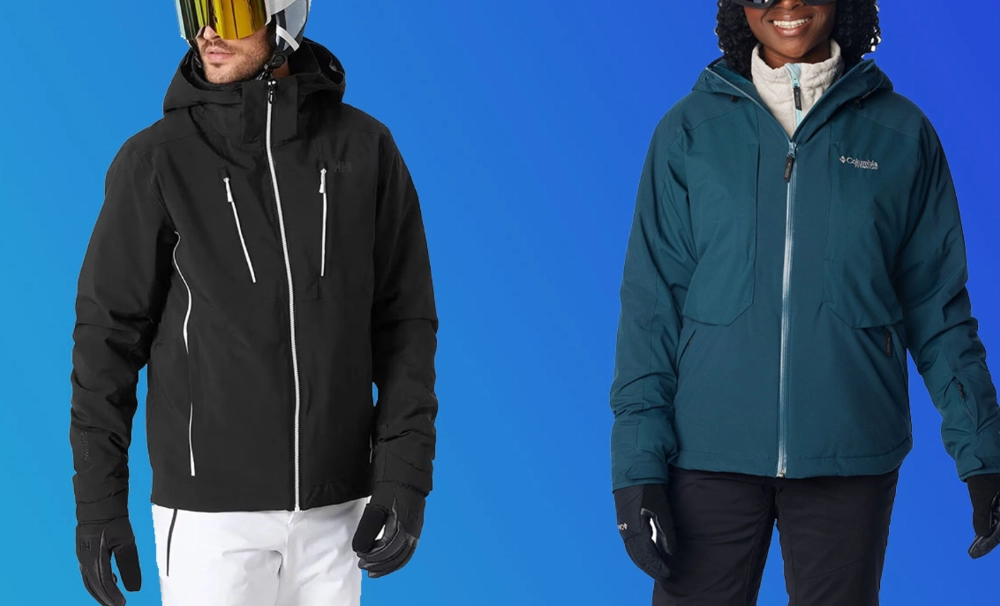
Pockets: A snow jacket has standard hand pockets, maybe an internal one. A ski jacket is a pocket universe. You need a secure, goggle-sized pocket for your lenses. A dedicated, insulated ski pass pocket on the sleeve (so you can scan the lift gate without opening your jacket). A chest pocket for your phone that's accessible with a backpack on. Internal mesh dump pockets for gloves or a hat. The organization is tactical.
Ventilation: Ever been sweating on a spring skiing day? Ski jackets have massive, easy-to-open pit zips (underarm vents). Some even have thigh or back vents. A snow jacket might have none, or small, fiddly ones. This feature alone can save your day.
The Hood: A snow jacket hood is for walking in the snow. A ski jacket hood is helmet-compatible. It's larger, with volume adjusters, so it fits over your helmet without blocking your peripheral vision. It's a non-negotiable for safety. Many also have a stiffened brim to keep snow off your goggles.
Powder Skirt: This is a game-changer. It's an internal, elasticated waistband that seals out snow when you (inevitably) fall in deep powder. A snow jacket doesn't have one. If you ski or board, you want this.
How to Choose: A Decision Framework
Stop asking "which is better?" Start asking "what am I doing?"
Choose a Snow Jacket If:
Your winter is about city life, dog walks, and occasional light outdoor play. You want one jacket that does it all, from running errands to building a snowman. You value a more casual look and don't want to fuss with layering systems. Your budget is under $250.
Choose a Ski Jacket (an insulated one or a 3-in-1) If:
You're a casual resort skier/snowboarder, going a few times a season. You want simplicity—one jacket to grab and go. Look for features like a powder skirt, decent waterproofing (10k+), and a helmet-compatible hood. Brands like Obermeyer or Columbia's ski-specific lines are great here.
Choose a Ski Shell Jacket If:
You're a frequent skier/rider, venture into the backcountry, or simply love gear flexibility. You already own warm mid-layers. You ski in variable conditions where temperature management is key. You're investing in a system, not just a piece. This is where high-end brands like Arc'teryx or Patagonia's ski shells shine. The initial cost is higher, but the versatility and longevity are unmatched.
Remember, the best jacket is the one that matches your actual activity 90% of the time. Don't buy a $700 Gore-Tex Pro shell if you only ski three bluebird days a year. That's overkill. But don't try to ski a rainy day at Whistler in a water-resistant parka, either.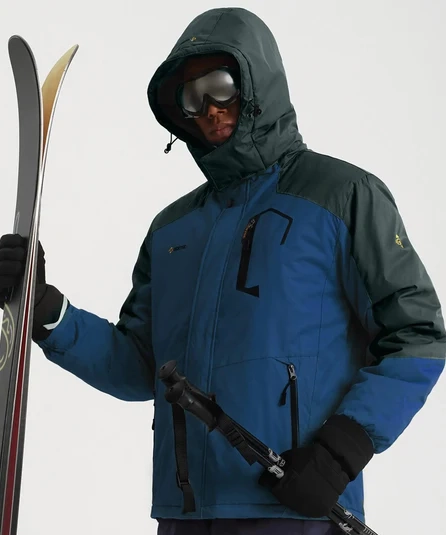
Your Questions, Answered
The bottom line isn't about good vs. bad. It's about right tool, right job. Your winter enjoyment hinges on staying dry, warm, and comfortable. Now you know what to look for on that tag, beyond the price and the logo. Go be warm out there.