Let's cut to the chase. Yes, you can technically learn to ski by yourself. People have done it. I know a guy who figured it out on a cheap pair of second-hand skis, watching YouTube on his phone in the lodge. But here's the real question you should be asking: Should you learn to ski by yourself? The answer is more complicated, and the path is riddled with hidden potholes that most cheerful "how-to" videos gloss over. This guide won't just tell you it's possible; it'll show you the realistic, often frustrating, and sometimes risky journey of self-taught skiing, so you can make an informed decision.
What's Inside?
- Why Even Consider Self-Teaching?
- The Harsh Reality & Risks Nobody Talks About
- A Step-by-Step Path for the Determined Self-Learner
- Gear: The Non-Negotiables for Going Solo
- Common Self-Taught Mistakes (And How to Avoid Them)
- The Instructor vs. Self-Taught Showdown
- Safety First: Your Lifelines on the Mountain
- Your Burning Questions Answered
Why Even Consider Self-Teaching?
The appeal is obvious. Ski lessons are expensive. A single day with an instructor can cost more than your lift ticket and rental combined. There's also the freedom factor—no schedule, no waiting for a group, just you and the mountain on your own terms. For the fiercely independent or the severely budget-conscious, the DIY route whispers a siren song of autonomy and savings.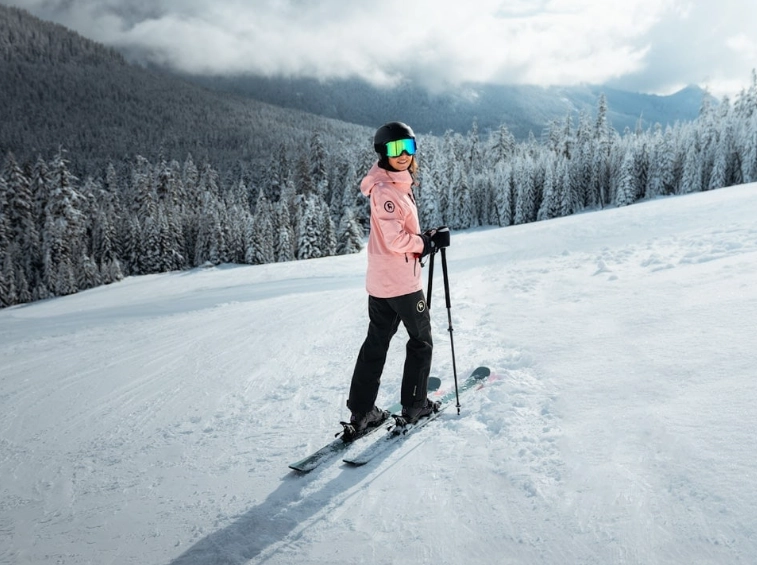
I get it. My first season, I was that budget-conscious student. The thought of dropping an extra $150 on a lesson felt insane when I could be spending that on another day on the snow. The logic seems sound on paper.
The Harsh Reality & Risks Nobody Talks About
Before you lace up those boots, let's talk about the shadows on this sunny slope.
The Injury Multiplier: Skiing has a learning curve made of ice. Without a guide, you're far more likely to develop poor technique that not only limits your progress but actively increases your risk of falls and injuries. A twisted knee from a bad weight distribution is a common souvenir for self-taught skiers.
The Plateau of Frustration: You'll likely get to a point—maybe the "pizza" (snowplow) turn on a gentle green run—and feel stuck. Progress will screech to a halt. Why can't I link my turns? Why do I feel out of control? Without feedback, you'll spin your wheels, wasting precious days and sapping your motivation. This is where most self-taught journeys fizzle out.
The Bad Habit Trap: This is the silent killer. You might develop a "survival stance"—leaning back, arms flailing—that gets you down the hill but is fundamentally wrong. Unlearning these ingrained habits later is often harder, more frustrating, and more expensive than learning correctly from the start. The Professional Ski Instructors of America (PSIA) methodology is built on foundational movements for a reason.
A Step-by-Step Path for the Determined Self-Learner
If you've weighed the risks and are still committed, here's a structured approach. This isn't a guarantee, but it's a safer map than wandering blindly.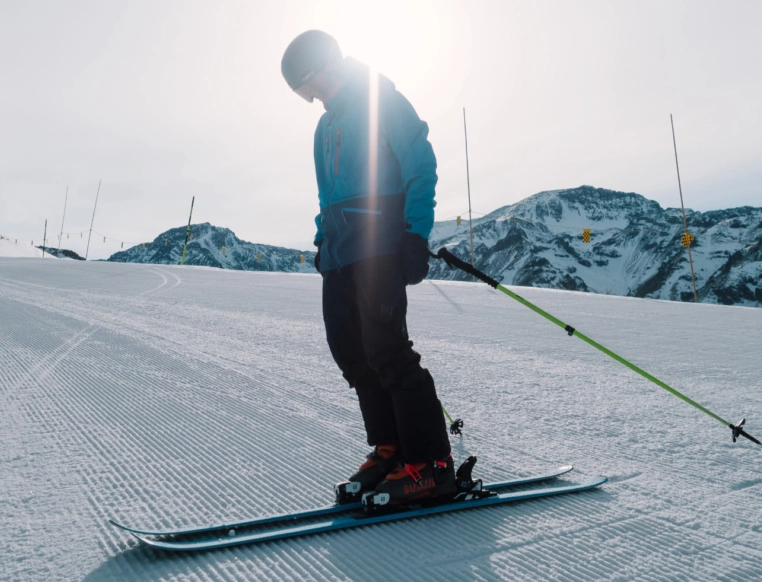
Phase 1: The Foundation (Day 1)
Location is Everything: Find the flattest, widest, gentlest beginner area your resort has. I'm talking the magic carpet area. This is non-negotiable. Don't even look at the chairlift.
First Moves: Spend an hour just getting used to the equipment. Walk around on flat ground with one ski on, then both. Practice stepping sideways up a tiny incline. Feel how the edges grip. The goal is to stop feeling like a newborn giraffe.
The All-Important Stop: Learn the snowplow (pizza wedge) on a barely perceptible slope. Point your ski tips together, push out your heels, and feel the edges scrape and slow you down. Master stopping before you think about going.
Phase 2: First Descents & Turns (Days 2-3)
Once you can reliably stop, try going down the gentlest slope in a controlled snowplow. Your focus? Balance over the middle of your skis. A common self-taught error is leaning back; fight this instinct.
To turn, gently apply more pressure to the right foot to go left, and more to the left foot to go right. It's a subtle weight shift, not a dramatic swing of the shoulders. Record yourself with your phone. Watch it back. Do you look stiff? Are you in the backseat? Be your own harsh critic.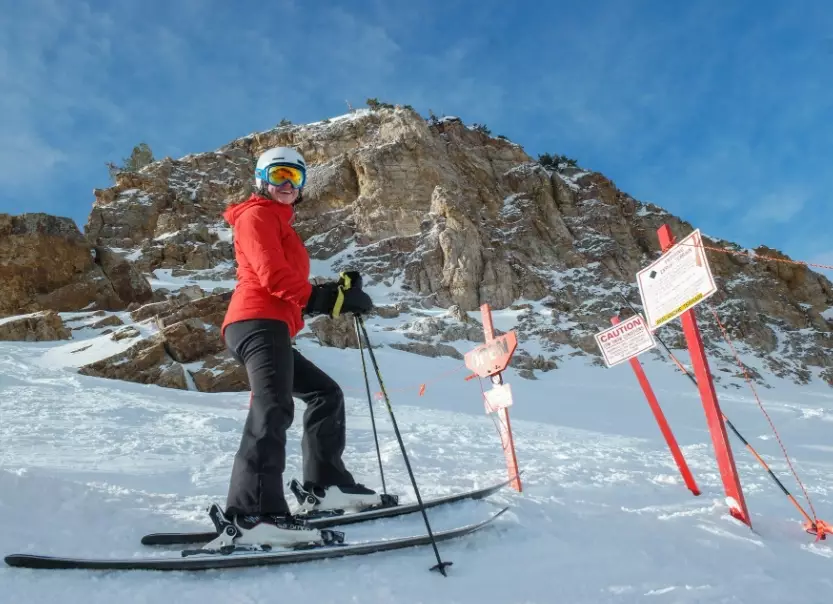
Phase 3: Connecting the Dots (The Long Haul)
Linking snowplow turns into a slow, controlled zigzag is your next milestone. This could take several days. The transition to parallel turns (skis staying side-by-side) is the major leap where almost all self-learners get stuck. This is where the sheer volume of online tutorials can become overwhelming and contradictory.
Pro Tip from the Trenches: At this stage, consider a single 90-minute private lesson. Be upfront: "I've been teaching myself the basics. Can you spend one session fixing my major flaws and giving me one or two drills to work on for the next week?" This hybrid approach is the secret weapon of the savvy self-learner. It's cost-effective and gives you a professional checkpoint.
Gear: The Non-Negotiables for Going Solo
When you're your own instructor, your gear becomes your safety net. Don't skimp here.
Helmet: This is not optional. Rent or buy a well-fitting ski helmet. Full stop.
Properly Fitted Boots: The most important piece of equipment. Rental shop staff can help. Boots that are too loose will destroy your control and ability to learn. Tell them you're a first-timer.
Beginner Skis: Rent "all-mountain" or specifically marked beginner skis. They are softer and more forgiving, making turning easier. Avoid any fancy or aggressive skis.
Goggles & Gloves: You need clear vision and warm, waterproof hands. Frostbite and poor visibility are terrible teachers.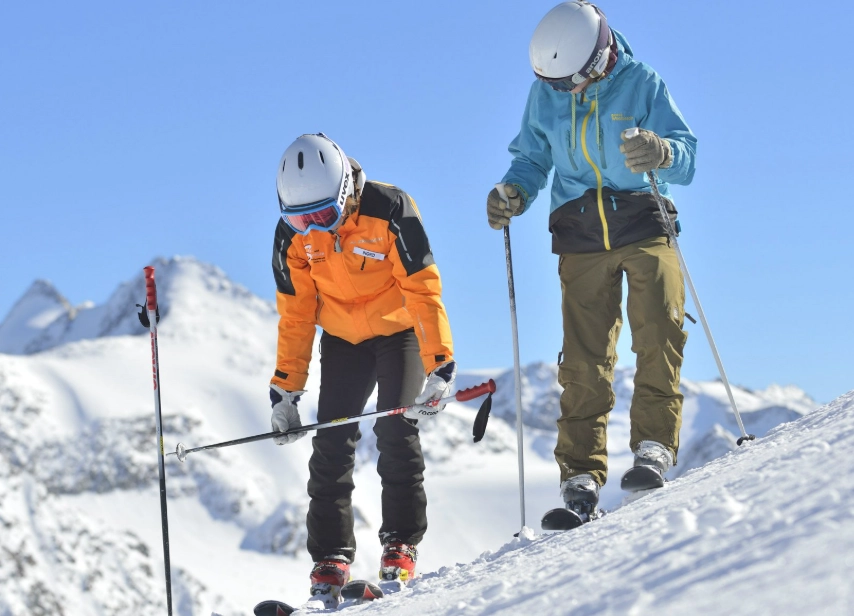
Common Self-Taught Mistakes (And How to Avoid Them)
These are the subtle errors that will hold you back. I made most of them.
The "Backseat Driver" Stance: Leaning back feels safer but puts you out of control. It makes turning hard and stopping slower. Fix: Consciously try to feel the front of your boot tongues with your shins. Keep your hands forward and visible.
Staring at Your Ski Tips: Your body goes where your eyes go. Look down, fall down. Fix: Pick a spot 20-30 feet down the slope and look at it. Your peripheral vision will handle the skis.
Using Your Arms to Steer: You'll see people windmilling their arms. Skiing is led from the feet and knees. Fix: Practice holding your poles horizontally in front of you with both hands, which forces a better, quieter upper body position.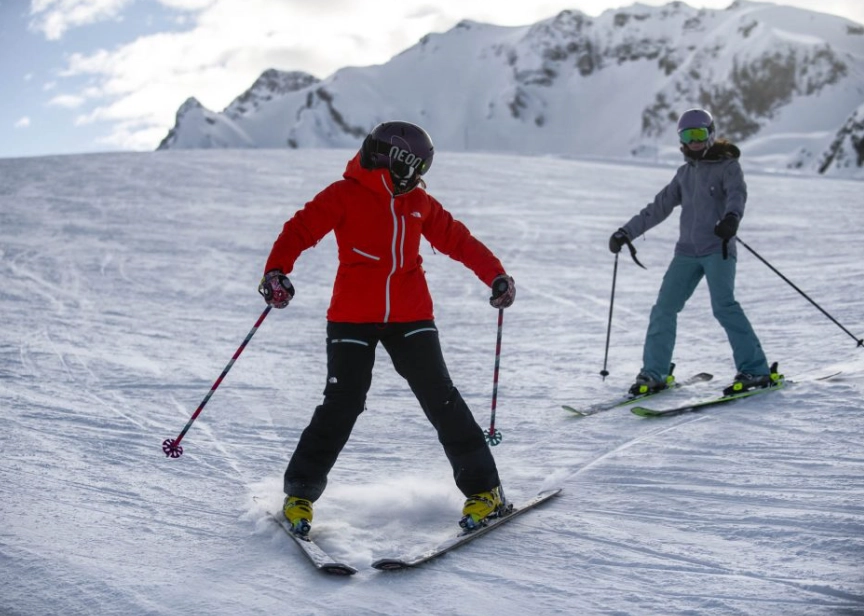
The Instructor vs. Self-Taught Showdown
Let's lay it out clearly. This isn't about good vs. bad, but about understanding the trade-off.
| Aspect | Learning with an Instructor | Learning by Yourself |
|---|---|---|
| Speed of Progress | Faster & more efficient. Correct technique from day one prevents plateaus. | Slower & unpredictable. Prone to long frustrating stalls and needing to unlearn habits. |
| Cost | Higher upfront cost for lessons. | Lower immediate cash outlay. |
| Safety & Risk | Significantly lower. An instructor manages terrain choice and corrects dangerous movements. | Higher. You are your own risk assessor with limited knowledge. |
| Long-Term Enjoyment | Builds a solid foundation for a lifetime of confident, enjoyable skiing. | Risk of developing a fearful, inefficient style that makes skiing a chore. |
| Best For | Anyone wanting a safe, reliable foundation. Ideal for adults who value time and safety. | The extremely patient, analytical, risk-tolerant, and budget-focused individual with athletic experience. |
Safety First: Your Lifelines on the Mountain
This is the chapter you cannot skip.
1. The Responsibility Code: Memorize it. It's the rules of the road for skiing. Number one: Always stay in control. This means you must be able to stop or avoid other people or objects. The National Ski Areas Association has the full code.
2. Know Your Limits: If you're scared, you're on terrain that's too difficult. There's no shame in hiking back sideways or even taking your skis off to walk down a section. Ego causes accidents.
3. Use the Buddy System: Never ski completely alone, especially as a beginner. Have a friend on the mountain who knows your plan.
4. Mountain Awareness: Pay attention to trail signs (Green Circle = Easy, Blue Square = Intermediate, Black Diamond = Hard). Watch for other skiers merging from above or from side trails.