You've heard it a million times from instructors and in every ski magazine: "Put your weight on your outside ski." It's the golden rule of turning. But here's the uncomfortable truth most guides won't tell you—simply shifting your hips over that ski often makes things worse. It leads to a stiff, awkward stance that kills any chance of a fluid, powerful carve. The real secret isn't about weight in the brute force sense; it's about pressure, balance, and a specific sequence of joint movements that make the ski work for you.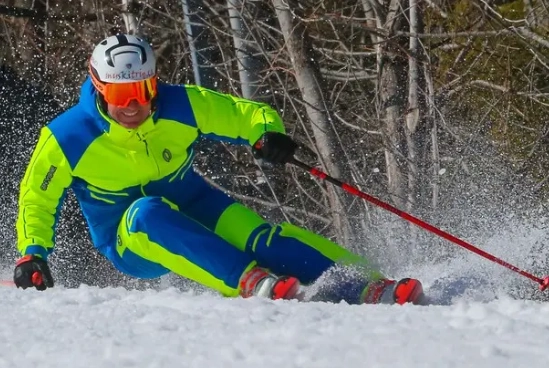
What You'll Learn in This Guide
Why Your Outside Ski is Your Best Friend
Think of your outside ski (the one farthest down the mountain in a turn) as your steering wheel, accelerator, and brake, all in one. The inside ski? It's mostly along for the ride, providing a little extra stability. Modern skis are designed with something called "sidecut"—an hourglass shape that wants to bend into an arc when you put pressure on its edge. The Professional Ski Instructors of America & American Association of Snowboard Instructors (PSIA-AASI) consistently identifies managing this relationship with the outside ski as a fundamental of skiing.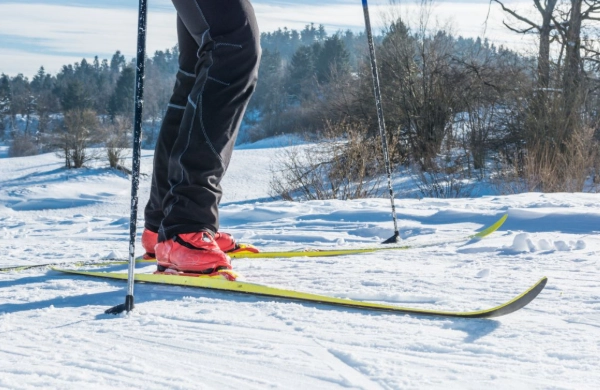
When you correctly load that outside ski, magic happens:
- The ski carves instead of skids. You get a clean, quiet, energy-efficient turn that propels you into the next one.
- You gain incredible edge hold. On hardpack or ice, that pressured edge bites in, giving you confidence where others are slipping.
- Your body aligns naturally. Proper outside ski pressure forces your hips, knees, and ankles into a strong, balanced position facing slightly down the hill.
Most people fight their equipment. Mastering this lets you partner with it.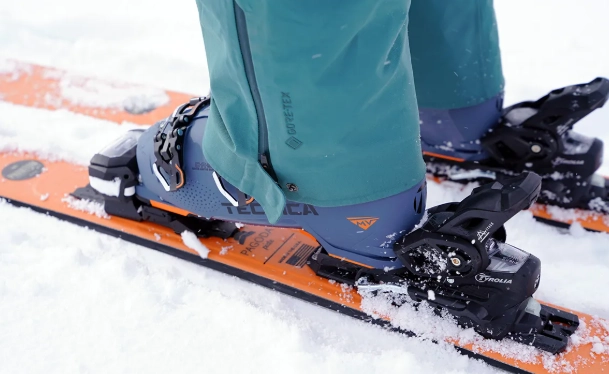
How to Actually Put Weight on Your Outside Ski (The Right Way)
Stop thinking "shift weight." Start thinking "create pressure through angulation." Here's the sequence I drill into my students, developed from a decade of coaching and fixing broken techniques.
1. Initiate with Your Ankle (Not Your Hips!)
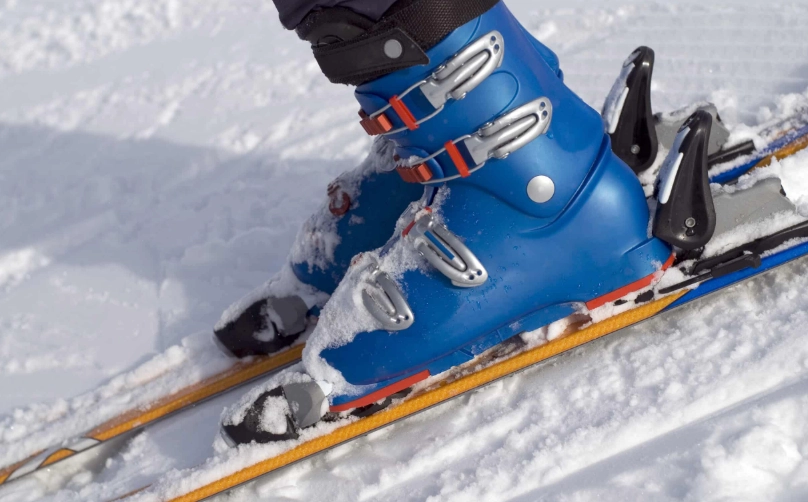
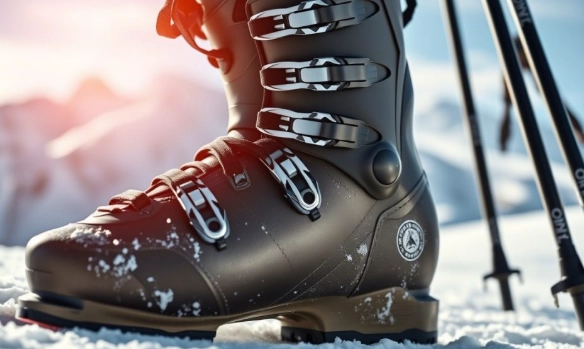
This is the non-consensus part. Everyone wants to move their big, obvious hips first. Bad idea. It throws you off balance. Instead, as you finish your last turn, start the new one by rolling the ankle of your new outside foot inward, toward the little-toe side. Feel the cuff of your boot engage. This subtle movement starts the edge engagement low to the snow, where it matters.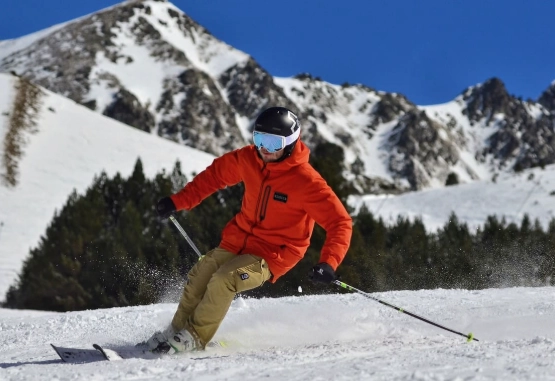
2. Bend Your Knee Down the Hill
Now, let your knee follow your ankle. Drive that outside knee diagonally forward and down the hill. Imagine trying to touch your knee to the snow in front of your boot (you won't, but the intent is key). This continues the edge angle and begins to pressure the ski's shovel.
Key Insight: The pressure should build progressively from the initiation of the turn to its apex, then release. It's not an on/off switch you slam at the start.
3. Let Your Hips Follow (Don't Force Them)
If you've done steps 1 and 2 correctly, your hips will naturally come over the outside ski. They'll be in a strong, athletic position—slightly forward and facing the direction of travel. You're not shoving them sideways; they're arriving there as a result of the movements below.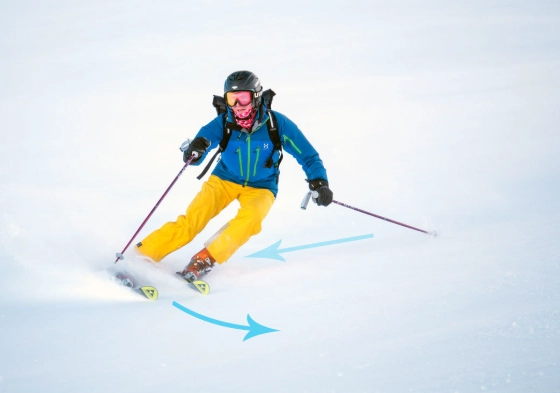
4. Keep Your Inside Hand Forward
A simple trick: actively think about pointing the pole grip of your inside hand (the hand on the uphill side) toward the next turn. This prevents your upper body from rotating and "banking" like a motorcycle, which is a surefire way to lose outside ski pressure.
The Subtle Mistakes Even Good Skiers Make
I see these all the time on the mountain. Skiers who look decent but are working way too hard because of one of these leaks in their technique.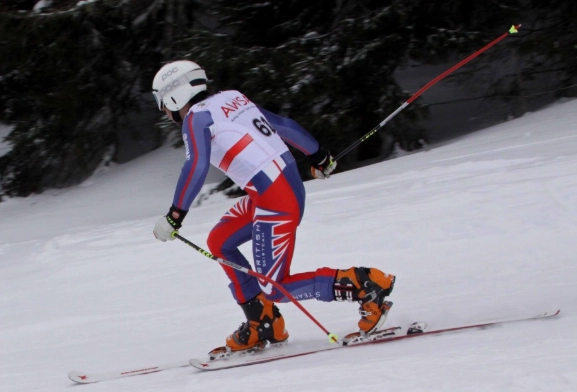
| What It Looks Like | The Root Cause | The Quick Fix |
|---|---|---|
| The Hip Thrust: A dramatic, lateral shove of the hips over the ski. | Over-emphasizing the "weight shift" command. Creates a static, stiff position. | Focus on the ankle/knee sequence. Say "ankle, then knee" in your head. |
| The A-Frame: Outside knee is bent, but inside leg is straight and stiff, skis far apart. | Fear of the fall line. Locking the inside leg for a false sense of security. | Consciously relax the inside knee. Let it bend and follow the outside knee's lead. |
| The Passenger Inside Ski: The inside ski tip wanders, crosses, or skids loudly. | Putting too much weight on the inside ski, often because the upper body is leaning inward. | Practice the "lift the inside ski tail" drill mid-turn. If you can't, you're on it. |
| The Upper Body Rotator: Shoulders and arms swing around to start the turn. | Using upper body force instead of lower-body edging. Kills any chance of clean pressure. | Keep your chest facing slightly downhill. Initiate turns by tapping your outside pole. |
My personal nemesis for years was the A-Frame. I came from a racing background where we were taught to "drive the outside leg." I took it too literally, stiffening my entire inside side. It made me tire quickly in moguls. It wasn't until another coach filmed me that I saw the glaring, inefficient posture. Letting that inside leg soften was a game-changer.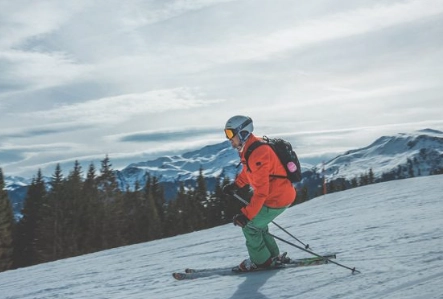
Drills to Build Muscle Memory and Feel
Reading is one thing. Feeling it is everything. Do these on a gentle, groomed blue run.
1. The Tail Lift Drill:
Make a series of medium turns. In the middle of each turn, consciously lift the tail of your inside ski a few inches off the snow. Keep the tip lightly touching. Hold it for a second, then lower it to finish the turn. This forces you to balance on the outside ski. If you fall inward, you weren't on it.
2. Javelin Turns:
Pick up your inside ski entirely for the entire turn. Point the tip forward (like a javelin). Make slow, patient turns focusing on rolling your standing (outside) ankle and knee to steer. This is the ultimate balance test. Start with just the initiation of the turn and build up.
3. One-Ski Skiing:
This is advanced, but incredibly revealing. Take one ski off and strap it to your backpack. Ski down a very gentle slope on one ski. You have no choice but to find perfect alignment and progressive pressure on that single edge. It's humbling and enlightening. (Please try this in a safe, wide-open area first!).
4. Quiet Ski Focus:
Make turns listening to the sound. Your goal is to hear only one clean, crisp sound—the carving outside ski. If you hear a secondary scraping or chattering, your inside ski is working too hard. Focus on angulation to quiet the inside ski down.
Your Weight on Outside Ski Questions, Answered
Mastering weight on your outside ski isn't about learning a single trick. It's about rewiring your fundamental understanding of how a ski turn is created. Ditch the idea of a big, lateral weight shift. Embrace the progressive, ankle-to-knee pressure build that makes carving feel effortless. Start with the drills, pay attention to the sounds your skis make, and be patient with the process. One day, it will just click—and you'll wonder how you ever skied any other way.