In This Guide
- What Exactly Is a Stairlift? (It's Not Just a Chair on a Track)
- The Two Main Types of Stairlifts: Straight vs. Curved
- What to Look For When Choosing Your Chairlift
- The Nuts and Bolts: Installation, Costs, and Hidden Fees
- Living With Your Stairlift: Maintenance and Daily Use
- Top Brands in the Stairlift World
- Renting vs. Buying: Which Path Makes Sense?
- Answering Your Biggest Stairlift Questions
- The Bottom Line: Is a Stairlift Right for You?
Let's talk about something that can genuinely change someone's life: a chairlift for stairs. I remember helping my aunt look into this a few years back. She loved her two-story home but her knees just weren't having it anymore. The stairs became this massive, daunting barrier. We spent weeks researching, talking to companies, and trying to figure out what would actually work. It was overwhelming.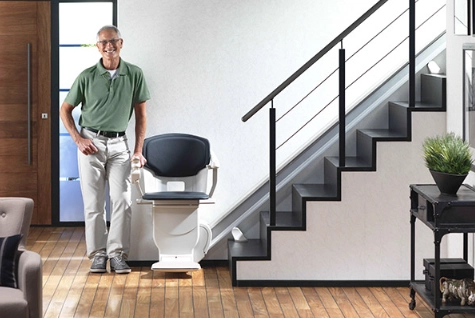
That experience is why I wanted to write this. Not as some sterile buying guide, but as a real, from-the-ground-up look at what getting a stairlift involves. The good, the tricky bits, and the stuff nobody really tells you upfront.
What Exactly Is a Stairlift? (It's Not Just a Chair on a Track)
At its core, a chairlift for stairs is a motorized seat that runs along a rail fixed to your staircase. You sit down, press a button, and it glides you up or down. Simple, right? Well, sort of. The concept is simple, but the execution has a lot of nuance.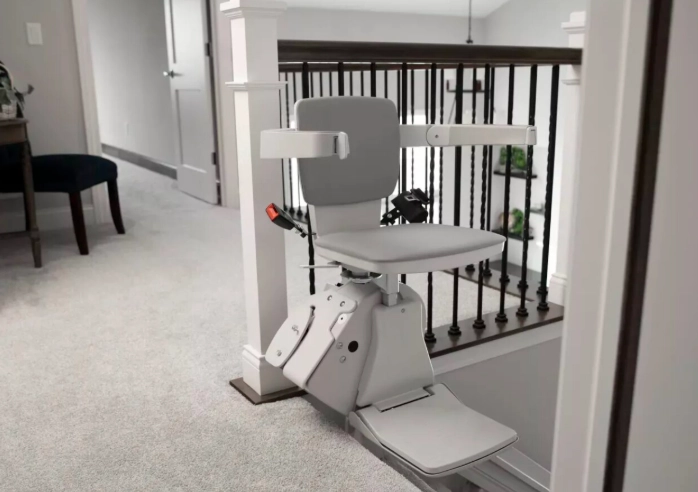
Modern stairlifts are pretty sophisticated. They have safety sensors to stop if something's in the way, swivel seats so you can get on and off safely, and batteries that keep them running even during a power outage (a huge concern for a lot of people, and rightly so). They're not the clunky, noisy machines you might be picturing from decades ago.
The real magic is in the independence it gives back to someone. Suddenly, the entire house is accessible again. No more being trapped on one floor. That's a big deal for quality of life.
The Two Main Types of Stairlifts: Straight vs. Curved
This is the first and biggest fork in the road. Your staircase's shape dictates everything.
Straight-Rail Stairlifts
If your stairs go in one continuous line without any landings, turns, or intermediate landings, you're in luck. This is the most common and most affordable type. The rail is a single, straight piece custom-cut to fit your staircase length.
Installation is relatively straightforward (pun intended). The rail is mounted directly to the stair treads, not the wall, which is important for renters or if you're worried about damaging wallpaper. Most models fold up when not in use, so they don't completely block the staircase for other people.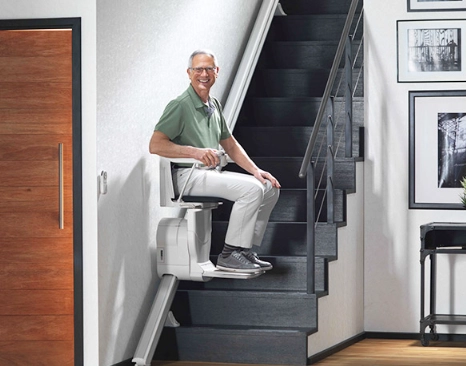
Curved-Rail Stairlifts
Got a landing? A turn? A staircase that wraps around? Then you need a curved stairlift. This is where things get custom (and more expensive). The rail is fabricated in sections to follow the exact path of your stairs, including around corners and across intermediate landings.
Because of this bespoke manufacturing, lead times are longer—think several weeks. The installation is more complex, too. But the result is a seamless ride from the bottom of your stairs to the very top, navigating all the turns automatically.
There's also a third, less common option: the platform lift or perch lift. These are for people who have difficulty bending to sit. You stand on a small platform or perch on a stool. They're great for narrow stairs where a seated chair might be too wide.
| Feature | Straight Stairlift | Curved Stairlift |
|---|---|---|
| Best For | Simple, straight staircases | Stairs with turns, landings, or curves |
| Cost Range | $2,500 - $5,500+ | $8,000 - $15,000+ |
| Installation Time | Often 2-4 hours | Usually a full day or more |
| Customization | Standard rail, cut to length | Fully custom-fabricated rail |
| Rental Availability | Widely available | Very rare, mostly purchase only |
What to Look For When Choosing Your Chairlift
Okay, so you know what type you need. Now, how do you pick the right model? It's not just about color, I promise.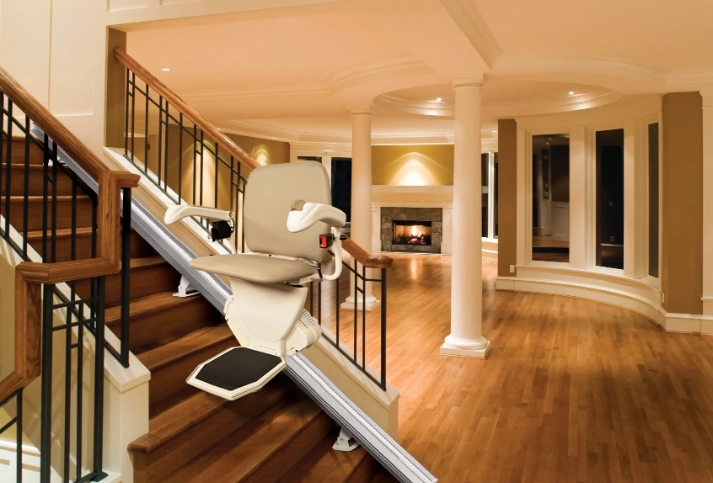
The Seat: Comfort is King
You or your loved one will be sitting in this thing multiple times a day. Don't skimp here. Look for ample padding, good lower back support, and armrests that feel sturdy. Can you add extra cushioning or a different seat cover later? Some companies offer that.
The swivel mechanism is critical. A good swivel turns 90 degrees (or more) smoothly and locks securely in place at both the top and bottom of the stairs. This lets you get on and off facing away from the staircase, which is much safer. Test it during a demonstration. Does it feel flimsy or solid?
Controls: Simple and Accessible
The controls should be dead simple. A toggle switch or two large buttons (up/down) on the armrest is standard. Some have remote controls to call the chair to you from another floor—a neat feature if you have multiple users. The controls need to be easy to see and press, even for someone with arthritis or limited dexterity.
Safety Features You Shouldn't Compromise On
This is non-negotiable. Any reputable chairlift for stairs will have these basics:
- Safety Sensors: Edges of the footrest and along the track should have sensors that stop the chair immediately if they touch an obstacle, like a pet, a shoe, or a person.
- Seat Belt: A sturdy, inertia-reel seatbelt (like in a car) is a must. It should be comfortable to wear.
- Battery Backup: The chair should run on a rechargeable battery that kicks in during a power outage. No one wants to be stranded.
- Key or Code Operation: A way to disable the controls so young children can't play with it.
Fit for Your Stairs
Measure, measure, measure. Or rather, let the professional assessor do it. They need to check the width of your stairs, the headroom clearance, the presence of obstructions like a handrail or a door at the top, and the electrical outlet location for charging.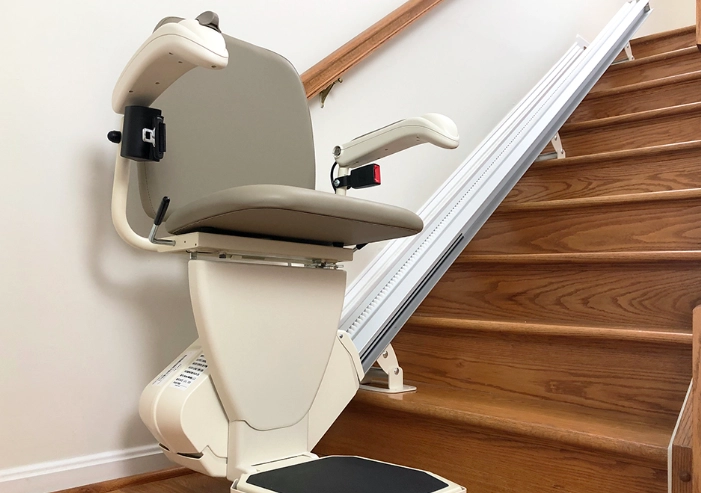
Will the folded chair still leave enough room for others to walk past? Most need about 12-14 inches of clear space. In very narrow hallways at the top, this can be a real puzzle.
The Nuts and Bolts: Installation, Costs, and Hidden Fees
Let's talk money and logistics. This is where a lot of the anxiety comes from.
Breaking Down the Cost
There's no single price. A basic straight stairlift might start around $3,000. But once you add features like a powered swivel, a wider seat, a remote control, or a fancy upholstery color, the price climbs. A full curved system will almost always be five figures.
What's included in that quote? It should cover the unit, the custom rail, professional installation, a demonstration, and a warranty (typically 1-2 years on parts and labor, longer on the rail). Always get a detailed, written quote.
Ask about financing. Many companies offer plans. Also, check if your health insurance (like Medicare) or long-term care policy offers any coverage. Usually, they don't cover the chairlift itself, but sometimes they might if it's deemed medically necessary by a doctor. Veterans should check with the VA, as they sometimes provide grants for home modifications. A good resource to understand funding options is the Administration for Community Living website, which outlines various federal and state programs.
The Installation Day
A professional installer should handle everything. For a straight stairlift, they'll mount the rail to the stair treads using sturdy brackets. They'll install the charging station at the top or bottom, connect the chair, and test everything thoroughly. They should leave your home clean and walk you through the operation step-by-step.
For a curved stairlift, it's a bigger job. They'll assemble the multi-piece rail, ensuring a perfectly smooth ride across joints and turns. This takes skill and patience.
Living With Your Stairlift: Maintenance and Daily Use
So it's installed. Now what?
Maintenance is pretty minimal. The main task is keeping the track clean and free of debris. A quick wipe-down with a dry cloth every week or so is enough. Don't use harsh chemicals or oils on the rail.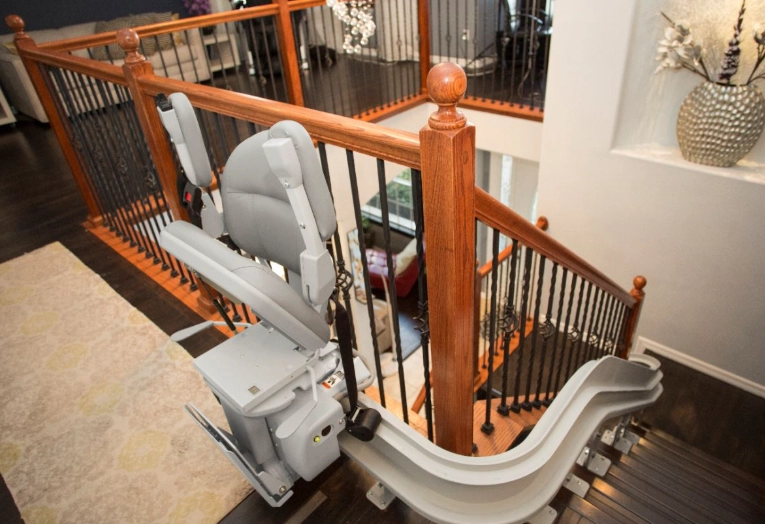
The chair runs on a battery that charges automatically when parked at its charging station. Just make sure it's parked properly to maintain the charge. If you won't be using it for a long time (like a vacation), consult the manual—some recommend disconnecting the battery.
Listen for unusual sounds. A smooth, quiet hum is normal. Grinding, squeaking, or jerky movements mean it's time to call for service.
Top Brands in the Stairlift World
You'll hear a few names over and over. Here's a quick, honest rundown from what I've seen and heard from users.
- Acorn Stairlifts: Huge presence, lots of advertising. They're known for their "fast track" service for straight stairs. Feedback is mixed—some love their service, others find it pushy. Their chairs are generally well-regarded.
- Bruno: An American company with a strong reputation for reliability and customer service. They offer a wide range, including outdoor stairlifts, which is pretty cool if you have porch steps. I've heard fewer complaints about Bruno than some others.
- Stannah: A very old, established UK brand. They're known for quality engineering and smooth, quiet rides. They tend to be on the higher end of the price scale, but you're paying for a proven track record.
- Handicare: Another major global player. They bought the old Freedom Chairlift brand. They have good technology, like slim-fold designs for narrow spaces.
My advice? Don't get hung up on brand alone. The quality and attitude of your local dealer are more important. A great dealer for a lesser-known brand is better than a terrible dealer for a top brand. Read local reviews, ask for references, and see who has been in business in your area the longest.
Renting vs. Buying: Which Path Makes Sense?
This is a big decision. Buying is a long-term commitment. Renting offers flexibility.
Buying is best if the mobility need is permanent. You own it, you can modify it, and over many years, it's usually more cost-effective than renting. It also adds a small amount of value to your home as an accessibility feature.
Renting is fantastic for short-term needs. Recovering from knee or hip surgery? Having an elderly parent visit for a few months? A rental chairlift for stairs can be installed and removed quickly. Contracts are usually month-to-month after an initial period. The rental company handles all maintenance and repairs. The downside is that over the long term, the cumulative rental fees will far exceed the purchase price.
Answering Your Biggest Stairlift Questions
Let's tackle some of the specific worries that keep people up at night.
For detailed safety standards and regulations that manufacturers must follow, you can refer to the U.S. Access Board's guidelines on accessibility equipment, which often informs industry best practices.
The Bottom Line: Is a Stairlift Right for You?
Look, a chairlift for stairs is a significant investment. It's not a casual purchase. But if stairs are becoming a barrier to living safely and comfortably in your own home, it's an investment worth serious consideration.
It's not about giving in to limitations. It's about overcoming them. It's about staying in the home you love, accessing all of it, and keeping your independence.
Start by getting a couple of in-home assessments. They're almost always free. Have a list of questions ready. Be honest about your budget and your fears. A good consultant will listen and give you straight answers, not a sales pitch.
Take your time. This is a big step (no pun intended). But for the right person in the right home, a quality chairlift for stairs isn't just a piece of equipment. It's a lifeline back to everyday life.