In This Guide
- Breaking Down the Tech: How a 3S Lift Actually Works
- Why Should You, as a Skier, Care? The Real-World Benefits
- 3S vs. The Competition: How It Stacks Up Against Other Lifts
- The Not-So-Glamorous Side: Drawbacks and Criticisms
- Answering Your Burning Questions (The FAQ Section)
- The Bottom Line for Your Ski Trip
So you're planning your ski trip, scrolling through resort trail maps, and you keep seeing this term pop up: "3S Gondola" or "3S Lift." It sounds technical, maybe a bit like marketing jargon. I remember the first time I saw it, I just glossed over it. Another lift, right? But then I rode one.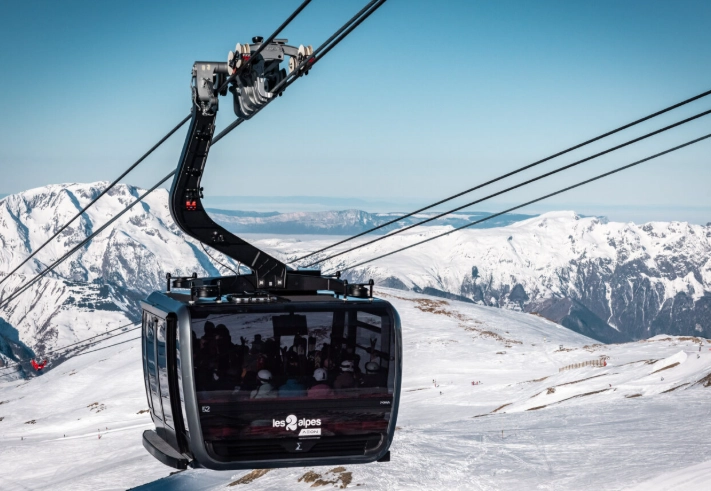
Let me tell you, it's a different beast entirely. If you've ever been stuck on a slow, windy two-seater chair, shivering as it inches up the mountain, you'll understand why asking "What is a 3S ski lift?" is more than just a technical question. It's a question about comfort, time, and the overall quality of your day on the slopes.
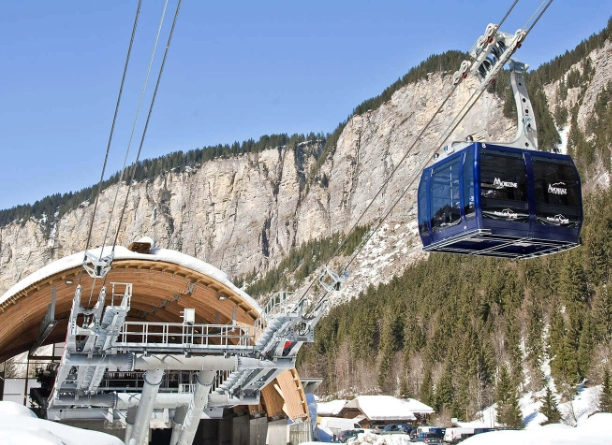
In a nutshell, a 3S ski lift is the pinnacle of detachable chairlift technology. The "3S" stands for three specific things in German (the language of many major lift manufacturers): "S" for Seil (rope/cable), another "S" for Seil, and the third "S" for Schiene (rail). This translates to a system that uses two haul ropes and one auxiliary safety rail. But forget the jargon for a second. What it really means for you is a lift that's incredibly fast, remarkably stable in high winds, and can carry a lot of people in spacious cabins or large chairs.
Think of it as the luxury express train of the ski world. It's not on every mountain—it's a major investment for a resort—but where it exists, it fundamentally changes the flow of the ski day.
Breaking Down the Tech: How a 3S Lift Actually Works
Alright, let's get into the mechanics a bit. I'm not an engineer, but understanding the basics helps you appreciate why it feels so different. A traditional detachable chairlift has one thick cable that does all the work: it hauls the chairs, supports their weight, and guides them. This single cable is under immense tension.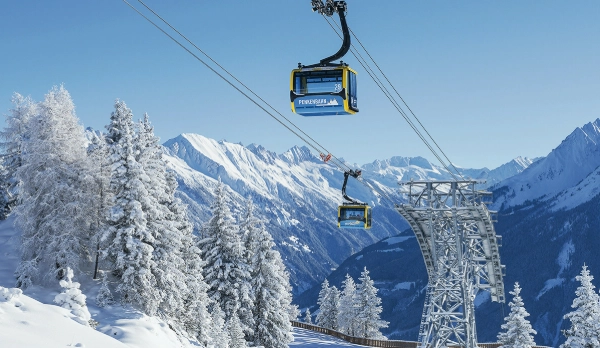
A 3S system splits these jobs up. It uses two parallel haul ropes to carry the weight and provide the pulling power. Then, it has a separate, fixed track or rail (the third "S") that the carriers roll along. This separation of duties is the magic trick.
Because the weight is distributed across two ropes and the guidance is handled by the solid rail, the whole system is more stable. The cabins don't swing wildly in the wind. The ride is smoother. And here's the kicker: the two haul ropes can be spaced further apart, which allows for much larger carriers. We're talking cabins that can hold 30 people or more, or giant chairs that seat 8-10 people comfortably with a bubble.
Manufacturers like Doppelmayr and Leitner-Poma are the big names behind this tech. If you want to dive into the absolute official technical specs and see where this innovation came from, the Doppelmayr 3S Bahn page is the source. It's dry reading, but it's the real deal.
Why Should You, as a Skier, Care? The Real-World Benefits
Okay, cool technology. But what does it mean for your cold toes and your precious ski time? The benefits are tangible from the moment you step into the line.
Speed and Capacity: Kiss Long Lift Lines Goodbye
This is the biggest day-to-day impact. A 3S lift can move people at about 6 to 8 meters per second. That's roughly 13-18 mph. A fast traditional detachable might do 5 m/s. It doesn't sound like a huge difference, but over a long, base-to-summit lift, it shaves off minutes. More importantly, the large cabins mean it can move over 4,000 people per hour easily. Some push 5,000.
I was at a resort with an old, slow gondola on one side and a new 3S on the other. The difference in line wait time was shocking—20+ minutes vs. basically walking on. It lets you spend more time skiing, less time standing in a maze.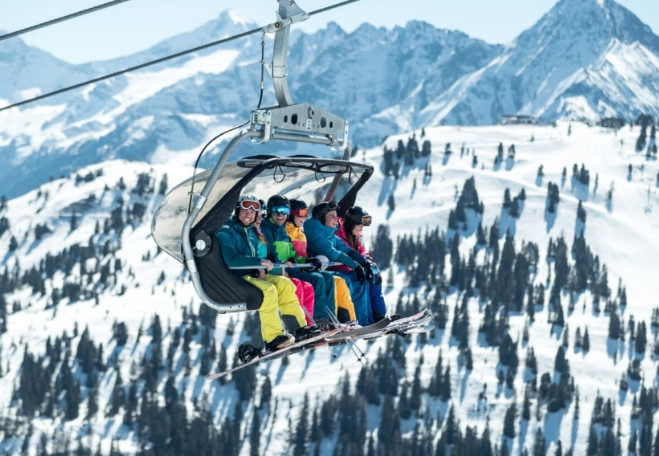
Comfort and Stability: Your Sanctuary from the Storm
Ever been on a chairlift that feels like it's going to tip over in a gust? Or a gondola that sways so much you get a bit queasy? The 3S design minimizes that. The dual ropes and guide rail make it incredibly resistant to wind. Resorts can keep them running in weather that would shut down other lifts.
And the cabins? They're often equipped with heated seats, tinted windows, and plenty of room for your skis or board without a awkward scrum. You can actually have a conversation without yelling. It feels less like cattle transport and more like a brief, comfortable intermission.
Access and Terrain Linking: Unlocking the Mountain
Because they are so stable, 3S lifts can be built over terrain that was previously impossible or too risky for a standard lift. Long spans across deep valleys? No problem. Connecting two separate mountains or far-flung base areas? That's their specialty.
The most famous example is Whistler Blackcomb's Peak 2 Peak Gondola. It's a 3S that links Whistler and Blackcomb mountains over a 2.7-mile span, 1,427 feet above the valley floor. Before it, getting from one side to the other meant a long trek down to the base and back up. Now it's an 11-minute scenic ride. It completely redefined the ski experience there.
Personal take: The wind hold advantage is no joke. I've had epic powder days saved because the resort's main 3S was still humming along while every other chair was on hold. That reliability is worth its weight in gold when you've paid for a lift ticket.
3S vs. The Competition: How It Stacks Up Against Other Lifts
Let's put it in context. Not every lift is a 3S, and resorts use a mix for different purposes. Here’s a straightforward comparison.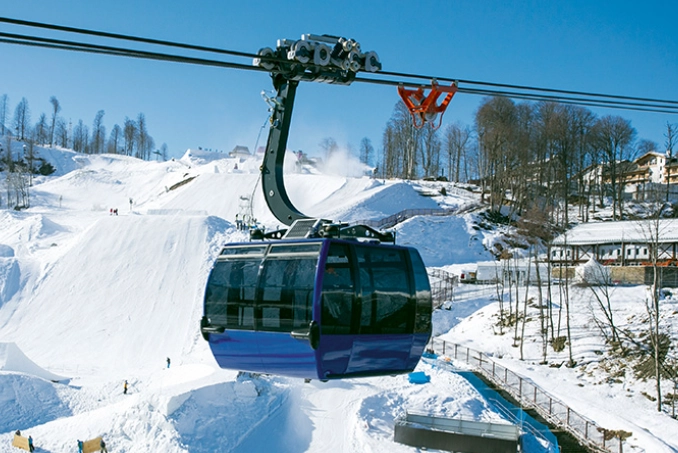
| Lift Type | Typical Speed & Capacity | Best For / Typical Use | The Downside (The "Yeah, but...") |
|---|---|---|---|
| 3S Gondola/Chair | Very High (6-8 m/s, 4000+ pph) | Main base-to-summit routes, long-distance links, high-wind areas. The mountain's highway. | Extremely high cost for resorts. Massive towers. Overkill for short, low-traffic slopes. |
| Detachable Gondola (Mono-Cable) | High (5 m/s, 3000-4000 pph) | Base area access, moderate-length lifts. The workhorse for many resorts. | More sway in wind than 3S. Smaller cabins. More likely to go on wind hold. |
| High-Speed Detachable Chair (6/8 Pack) | High (5 m/s, 3000 pph) | Moving lots of skiers up key intermediate/advanced terrain. The classic modern chair. | You're exposed to the weather. Can be chilly and windy on the ride up. |
| Fixed-Grip Chair | Slow (2-2.5 m/s, ~1200 pph) | Beginner areas, short slopes, supplemental terrain. Low cost for the resort. | The slowest option. Long ride times. Not great for moving large crowds. |
| Surface Lifts (T-bar, Platter) | N/A | Expert terrain, short steep pitches, low-cost terrain expansion. | Requires some skill to ride. Not for beginners. Can be tiring. |
So, when you see a 3S on the trail map, you know the resort has invested heavily in that particular connection. It's their statement piece, their solution for a major traffic bottleneck or a tricky link.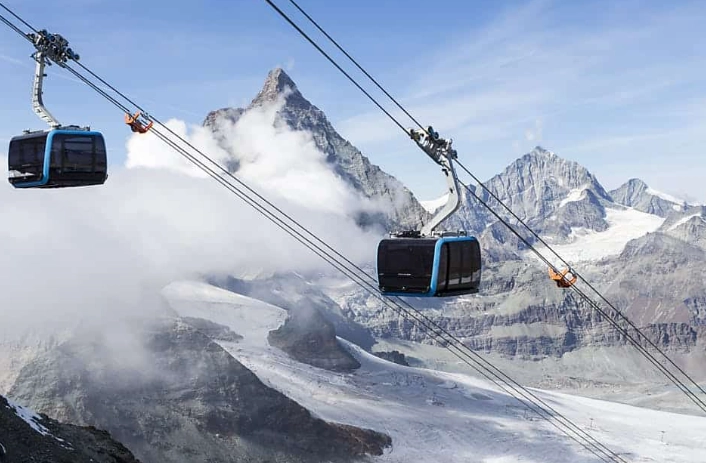
The Not-So-Glamorous Side: Drawbacks and Criticisms
It's not all heated seats and short lines. To be balanced, we have to talk about the downsides. Mostly, these are issues for the resort, but they trickle down to skiers in subtle ways.
The cost is astronomical. We're talking tens of millions of dollars. This means a resort building one is making a massive, decades-long bet. That cost might mean other parts of the mountain don't get upgrades for a while, or lift ticket prices see a bump to help pay for it.
The visual impact is significant. Those towers are huge and sparse, but they're still there. Some people in mountain towns aren't fans of the increased "industrial" feel on the landscape compared to a series of smaller chairlift towers.
It can change mountain culture. This is a subtle one. A super-high-capacity lift can dump a lot of people onto a previously quiet peak all at once. That can lead to trails getting skied out faster and more crowded feel at the top, even if the lift line at the bottom is short. It's a trade-off: amazing access vs. potential congestion at the unloading point.
My personal gripe? Sometimes the cabins are too nice and efficient. It sounds silly, but you lose that brief, quiet moment you get on a slower chair with just a friend or two. The social aspect changes when you're in a big cabin with 20 strangers. It's more impersonal. A small price to pay for efficiency, maybe, but it's a shift in the experience.
Answering Your Burning Questions (The FAQ Section)
Is a 3S lift safer than other lifts?
All modern lifts in North America and Europe are governed by incredibly strict safety codes. The National Ski Patrol and organizations like the CSA Group in Canada have a hand in standards. The 3S design, with its redundant haul ropes and separate safety rail, incorporates multiple fail-safes. Statistically, riding any ski lift is extremely safe. The 3S's safety advantage is more about operational stability (staying running safely in high winds) than a fundamental reduction in accident risk, which is already vanishingly low.
Why are they sometimes called "tricable" gondolas?
Great question! It's another name for the same thing. "Tricable" refers to the three cables/ropes: the two haul ropes and the one guide rail (which is cable-like). "3S" is the manufacturer's branded term (from Doppelmayr), while "tricable gondola" is more of a generic descriptive term. You'll hear both.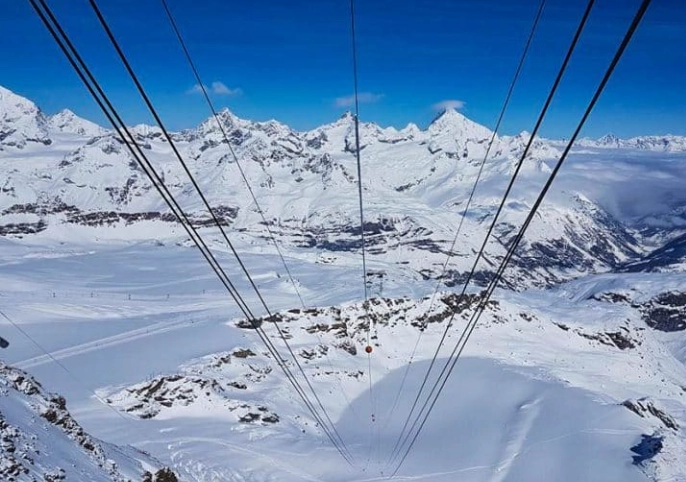
Can I put my skis on the outside of the cabin?
Almost always, yes. One of the hallmarks of a 3S gondola cabin is the external ski and board carrier. You load your equipment into a rack on the outside of the cabin before you step in, so you don't have to juggle gear inside. It's a game-changer for keeping the cabin dry and spacious. Always look for the rack as you're loading.
Do they ever stop or slow down for loading?
This is a key feature of all detachable lifts, including the 3S. The cabin or chair detaches from the moving cable in the station and moves slowly along a conveyor, allowing you to easily get on and off. Once clear, it accelerates and re-attaches to the high-speed cable. So no, you don't have to jump onto a moving car. The loading process is gentle and accessible, which is great for beginners, families, and anyone with gear.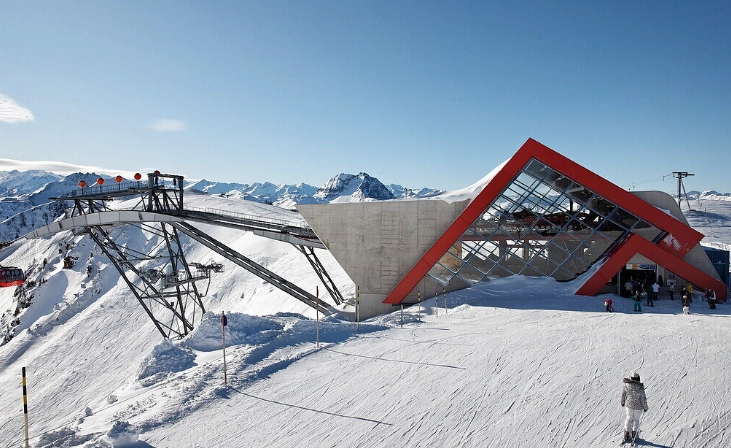
Where can I find a resort that has one?
They're becoming more common, but they're still a premium feature. Beyond the famous Peak 2 Peak at Whistler, look at major destination resorts that have built new base-area or connecting lifts in the last 10-15 years. A quick search on a resort's "mountain stats" page will often list lift types. The National Ski Areas Association (NSAA) website doesn't maintain a specific list, but it's a good resource for understanding industry trends that lead to these investments.
The Bottom Line for Your Ski Trip
So, what's the final takeaway when you're planning? If you see a 3S lift on the trail map, prioritize it. It's likely the main artery of the resort. Use it to your advantage.
Plan your day around it. Maybe start on the other side of the mountain and let the morning crowds thin at the 3S base. Use it for your first run to access high terrain fast. Count on it to still be running if the weather turns nasty. Appreciate the comfort on a cold day.
Understanding what a 3S ski lift is gives you a strategic edge. It's not just a piece of machinery; it's the resort's statement about where they want you to go and how easily they want you to get there. It solves the core skier pain points of long waits, cold rides, and unreliable access in bad weather.
Next time you're on one, you'll know you're riding a marvel of modern mountain engineering. And you'll definitely appreciate those heated seats a little more.
Happy skiing.