In This Article
- What Are We Even Talking About? Definitions First
- The Core of the Difficulty: A Technical Smackdown
- Gear Talk: It's Not Just the Binding
- The Learning Curve: A Tale of Two Journeys
- Where Does Each One Shine (And Suck)?
- The Body Bill: What's the Physical Cost?
- So, Should You Try Telemark?
- Burning Questions: Your FAQ, Answered
Alright, let's cut through the hype and the ski lodge bragging rights. You're probably here because you've seen those graceful, lunging turns in the backcountry or maybe even at your local resort, and you've wondered: what's the deal with that? More importantly, you're asking yourself the big question: is telemark skiing harder than alpine skiing?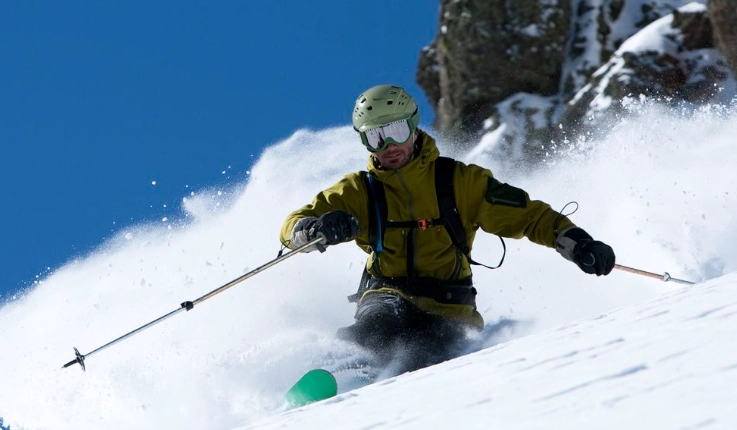
I've been on both sets of planks for years, and I still remember my first day on telemark gear. Let's just say it involved a lot more sitting in the snow than actual skiing. The short, brutally honest answer? Yes, telemark skiing is generally harder to learn and master than alpine skiing. But that "yes" comes with a massive asterisk, a whole bunch of "it depends," and some surprising truths that might just make you want to try it anyway.
This isn't about declaring a winner. It's about giving you the real, unvarnished breakdown so you can decide where to put your energy (and your money). We'll dig into the nitty-gritty of technique, gear, muscles you didn't know you had, and that all-important learning curve.
What Are We Even Talking About? Definitions First
Before we compare, let's be clear on what each style is. Alpine skiing is what 95% of people at a ski resort are doing. Your boot is locked solidly to the ski at both the toe and the heel. Your lower leg and the ski are essentially one rigid unit. You steer by pressuring and edging that whole unit.
Telemark skiing is different. It's named after the Telemark region of Norway where it originated. Here, only the toe of your boot is fixed to the binding. Your heel is free to lift up, like in a cross-country ski binding. This free-heel design is the single biggest factor that changes everything.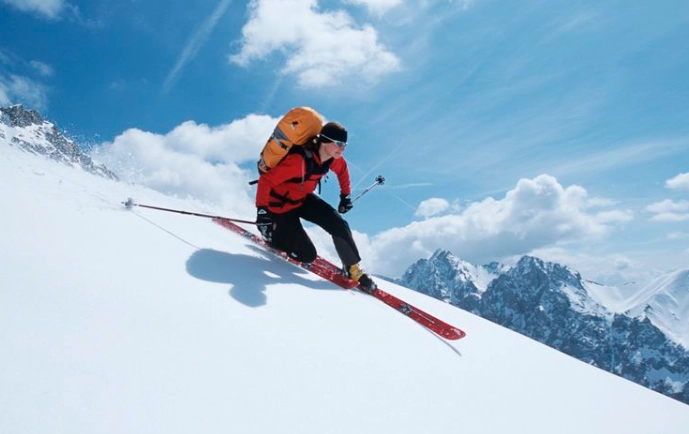
Why does the free heel matter? It forces a different turn mechanic. To make a telemark turn, you drop into a deep lunge, with one ski forward and one back, both knees deeply bent. You're essentially performing a controlled, moving lunge on snow. This lunge is what allows you to pressure and steer your skis despite the free heel.
The historical context is cool, too. Telemark was the original downhill skiing technique before the invention of the rigid alpine binding. It's where modern skiing came from. There's a whole rich history there, which you can read more about on authoritative sites like the Ski Museum.
The Core of the Difficulty: A Technical Smackdown
This is where the rubber meets the road, or rather, the edge meets the snow. The fundamental mechanics are so different that comparing them is like comparing a sprint to a hurdles race.
Alpine Technique: The Precision Engine
Alpine skiing is about managing forces efficiently. You use your ankles, knees, and hips to angulate your body and get your skis on edge. The binding does a lot of the work of transmitting your movements directly to the ski. Good alpine technique feels powerful, precise, and connected. The learning progression, as outlined by organizations like the Professional Ski Instructors of America & American Association of Snowboard Instructors (PSIA-AASI), is well-established: wedge, wedge christie, then parallel turns.
The system is forgiving at the beginner stage because the equipment is stable. You can make a lot of technical mistakes and still get down the hill.
Telemark Technique: The Dynamic Lunge
Now, strip away that heel connection. Suddenly, you can't just pivot your foot to steer. You have to create stability and steering pressure through body position and weight distribution alone. The telemark turn is a three-part dance:
- The Lead Change: Transitioning your weight and lunging forward to put the new front ski in the "lead" position.
- The Stance: Holding that deep, split-legged lunge through the apex of the turn. Your weight should be centered between your feet, not on the back foot (a classic and painful beginner mistake).
- The Recovery: Bringing your feet back together to prepare for the next lead change.
Every part of this requires more independent leg strength, balance, and coordination than an alpine parallel turn. You're not just edging a ski; you're managing two separate skis in a dynamic, unbalanced stance. It's physically and mentally more demanding from the very first turn.
So, when we ask is telemark skiing harder than alpine skiing from a pure technique standpoint, the answer is a resounding yes. The movement pattern is more complex and less intuitive for most people.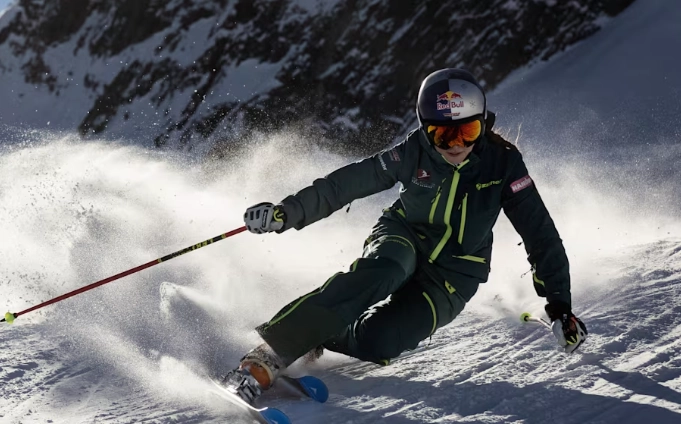
Gear Talk: It's Not Just the Binding
The gear difference is huge and directly impacts the difficulty. Let's lay it out side-by-side.
| Gear Component | Alpine Skiing | Telemark Skiing | Impact on Difficulty |
|---|---|---|---|
| Boots | Rigid, plastic shells. Ankle is locked. Designed for power transmission and support. | Softer, more flexible. Must allow ankle to flex forward for the lunge. Often have a bellows at the forefoot. | Telemark is harder. Less support means your ankles and legs must provide stability the boot doesn't. |
| Bindings | Heel and toe are fixed. Release mechanisms for safety. | Toe only is fixed. Heel lifts freely. No standard release mechanism (though modern NTN bindings have travel). | Telemark is harder. Free heel creates inherent instability. Lack of easy release can be a mental hurdle. |
| Skis | Can be used, but often paired with specific alpine models. | Often similar, but some are designed with flex patterns for telemark turns. Many skiers use the same skis for both. | Neutral. Not a major differentiator in modern skiing. |
| Getting In/Out | Step in, click down. Simple, fast, even in deep snow. | Can be fiddly. Involves threading a cable or engaging a claw. A pain in cold weather or powder. | Telemark is harder. A minor but real friction point that adds to the challenge, especially for beginners. |
The gear alone sets you up for a more physically demanding experience. There's just less help from the equipment.
The Learning Curve: A Tale of Two Journeys
This is where the perception of difficulty really crystallizes. Imagine two graphs.
Alpine Learning Curve
Start: Steep initial climb to get past the fear and the wedge. It's hard!
Intermediate Plateau: Getting to solid parallel turns takes time and practice. This is where many people stall.
Advanced/Expert: The curve flattens. Refinement, carving, moguls, steeps—it's a long, rewarding journey of nuance, but the fundamental skills are in place.
Telemark Learning Curve
Start: A cliff. The initial feeling is often one of complete lack of control. It's frustrating.
The "Ah-ha!" Moment: This comes later than in alpine, but when it does—when you link a few turns and feel the rhythm—it's euphoric.
Intermediate Grind: The plateau here is long and demanding. Building the specific strength and muscle memory takes hundreds of turns.
Advanced/Expert: The curve remains steeper. Mastering dynamic telemark in all conditions is a lifelong pursuit for most.
If you're an experienced alpine skier learning telemark, you have a head start on mountain sense, reading terrain, and edge awareness. But you also have muscle memory you must unlearn. Your body will want to drive your heel down, which is impossible. This interference can make the start even more frustrating.
So, is telemark skiing harder than alpine skiing to learn? For the vast majority, yes, absolutely. It demands more patience and a higher tolerance for looking and feeling like a beginner again.
Where Does Each One Shine (And Suck)?
Difficulty isn't just about the turn mechanics. It's also about the environment. Where you ski changes the equation.
On the Groomed Resort Runs
Alpine: King. The system is optimized for this. High-speed carving, hard-pack, ice—alpine gear and technique excel here with maximum efficiency and control.
Telemark: More work. You can carve beautiful turns, but it requires more effort and perfect technique to match the grip and stability of an alpine setup on ice. That said, a well-executed telemark carve on a groomer is one of the best feelings in skiing.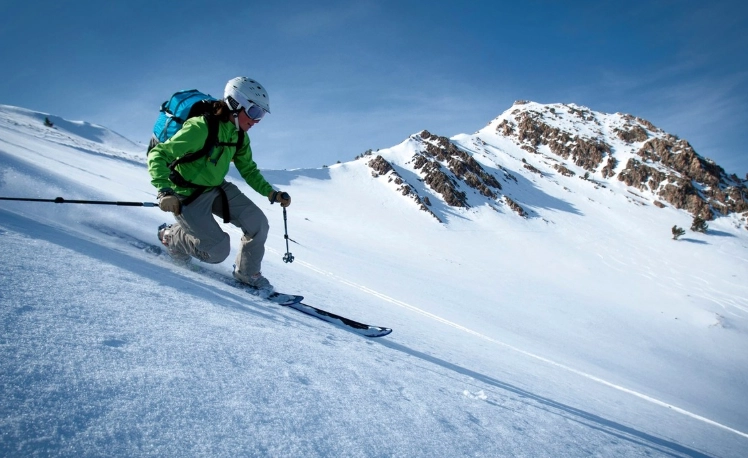
In the Moguls
Alpine: Demanding but direct. Absorption and quick pivoting are key.
Telemark: Can be brutal. The deep knee flexion required for each turn is exhausting. Some masters make it look fluid, but for most, moguls are a telemarker's nightmare. This is a clear point where alpine is easier.
In Powder and Backcountry
This is the telemark's ancestral home and where the question is telemark skiing harder than alpine skiing gets interesting.
Alpine Touring (AT): Uses a binding that frees the heel for uphill travel, then locks down for the descent. You get the alpine downhill performance but with heavy boots and the complexity of transitions.
Telemark: The free-heel is natural for the uphill (like a cross-country ski). The descent in deep powder is where telemark can feel easier and more fluid. The lunging turn allows fantastic balance and float in soft snow. The lighter boots are also a blessing on long tours. For pure backcountry travel, many argue a modern telemark setup with lightweight boots is the most versatile and efficient tool. Safety in the backcountry is paramount, and resources from the U.S. Forest Service and avalanche education centers are critical for both disciplines.
The Body Bill: What's the Physical Cost?
Let's talk muscles. Alpine skiing is a powerhouse leg workout, no doubt. Quads, glutes, core.
Telemark skiing is that, plus. It adds:
- Extreme Quad & Glute Demand: That lunge position is a sustained isometric hold. Your front quad is on fire. Your back glute is screaming.
- Unilateral Stability: Your legs are working independently in an asymmetrical stance. It brutally exposes strength imbalances.
- Ankle & Foot Strength: With less boot support, the small stabilizer muscles in your feet and ankles are constantly engaged.
- Cardiovascular Demand: It's just less efficient. You'll get your heart rate up faster covering the same terrain.
You will be sore in places you forgot existed. The physical barrier to entry is higher. You need a baseline of leg strength and flexibility just to get into the stance properly.
A Reality Check
Don't let the romanticism fool you. The first season of telemark skiing often involves shorter days, more frustration, and a lot of hiking back up to retrieve skis you couldn't turn. The learning curve is real and it's steep. If you're looking for instant gratification, stick with alpine.
So, Should You Try Telemark?
Despite all this talk of difficulty, I'm not trying to scare you off. I'm trying to set honest expectations. Because the rewards are immense.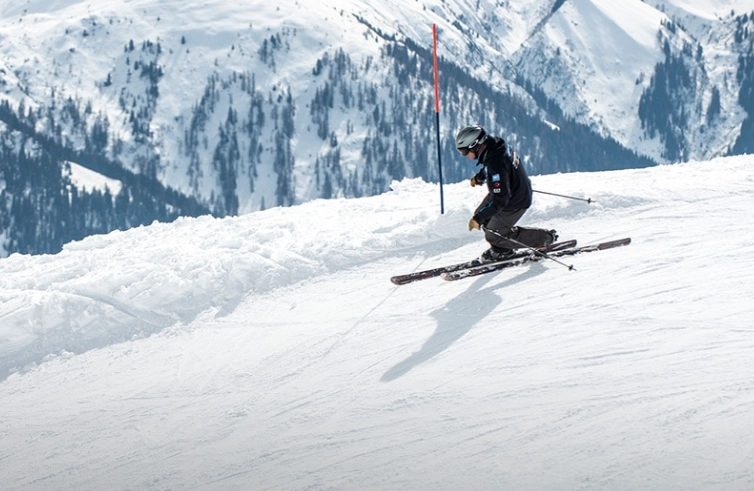
The Payoff: Why People Get Hooked
- The Feeling: A perfect telemark turn has a rhythm and flow that is uniquely satisfying. It's dynamic, quiet, and connected to the snow in a different way.
- The Versatility: One setup for uphill and downhill in the backcountry. It's elegant in its simplicity.
- The Challenge: For many, the difficulty is the point. It's a new mountain puzzle to solve, keeping skiing fresh after decades.
- The Community: Telemark skiers are a friendly, dedicated tribe. There's a shared understanding of the struggle that creates camaraderie.
My advice? If you're a solid intermediate or advanced alpine skier with good fitness, and you're bored or looking for a new dimension to the sport, rent some gear and take a lesson. A good instructor is worth their weight in gold. They'll save you months of bad habits.
If you're a beginner to skiing altogether, I'd strongly recommend starting alpine. Get comfortable on the mountain, learn to control your speed, and build your confidence. The mountain is challenging enough without adding the telemark variable from day one.
Burning Questions: Your FAQ, Answered
I'm an expert alpine skier. How long to get decent at telemark?
Expect a full season of dedicated skiing to feel "intermediate"—linking turns confidently on blue runs. Your alpine skills help immensely with terrain management, but the motor pattern is new. Be patient.
Can I use my alpine skis for telemark?
Yes, absolutely. Many people mount telemark bindings on all-mountain alpine skis. Just ensure a shop does the mount correctly for the different binding forces.
Is telemark skiing harder on the knees?
It's different. The deep knee bend can be tough if you have existing patellar issues. However, the free heel can mean less twisting force on the knee in a fall compared to a fixed alpine binding. It's a trade-off. Strong leg muscles are the best protection.
Which is more fun?
That's entirely subjective. Alpine is fun for its power, speed, and precision. Telemark is fun for its dance-like rhythm, connection to history, and backcountry efficiency. I find alpine more fun on hardpack days and telemark more fun in soft snow. Having both tools is the ultimate luxury.
So, one last time, is telemark skiing harder than alpine skiing?
For learning and execution across most resort conditions, yes, telemark skiing is objectively harder.
It asks more of your body, your coordination, and your patience. The gear provides less assistance. The initial learning cliff is steeper.
But "harder" doesn't mean "not worth it." In fact, for the right person, the difficulty is the very source of the reward. It forces you to engage with the mountain more intimately. It makes you a stronger, more balanced skier overall. The sense of accomplishment from nailing a line on telemark gear is profound precisely because it was so hard to get there.
Don't choose based on which is easier. Choose based on the experience you want. Want power, precision, and progression on a well-trodden path? Go alpine. Want a deep, physical, rhythmic challenge that connects you to skiing's roots and opens the backcountry with elegant simplicity? Give telemark a serious look.
Just be ready to lunge.