Let's be honest. Watching someone link smooth, effortless parallel turns down a blue run can feel like watching magic. You're maybe stuck in a wedge (the pizza slice, the snowplow), your legs burn, and turning feels more like a struggle than a dance. I've been there. I spent what felt like an eternity in that wedge, convinced parallel turns were some secret club I'd never join.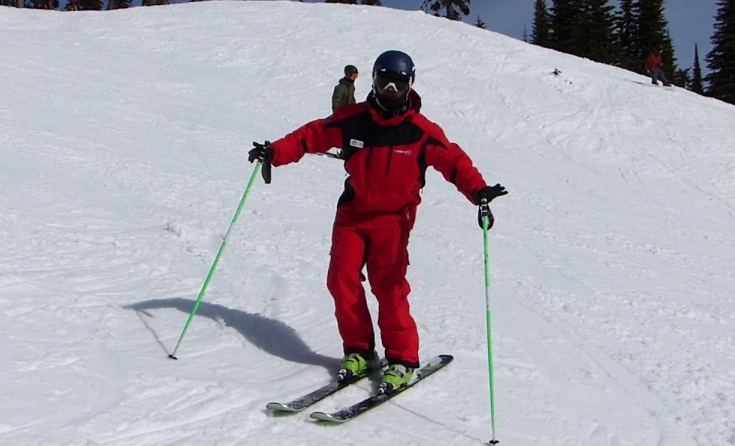
But here's the truth they don't always tell you in ski school: parallel skiing isn't a magical talent; it's a learnable skill. It's a series of movements that, when broken down, make perfect sense. This guide is that breakdown. We're going to strip away the mystery and walk through the exact progression from wedge to parallel. Think of it as your personal roadmap, free of jargon, full of the little "aha!" moments that make it click.
So, if you're ready to move past the beginner phase and start feeling the real thrill of skiing, you're in the right place. This is your complete tutorial on how to ski parallel turns.
Learning parallel turns requires patience. You won't master it in one afternoon. Some steps will feel awkward. Your brain will argue with your body. That's completely normal. The goal isn't perfection on day one; it's understanding the process and feeling a little bit better each run.
Quick Navigation
- What Exactly Is a Parallel Turn (And Why Bother)?
- The Foundational Mindset: What You Need to Know First
- The 7-Step Progression: Your Path to Parallel
- Gear That Actually Helps (And What Doesn't Matter)
- Drills You Can Do Right Now
- Questions You're Probably Asking (FAQs)
- Wrapping It Up: Your Next Steps on the Snow
What Exactly Is a Parallel Turn (And Why Bother)?
Okay, let's get basic for a second. A parallel turn is exactly what it sounds like: you initiate, steer, and finish a turn with your skis running parallel to each other, rather than in a V-shaped wedge.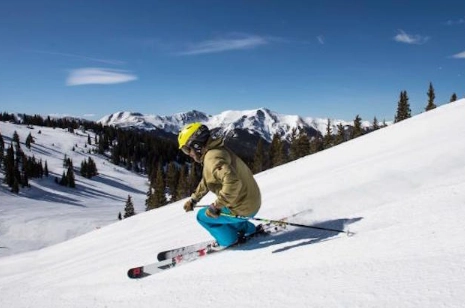
But it's more than just ski position. It's about using your edges and body movement to control your speed and direction, instead of relying on pushing snow with your ski tails (which is what the wedge does). The result? More efficiency, less fatigue, more control on steeper terrain, and honestly, way more fun. It's the difference between trudging and gliding.
Here’s a quick comparison of what changes when you make the leap:
| Element | Wedge Turn (Beginner) | Parallel Turn (Intermediate+) |
|---|---|---|
| Ski Position | Tips together, tails apart (V-shape). | Ski's remain parallel throughout the turn. |
| Speed Control | Primarily by pushing snow with the inside edges of both skis. | By controlling the angle of your edges against the snow (carving & skidding). |
| Movement Focus | Rotating feet and pushing legs out. | Inclining the body, rolling knees/ankles, and pressure control. |
| Efficiency & Fatigue | Very taxing on leg muscles, especially thighs. | More fluid, uses gravity and momentum, less muscular effort. |
| Terrain Suitability | Best for gentle green slopes. | Opens up blues, reds, and eventually blacks. |
See the difference? Parallel skiing isn't just a "look"; it's a fundamentally better, more sustainable way to ride the mountain. The 7 steps to parallel turns are your bridge from one world to the other.
The Foundational Mindset: What You Need to Know First
Before we list the steps, we need to talk about two non-negotiable concepts: Edging and Pressure Control. These are the invisible forces that make parallel skiing work.
Edging is simply tilting your skis onto their sides. More edge angle = more grip and a tighter turn. In a wedge, you're mostly on the inside edges of both skis. In a parallel turn, you roll from the edges of one ski to the edges of the other.
Pressure Control is about managing where your weight is along the length of the ski. At the start of a turn, you pressure the shovel (front) of the outside ski to initiate. As you finish, the pressure moves back slightly. It's a subtle forward-and-back dance in your boots.
Don't worry if this sounds abstract now. The steps will make it physical. Just know that these two ideas are the "why" behind the "what" we're about to do.
The 7-Step Progression: Your Path to Parallel
This is it. The core sequence. These steps build on each other. Do not rush. Master the feeling of one step on a comfortable, easy slope before moving to the next. I can't stress this enough—trying step 5 before nailing step 3 is a recipe for frustration and bad habits.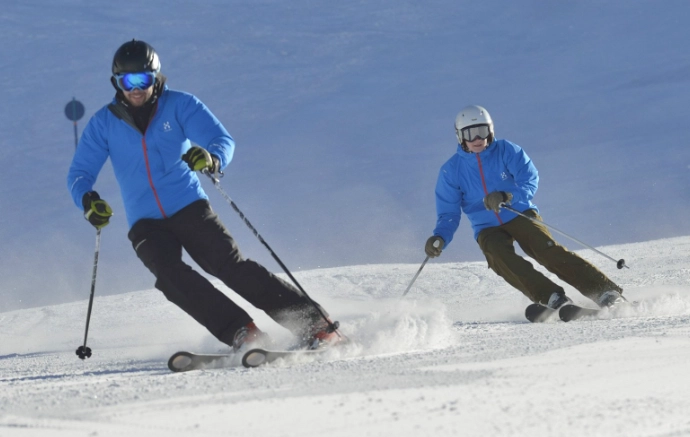
Step 1: Master a Stable, Controlled Wedge Turn
You have to walk before you can run. A solid, rhythmic wedge turn is your foundation. The goal here isn't just to turn, but to do it with control and consistency. Can you link left and right turns down a gentle green run without speeding up uncontrollably? Can you stop confidently in your wedge? If the answer is yes, you're ready. If not, spend more time here. Seriously, a shaky foundation will collapse later.
Step 2: The "Wedge Christie" – Your Transitional Move
This is the secret sauce, the bridge move. Start your turn in a normal wedge. But as you come around the halfway point of the turn, gently pull your inside ski (the one on the side you're turning towards) back to parallel with your outside ski. So, you *begin* with a wedge and *finish* with skis parallel.
Key Focus: All your weight should be on the outside ski (the one on the outside of the turn). The inside ski is just along for the ride. You're teaching your body to trust and balance on one ski at a time. This feels weird at first. You'll want to put weight on both. Fight that urge.
Step 3: Focus on Your Outside Ski (Forget the Inside One)
From the Wedge Christie, we simplify. Now, try to start the turn with less of a wedge. Imagine just briefly touching your ski tips together to start the rotation, then immediately focusing 100% on pressuring and steering the outside ski. The inside ski should just naturally follow into parallel because it's unweighted.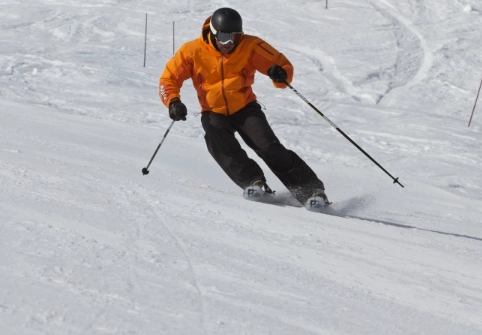
This step is all about building the habit of outside ski dominance. In proper parallel skiing, the outside ski does about 80% of the work. Your brain needs to rewire itself from "push both legs" to "steer and pressure the outside leg." This takes repetition.
Step 4: Introduce Knee and Ankle Angulation
Now we add the edging component. As you pressure that outside ski to start the turn, consciously roll your knee and ankle slightly into the hill. Think about trying to press your knee towards the snow (it won't actually get there). This engages the edge of your outside ski.
This movement, called angulation, is what gives you grip. It also keeps your upper body more quiet and facing downhill, which is crucial for stability. A common mistake is to rotate the shoulders to turn—fight that. Let the lower body do the work.
Step 5: Linking the Turns – The Rhythm is Key
Up until now, you've probably been finishing each turn, coming across the hill, and stopping or resetting. Step 5 is about eliminating that pause. As you finish one turn (skis parallel across the hill), immediately start shifting your weight to the new outside ski and roll your knees in the new direction to start the next turn.
The motion is like a pendulum or a metronome: weight left, roll left; weight right, roll right. The transition is quick and active. This is where you start to feel the flow. The sequence for how to ski 7 steps to parallel turns really comes alive here.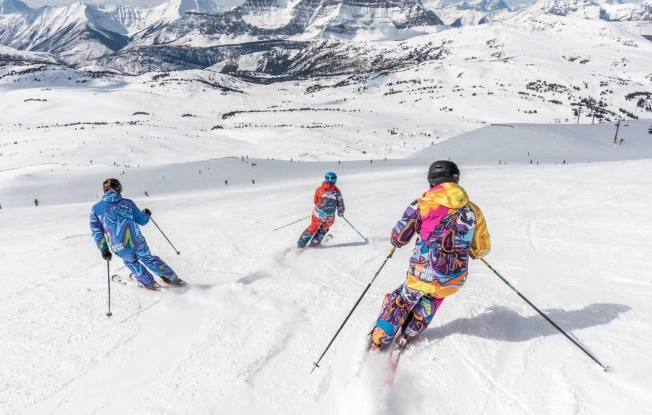
Step 6: Refining and Smoothing Out the Edges
At this point, you're making linked parallel turns. Great! But they might be skidded (the tails slide sideways) and a bit rough. Step 6 is about refinement. Focus on making the turn shape round and consistent. Try to follow the same track in the snow with each turn.
Play with edge pressure. Can you make a tighter turn by rolling your knees more? Can you make a wider, faster turn by being less aggressive with the edge? This is where you move from "making it happen" to starting to control the *quality* of the turn.
Step 7: Dynamic Parallel Turns – Adding Power and Carve
The final step is about performance. Now you intentionally use the energy of the turn. As you finish a turn, the skis want to spring back. Use that! Actively push off that finishing edge to launch into the next turn. This uses the ski's design and creates more powerful, carved turns where the ski bends and follows its edge.
This step is a lifelong pursuit—even experts work on it. But the core mechanics are the same ones you built in steps 1-6. It's just more athletic and dynamic.
Look, step 3 is where most people get stuck. That shift to one-ski balance is a mental and physical leap. My advice? Find a wide, gentle slope and just practice traversing (going across) while balancing only on your downhill ski. Lift the uphill ski completely. Get comfortable with that feeling. It makes step 3 so much easier.
Gear That Actually Helps (And What Doesn't Matter)
You don't need the latest $1,200 skis to learn parallel turns. But the right gear removes obstacles.
- Skis: Look for an "all-mountain" ski that's forgiving and not too stiff. Something with a bit of sidecut (an hourglass shape) will help the ski turn for you. Rentals in the "intermediate" category are usually perfect.
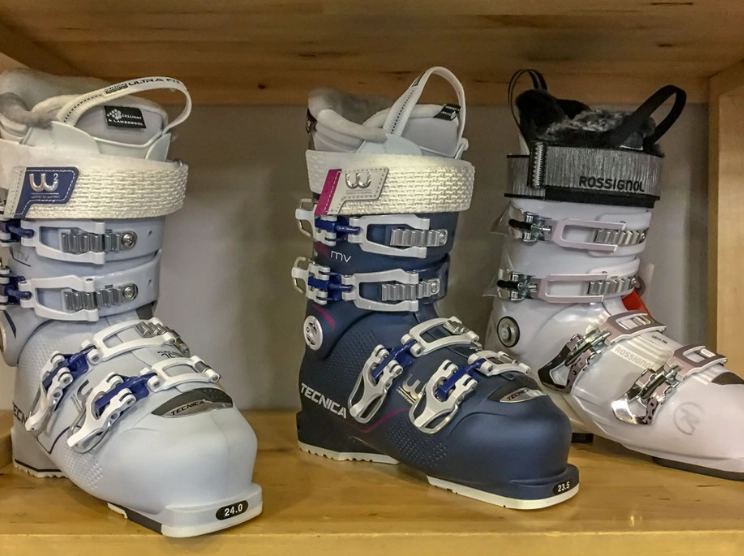
- Boots: This is the MOST important piece. They must fit snugly with no heel lift. If your foot is swimming, you can't control your edges. A proper boot fitting is worth every penny. Seriously, ignore this at your peril.
- Poles: Use them for rhythm and timing, not for pulling yourself around. Plant your pole gently at the start of each turn to guide your body around.
Drills You Can Do Right Now
Drills isolate movements. Do these on an easy green run.
- J-Turns: Start straight down the fall line, then gently steer into a turn to come across the hill, making a 'J' shape. Focus on rolling the knees to finish the turn. Do this for both sides.
- Side Slipping: Stand across the hill. Roll your knees downhill to start slipping, then roll them back up the hill to stop. This teaches pure edge control without turning.
- One-Ski Traversing: As mentioned, go across the hill lifting your uphill ski. Then try a gentle turn on just the downhill ski.
Questions You're Probably Asking (FAQs)
Wrapping It Up: Your Next Steps on the Snow
Learning how to ski parallel turns is a journey. Some days it will click; other days you'll feel like you've gone backwards. That's normal. Print this guide out or save it on your phone. Before you hit the slopes, re-read just one step and make that your goal for the day.
Remember, the path from wedge to parallel isn't a straight line. It's a series of breakthroughs. That first Wedge Christie where you feel the outside ski grip. The first linked turn where you don't think about it. The first time you feel the edge bite and carve. Each one is a win.
So get out there. Start with Step 1. Be patient with yourself. And most importantly, have fun with the process. The mountain will still be there tomorrow, ready for your next attempt.