Your Ski Journey Map
- Why Bother With Drills? (Spoiler: It's a Game-Changer)
- The Pre-Drill Checklist: Gear and Mindset
- The Core Beginner Drills: Building Blocks for Control
- Putting It All Together: From Wedge Turns to Parallel
- Drills for Common Problems & Building Confidence
- Your Progression Plan & How to Practice
- Answers to Questions Beginners Actually Ask
- Wrapping It Up: Your Journey Starts Now
Let's be honest for a second. Your first few days on skis can feel like a special kind of chaos. Your legs have a mind of their own, the cold air bites your face, and the gentle slope you're staring down looks suspiciously like a black diamond. I remember my own start—spending more time on my backside than on my skis, feeling frustrated while everyone else seemed to glide effortlessly. Sound familiar?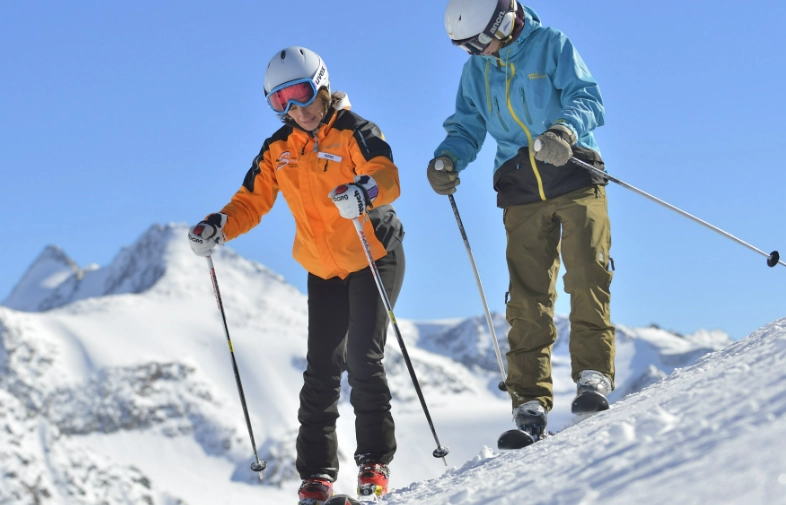
Here's the secret nobody tells you right away: those good skiers aren't just "naturally gifted." They (or their instructors) focused on the fundamentals. And the absolute fastest way to build those fundamentals isn't by just skiing run after run hoping it clicks. It's by doing specific, targeted exercises. We're talking about ski technique drills for beginners.
This isn't about fancy racing techniques. This is about building muscle memory for balance, control, and turning so that skiing becomes fun, not frightening. Ski technique drills for beginners break down the complex motion of skiing into bite-sized, manageable pieces you can practice on easy terrain. Forget just surviving the run; let's build skills that make you actually enjoy it.
Why Bother With Drills? (Spoiler: It's a Game-Changer)
You might think, "Can't I just take a lesson and be done with it?" Sure, a lesson is fantastic. But even the best instructor gives you drills to practice. Think of it like learning a musical instrument. Your teacher shows you a chord (that's the lesson), but you have to go home and practice that chord slowly, over and over, until your fingers find it without thinking (that's the drill). Skiing is the same.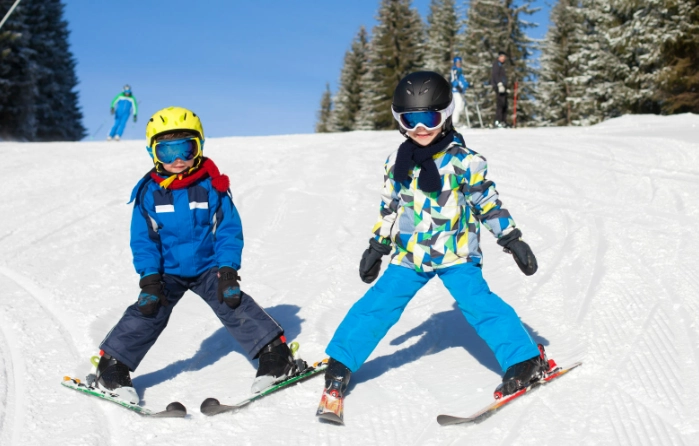
The Drill Advantage: Drills isolate a single movement. When you're just trying to get down the hill, your brain is overloaded—"Don't fall! Turn! Slow down! Watch that kid!" A drill lets you block out the noise and focus on one thing: maybe just shifting your weight, or just rotating your legs. This focused repetition builds the neural pathways that later become automatic when you're skiing for real.
I learned this the hard way. I spent a whole season just skiing greens and easy blues, making the same mistakes repeatedly. My turns were skiddy and forced. It wasn't until the next season, when a patient instructor had me spend 20 minutes just doing a simple side-slipping drill on a very gentle slope, that something finally unlocked. The feeling of the ski's edge engaging properly was a revelation. That one beginner ski drill did more for my control than a dozen messy runs.
So, before we jump into the exercises, let's get your head and body in the right place. The right mindset is half the battle.
The Pre-Drill Checklist: Gear and Mindset
You wouldn't try to learn to drive in a Formula 1 car. Don't try to learn to ski with poorly tuned gear or a bad attitude.
Gear That Won't Fight You
First, your boots. This is the most important piece of equipment. They should be snug—your heel should not lift when you flex forward—but not painfully tight. If your feet are numb or in agony after 10 minutes, something is wrong. Talk to the rental shop; a good boot fitter can make adjustments. Bad boots make every ski technique drill for beginners feel impossible.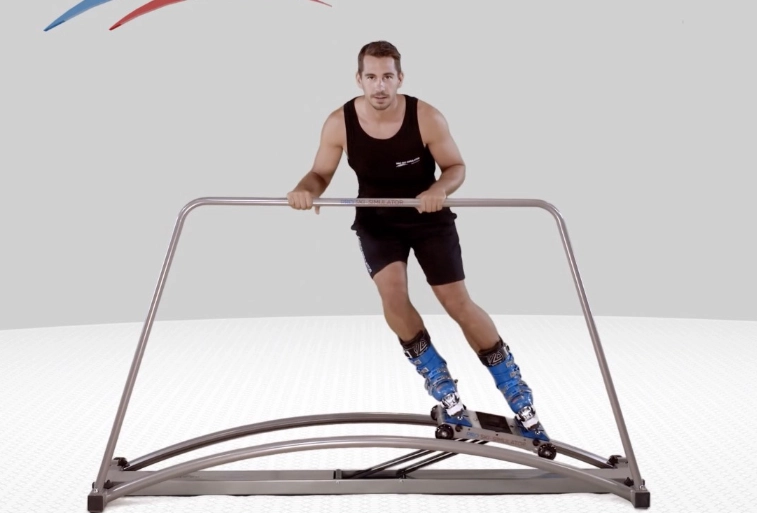
Skis: As a beginner, you want short, soft, forgiving skis. They're often labeled "all-mountain" or "beginner-friendly" in rental shops. The rental technician will typically select an appropriate length based on your height and weight. Trust them. Longer, stiffer skis are harder to maneuver when you're starting out.
The All-Important Stance (The Athletic Ready Position)
Almost every problem I see with new skiers stems from a bad stance. They sit back, they lock their knees, they hunch over. Here's how to find your neutral, powerful position:
- Feet: Shoulder-width apart. Imagine you're about to jump sideways.
- Ankles, Knees, Hips: All slightly flexed. Not a deep squat, just a gentle, athletic bend.
- Upper Body: Stand tall. Your back should be mostly straight, with a very slight forward lean from the ankles, not the waist. Don't bend over!
- Hands: Hold your poles out in front, as if you're holding a large steering wheel or a tray of drinks. This keeps your weight forward.
- Vision: Look ahead where you want to go, not down at your ski tips.
Try this on flat ground first. Then, on a very gentle slope with skis off, get into this stance. Feel balanced? Good. This is your home base. You'll return to this position constantly. The Professional Ski Instructors of America (PSIA), the main certifying body for U.S. instructors, emphasizes this fundamental stance as the foundation for all skiing. You can read more about their teaching philosophy on the PSIA-AASI website.
The Core Beginner Drills: Building Blocks for Control
Alright, you're geared up and mentally ready. Let's get on the snow. Find the absolute flattest, gentlest slope you can. The "magic carpet" area is perfect. We're going to start without even moving downhill.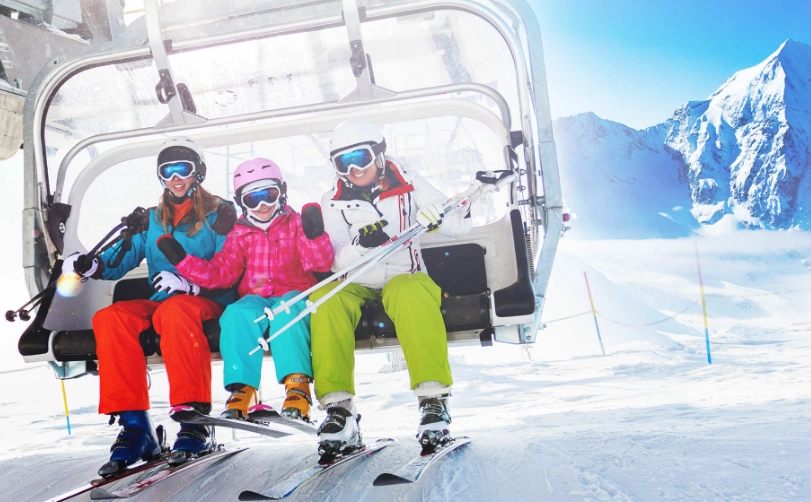
Phase 1: Flat Ground & Very Gentle Slopes
Drill 1: The Gliding Wedge (The Pizza Slice)
Yes, it's the classic. But are you doing it right? The goal isn't just to make a wedge; it's to control speed by varying the wedge's size.
- On a barely-there slope, point your skis straight downhill just enough to start sliding.
- Gently push your heels out, bringing the ski tails apart and the tips together. Form a "V" or a pizza slice.
- Keep your weight evenly on both skis. Don't lean back!
- To stop, simply push your heels out more, making the wedge bigger until you come to a halt.
- Now, practice control: Make a small wedge to go a bit faster. Make a big wedge to slow down. Alternate.
Common Mistake: Leaning back and putting all your weight on your tails. This makes your skis harder to steer and puts you off-balance. Keep those shins pressing into the front of your boots.
Drill 2: The Straight Run & Safe Fall
This is about confidence. Pick a short, gentle slope with a long, flat run-out at the bottom.
- Stand across the hill, dig your edges in so you don't slide.
- Turn your skis to point straight down the fall line (the path water would take).
- Let go and just glide straight, in a neutral athletic stance. Don't wedge. Just ride it out until you naturally slow down on the flat.
- Feel the speed. Get comfortable with the sensation of sliding.
- Now, practice falling on purpose. From a slow glide, simply sit down to the side (like you're sitting in a chair placed beside you). Fall uphill if you can. Tuck your limbs in. Practice getting up by rolling onto your knees and pushing up with your poles. Knowing how to fall safely removes a huge amount of fear.
My Experience: I hated this drill at first. Letting go of control felt terrifying. But after doing it five times, the fear faded. It taught me that the skis are stable when going straight, and that falling isn't a big deal. It's a crucial mental hurdle.
Phase 2: Introducing Turn Shape & Edge Control
Now we start to steer. The holy grail of beginner skiing is linking turns. These drills build towards that.
Drill 3: The J-Turn (or Hockey Stop Prep)
This teaches you how to finish a turn and control your edge to stop.
- Start in a small gliding wedge on a gentle slope.
- Pick one side—let's start with your right. Gently put a little more weight on your right ski.
- As you do this, steer both skis to the right. Your left (uphill) ski will naturally follow.
- Keep turning until you are facing across the hill, then push your heels out to widen your wedge and come to a complete stop. Your path will look like the letter "J".
- Repeat, turning to the left. Practice until you can confidently stop facing either direction across the hill.
Drill 4: The Garland Exercise (Side-Stepping the Fear)
This is one of the most underrated ski technique drills for beginners. It builds edge awareness and a feeling for the turn initiation without committing to a full turn.
- Stand facing across a gentle slope. Your skis are perpendicular to the fall line.
- Slowly start sliding sideways down the hill (this is called side-slipping). Keep your skis flat on the snow by staying in your athletic stance.
- Now, gently roll your knees and ankles slightly downhill. You'll feel your ski edges bite into the snow. This will make you start turning slightly downhill.
- Then, flatten your skis again to go back to side-slipping across the hill.
- Repeat: slip, roll knees to turn a bit, slip, roll knees. You're "garlanding" down the slope, making a series of partial turns. It teaches you that turning is controlled by your lower body, not by throwing your shoulders.
Putting It All Together: From Wedge Turns to Parallel
This is where the magic happens. You'll use the skills from the drills above to start linking turns.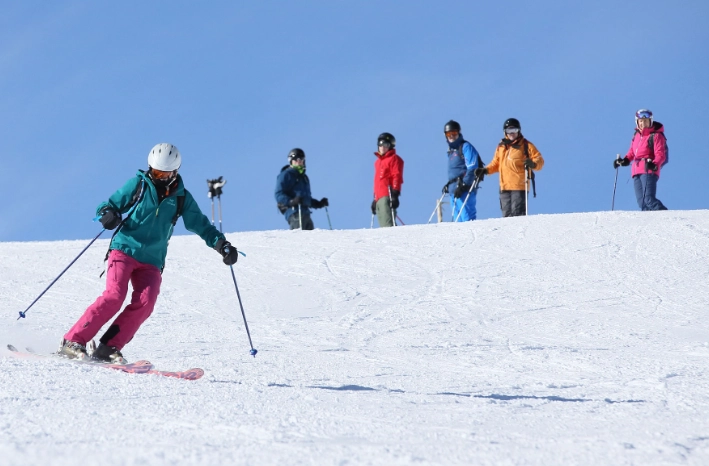
The Wedge Turn (The Foundation)
You're not just making a wedge and hoping to turn. The sequence is key.
Wedge Turn Sequence:
1. Start in a neutral glide with a small wedge.
2. Look & Lead your turn with your eyes and shoulders pointed where you want to go (e.g., to the right).
3. Weight Shift by pressing down on the big toe of your outside ski (the left ski for a right turn). This is subtle, not a lunge.
4. Steer both skis around the turn. The weighted outside ski does most of the work.
5. Finish & Prepare by coming back to a neutral wedge as you complete the turn, then immediately start looking and leading into the next turn (to the left).
Practice this rhythm on a consistent, easy green run. Don't worry about speed. Focus on the sequence: Look, Weight, Steer. Repeat.
The Bridge to Parallel: The Wedge Christie
As you get more comfortable with wedge turns, you can start to refine them. The goal of the wedge christie is to start the turn in a wedge but finish it with your skis parallel.
- Initiate your turn as normal, with a wedge and a weight shift.
- As your skis come around and start to point across the hill (in the second half of the turn), gently pull the inside ski (the one you're weighting less) back alongside the outside ski. Let the wedge close.
- Finish the turn with your skis parallel, facing across the hill.
- To start the next turn, you may need to briefly re-form a small wedge as you initiate, then close it again as you finish.
This drill is the direct bridge to parallel skiing. It teaches you that you don't need a big, braking wedge for the entire turn.
Drills for Common Problems & Building Confidence
Stuck on a specific issue? These targeted ski technique drills for beginners can help.
| Problem You're Having | Likely Cause | Drill to Fix It |
|---|---|---|
| Leaning Back / "In the Backseat" | Fear of speed, trying to brake with your heels. | Pole Touch Drill: While traversing across a slope, reach forward and tap your downhill pole on the snow ahead of you. This forces your body forward. |
| Skidding, Not Carving Turns | Rotating your upper body or not committing to the outside ski. | Outside Ski Balance: On a gentle slope, try to make a turn lifting your inside ski completely off the snow. You'll realize how much you need to trust that outside edge. |
| Stiff, Unbending Legs | Tension, fear of the unknown. | Bounce & Flex: On a flat cat-track or gentle slope, practice bouncing gently up and down by flexing your ankles and knees. Get used to the feeling of movement and absorption. |
| Difficulty Linking Turns | Not finishing one turn before starting the next. | The "Across the Hill" Stop: Focus on completing every single turn until you are completely stopped, facing across the hill. Reset. Then go the other way. This builds the habit of a full turn shape. |
Your Progression Plan & How to Practice
You can't do all these drills at once. Here's a sensible plan for your first few days.
Day 1 (The Basics): Focus entirely on the gentle slope. Master the gliding wedge and speed control. Practice J-turns to both sides until stopping feels confident. Do the safe fall drill. If you can do this comfortably, you've had a wildly successful first day.
Day 2 (Introducing Turns): Review the wedge and J-turns. Then, spend most of your time on a long, easy green run practicing linked wedge turns. Focus on the rhythm: look, weight, steer. Don't worry about linking them perfectly. Try the garland exercise if you feel stuck.
Day 3+ (Refinement): Now you're skiing! Use your first run as a warm-up with wedge turns. Then, pick one drill to focus on for the next run. Maybe it's the wedge christie. Maybe it's the pole touch drill to get forward. Spend 15-20 minutes just on that one exercise. Then go back to free skiing and see if you can feel the improvement. This deliberate practice is how you leap forward.
A Reality Check: Some days, it feels like you've gone backwards. The snow is different, you're tired, nothing works. That's normal. On those days, go back to the easiest drill you know—maybe just gliding wedge speed control on the gentlest slope. Rebuild your confidence. Progress isn't a straight line.
Answers to Questions Beginners Actually Ask
Wrapping It Up: Your Journey Starts Now
Look, learning to ski is a challenge. It's physical, it's mental, and it pushes you out of your comfort zone. But the payoff—the feeling of floating through snow, the mountain views, the sheer fun of it—is absolutely worth the effort.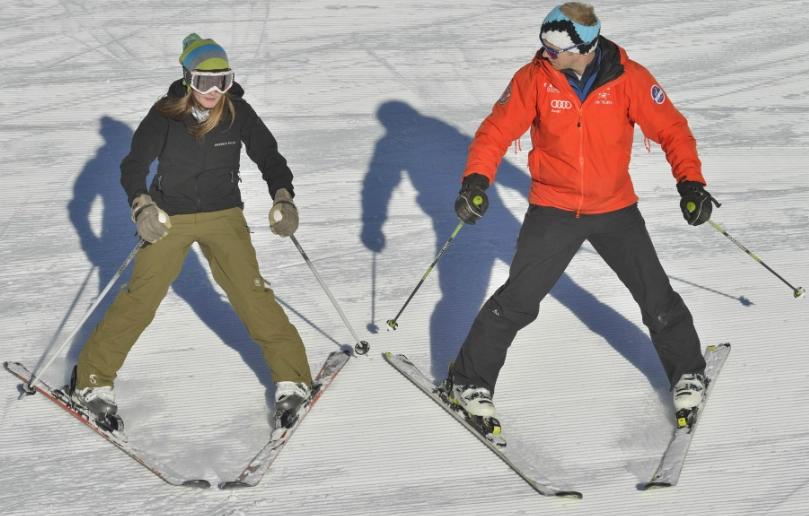
Don't view these ski technique drills for beginners as boring homework. See them as your toolkit. On your next ski day, pick just two from this list. Spend 20 minutes on them. I promise you, that focused practice will do more for your skiing than two hours of aimlessly following your friends down a run you're not ready for.
The mountain isn't going anywhere. Build your skills slowly, correctly, and with purpose. Before you know it, you'll be the one gliding down with a grin, wondering why you were ever so nervous. Now go find some snow and give one of these drills a try.