Quick Navigation
So you're thinking about getting into the backcountry. That's awesome. The silence, the untracked powder, the feeling of earning your turns… it's addictive. But then you hit a fork in the road, and it's a big one. Do you go the route of Alpine touring (AT), with its familiar heel-locked-down skiing feel? Or do you dive into the deep, weird, and wonderful world of Telemark skiing, with that free-heel telemark turn?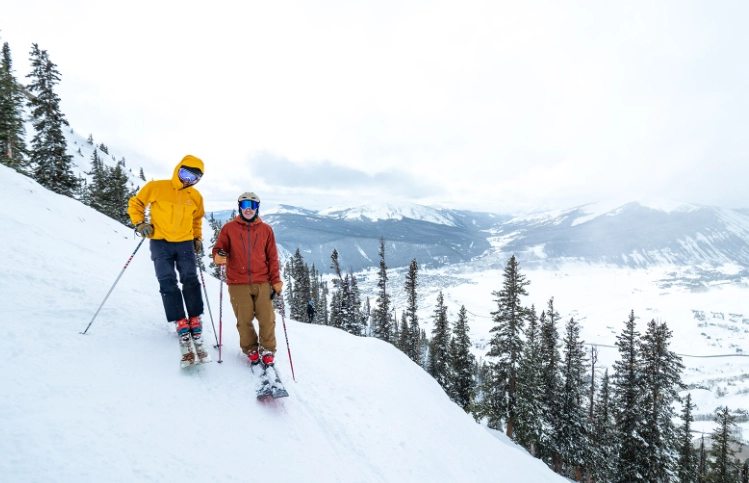
I remember staring at gear reviews online for weeks, totally paralyzed. Everyone seemed to have strong opinions, but nobody was really breaking it down for a newcomer. It felt like choosing a religion, not a ski setup.
Let's cut through the noise. This isn't about which one is "better." That's the wrong question. It's about which one is better for you. Your goals, your fitness, your budget, and honestly, your personality. We're going to dig into the Telemark skiing vs Alpine touring debate from every angle—gear, learning curve, cost, and that intangible feeling each one gives you.
The Core Difference in One Sentence: Alpine touring uses a binding that locks your heel down for the descent (like an alpine ski) and lifts it for the climb. Telemark skiing uses a binding where your heel is always free, requiring a specific lunging turn technique (the telemark turn) for the descent, and uses climbing skins for the ascent just like AT.
Where Did These Two Sports Even Come From?
Understanding the history helps explain the culture. Telemark is the old-school OG. It's named after the Telemark region of Norway and was the original way to ski downhill before fancy bindings were invented. For decades, it was the only way to do backcountry. It's steeped in tradition, a certain purist ethos, and has a dedicated, almost cult-like following.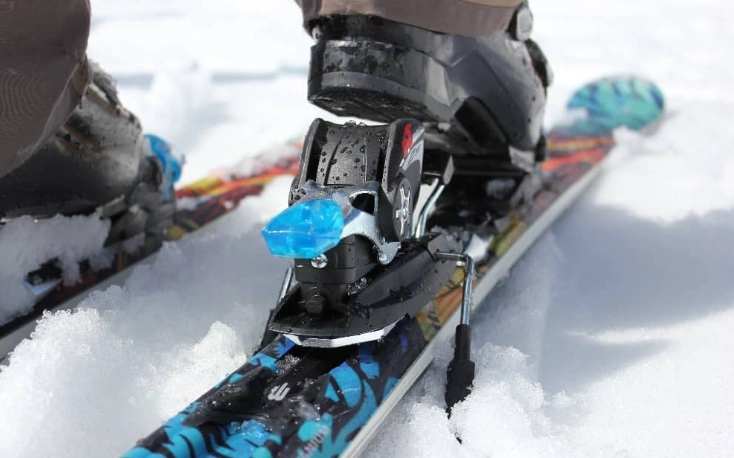
Alpine touring, or randonnée, is the modern evolution. It took the efficient climbing mechanism from cross-country skiing (the touring binding) and married it to a standard alpine ski boot and binding for the downhill. The goal was clear: make accessing the backcountry safer and more efficient for alpine skiers. It worked. AT exploded in popularity and now dominates the backcountry scene in terms of numbers.
That shift in popularity is key. Walk into any ski shop today, and you'll find ten AT setups for every telemark one. That has huge implications for gear availability, community, and learning resources.
The Gear Showdown: A Side-by-Side Breakdown
This is where the rubber meets the road, or rather, the ski meets the snow. The gear differences between Telemark skiing and Alpine touring are fundamental and drive everything else.
| Component | Alpine Touring (AT) | Telemark Skiing |
|---|---|---|
| Boots | Stiff, downhill-focused alpine boots with a walk mode. The walk mode loosens the cuff for climbing. They're familiar, supportive, and powerful for driving the ski. | Softer, more flexible boots with a bellows at the forefoot that allows the knee-to-toe lunge of the telemark turn. They walk and climb incredibly well but offer less precise downhill control. |
| Bindings | Tech bindings (like from Dynafit or Salomon) are the standard. They have pins that lock into fittings on the boot toe for climbing and a heel that lifts. For the descent, the heel locks down solidly. | The binding is always in "free heel" mode. Modern NTN (New Telemark Norm) bindings, like from 22 Designs, have a claw that grips a protruding duckbill on the boot toe. The heel is secured by a cable or a secondary mechanism, but it's never "locked" like an alpine binding. |
| Skis | Can use any modern alpine ski, often a lighter-weight "touring" specific model. You have the full spectrum of shapes and sizes. | Also uses alpine-style skis. There's no such thing as a "telemark ski" anymore. You use the same skis as AT skiers, though some argue a slightly more forgiving ski can be helpful when learning. |
| Climbing | Heel risers on the binding make steep skinning easier. The stiff boot can sometimes feel restrictive and lead to hot spots on long tours. | The natural walking motion of the telemark boot is often cited as more comfortable for long, flat, or rolling approaches. It feels like a sturdy hiking boot. |
| Downhill Feel | Familiar, powerful, and precise. You drive the ski from the heel and cuff. It feels secure and aggressive, especially in variable or firm snow. | Surfy, fluid, and centered. Power comes from weighting and flexing the front foot. It can feel unstable at first but incredibly graceful and smooth in powder. |
Looking at that table, the trade-off becomes obvious. AT prioritizes downhill performance and familiarity. Telemark prioritizes climbing comfort and offers a unique, flowing descent.
Here's my take: the hype about telemark boots being more comfortable for touring is real, but it's not a total win. Yes, on a 10-mile approach with a flat section, I'd kill for my old tele boots. But that softer boot is a double-edged sword. On a firm, choppy descent later in the day, you'll feel every bump transfer right up your leg in a way a stiff AT boot just dampens. There's always a trade.
The Learning Curve: Brutal Honesty Time
This is the biggest deciding factor for most people, and nobody seems to want to say it plainly.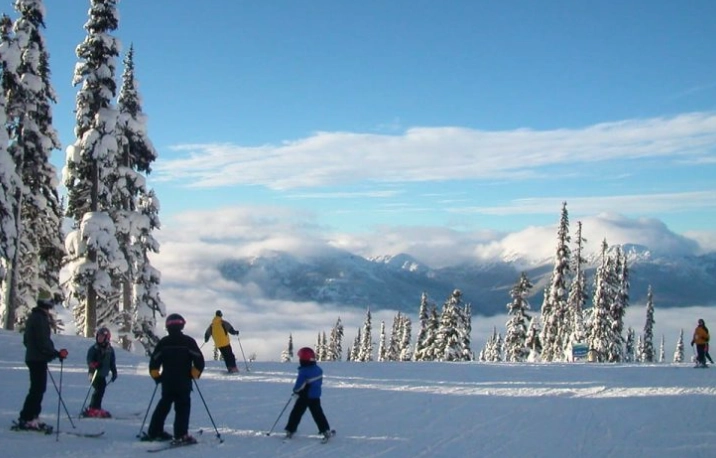
Learning to alpine tour is about learning to travel safely in the backcountry. The downhill skiing part? If you're a competent intermediate-to-advanced resort skier, you already know 95% of it. The skill transfer is nearly instant. You'll be making parallel turns in powder on day one. The learning is about avalanche safety, skinning technique, route finding, and using your gear.
Learning to telemark is about learning to ski all over again. The telemark turn is a fundamentally different movement. It's a deep lunge, requiring balance, flexibility, and coordination that parallel skiing doesn't demand. Your first days (weeks, honestly) will be spent in the resort or on very gentle slopes, falling a lot, with burning thighs, trying to nail the basic turn. It's humbling.
I'm not trying to scare you off telemark.
I'm just being real.
The payoff, once you get it, is immense. There's a rhythm and a grace to a linked telemark turn that feels like nothing else. But you have to want that specific feeling enough to endure the struggle. For someone who just wants to access backcountry powder ASAP, AT is the obvious, pragmatic choice.
Cost and Community Considerations
Let's talk money and people, because both matter.
Gear Cost
Entry-level setups for both are comparable, but the market dynamics differ. Because AT is mass-produced, you can find more deals, more used gear, and more variety at different price points. A solid new AT setup (skis, bindings, boots, skins) might start around $1200-$1500.
Telemark gear is a niche market. Fewer manufacturers mean less competition and often higher prices for comparable quality. Used gear is harder to find. A new NTN telemark setup will likely be a couple hundred dollars more than a similar-tier AT setup. Boots, in particular, are expensive.
Finding Your Tribe
This is huge. The Alpine touring community is vast. Finding partners, taking avalanche courses (AIARE is the standard in the US), and getting beta is easy. You're part of the mainstream.
The telemark community is smaller, tighter-knit, and often older (though that's changing!). Finding a mentor or a dedicated learning group can be harder. You might need to seek out specific clinics or festivals, like those sometimes promoted through the Telemark Down community hub. But once you're in, it's a passionate and supportive group. There's a shared understanding of the struggle.
I learned telemark from a grumpy old ski patroller in Vermont who shouted corrections at me for three straight days. It was brutal, but I learned faster than any friend who tried to self-teach from YouTube.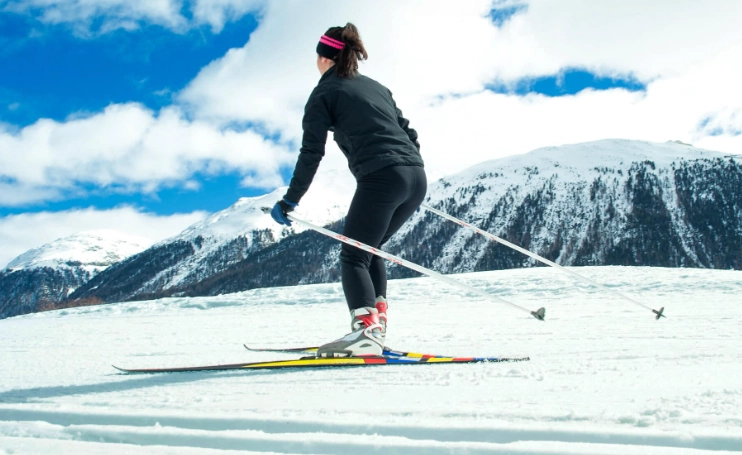
When to Choose Alpine Touring, and When to Choose Telemark
This is the decision matrix. Be honest with yourself.
You're Probably an Alpine Touring Candidate If:
- Your primary goal is efficient access to backcountry powder and terrain.
- You're already a solid parallel skier and don't want to re-learn how to turn.
- You ski in a variety of conditions, including firm snow, crud, and variable chop.
- You want the largest selection of gear and the easiest time finding ski partners.
- You have specific objectives like big mountain lines, ski mountaineering, or covering lots of vertical.
You Might Have the Telemark Bug If:
- You're captivated by the aesthetics and flow of the telemark turn itself.
- You enjoy the process of mastering a complex physical skill (like yoga, martial arts, or dance).
- You prioritize comfort and efficiency on long, rolling tours over maximum power on the descent.
- You're drawn to the tradition, history, and slightly counter-culture vibe of the sport.
- You mostly ski in soft snow conditions (deep powder, spring corn).
Can you ski everything on telemark? Absolutely. I've seen people rip icy couloirs and land cliffs on tele gear. But it's objectively harder and requires a higher skill level to handle challenging conditions compared to AT. For most mortals, AT provides a wider margin of error and more confidence when the snow gets scary.
Answering Your Burning Questions (The FAQ)
Let's tackle the specific things people type into Google when they're deep in this Telemark skiing vs Alpine touring research rabbit hole.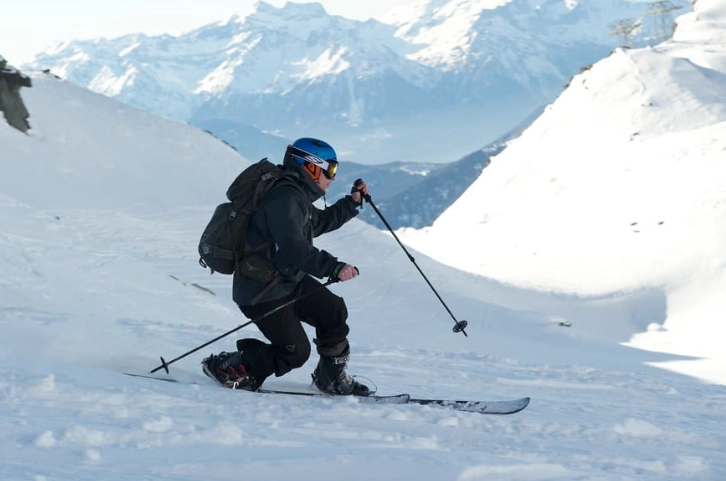
The Soul of the Sport: Beyond the Specs
We've talked gear, difficulty, and cost. But the choice between Telemark skiing and Alpine touring often comes down to something less tangible: the feeling.
Alpine touring feels like mission-oriented freedom. It's about using efficient tools to conquer objectives, bag peaks, and ski big lines. The focus is often on the where and the what—the terrain, the vertical, the descent.
Telemark skiing feels like a moving meditation. The focus is intensely on the how. The rhythm of the turn, the connection between your edges and the snow, the flow state you achieve when you stop thinking and just let the turns happen. It's less about conquering the mountain and more about dancing with it.
Neither feeling is superior. They're just different. Some days I crave the powerful, aggressive certainty of my AT skis. Other days, I just want to make slow, swooping tele turns in low-angle powder, not caring how far I go.
You can even do both.
It's not heresy. Many seasoned backcountry skiers have two setups. An AT rig for big days and challenging conditions, and a telemark setup for playful powder tours. It's the ultimate luxury, but it shows that the Telemark skiing vs Alpine touring debate isn't always an either/or.
Final Thoughts: Making Your Choice
Don't let analysis paralysis keep you out of the mountains. Here's my blunt advice:
If your heart doesn't specifically yearn for the telemark turn, start with Alpine touring. It's the logical, accessible gateway to the backcountry. You'll be skiing powder faster, with less frustration, and you'll join a massive community. You can always try telemark later if the curiosity persists.
If you watch videos of telemark turns and feel a deep, inexplicable pull—if you're the type of person who enjoys mastering crafts for the sake of the craft itself—then embrace the challenge. Rent a setup first. Take a lesson. Accept that the first season will be hard. The reward is a unique and profoundly satisfying way to move through the mountains that very few people ever experience.
The Bottom Line: Alpine touring is a tool for accessing backcountry skiing. Telemark skiing is a style of skiing that happens in the backcountry. Choose based on whether you're optimizing for the destination or the journey itself.
Whichever path you choose, get the training. An avalanche safety course from a provider like AIARE is non-negotiable. Check avalanche forecasts from your local center (like the US Forest Service avalanche sites). Get the right gear, including a beacon, shovel, and probe. And go with partners.
The mountains don't care if your heel is locked or free. They just demand respect. Now get out there and earn your turns.