What's Inside
- What Exactly Are You Getting Into? The Crystal Mountain Experience
- The Nitty-Gritty: Planning Your Crystal Mountain Visit
- A Deep Dive into Hiking Crystal Mountain Trails
- The Winter Side: Skiing and Snowboarding at Crystal Mountain Resort
- Beyond the Obvious: Other Things to See and Do
- Crystal Mountain FAQ: Answering Your Burning Questions
- Final Thoughts and Practical Wisdom
Let's be honest, when you hear "Crystal Mountain," you probably picture one specific place. Maybe it's the famous ski resort, or that breathtaking hike you saw on Instagram. But here's the thing – there's not just one Crystal Mountain. From the Pacific Northwest to the Alps, several stunning destinations share this glittering name. It's like nature's favorite brand for awesome places. This guide isn't about just one spot; it's about understanding what makes any Crystal Mountain worth your time, sweat, and vacation days. Whether you're a hardcore hiker, a family looking for a scenic drive, or a skier chasing powder, we're going to break it all down.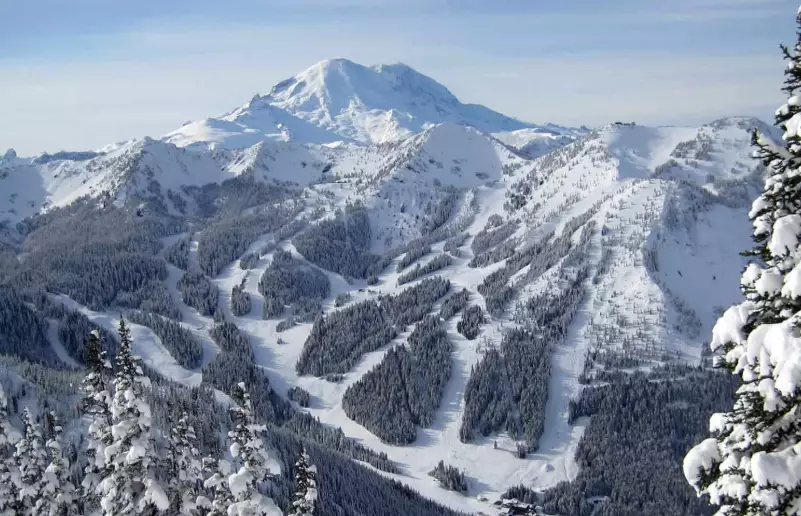
I've made my share of mistakes planning trips to mountains. Packing the wrong gear, underestimating trail times, showing up when everything's closed. It's frustrating. So I'm writing this to save you the headache. We'll talk trails, weather, where to stay, and even tackle the less glamorous stuff like permits and parking. Consider this your one-stop shop for everything Crystal Mountain.
What Exactly Are You Getting Into? The Crystal Mountain Experience
First, let's clear up the confusion. If you searched for "Crystal Mountain," you might be looking at a few different places. The most famous in the U.S. is likely Crystal Mountain Resort in Washington State, near Mount Rainier. It's a massive, year-round operation with skiing, hiking, a gondola, and hotels. Then there's Crystal Mountain in Michigan, a popular ski area. There's even one in Colorado. And let's not forget the countless unnamed "crystal mountains" around the world known for their quartz deposits or icy peaks.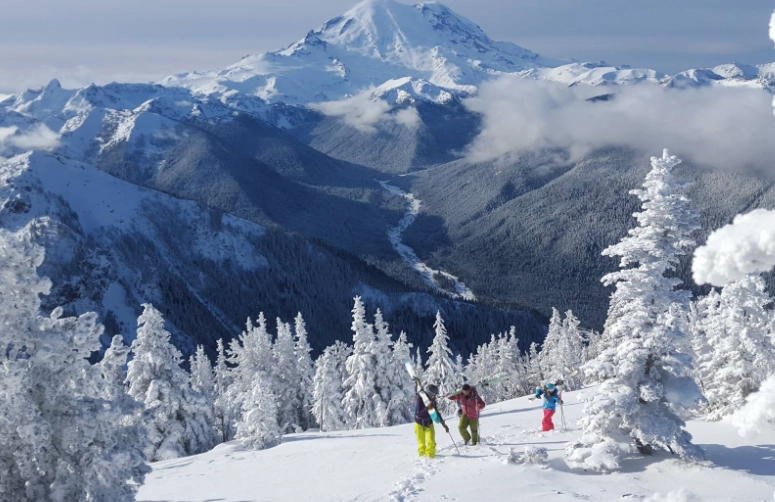
The core experience, though, tends to be similar: stunning alpine scenery, outdoor activities, and that feeling of getting away from it all. The vibe can range from a rustic, back-to-nature feel to a full-service, family-friendly resort. Knowing which one you're aiming for is step one.
Why do people keep going back? It's not just the views. There's a reliability to it. The trails are usually well-maintained, the signage is decent (not always, but usually), and there's enough infrastructure that you don't feel completely stranded, but enough wilderness to feel like you've accomplished something. It's that sweet spot.
Breaking Down the Activities: What Can You Actually Do There?
This is where we get practical. Your trip will look wildly different depending on the season and your interests.
Summer & Fall is for the Hikers and Sightseers. This is prime time. Wildflowers are out, the skies are (often) clear, and the Crystal Mountain hiking trails are begging to be explored. We're talking everything from gentle, paved paths perfect for grandparents and toddlers to leg-burning climbs that reward you with 360-degree views. The gondola at places like Crystal Mountain, Washington, is a game-changer. You can ride up, enjoy the panoramic views from the summit without the sweat, and maybe hike down. Or just have a burger at the summit lodge. No judgment here.
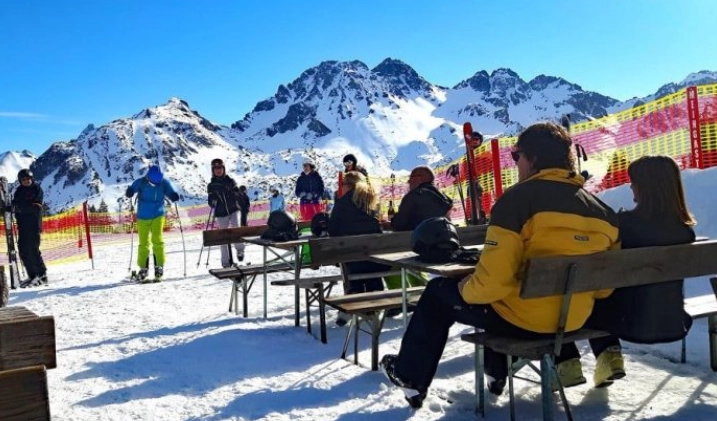
Winter & Spring is for the Skiers and Snowboarders. This is when Crystal Mountain Resort truly shines for winter sports enthusiasts. We're talking about varied terrain – greens for beginners, challenging bowls and chutes for experts, and plenty of cruisy blues in between. The snow quality can be hit or miss, like anywhere. The Pacific Northwest gets famous (or infamous) for its heavy, wet "Cascade Concrete." But when it's good, it's really good. They also usually have solid snowmaking on key runs to extend the season.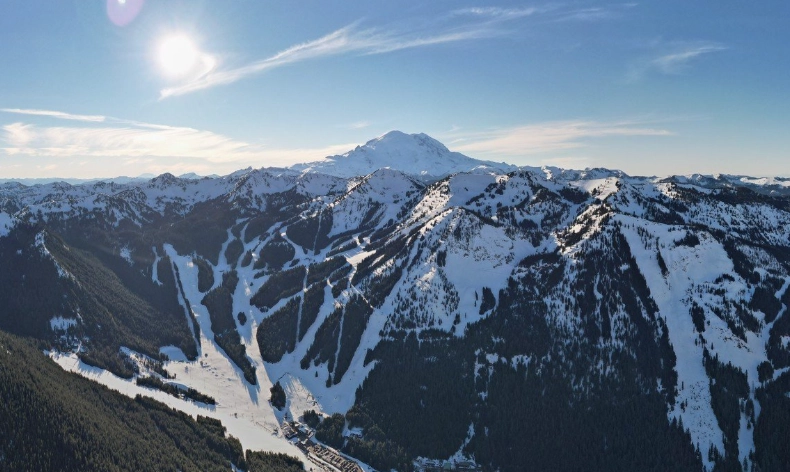
But is it just for experts? Not at all. I've seen first-timer lessons in full swing, and the beginner areas are well-designed and separated from the maniacs flying down the advanced runs. It's a good mix.
The Nitty-Gritty: Planning Your Crystal Mountain Visit
Alright, let's move from the dreamy pictures to the spreadsheet part of planning. This is what most blog posts gloss over, but it's what makes or breaks your trip.
Getting There and Getting Around
Most Crystal Mountains are, unsurprisingly, in the mountains. That means winding roads, potential for weather delays, and limited public transport. For the Washington location, you're looking at about a 2-hour drive from Seattle, depending on traffic (which can be brutal on Friday afternoons and Sunday evenings).
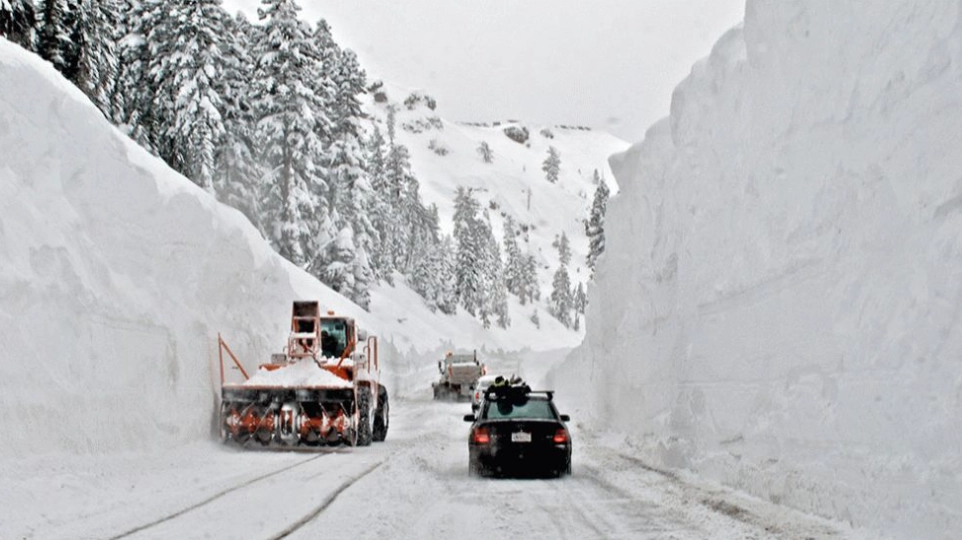
Do you need a 4x4? In summer, a standard car is fine for the main resort access roads. In winter, it's a different story. State law often requires traction tires or chains from November to April on the mountain passes. The resort plows diligently, but during a storm, things can get sketchy fast. Check the Washington State DOT website for pass conditions. It's saved me from a white-knuckle drive more than once.
Parking can be a premium, especially on powder days or sunny summer weekends. At some Crystal Mountain resorts, there's a paid parking system for close-in spots and free lots farther out with shuttles. Factor in extra time for this.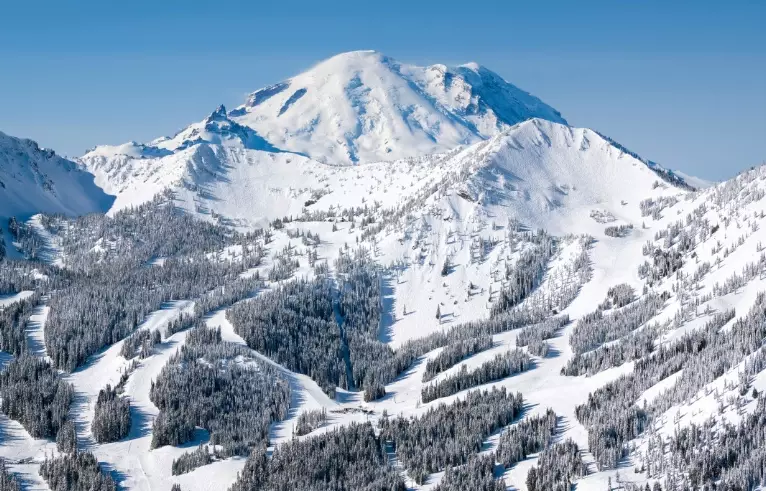
Where to Stay: On-Mountain vs. Nearby Towns
This is a classic trade-off: convenience vs. cost and dining options.
Staying at the Crystal Mountain Resort Village:
Pros: Roll out of bed and onto the lift or trail. No driving. You can take a midday break easily. Apres-ski or post-hike vibes are right there. Great for families with young kids or if you want to maximize your time on the mountain.
Cons: It's expensive. Dining options, while decent, are limited and pricey. You're a bit captive. The atmosphere can feel a bit "bubble-like" after a couple of days.
Staying in a Nearby Town (like Enumclaw or Greenwater for WA):
Pros: More affordable lodging (think chain hotels, B&Bs, vacation rentals). Way more restaurant choices, from diners to nicer local spots. You get a feel for the local area beyond the resort.
Cons: That 30-45 minute drive each way, twice a day. You're at the mercy of road conditions. Less spontaneous – if you're tired at 2 PM, you're probably sticking it out.
My personal take? For a short 2-3 day ski trip where you just want to ski and collapse, staying on-mountain is worth the splurge. For a longer hiking-focused trip where you might explore different trailheads, staying in a nearby town gives you more flexibility.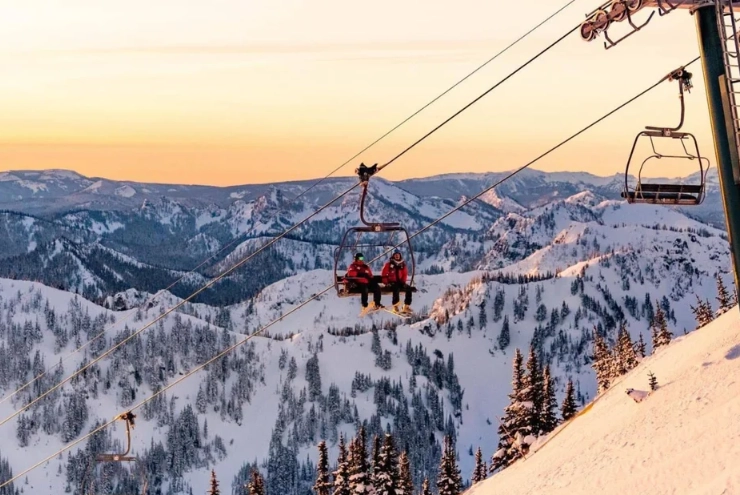
Decoding the Crystal Mountain Weather
This is arguably the most important factor. Mountain weather is its own beast. The forecast for the nearest big town is almost useless. I've seen it be sunny and 65°F in Enumclaw while it's 45°F and sleeting at the Crystal Mountain summit.
Where should you look? For the U.S. locations, the National Weather Service point forecasts for specific mountain zones are your best friend. They use data from sensors on the mountain itself. Also, check the resort's own webcams and snow report pages. They give you a real-time look at conditions.
The microclimates are real. The south-facing slopes will be warmer and melt out sooner. North-facing holds snow and stays cooler. A trail can be clear and dry at the bottom and a slushy, muddy mess higher up. Always, always pack for at least two seasons worth of weather in one day.
A Deep Dive into Hiking Crystal Mountain Trails
Let's say hiking is your main goal. Not all trails are created equal. Here’s a breakdown of what you might find, using the Washington area as a reference model. Remember, trail conditions change, so check recent trip reports on sites like Washington Trails Association (WTA) before you go.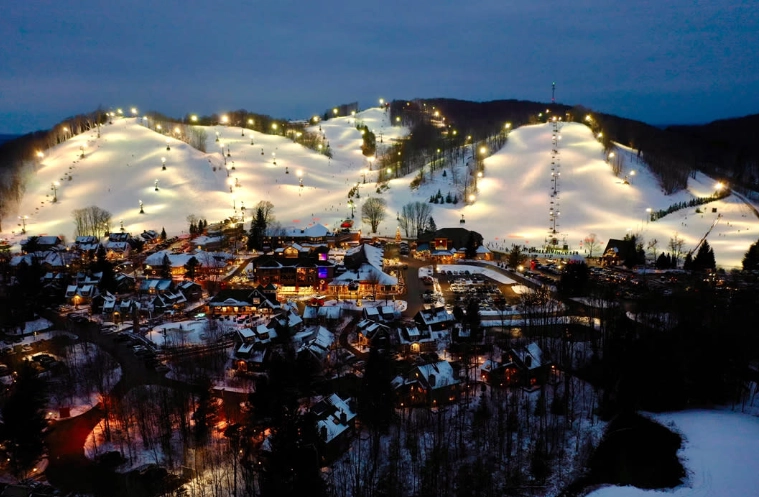
| Trail Name / Area | Difficulty | Round-Trip Distance & Elevation Gain | Best For / Highlights | My Honest Take |
|---|---|---|---|---|
| Summit House via Gondola & Ridge Trail | Easy to Moderate | Varies (1-3 miles). Minimal gain if you ride up. | Families, photographers, anyone wanting epic views with minimal effort. The Summit House is North America's highest-elevation restaurant. | It's stunning, but can feel crowded. The gondola ticket isn't cheap, but it's a fantastic option for accessibility. |
| Silver Creek Trail / Valley Floor | Easy | 2-4 miles, flat to gentle rolling. | Wildflower meadows in July, forest walks, river views. Great for trail running or a leisurely stroll. | A lovely, peaceful area often overlooked by people heading straight up. The bugs can be fierce in early summer. |
| Hen Skin Lake & The Knobs | Moderate to Strenuous | 6-8 miles, 1500-2000 ft gain. | Alpine lake views, ridge walking, a more "wild" feel without a massive commitment. | One of my favorites. The trail can be rocky and rooty – watch your ankles. The lake is icy cold but perfect for a brave quick dip. |
| Summit via Chair 6 & High Traverse (Summer Hike) | Strenuous | ~5 miles, 2000+ ft gain (starting from top of Chair 6). | Experienced hikers wanting to summit the peak on foot. Incredible 360° views on a clear day. | This is serious alpine hiking. Exposed in sections, can be windy. The loose scree near the top is tedious. Do not attempt in poor weather or without proper gear. |
What about permits? For day hiking at most established Crystal Mountain resort areas, you typically don't need a special permit beyond a possible parking pass or trail access fee, which is often included if you buy a gondola ticket or scenic ride pass. However, if you venture into the adjacent national forest or wilderness areas (like near Mount Rainier), a Northwest Forest Pass or America the Beautiful Pass is required for parking. Always double-check.
Wildlife is a thing. You're in bear and cougar country. Make noise on the trail, carry bear spray and know how to use it (it's not just for bears), and never, ever feed any animals. The chipmunks are cute, but they're professional beggars with sharp teeth.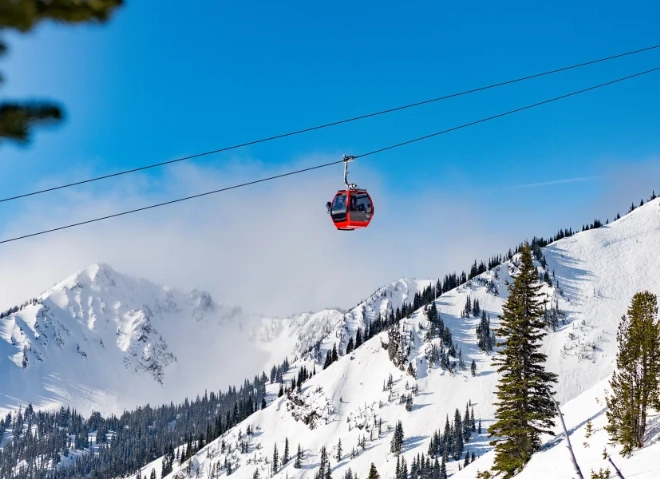
The Winter Side: Skiing and Snowboarding at Crystal Mountain Resort
Switching gears to snow. If you're coming for the skiing, you're in for a treat, but with some caveats.
The terrain is diverse. Front side? Lots of groomed cruisers, perfect for getting your legs back or enjoying a fast, flowy run. The backside (like Northway and Southback areas) is where you find the steep chutes, bowls, and glades that Crystal is famous for among expert skiers. It's vast and can feel intimidatingly big on a low-visibility day.
Lift tickets are… pricey. Like most major resorts, window rates are high. You need to plan ahead. Buy online in advance, often for a significant discount. Look for multi-day deals or season passes if you're a local or planning multiple trips. The Ikon Pass includes days at Crystal Mountain, which is a huge draw for many.
Lessons? They offer them for all ages and abilities. I've heard good things about their kids' programs – they seem to actually get the little ones having fun and learning, not just herding them around. For adults, a half-day group lesson can be a great way to learn the mountain layout from a guide and improve your technique.
Rentals are available on-site, and the gear is usually modern and well-maintained. It's convenient, but if you're staying multiple days or have specific gear needs, renting from a shop in a bigger town on your way up can be cheaper and offer more selection.
Beyond the Obvious: Other Things to See and Do
Maybe not everyone in your group is a die-hard hiker or skier. Or maybe you need a rest day. What then?
- Scenic Gondola Rides: Worth it, even if you don't hike. The view of Mount Rainier (for the WA location) on a clear day is absolutely iconic. Have a drink at the top and soak it in.
- Mountain Biking: Many resorts offer lift-served mountain biking in summer. The trails range from flowy beginner runs to technical downhill courses. Rent a bike or bring your own.
- Photography: It's a photographer's paradise. Sunrise and sunset from the ridges are magical. Wildflower season (mid-July to early August) is especially spectacular.
- Just… Relaxing: Read a book by the lodge fireplace. Enjoy a local beer on a sunny patio. Sometimes the best part of a mountain trip is the forced slowdown.
The mountain forces you to be present. There's no signal, the to-do list fades, and you're just… there.
Crystal Mountain FAQ: Answering Your Burning Questions
Let's tackle some of the specific questions people are typing into Google.
Is Crystal Mountain good for beginners?
For skiing/snowboarding: Yes, but with a note. They have dedicated beginner terrain and good lesson programs. However, the overall mountain vibe can feel geared towards more advanced riders. A pure beginner might feel equally at home at a smaller, more beginner-focused hill. For a motivated beginner, it's great.
For hiking: Absolutely. The trails around the base and the options created by the gondola make it very accessible for all fitness levels.
What is the best time of year to visit Crystal Mountain?
It completely depends on your goal.
For wildflowers and guaranteed snow-free hiking: Late July through September.
For fall colors and fewer people: Late September to early October (watch for early snow).
For the best chance of good ski conditions: January through March.
To avoid crowds at all costs: Mid-week, any season outside of major holidays.
Can you visit Crystal Mountain without skiing or hiking?
100%. The scenic gondola ride is the main attraction for non-active visitors. Driving up to the base area for a meal, walking around the village, and enjoying the views is a perfectly valid day trip.
Is it kid-friendly?
Very. The resorts are built for families. Kids' ski schools, easier trails, gondola rides, and generally a safe, contained environment. For hiking, pick the right trail (like the ones from the top of the gondola) and bring snacks. Lots of snacks.
How cold does it get? What should I wear?
At the summit, even on a 70°F summer day, it can feel like 50°F with the wind. In winter, temperatures routinely drop into the teens and single digits (°F). The wind chill can be brutal. The answer, again, is layers. A good hat and gloves are non-negotiable in winter. In summer, a light beanie and a windbreaker can save your day.
Final Thoughts and Practical Wisdom
Visiting any Crystal Mountain is about managing expectations. It's not always the perfect, sun-drenched Instagram post. Sometimes it's foggy, rainy, or bitterly cold. Sometimes the lift lines are long. The food is expensive. The drive is tiring.
But then you get that one run where the snow is perfect, or you reach that vista and the clouds part to reveal a sea of peaks, or you share a laugh with friends in a cozy lodge after a long day outside. That's what you're there for. That's the magic.
Do your homework with the resources linked here. Pack smarter than you think you need to. Be flexible with your plans. Respect the mountain—it's bigger than you. And most importantly, just go. The Crystal Mountain experience, in all its forms, is waiting.
Got a specific question I didn't cover? Drop it in the comments below (if this were a real blog). I'm happy to help based on my own misadventures and triumphs on these incredible slopes and trails.