Let's cut straight to the chase. You're googling "Inghams ski jobs" because you're picturing a winter where your office is a mountain, your commute is a chairlift, and your paycheck comes with a free ski pass. That image is pretty accurate. But there's a whole lot more to it than just the Instagram highlights. Having spent several seasons working in various resorts (and knowing plenty who've worked for tour operators like Inghams), I can tell you it's the best and hardest job you'll ever have. This guide isn't a glossy brochure. It's a detailed, honest look at what getting an Inghams ski job actually involves, from the application to the après-ski.
What's Inside?
What Exactly Are Inghams Ski Jobs?
Inghams is a major UK tour operator. They don't just sell holidays; they run them. That means in popular ski resorts across the Alps (think France, Austria, Switzerland, Italy), they have their own hotels, chalets, and reps on the ground. Their "ski jobs" are seasonal positions to staff these operations for the winter. You're not employed directly by the resort; you're employed by Inghams to deliver their holiday experience. This is a key difference from, say, getting a job at a local restaurant or as a liftie for the resort company.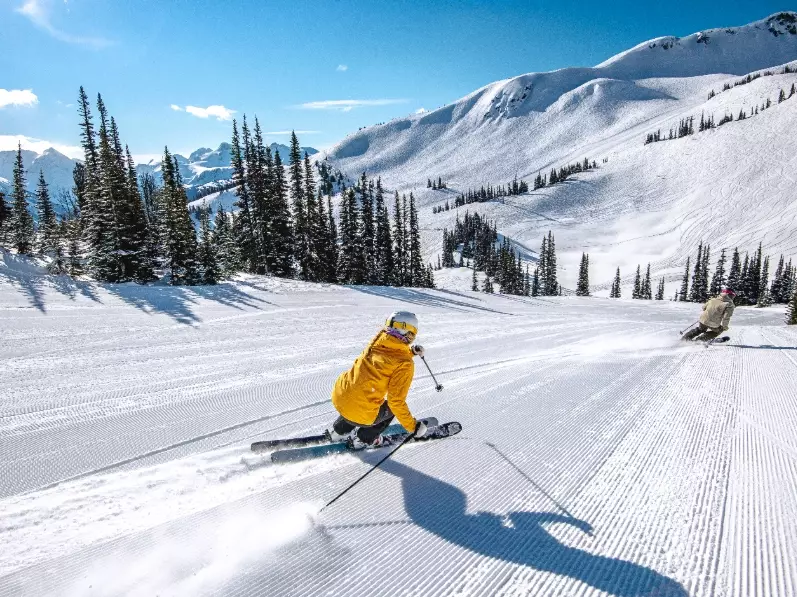
The vibe is structured. You get training, a uniform, and a clear role within a team. For some, that's a safety net. For free spirits who want total independence, it might feel a bit corporate. But here's the non-consensus bit everyone misses: that structure is often what provides the decent accommodation and guaranteed ski pass. Going completely independent can mean scrambling for a crappy apartment and paying €1500 for a season pass yourself.
The Step-by-Step Application Process
It's not just sending a CV. The process is designed to filter for people who can handle customer service in a high-energy, live-in environment. Here’s how it typically unfolds, based on recent seasons.
When and Where to Apply
Recruitment kicks off early. We're talking late spring/early summer for the following winter. Positions get listed on the Inghams Careers website. Don't wait until October. The best roles (and locations) go fast. They hire for a wide range of resorts, from mega-resorts like Val d'Isère and Méribel to more traditional Austrian villages like St Anton or Zell am See.
The Stages You'll Go Through
First, the online application. Tailor your CV to highlight any hospitality, customer service, or teamwork. Even bar work or retail counts. Then, if shortlisted, you'll likely have a video interview. They're looking for enthusiasm, resilience, and that you understand it's a job, not a 5-month holiday. A final interview, sometimes in-person at assessment days, seals the deal. Offer letters usually go out by early autumn.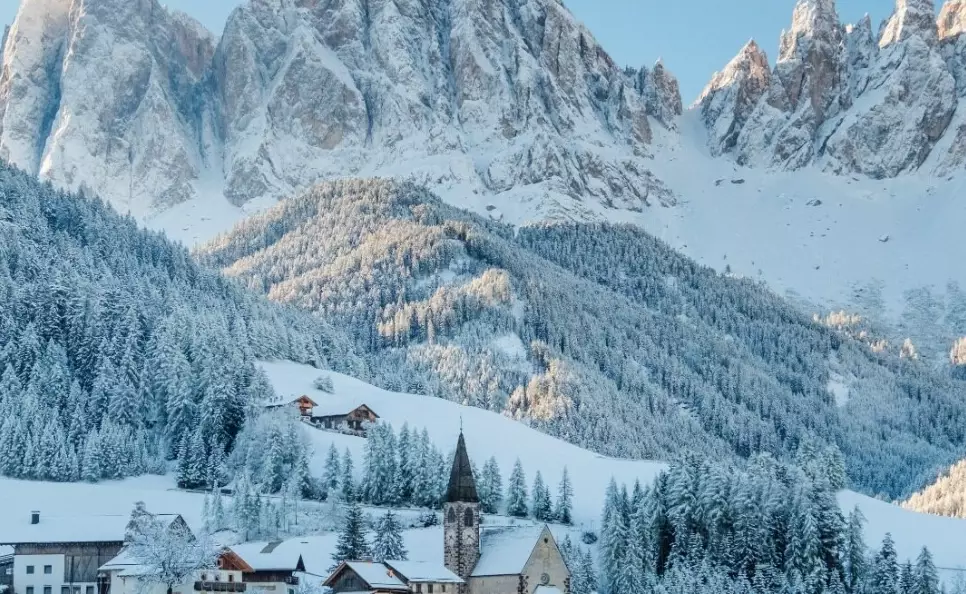
Types of Jobs & Roles You Can Get
Not all ski jobs are created equal. Your daily routine and time on the mountain vary massively depending on your title.
| Job Role | Main Responsibilities | Typical Schedule & Ski Time | Who It's Good For |
|---|---|---|---|
| Chalet Host | Cooking breakfast & afternoon tea, cleaning, guest interaction. The heart of the chalet. | Early mornings, afternoons/evenings off. Solid afternoon ski time most days. | Sociable, organised people who don't mind early starts and enjoy cooking. |
| Hotel Staff (Reception, Waiting, Bar) | Front desk, restaurant service, bar work. More shift-based. | Rota-based shifts. Ski time can be fragmented but regular days off are blocks. | People with relevant experience who prefer a clear separation between work and living space. |
| Resort Representative | Meeting guests, organising transfers, running welcome meetings, solving problems. | Irregular hours, on-call elements. Ski time is often during the week when guests are out. | Confident, problem-solvers with great local knowledge and stamina. |
| Driver | Transporting guests and staff, vehicle maintenance. Requires a clean license (often manual). | Set schedules, but can involve early/late airport runs. Free time when not driving. | Practical, responsible individuals who enjoy driving and have a flexible schedule. |
The biggest mistake new applicants make? Assuming the rep role is the "best" because it sounds glamorous. In reality, chalet hosts often have the most consistent daily free time for skiing. Reps work when guests have issues—which is often evenings and weekends.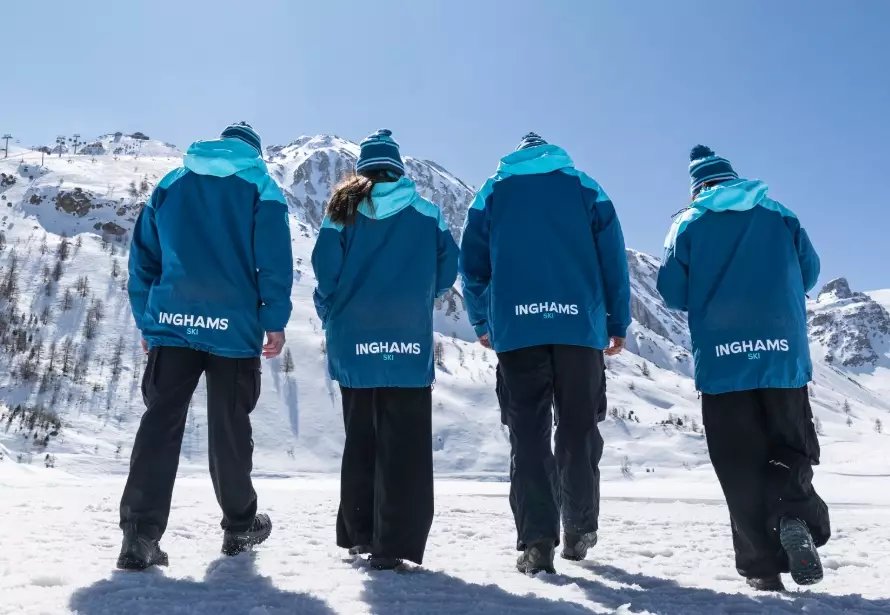
Pay, Perks & The Financial Breakdown
Let's talk money, because you won't get rich. But the value isn't just in the salary.
Salary: Expect a monthly wage that aligns with local minimum wage or slightly above. It's enough to live on, not to save much. Your real "pay" comes in benefits.
The Benefit Package (This is the golden ticket):
- Accommodation: Usually shared staff accommodation is provided and heavily subsidised or free. This is a massive cost saver in expensive resorts.
- Ski Pass: A full area season pass is typically included. This alone can be worth €1500-€2000.
- Ski/Snowboard Equipment Hire: Often provided or available at a big discount.
- Travel Contribution: Many operators, including Inghams, offer a travel allowance to get you to/from the resort.
- Food: Chalet hosts eat in the chalet. Hotel staff usually get meals on duty.
- Uniform & Training: Provided.
When you factor in not paying for rent, a ski pass, or most food, your disposable income situation changes completely. Your main costs become socialising, extra food, and travel on days off.
The Real Deal: Daily Life on the Mountain
Imagine a Tuesday. You finish your chalet cleaning by 1 PM. You grab your skis from the locker, hop on the free bus, and are on the gondola by 1:45. You ski perfect corduroy on a red run that was packed at 9 AM but is now yours alone. You meet other seasonaires for a beer in the sun at 3:30. That's the magic.
Now imagine a Saturday. It's a changeover day. You've been up since 6 AM cleaning rooms, you're dealing with a delayed flight of new guests, you're tired, and it's pouring rain outside, turning the slopes to slush. That's the reality.
It's a rollercoaster. You live, work, and socialise with the same 20-30 people. You'll make lifelong friends. You might also get sick of the sight of them by February. It's intense, communal, and utterly unforgettable.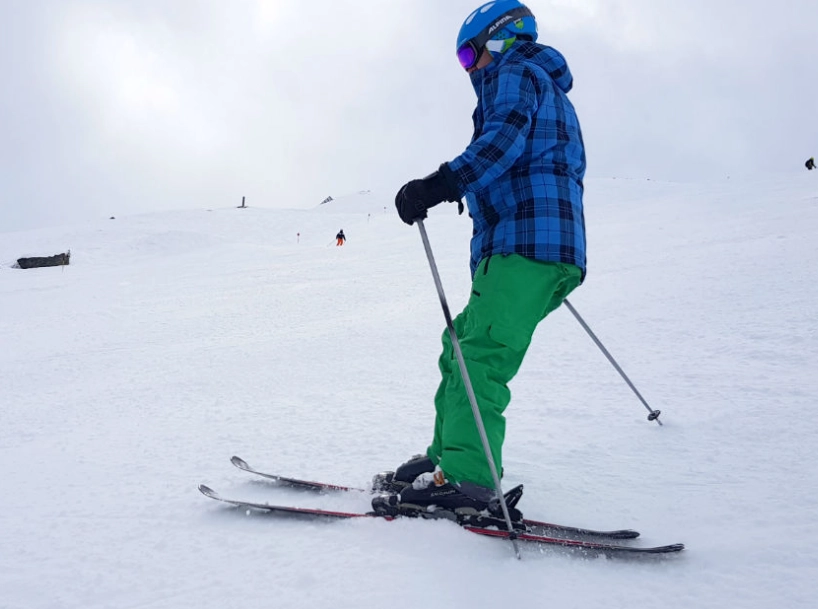
Expert Tips for a Successful Season
Beyond the obvious "be friendly," here's what veterans know.
- Pack a Pro Medical Kit: Ibuprofen, rehydration sachets, strong cold/flu medicine, blister plasters. Resort pharmacies are expensive, and you will get the "seasonaire flu."
- Your Boots Are Your Business: If you can afford it, buy your own well-fitted ski boots before you go. Rental boots for a whole season are a fast track to foot misery.
- Manage Your Energy, Not Just Your Time: You can ski every afternoon, but you'll burn out by January. Schedule rest days. Read a book. Have a quiet coffee. The mountain isn't running away.
- The Mid-Season Lull is Real: February can feel long. The novelty wears off, it's cold, and you're tired. Plan a trip to a nearby city or a different resort for a weekend to break it up.
- Leave No Trace with Your Employer: Do your job well, don't get caught drinking on duty, and be professional with guests. A good reference from a major operator like Inghams is gold dust for future seasonal work.
Your Burning Questions Answered
So, is an Inghams ski job for you? If you want a structured entry into the seasonal world, value having your basics covered, and thrive in a team, it's a fantastic launchpad. You'll work hard, ski harder, and come back with stories that outweigh the savings. Just go in with your eyes open, pack the ibuprofen, and get ready for the ride.