My Ski Learning Highlights
- Why Bother Learning to Ski Anyway?
- Getting Started: Your First Steps Off the Couch
- What You'll Actually Learn: Breaking Down the Basics
- Choosing Where to Learn to Ski
- The Real Cost of Learning to Ski
- Staying Safe and Comfortable: The Unsexy Essentials
- Your First Season & Beyond: From Beginner to Skier
- Frequently Asked Questions (The Real Ones)
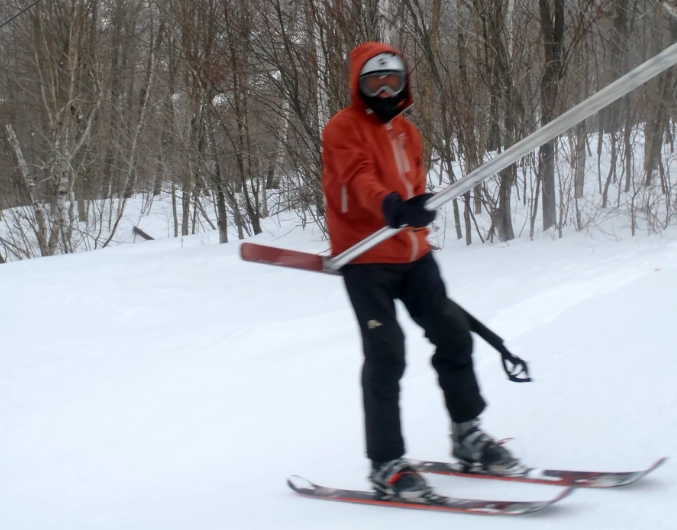
I remember standing at the top of a bunny slope, my legs feeling like jelly, staring down what looked like Mount Everest. The cold air bit my face, my rented boots were already pinching, and a six-year-old zipped past me with a laugh. That was my first attempt to learn to ski. It was humbling, slightly terrifying, and honestly, one of the best decisions I ever made.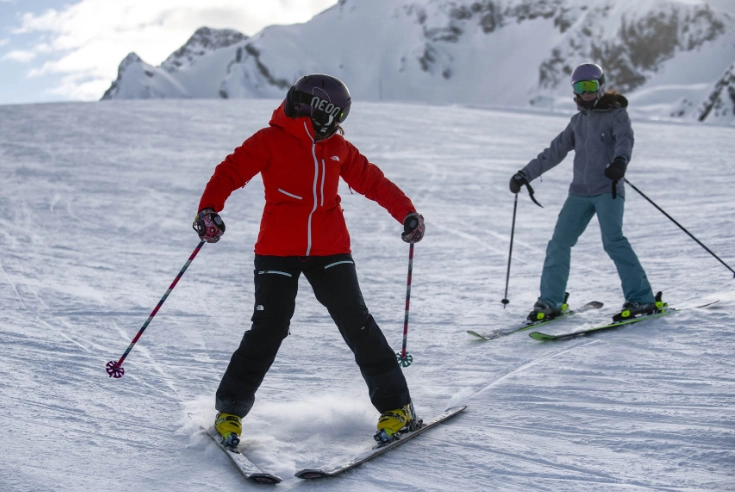
Maybe you're staring at gorgeous winter photos, listening to friends' stories, or just wanting to try something new that gets you outside. The idea of learning to ski is exciting. The reality? It's a mix of frustration, exhilaration, cold toes, and moments of pure, childlike joy. This guide isn't about selling you a perfect fantasy. It's the honest, no-BS companion I wish I'd had. We're going to talk about the good, the bad, the expensive, and the absolutely magical parts of becoming a skier.
Why Bother Learning to Ski Anyway?
Before we dive into gear and technique, let's address the "why." It's a big commitment of time, money, and courage.
First off, it's pure fun. Once you get past the initial fear, gliding on snow is an incredible feeling. It's freedom. You get access to stunning mountain landscapes you'd never see otherwise. It's also fantastic exercise—engaging your legs, core, and balance without feeling like you're stuck in a gym.
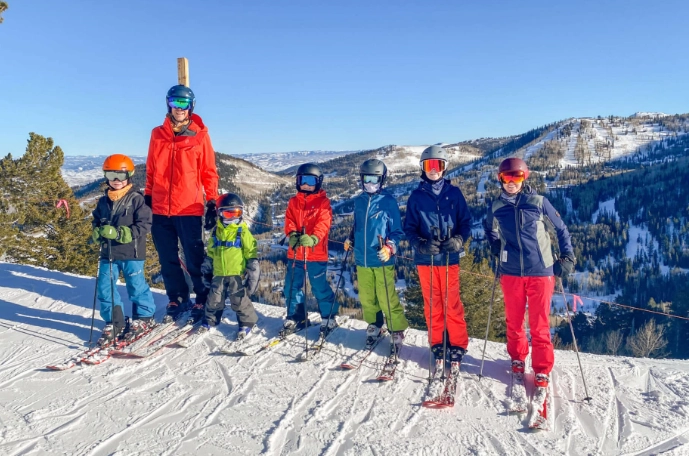
It's also a social thing. Skiing with friends or family creates lasting memories. And there's the apres-ski culture—hot chocolate by a fire, sharing stories of the day's runs. It's a whole experience, not just a sport.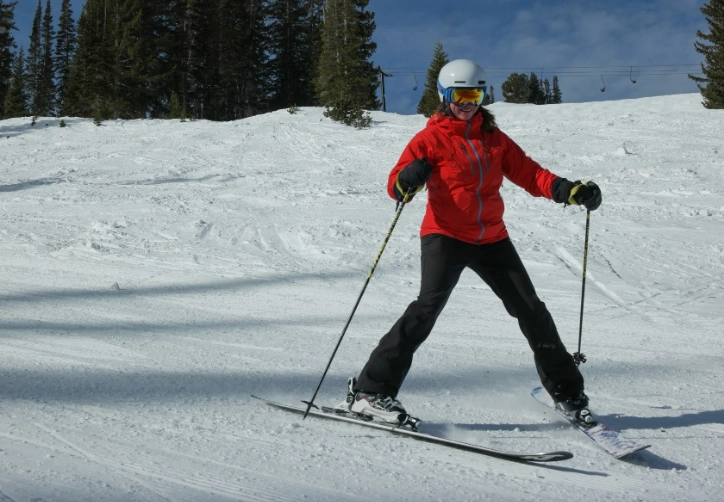
But is it for everyone? Probably not. If you hate the cold, have a severe fear of heights or speed, or aren't willing to feel like a beginner again as an adult, it might be a tough sell. You have to be okay with looking a bit foolish while you learn.
Getting Started: Your First Steps Off the Couch
You've decided to take the plunge. Awesome. Now what? The biggest mistake beginners make is trying to figure it all out alone on day one.
Gear: To Rent, Borrow, or Buy?
This is the first major hurdle. My strong, strong advice for anyone who wants to learn to ski? RENT. Don't buy a full setup immediately.
Why? Ski technology changes. Your skill level will change rapidly in the first season. What feels right as a clueless beginner will hold you back in a few weeks. Renting lets you try different skis and boot brands. More importantly, rental shops will set your bindings correctly for your weight and ability—a critical safety feature.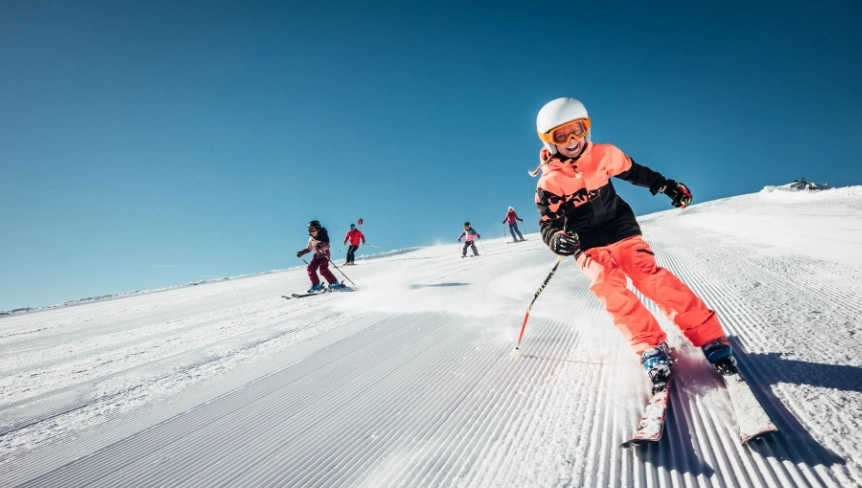
If you must buy one thing first, make it comfortable, ski-specific socks and thermal base layers. Cotton is the enemy. It gets wet and stays wet, making you cold and miserable. Merino wool or synthetic fabrics are your friends.
Here’s a quick breakdown of the gear essentials and where to source them when you're starting out:
| Gear Item | Beginner Recommendation | Why It Matters |
|---|---|---|
| Ski Boots | RENT. Focus on a snug, comfortable fit. Snug, not painful. | The most important piece. They are your control center. Ill-fitting boots ruin everything. |
| Skis | RENT. Ask for "beginner" or "all-mountain easy" skis. Shorter is easier. | Beginner skis are softer and more forgiving, making turning much easier to learn. |
| Poles | RENT or skip entirely for Day 1. Seriously. | Beginners often trip over them. Instructors often take them away initially to focus on balance. |
| Helmet | NON-NEGOTIABLE. Rent or buy. Get one that fits. | Safety first. It's standard now, and it keeps your head warm. No debate. |
| Goggles | Buy a decent mid-range pair. Lens color matters (rose for cloudy, dark for sunny). | Protects eyes from wind, sun, and snow. Good vision is critical for safety and fun. |
| Jacket & Pants | Waterproof/breathable shell. Borrow if you can, or buy an affordable ski-specific set. | Staying dry is the key to staying warm and happy all day. |
The Single Best Investment: A Lesson
I see it every time I'm on the mountain. A group of friends, one who knows how to ski trying to teach the others. It usually ends with frustration, tears, or someone sitting in the lodge by 10:30 AM.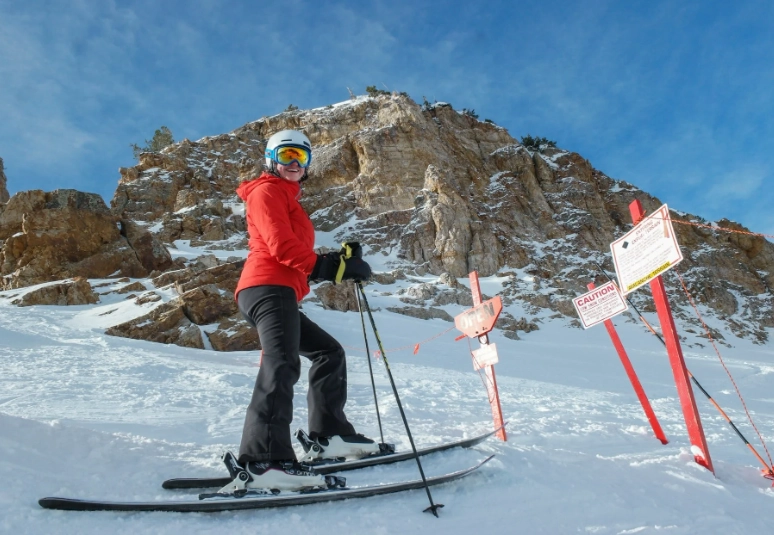
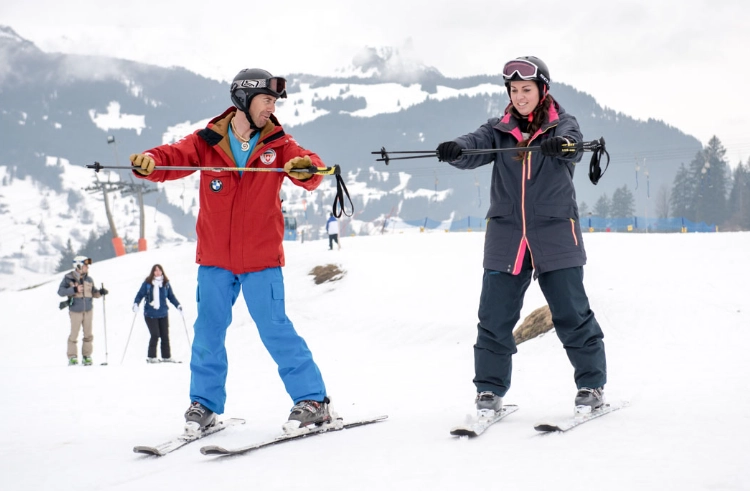
If you are serious about wanting to learn to ski properly—and safely—book a lesson. Even a single half-day group lesson is transformative.
Certified instructors from the resort's ski school or through bodies like the Professional Ski Instructors of America (PSIA) know the progression. They have a curriculum designed to get you sliding and turning safely. They'll teach you how to use the lifts (a surprisingly intimidating first step!), how to control your speed, and how to stop reliably. This isn't just about technique; it's about building a foundation of confidence.
What type of lesson?
- Group Lesson (Max 6-8 people): The most affordable option. Great for meeting people at your level. The pace is set by the group.
- Semi-Private (2-4 people): Perfect for a family or friends. You get more personalized attention than a large group.
- Private Lesson (1-on-1): The fastest way to progress. The instructor tailors everything to you. Expensive, but highly efficient.
Check the resort's website. Many offer fantastic "First Timer" or "Never Ever" packages that bundle a limited lift ticket, rentals, and a lesson at a great price. It's the ultimate low-commitment way to try the sport.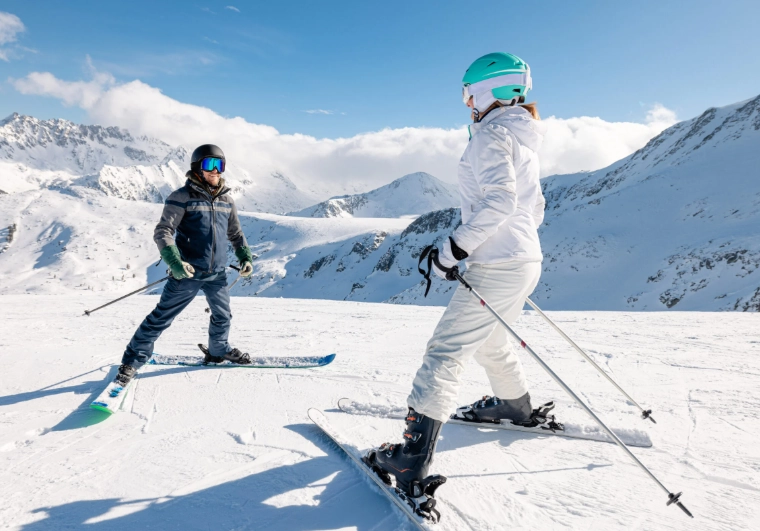
What You'll Actually Learn: Breaking Down the Basics
Let's demystify what happens in those first few days. The goal isn't to bomb down a black diamond. It's to build control.
The Foundational Skills (In Rough Order)
- The Stance & Balance: Athletic, slightly bent knees, hips over feet, hands forward. It feels weird at first.
- Gliding & Straight Running: Just getting used to the sliding sensation on flat ground.
- The Snowplow (Pizza Wedge): Your best friend for speed control. Pointing your ski tips together to form a wedge. This is how you stop.
- Turning with the Snowplow: Putting more weight on one foot to gently steer your wedge into a turn.
- Using the Lifts: A mini-lesson in itself. How to line up, load, ride, and unload without falling over.
- Linking Turns: The magic moment. Turning left, then right, then left, to make a winding "S" shape down the hill. This is when it starts to feel like skiing.
Common Beginner Mistakes (So You Can Avoid Them)
We all make them. Knowing them in advance helps.
- Leaning Back: The number one instinct when scared is to sit back. This takes you out of control. Force yourself to keep shins pressed into the front of your boots.
- "Death Grip" on the Poles: Gripping poles too tightly tenses your whole upper body. Stay loose.
- Stiff Legs: Locked knees are your enemy. Think of your legs as shock absorbers.
- Trying to Steer with Your Upper Body: Skiing turns come from your feet and legs, not swinging your shoulders.
Falling is part of the process. Learn to fall sideways, not forwards or backwards. Tuck in your limbs and try to slide. Getting up is a skill too—bring your skis across the hill below you, use your poles for leverage, and push up.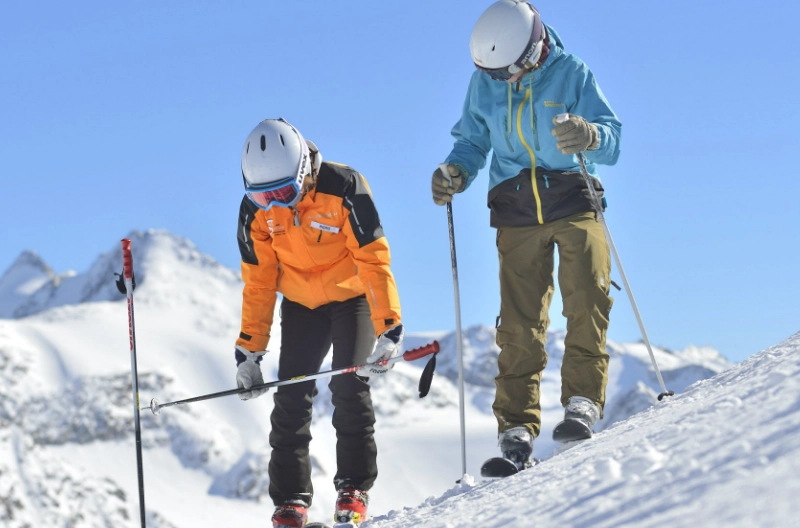
Choosing Where to Learn to Ski
Not all mountains are created equal for beginners. A massive, intimidating resort with no easy terrain is a bad choice for day one.
Look for resorts that pride themselves on beginner facilities. Key things to research:
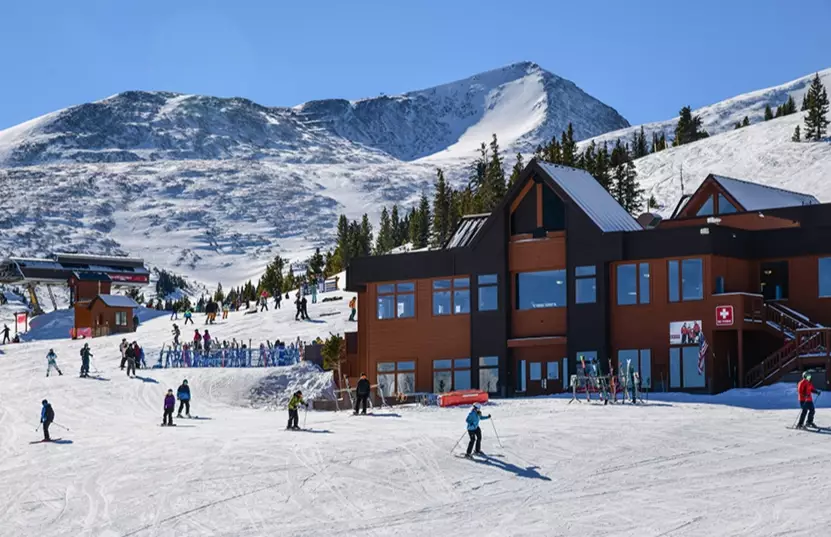
- Dedicated Beginner Area: A separate, gentle slope with its own slow, easy lift (often a "magic carpet" conveyor belt or a slow chairlift).
- Good Ski School Reputation: Read reviews specifically about the learn-to-ski programs.
- "Green Circle" Terrain: These are the easiest runs. Does the resort have a good number of long, wide, gentle greens for you to progress on?
- Logistics: Is parking/lodging close to the beginner area? A long trek in ski boots before you even start is draining.
Some North American resorts famous for their beginner programs include Keystone (Colorado), Whistler's Olympic Learning Area (BC, Canada), and Park City's First Time area (Utah). In the East, places like Smugglers' Notch (Vermont) and Bretton Woods (New Hampshire) are renowned. In Europe, many large resorts like Les Deux Alpes (France) or Söll (Austria) have excellent beginner zones.
Always check the official resort website for their "First Timer" guide. For a comprehensive, unbiased look at terrain difficulty, sites like OnTheSnow provide trail maps and breakdowns.
The Real Cost of Learning to Ski
Let's talk money, because it's a big factor. Skiing isn't cheap, but you can be smart about it.
A typical first-day cost without a package deal might look scary: Full-day lift ticket ($120-$200+), Rental gear ($40-$70), Group lesson ($100-$150), Food ($30). That's $300-$450 for one person for one day. Ouch.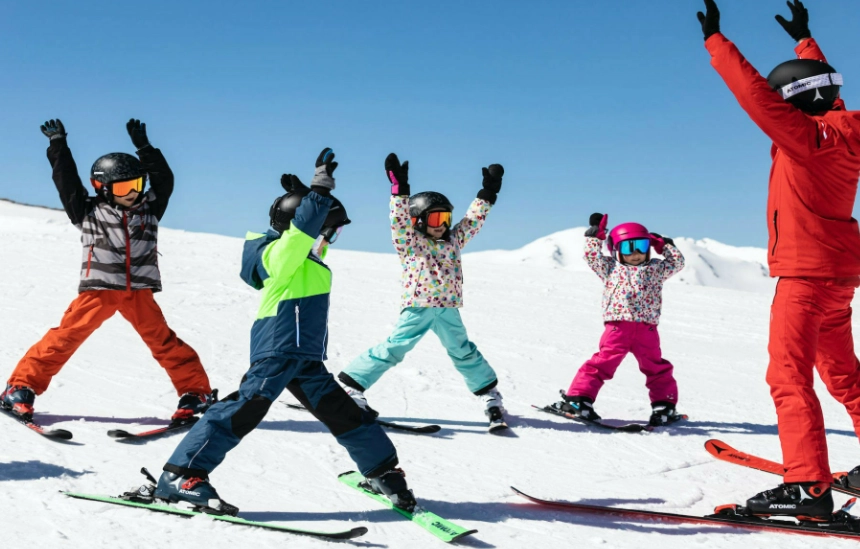
How to save money when you learn to ski:
- Packages, Packages, Packages: I can't stress this enough. Search for "[Resort Name] beginner package."
- Go Mid-Week: Lift tickets and lessons are often cheaper Monday through Friday, and crowds are smaller.
- Look for Early/Late Season Deals: Resorts offer discounts at the very start and end of the season.
- Bring Your Own Lunch: Resort food is pricey. Pack a sandwich and snacks.
- Rent Gear Off-Mountain: Sometimes a rental shop in a nearby town is cheaper than the resort shop, but factor in convenience.
Think of the first season as an investment. If you catch the bug, you'll then know what gear to buy on end-of-season sales, and you can look at season passes for the next year, which drastically reduce per-day costs.
Staying Safe and Comfortable: The Unsexy Essentials
Fun is the goal, but misery is a real risk if you're cold, wet, or hurt. Let's prevent that.
Dressing in Layers
- Base Layer (Wicking): Merino wool or synthetic long underwear. No cotton.
- Mid Layer (Insulating): Fleece or down vest/jacket. Adjust thickness based on weather.
- Outer Layer (Shell): Waterproof and breathable ski jacket and pants.
Sun Protection is a MUST
Sun reflects off the snow, doubling your exposure. You can get a fierce sunburn on a cloudy day.
- High SPF sunscreen (30+) on all exposed skin. Reapply every 2 hours.
- Lip balm with SPF.
- Your goggles protect your eyes, but the skin around them needs coverage too.
Hydration and Fuel
Cold, dry air and physical exertion dehydrate you quickly. Drink water constantly throughout the day. Eat a solid breakfast and keep energy bars in your pocket. Low blood sugar leads to fatigue and poor decision-making.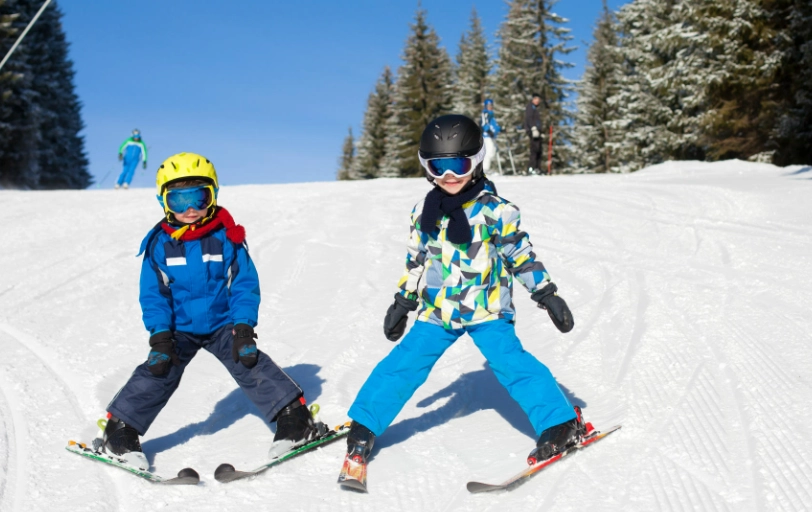
Know Your Limits and the Code
The National Ski Areas Association (NSAA) Responsibility Code is the law of the land. Key points: always stay in control, people ahead of you have the right of way, stop in a visible spot, look uphill before merging. It's about mutual respect and safety.
If you're tired, call it a day. Most beginner falls and injuries happen in the last run of the day when legs are jelly.
Your First Season & Beyond: From Beginner to Skier
Let's say your first day went well. You're hooked. How do you build on that?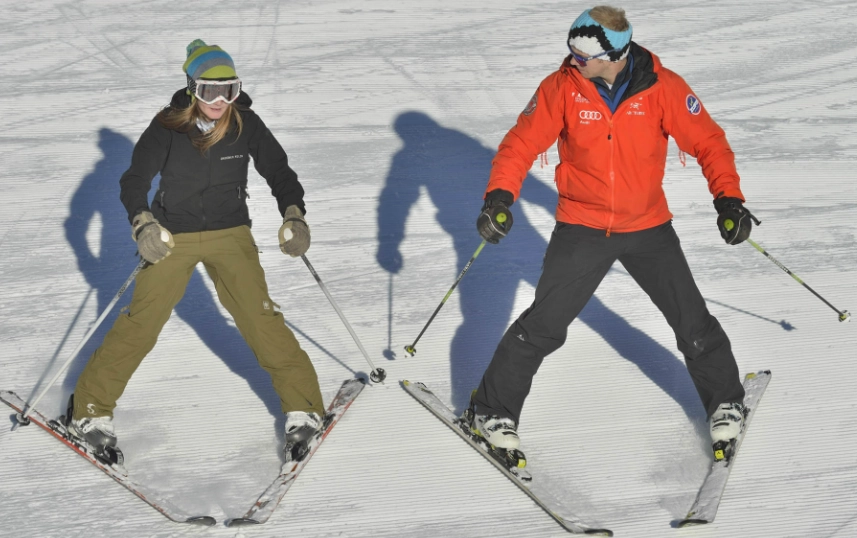
Consistency is Key: Try to go several times in one season, not just once a year. Muscle memory fades. Going two weekends in a row will do more for your progress than two days spread months apart.
Consider a Multi-Week Program: Many resorts offer 4-6 week beginner series. You get the same instructor and group, building skills progressively. It's fantastic for accountability and progress.
When to Buy Gear: Once you've skied 5-10 days and know you love it, start shopping at end-of-season sales (March-April). Get professionally fitted for boots first—visit a specialty boot fitter, not a big-box store. Then look for used or previous-season skis/bindings.
The Next Skills: After linking wedge turns, you'll learn to gradually narrow your wedge into parallel turns, how to ski different snow conditions (groomed, powder, crud), and how to handle steeper terrain. There's always something new to learn, which is the beauty of it.
Frequently Asked Questions (The Real Ones)
No. I've taught people in their 60s and 70s. The key is fitness and attitude, not age. Good overall fitness (especially leg strength and cardio) helps immensely. Start a pre-season workout routine if you can.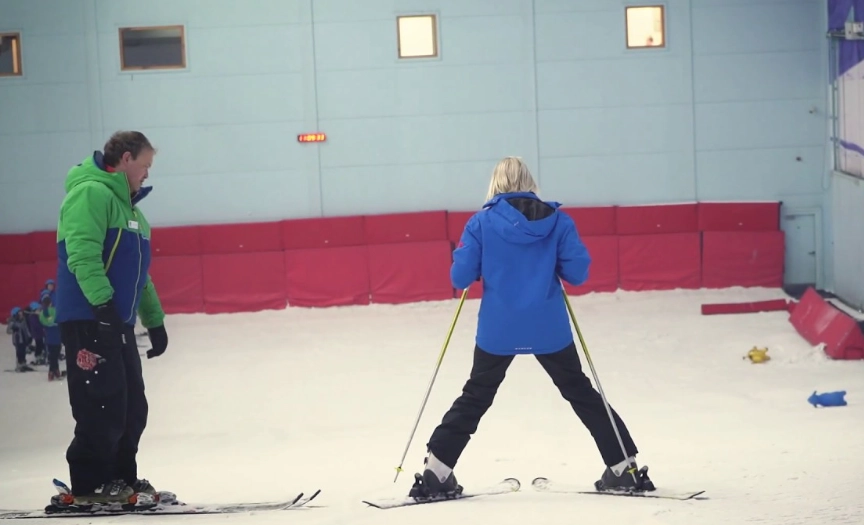
The classic debate. The general consensus: skiing has a gentler initial learning curve but a steeper path to true mastery. Snowboarding has a brutal first 2-3 days (you fall a lot learning to balance and turn) but progression can feel faster afterwards. Try both if you can! Many resorts offer beginner combo packages.
Most people feel comfortable on easy green runs after 2-3 full days of lessons/practice. Feeling confident on a wider variety of blue (intermediate) runs might take 5-10 days of experience.
This is super common. The magic carpet is your friend. Then graduate to a very slow, fixed-grip chairlift. Watch videos online of how to load and unload. Tell the lift attendant it's your first time—they'll slow it down for you. It becomes second nature incredibly fast.
Have an honest talk. Plan to meet for lunch. They should spend the first morning with you in the beginner area, or better yet, encourage you to take a lesson while they do their thing. A good group will support your learning, not drag you onto terrain that terrifies you.