In This Guide
Let's be honest. If you've ever clicked on an article about powder snow, you're probably already hooked. Or you're desperately curious about what the fuss is all about. That feeling of weightlessness, the silent whoosh as you turn, leaving a perfect arc behind you in untouched snow... it's what keeps us checking weather forecasts obsessively and draining our bank accounts on gear and trips. But what exactly is this magical substance, and how do you go from struggling in it to absolutely owning it?
I remember my first real encounter with deep powder. I was a confident skier on groomers, but this was a different beast. I tipped forward, and instead of the familiar hardpack, I just... sank. Flailed, really. It was humbling. Since then, I've been lucky enough to chase powder snow from Japan to the Rockies, making every mistake in the book so you don't have to. This guide is everything I wish I'd known.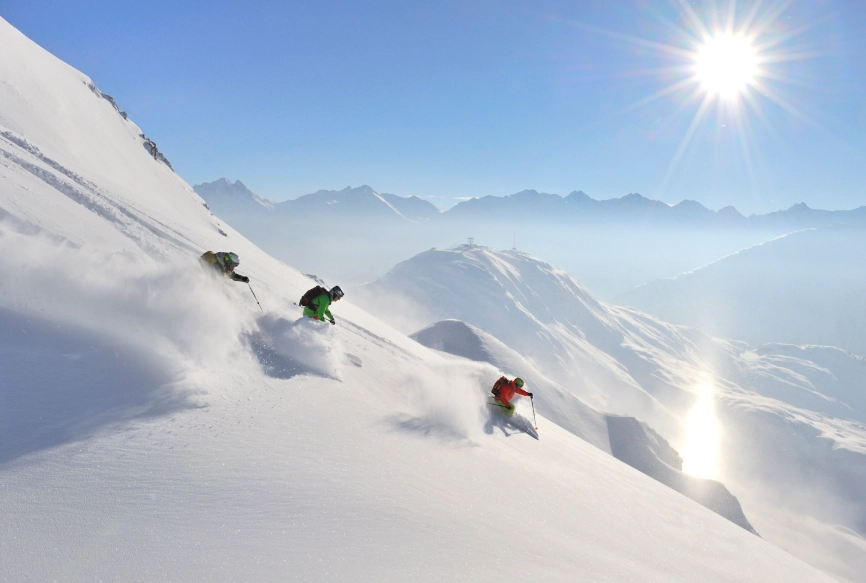
The Science of Fluff: What Makes Perfect Powder?
Not all snow is created equal. The dreamy, waist-deep powder snow you see in videos is a specific recipe. It starts with cold air. Really cold air. When atmospheric temperatures are well below freezing, the snow crystals form as tiny, intricate dendrites—those classic six-sided stars. These crystals have a lot of air trapped between their branches, which is what gives powder its low density and that famous “blower” quality.
Warmer snow forms wetter, denser crystals like plates or columns. That's the heavy, cement-like snow that tires you out by lunch. The magic number for perfect powder is often a temperature below 20°F (-7°C) during snowfall. The National Snow and Ice Data Center (NSIDC) has fascinating resources on snow crystal morphology if you want to go deep down the science rabbit hole.
Wind is the great destroyer. A gentle breeze after a storm can create beautiful wind buff, but strong winds break those delicate dendrites into smaller, rounder grains that pack together, turning champagne powder into wind slab. That's a whole different, and often dangerous, problem.
Water Content is Key
This is the technical measure that separates the good from the legendary. Snow water equivalent (SWE) tells you how much water is in a given volume of snow. Lower water content means lighter, drier snow.
- Heavy/Wet Snow: SWE above 12%. Good for snowballs, bad for effortless turns.
- Average Packed Snow: SWE around 8-10%. Your typical resort base.
- Good Powder: SWE of 5-8%. This is what you hope for on a powder day.
- Champagne/Dry Powder: SWE below 5%. This is the holy grail. The snow is so light it billows up like smoke around your waist. Places like Japan's Hokkaido or Utah's Wasatch Range are famous for this.
So when you hear a forecaster say "10 inches of snow with 0.4 inches of water equivalent," that's a 4% ratio. Get your skis ready.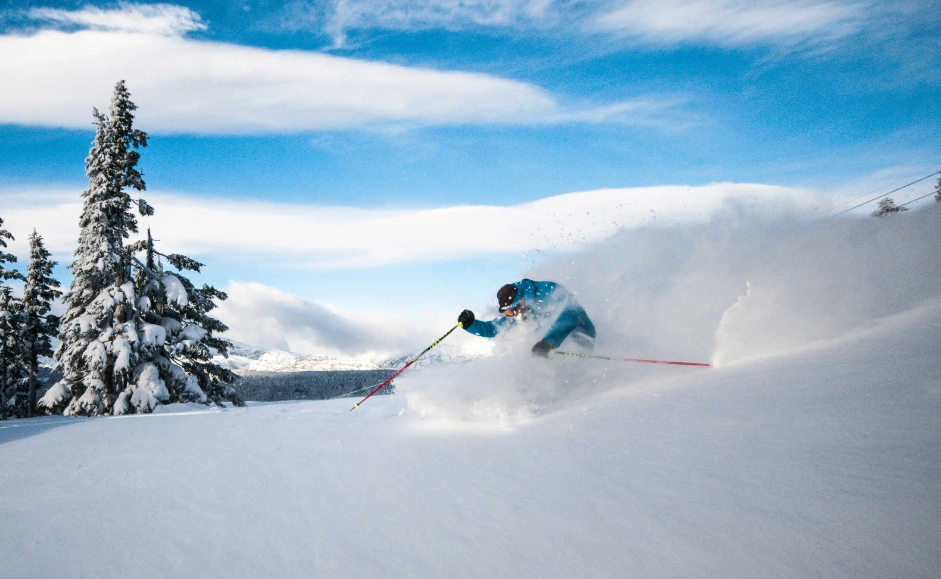
Where in the World Do You Find the Best Powder Snow?
This is the million-dollar question. Consistent, high-quality powder snow requires a specific cocktail of geography and weather: cold storms, moisture sources, and the right terrain to preserve it. Some places just win the lottery.
I've skied a lot of them, and some definitely live up to the hype more than others. Here’s a breakdown of the heavyweights, based on consistency, snow quality, and overall experience.
| Destination | Known For | Snowfall (Avg. Annual) | Best For | The Vibe |
|---|---|---|---|---|
| Hokkaido, Japan | Incredibly light, dry powder ("Japow"), frequent storms. | 450-600 inches | Tree skiing, deep days, cultural experience. | Unique, respectful, incredible food. Can be crowded at major resorts. |
| Wasatch Range, Utah, USA | The "Greatest Snow on Earth." Consistently dry powder. | 500+ inches | Accessible resort and backcountry, variety of terrain. | Classic ski town feel (Park City, Alta). Big resorts can get tracked fast. |
| Interior British Columbia, Canada | Deep snowpack, legendary heli-skiing, and cat skiing. | 400-700 inches | Expert terrain, adventure, untouched lines. | Rugged, wild, and expensive. For the committed powder hound. |
| The Alps (Specific Valleys) | High-altitude powder, dramatic terrain, long seasons. | 250-400 inches | Steep couloirs, alpine bowls, après-ski culture. | Can be variable—great when it's on, but snow quality can be heavier than North America/Japan. |
| Alaska, USA | Steep, big-mountain lines and late-season stability. | 300-600 inches (highly variable) | Experts, heli-skiing, spring skiing. | The final frontier. Logistics are complex and weather-dependent. |
My personal dark horse? The Monashee and Selkirk ranges in BC. They don't always get the headlines of Whistler, but the snow is deep, the crowds are thinner, and the cat-skiing operations are world-class. It feels more like an adventure.
How to Actually Ski Powder Snow (And Not Face-plant)
This is where most people get frustrated. You're good on groomers, you drop into deep powder snow, and suddenly you're doing a submarine impression. The technique is fundamentally different.
The biggest mental shift? You need to un-weight your skis or board, not drive them. On hardpack, you pressure the edge to carve. In powder, you're more like a boat planeing on water. You need to stay centered or even slightly back (controversial, I know, but initially true) to keep your tips up.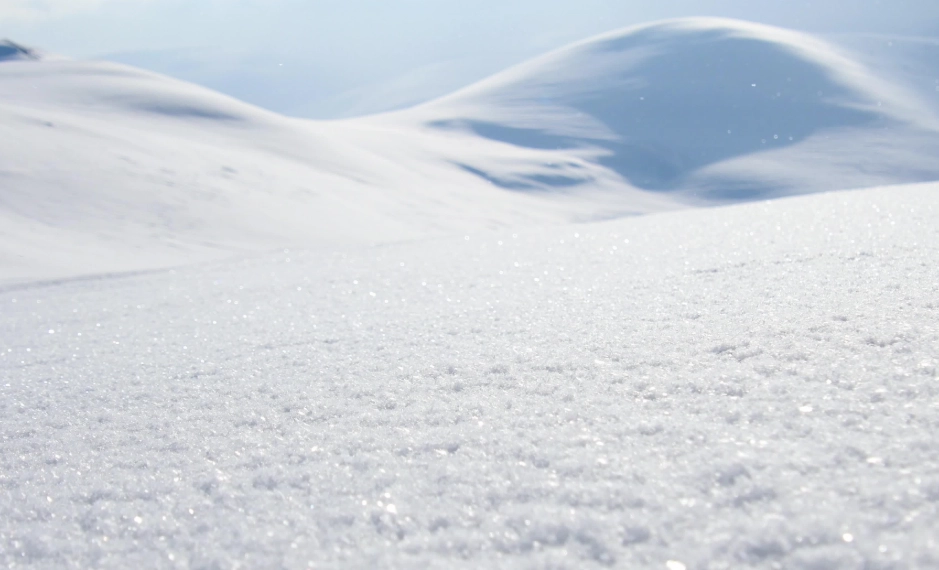
The Powder Turn Blueprint
- The Stance: Widen your stance a bit for stability. Get low and athletic in your legs, but keep your torso more upright. Imagine you're sitting in a slight chair.
- Initiation: Start your turn with a gentle leg rotation and a little hop or rebound from your last turn. Don't try to pivot your skis sharply.
- The Float: As you come across the fall line, let the snow push back against your skis. Extend your legs slightly to maintain buoyancy. This is the feeling of floating.
- Completion & Rebound: Finish the turn by absorbing the pressure with your knees, which will naturally give you a pop to start the next turn. It's a rhythmic, up-and-down motion.
For snowboarders, it's about setting your stance back on the board (setback stance) and really leaning into that back foot to keep the nose up. Initiate turns from your front foot, but control the board with your back foot. It's a surfy, drawn-out feel.
What's the most common mistake? Leaning back in panic and getting stuck in the "backseat." You'll lose all steering control. Stay centered over your feet, even if it feels wrong at first.
The Gear You Absolutely Need (And What's Overhyped)
Gear marketing will have you believe you need the latest everything to ski powder. Not entirely true. You do need a few key things, but you can be smart about it.
Skis or Snowboard: The Most Important Choice
This is non-negotiable. For powder snow, you want something with rocker (early rise tip and often tail). The rocker lifts your tips and tails out of the snow, making it exponentially easier to initiate turns and stay afloat. Width matters too. A waist width of 100mm-120mm underfoot is the sweet spot for most powder skis. Wider than 120mm is for the deepest days but can be a chore on anything else.
My first powder skis were too stiff and not rockered enough. It was like trying to steer two submarines. When I finally got a proper pair (with rocker and a 108mm waist), it felt like cheating in the best way possible.
Other Essentials
- Bindings: Set them correctly. Some people even dial down the DIN a notch in deep snow to prevent knee-twisting injuries from slow, twisting falls.
- Poles: Get powder baskets. Those tiny little baskets will sink, leaving you with no support. Big, saucer-sized baskets are a $20 upgrade that makes a massive difference.
- Goggles: Low-light lenses. Powder days are often storm days. Rose, amber, or persimmon lenses will save your vision when the light is flat.
- Clothing: Waterproof is key. That light, dry powder snow will melt and soak you if your gear isn't up to snuff. Vents are your friend—you'll work up a sweat.
The Dark Side: Powder Snow Safety and Hazards
This is the part we don't like to talk about, but we must. Powder snow, especially in the backcountry, can be deadly. The euphoria of a perfect run can cloud judgment.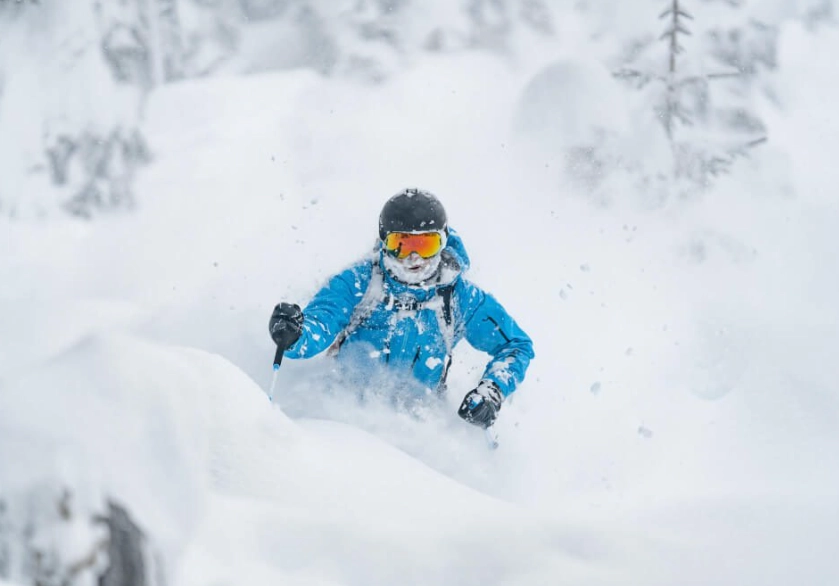
Avalanches are the obvious threat. New snow overloads weak layers in the old snowpack. Most avalanche fatalities happen during or just after big storms—prime powder time. You must check the forecast from your local avalanche center (like the Utah Avalanche Center or Avalanche Canada) every single day. Don't just look at the danger rating; read the forecast discussion.
Then there are tree wells. This is a terrifying and often overlooked danger. When snow accumulates around the base of a tree, it creates a deep, hollow pit. If you fall into one headfirst, especially alone, you can become trapped and suffocate in minutes. Always ski with a partner in tree-covered powder areas and keep them in sight.
Deep powder snow also hides terrain features—rocks, stumps, creeks. What looks like a smooth pillow could be hiding anything. Know your line or go slow to scope it out.
It sounds grim, but managing these risks is what allows you to enjoy powder skiing for a lifetime. Respect the mountains.
Powder Snow FAQs: Answering Your Real Questions
Let's tackle some of the specific things people type into Google.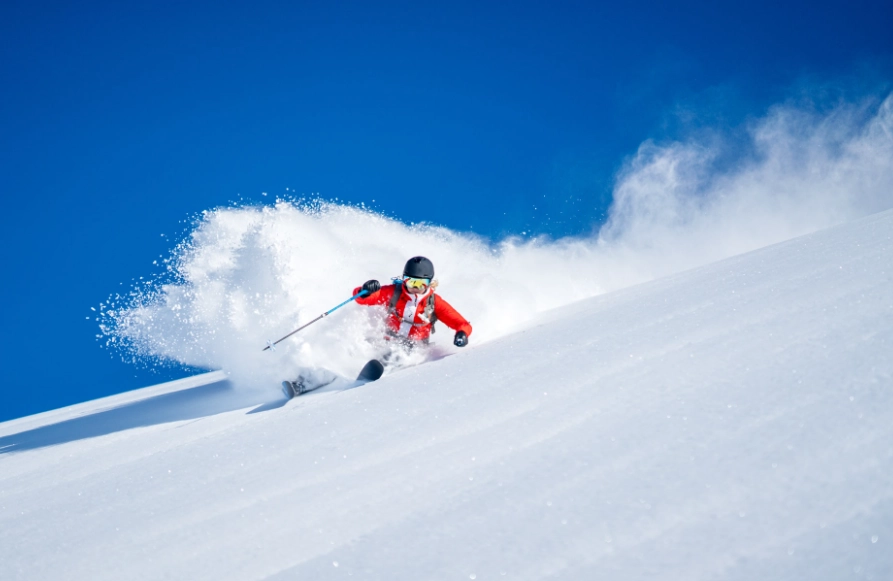
What's the best time of year for powder snow?
It depends entirely on the region. For most of North America and the Alps, the heart of winter (January-February) is coldest and often has the driest snow. However, storms can be huge in late fall (November) and spring (March-April). Spring powder can be heavier but often comes with better weather and stability. In Japan, the peak is January and February.
How do I find fresh powder snow after a storm?
Get up early. Like, first-chair early. In resorts, head to the highest, north-facing slopes that were closed during the storm. Learn the lift system to traverse to less-accessed areas. Or, hike for 20 minutes beyond a lift line—most people won't bother. In the backcountry, you need the skills and partners to safely access untouched zones.
Is powder skiing harder than regular skiing?
It's different. If you're a solid intermediate on groomed runs, you have the base skills. The first few runs will feel awkward and exhausting. Your legs will burn. But once the technique clicks—usually within a day or two—it becomes easier in many ways. The snow is forgiving, there's no ice to catch an edge on, and the rhythm is addictive.
Do I need a guide for powder skiing?
For the backcountry, 100% yes, unless you are highly experienced and with equally experienced partners. A certified guide from a reputable service (look for IFMGA/UIAGM certification) knows the terrain, the snowpack, and how to find the best snow. For in-bounds skiing, a lesson focused on powder can accelerate your learning curve dramatically. It's worth the money.
So, where does that leave us? Chasing powder snow is a journey. It's about understanding the weather, honing a specific skill, having the right tool for the job, and above all, respecting the environment that produces this fleeting magic. It's frustrating, expensive, physically demanding, and sometimes scary.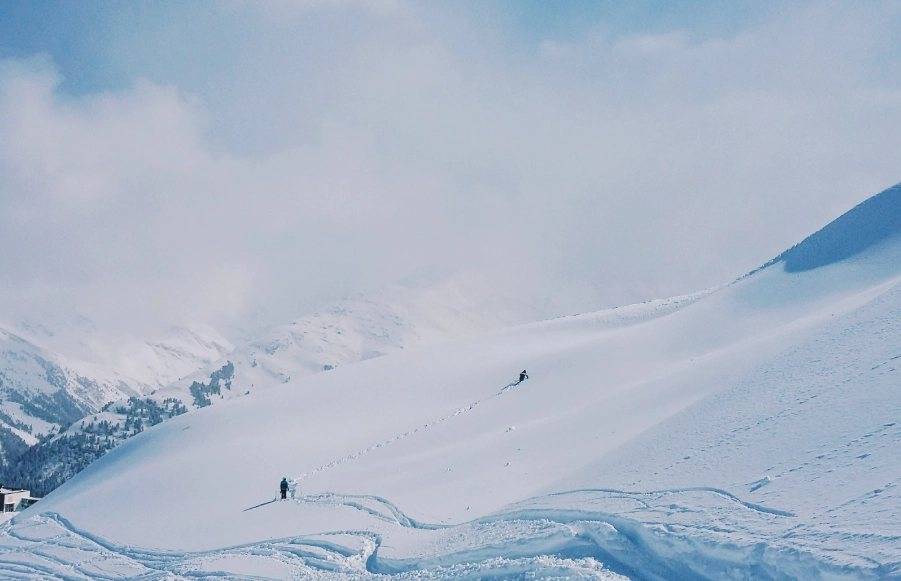
Start with a lesson on your next resort powder day. Rent some proper powder-specific equipment. Feel that first floaty turn. You'll get it. And then you'll be hooked, just like the rest of us, forever checking the forecast and dreaming of the next storm.