What You'll Learn in This Guide
If you've ever felt wobbly on skis, struggled to turn smoothly, or ended the day with aching legs, your body position might be the culprit. I've been skiing for over a decade, and as an instructor, I've seen the same issues trip up beginners and intermediates alike. It's not just about strength or gear—it's how you hold yourself. Get your stance right, and everything else falls into place: better control, more speed, less fatigue. Let's break it down without the jargon.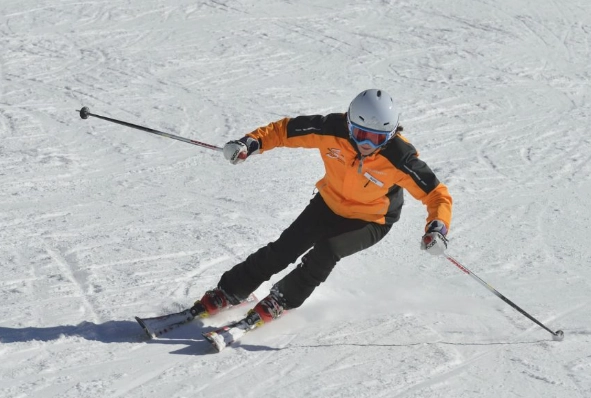
Why Body Position is Everything in Skiing
Think of your body as the control center for your skis. A good posture lets you transfer weight precisely, engage edges effectively, and absorb bumps effortlessly. According to the Professional Ski Instructors of America (PSIA), proper alignment reduces injury risk and improves performance. But here's a non-consensus point: many skiers focus too much on their upper body, neglecting the foundation. Your feet and legs do 80% of the work; the rest is just balance. I've watched skiers with fancy equipment still struggle because they're stiff as a board. It's not about being perfect—it's about being dynamic.
The Building Blocks of an Effective Ski Stance
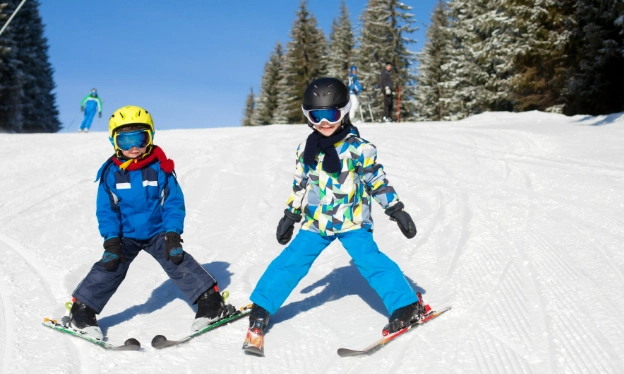
Start from the ground up. A solid skiing stance isn't one static pose; it's a ready, athletic position that adapts.
Start from the Ground Up: Your Feet and Ankles
Your boots are your connection to the skis. Keep your feet flat inside the boots, with weight evenly distributed. Avoid rolling onto your edges off the snow—that happens later. A common mistake is gripping with your toes, which tenses your calves. Instead, press your shins gently into the front of the boots. This forward pressure helps steer the skis. I tell students to imagine they're wearing sneakers on a balance beam: relaxed but engaged.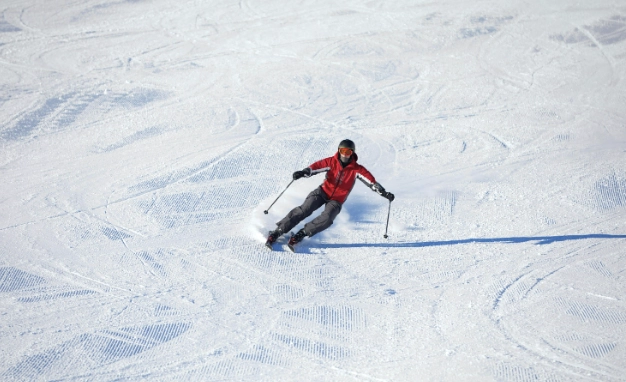
The Power Zone: Knees and Hips
Bend your knees, but not too much. Aim for a flex that feels like you're about to jump, not squat. Your hips should be over your feet, not behind them. This "athletic stance" keeps you centered. If your quads burn quickly, you're probably sitting back. I learned this the hard way during a long run—my legs gave out because I was fighting gravity instead of working with it. Hips forward, knees soft, and always ready to move.
Staying Stacked: Shoulders, Arms, and Head
Your upper body should face downhill, with shoulders level and relaxed. Hold your poles loosely, pointing backward. A trick: keep your hands in front of your body, like you're holding a tray. This prevents arm flailing. Your head up, looking ahead, not at your skis. It sounds simple, but when I first skied, I stared at my tips and constantly over-rotated. Trust your peripheral vision.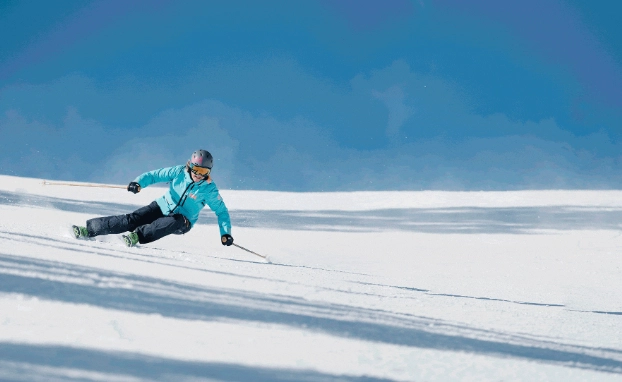
Quick Check: Stand in your skiing stance off the snow. Can you bounce lightly without losing balance? If yes, you're on the right track. If not, adjust until you feel springy and stable.
Three Body Position Mistakes That Hold Skiers Back (And How to Fix Them)
These errors are so common they're almost universal. Spotting them early saves frustration.
| Mistake | Why It Happens | How to Fix It |
|---|---|---|
| Leaning Back (The "Backseat Driver") | Fear of speed or steep slopes pushes weight away from ski tips. | Focus on shin pressure; practice on gentle terrain by making small turns while keeping belly button over toes. |
| Stiff and Rigid Posture | Trying too hard to control, leading to locked joints. | Relax your joints; think "soft knees" and allow your body to flow with the terrain. Shake out your arms occasionally. |
| Over-rotating the Upper Body | Using shoulders to initiate turns instead of legs. | Keep shoulders facing downhill; use pole plants as a cue to turn with your feet and hips. |
I've coached skiers who fixed just one of these and instantly felt more confident. The backseat issue is the worst—it turns skiing into a leg-burning chore. A student of mine, Sarah, struggled with it for years until she visualized pushing her knees forward. Now she carves like a pro.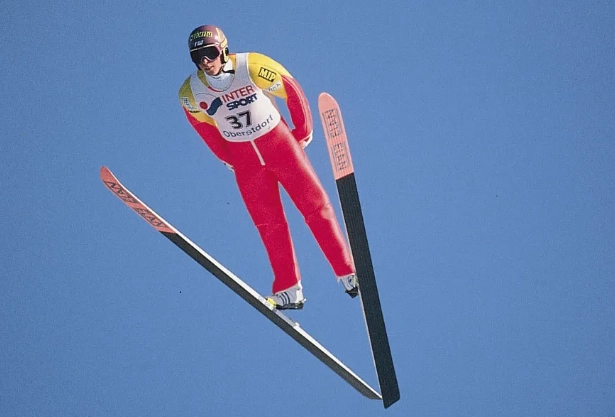
Practical Drills to Ingrain the Perfect Posture
Theory is fine, but muscle memory comes from practice. Try these on a easy green run first.
Drill 1: The Javelin Turn – Hold your poles horizontally in front, like holding a javelin. This locks your upper body facing downhill, forcing your legs to do the turning. It feels awkward at first, but it teaches separation between upper and lower body. I use this with intermediates who rely too much on their shoulders.
Drill 2: Skiing with Hands on Hips – Place your hands on your hips while skiing. This eliminates arm movements and promotes core engagement. You'll notice if you start to twist. Do it for a few turns, then go back to normal—you'll feel more stable.
Drill 3: The Bounce Test – On a flat area, get into your stance and bounce lightly on your skis. Can you maintain balance? This builds dynamic flexibility. If you can't bounce without wobbling, your stance is too rigid or off-center.
Assume you're on a gentle slope: start with javelin turns, then switch to hands on hips for a run. Mix it up. The goal isn't perfection but awareness. I spent a whole day doing these drills early in my skiing journey, and it cut my learning curve in half.
Adapting Your Stance for Different Terrain and Conditions
Your body position isn't fixed—it shifts with the snow and slope.
On Icy or Hardpack Snow: Adopt a more aggressive forward stance. Press your shins harder into the boots to engage edges for grip. Keep your weight centered but ready to adjust quickly. I've seen skiers slip out because they stayed too upright.
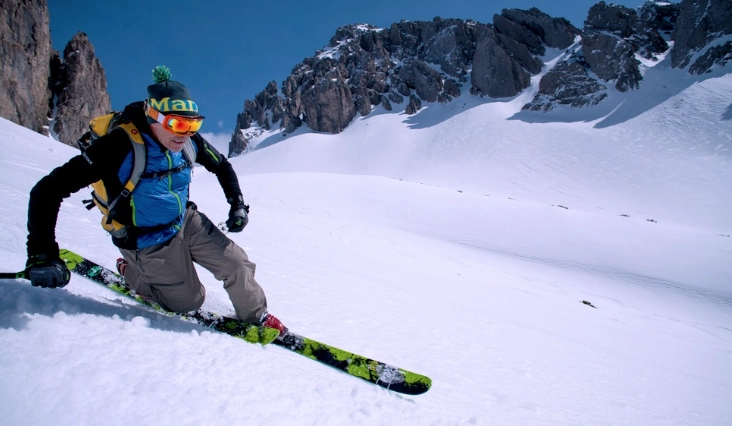
In Powder or Deep Snow: Sit back slightly—not fully in the backseat, but with weight more evenly distributed or a bit aft to keep ski tips up. Bend your knees deeply to absorb the float. It's like riding a wave; stay loose and let the skis plane.
In Moguls or Bumpy Terrain: Shorten your stance slightly, with knees acting as shock absorbers. Keep your upper body quiet and facing downhill, using your legs to pivot through bumps. A common error is stiffening up, which jars your spine. I learned this from a veteran skier who made moguls look easy by staying fluid.
Refer to resources like the International Ski Federation (FIS) for safety guidelines, but trust your feel. Conditions change, and so should you.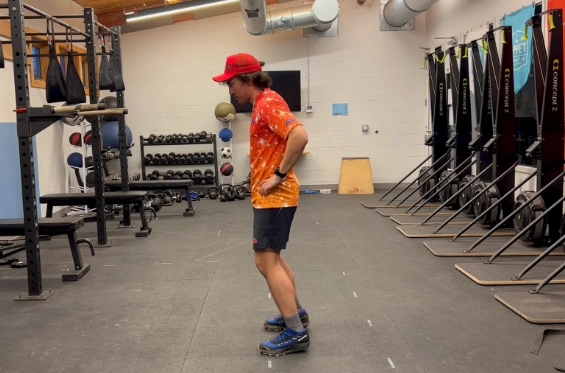
Frequently Asked Questions About Skiing Body Position
Body position for skiing isn't a one-size-fits-all rule. It's a skill you refine over time. Start with the basics, drill the mistakes away, and adapt to the mountain. I still tweak my stance every season—it keeps things fresh. Remember, good posture feels effortless when it clicks. Now get out there and ski with intention.