We all chase that perfect run—the untouched powder, the crisp air, the feeling of flying. But I've seen too many days ruined, or worse, ended in the patrol sled, because someone overlooked a simple safety step. Ski safety isn't about fear; it's about freedom. It's the knowledge that lets you push your limits without crossing the line into danger. This isn't a list of obvious rules. This is the accumulated wisdom from two decades of guiding, instructing, and watching what actually goes wrong on the mountain.
What You'll Learn in This Guide
The Pre-Flight Gear Check Most Skiers Ignore
You rented your skis, you have a helmet, you're good to go, right? Wrong. The gear check is where safety is won or lost before you even click in.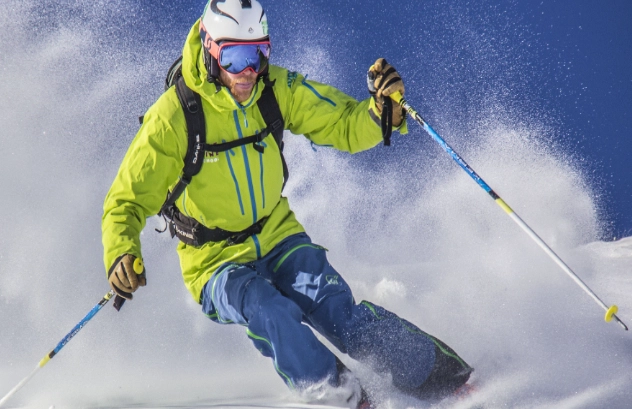
Bindings: The Silent Saboteur
This is the single biggest technical failure I see. Bindings are not "set and forget." Springs fatigue. Plastic housings warp. A binding that's too tight won't release in a fall, potentially shredding your knee. One that's too loose might eject on a casual turn. Get them professionally checked every single season. Tell the tech your accurate weight, boot sole length, and honest skiing ability. That "DIN" setting isn't a macho number—it's a calculated release value based on an ASTM standard.
Pro Tip: When renting, don't just say you're an "intermediate." Describe your typical run: "I comfortably ski blue groomers but get nervous on steep moguls." This gives the rental tech a much better picture for setting your bindings.
Helmets: They Have an Expiration Date
Yes, really. The foam liner that absorbs impact degrades over time, typically after 3-5 years of regular use. Check the manufacture date inside the helmet. Also, a helmet must fit snugly. If you can shift it side-to-side or front-to-back easily with the strap undone, it's too big. After any significant impact, even if it looks fine, replace it. The structural integrity is likely compromised.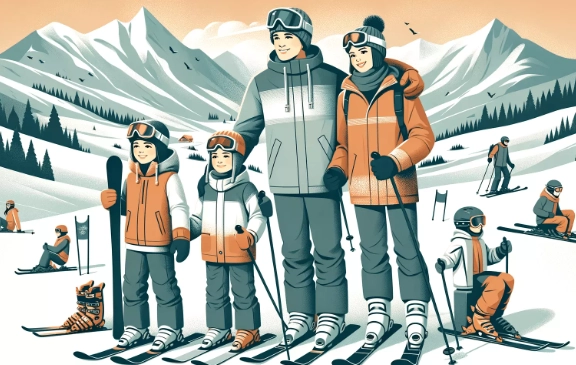
The Rest of Your Kit
- Goggles: Two lenses are ideal: a low-light lens for flat/stormy days and a sunny day lens. Squinting down a run because you can't see contours is a direct ticket to a crash.
- Boots: Buckle them consistently every time. A loose top buckle drastically reduces your control and edge response.
- Poles: Check the baskets. Missing or broken baskets offer no resistance in powder, causing you to over-balance forward.
Slope Etiquette That Actually Prevents Collisions
The National Ski Areas Association's "Your Responsibility Code" is the law of the land for a reason. But people recite it without understanding the physics behind it.
The skier or rider ahead of you always has the right of way. Why? They can't see you. You are responsible for avoiding everyone downhill. This means actively planning your path, not just reacting. Look two or three turns ahead.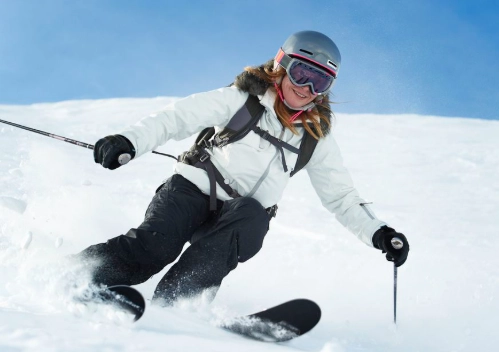
When starting downhill or merging onto a trail, look uphill and yield. It's shocking how many people just push off without a glance.
The Most Dangerous Spot on the Mountain: It's not the double-black diamond. It's the flat, crowded area at the base of a lift or near a lodge, where beginners, experts, and everyone in-between are converging at different speeds with no clear direction. Here, you must ski as if you're in a parking lot—slow, predictable, and hyper-aware.
Stop only where you are visible from above and not in the middle of a trail. Just off to the side, below a roll, is a death trap for you and the skier coming over the hill.
Navigating Terrain and Weather: The Hidden Variables
This is where textbook advice meets reality. Conditions change everything.
Reading the Snow and Pitch
Ice, crud, heavy powder, corn snow—each demands a different technique. On ice, you need sharp edges and a firm, committed turn. In deep powder, you must sit back slightly and let the skis plane. Trying to muscle through crud with groomer technique will exhaust you and lead to mistakes. If you're on a run and the snow condition is beyond your skill, there's no shame in sidestepping down a section or even taking your skis off. I've done it.
The Off-Piste Mindset
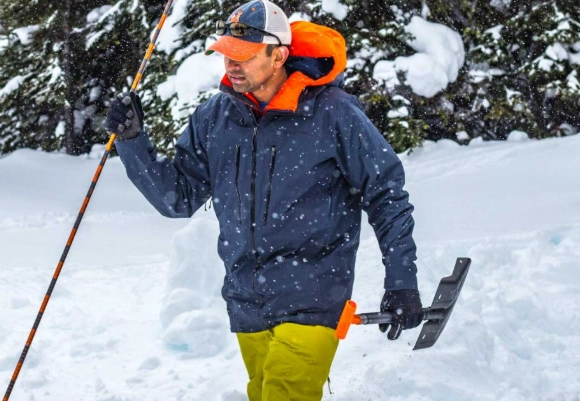
Leaving the marked resort boundary is a different sport. The risks multiply: avalanches, tree wells, hidden obstacles. Never go alone. You need the right gear—transceiver, shovel, probe—and the training to use it. An avalanche beacon in your backpack is a paperweight if you don't know how to perform a search. Consider a guide for your first forays. They know the terrain's history and current stability.
Weather's Impact on Your Senses
Flat light on a cloudy day destroys depth perception. You cannot see bumps or changes in pitch. Your only safe move is to slow down and stick to trails you know intimately. In a white-out storm, follow the trail markers religiously. It's incredibly easy to get disoriented and ski into a closed area.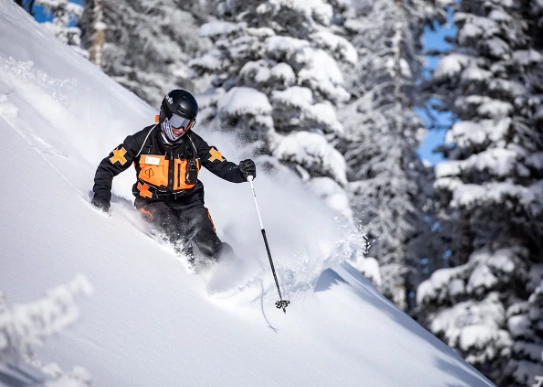
Your Personal Emergency Plan (Before You Need It)
Hope for the best, plan for the worst. A little forethought turns a crisis into a manageable situation.
- Know the Number: Save the ski patrol's direct number for the resort you're at in your phone. It's usually on the trail map.
- Location, Location, Location: If you need to call for help, can you describe where you are? "Near a tree" isn't enough. Note the nearest trail sign, lift tower number, or distinctive landmark. Many resort apps now have GPS location sharing.
- The Buddy System Protocol: When skiing with others, agree on meeting points at the bottom of each lift or run if you get separated. Decide what "waiting" means—is it 5 minutes or 15? For kids, bright, unique clothing is a must for quick visual identification.
- Basic First Aid: A small pack with a space blanket, some bandaids, and an energy bar is lightweight but can be a huge comfort if you're waiting for patrol or helping someone else.
I once spent an hour helping a skier with a broken wrist stay warm while we waited for patrol in a biting wind. That space blanket was worth its weight in gold.
Your Ski Safety Questions, Answered
Safety is the foundation of great skiing. It's not a restriction; it's what gives you the confidence to explore, improve, and truly enjoy every moment on the mountain. Check your gear, know the code, respect the conditions, and have a plan. Then go out and make those perfect turns.