Inside This Guide
You typed that question into Google, didn't you? Maybe you caught a glimpse of it during the last Winter Games, that wild mix of cross-country skiing and precision rifle shooting, and it stuck in your head. Now you're planning your viewing for the next Olympics, or maybe you're just curious, and the thought pops up: wait, is biathlon still in the Olympics? Did they get rid of it?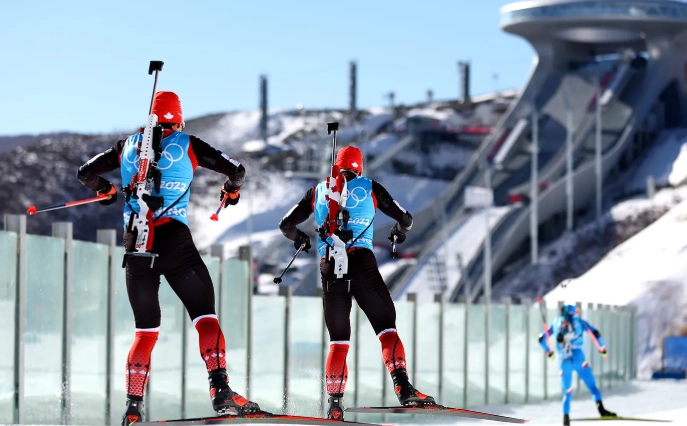
Let me cut to the chase right away, because I hate it when articles bury the lead.
But that just opens up a whole other set of questions, doesn't it? If it's so secure, why do people even ask? What's the big deal about this sport? I remember the first time I sat down to watch it properly. I was expecting something slow, maybe a bit niche. Boy, was I wrong. The sheer tension of watching an athlete's heart rate skyrocket from a brutal ski climb, then having to calm it all down instantly to hit a target the size of a grapefruit from 50 meters away... it's unreal television. It's like someone combined a marathon with a game of chess while under sniper fire. No other sport does that.
So, this article isn't just a one-word answer. We're going to dig into everything that makes people ask "Is biathlon still in the Olympics?" in the first place. We'll look at its rocky but fascinating road to the Games, break down exactly what goes on in a race, and talk about why it's not going anywhere. We'll also tackle all those follow-up questions you probably have.
What Even Is Biathlon? A Quick Primer
Before we dive into its Olympic journey, let's make sure we're all on the same page about what biathlon actually is. At its simplest, it's a winter sport that combines cross-country skiing (for endurance and speed) with rifle shooting (for precision and calm under pressure). Athletes ski a looped course, stop at a shooting range, shoot at targets, and then ski some more. Miss a target, and you get a penalty—usually skiing a short penalty loop or having time added.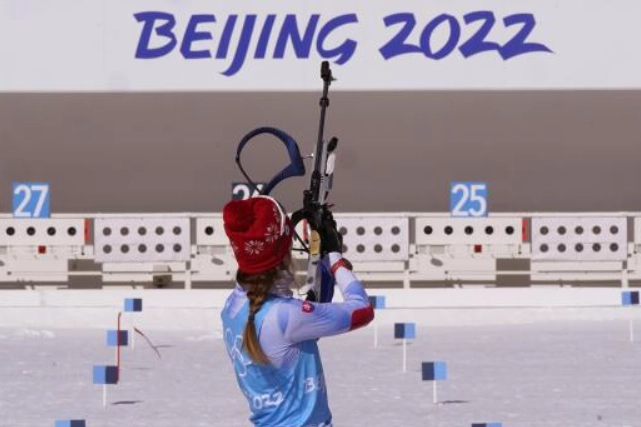
The contrast is the whole point. It's a brutal physical puzzle. Your body is flooded with lactic acid, your lungs are burning, and then you have to become a statue, control your breathing, and squeeze a trigger with perfect steadiness. It's this insane Jekyll and Hyde act that makes it so compelling to watch. One minute they're animalistic engines of power, the next they're zen masters.
There are several different formats, which keeps things interesting:
Pure, unadulterated speed. It's over before you know it, and every second counts.
The ultimate test of consistency. A single missed shot can ruin your day. It's a strategic marathon.
Drama incarnate. You can literally watch athletes hunting each other down. The head-to-head tension is unbeatable.
My personal favorite. The pack skiing, the elbows, the pressure of everyone being right there. It's glorious chaos.
Team event! Four athletes per team. Three spare rounds per shooting bout; if you still miss, you ski a penalty loop.
Pure, patriotic nail-biting. One teammate can have a nightmare, and another can pull off a miracle comeback. The team dynamics are everything.
Two women and two men per team. A newer, fan-friendly event that's quickly become a highlight.
Adds a great strategic layer and showcases both the men's and women's fields equally. It's a perfect modern addition.
| Event Name | The Gist of It | Why It's Cool (My Take) |
|---|---|---|
| Sprint | Short, fast, and furious. One shooting bout (prone), one (standing). Misses mean penalty loops. | Pure, unadulterated speed. It's over before you know it, and every second counts. |
| Individual | The classic test. Longest distance. Four shooting bouts. Each missed target adds one minute to your time—a huge penalty. | The ultimate test of consistency. A single missed shot can ruin your day. It's a strategic marathon. |
| Pursuit | Start times are based on your Sprint finish. Chase the person ahead of you! Four shooting bouts. | Drama incarnate. You can literally watch athletes hunting each other down. The head-to-head tension is unbeatable. |
| Mass Start | Everyone starts together, like a running race. Chaotic, physical, and unpredictable. Four shooting bouts. | My personal favorite. The pack skiing, the elbows, the pressure of everyone being right there. It's glorious chaos. |
| Relay | Team event! Four athletes per team. Three spare rounds per shooting bout; if you still miss, you ski a penalty loop. | Pure, patriotic nail-biting. One teammate can have a nightmare, and another can pull off a miracle comeback. The team dynamics are everything. |
| Mixed Relay | Two women and two men per team. A newer, fan-friendly event that's quickly become a highlight. | Adds a great strategic layer and showcases both the men's and women's fields equally. It's a perfect modern addition. |
See? It's not just one thing. There's a format for every kind of sports fan. If you like raw speed, watch the Sprint. If you like long-form strategy, the Individual is your jam. If you thrive on head-to-head drama, you can't beat the Pursuit or Mass Start.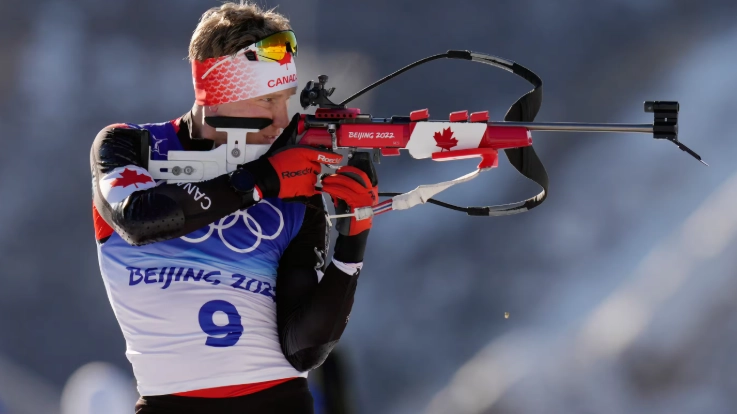
The Olympic Story: How Biathlon Earned Its Stripes
To understand why the question "Is biathlon still in the Olympics?" feels a bit silly to fans, you need to know its history. It wasn't always this secure. Its path to the Games was, frankly, a bit of a slog.
The sport's roots are ancient—think military patrols and Nordic hunting. But as a modern competitive sport, it took shape in the early 20th century. The first hint of Olympic inclusion was… weird. In 1924, at the very first Winter Olympics in Chamonix, there was an event called "Military Patrol." It was basically biathlon's rough, heavily-armed grandfather: teams of four skied with packs and rifles, did some shooting, and even had a bit of a simulated mountain rescue. It was a demonstration sport, not for medals, but it planted the seed.
Then, nothing. For decades.
Olympic Debut: Biathlon finally became a permanent Olympic medal sport for men in 1960 at the Squaw Valley Games. The women had to wait much, much longer—until 1992 in Albertville. That long gap tells you something about the historical pace of change in the Olympic movement.
For a long time, it was seen as a very European, very niche sport. The early Olympic competitions had far fewer events, and the equipment was clunkier. The rifles were heavier, the skiing technique was different. I've watched old footage, and it feels like a different world compared to the sleek, high-speed spectacle it is today.
So why the doubt in people's minds? I think a few things feed into it. First, it's a sport with a very specific, high barrier to entry. You need snow, ski trails, a shooting range, and specialized .22 caliber rifles. You can't just go out in your backyard and play biathlon (unlike, say, basketball or soccer). This makes it less visible in everyday life for people in many countries, especially non-winter ones. Out of sight, out of mind.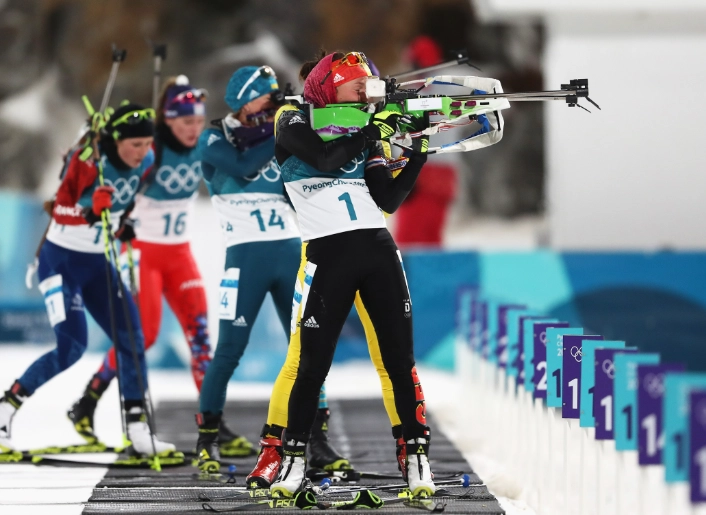
Second, the Olympics do sometimes drop sports. They retired sports like ski ballet (yes, that was a thing) and have demoted others. People see that and wonder if any sport with lower global participation is at risk. Third, and this is a bit cynical, but some folks might hear "shooting" and get unnecessarily worried about its place in modern times, even though it's one of the most strictly controlled and safety-conscious environments imaginable.
Biathlon's Olympic Status Today: Rock Solid
Let's get into the current facts. As of today, and for the foreseeable future, biathlon is an integral part of the Winter Olympics. The evidence is overwhelming.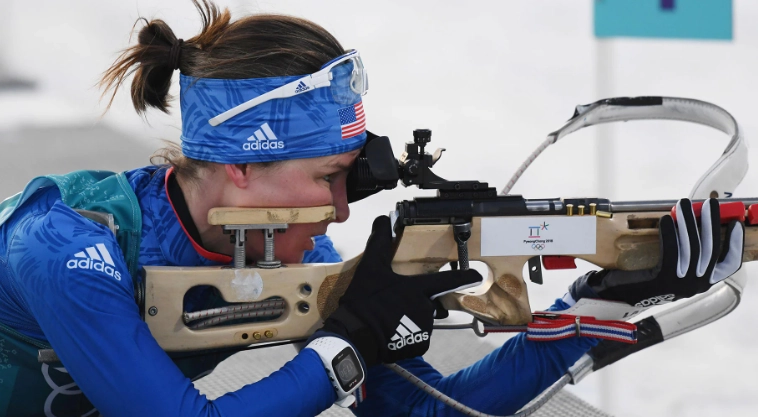
The governing body, the International Biathlon Union (IBU), is in good standing with the International Olympic Committee (IOC). The sport consistently delivers high television ratings, especially in Europe where it's a colossal deal. Nations like Norway, Germany, France, and Sweden are powerhouses, but the field is broadening with strong athletes from the USA, Canada, and even countries like China investing heavily.
The Olympic program has actually expanded. Remember that Mixed Relay event I mentioned in the table? That was added to the Olympic program for the 2014 Sochi Games. The IOC doesn't add new events to sports they're thinking about cutting. They add events to sports that are popular, deliver audience engagement, and promote gender equality. The Mixed Relay ticks all those boxes.
So, to be perfectly clear: Is biathlon still in the Olympics? Not only is it in, it's thriving.
Look at the most recent Winter Games. At Beijing 2022, there were 11 gold medals awarded in biathlon (across men's, women's, and mixed events). The venues were packed (within pandemic limits), the broadcasts were slick, and the stories were incredible. Who could forget the sheer dominance of Norway's Johannes Thingnes Bø, or the dramatic relay wins? The sport provided some of the most memorable moments of those Games.
The schedule for the next Winter Olympics, 2026 in Milano Cortina, already includes biathlon as a core sport. You can check the official Milano Cortina 2026 website—it's listed right there. The events will be held in Anterselva/Antholz, a legendary biathlon venue in the Italian Alps. They're not prepping a world-class venue for a sport on the chopping block.
Why It's Not Going Anywhere: The Secret Sauce
Let's talk about why biathlon's Olympic seat is so warm. It's not an accident.
- Unforgettable Television: The format is a TV producer's dream. You have natural breaks (the shooting), built-in drama (the penalty loops), easy-to-understand stakes (hit or miss), and gorgeous outdoor scenery. The tension is palpable even through a screen.
- Global (Enough) Appeal: While Europe is its heartland, the sport has genuine global reach. Over 40 countries have National Federations in the IBU. Athletes from six different continents have competed at the World Cup level. The IOC loves sports that have at least a foothold worldwide.
- Clean(er) Image: Following some dark periods, the IBU has invested heavily in a robust anti-doping program. Maintaining the trust of the IOC on integrity issues is critical for any sport's survival.
- It's Just Different: In a sea of sports that test either pure endurance or pure skill, biathlon is a rare hybrid. The IOC values unique sporting identities. There is literally nothing else like it in the Winter Games.
I'll be honest, the one criticism you sometimes hear is about cost and accessibility. The rifles, the ranges, the snow—it's not a cheap sport to host or to participate in. But the same can be said for bobsled, luge, or ski jumping. The Olympic Winter Games have always been a mix of accessible and highly specialized sports.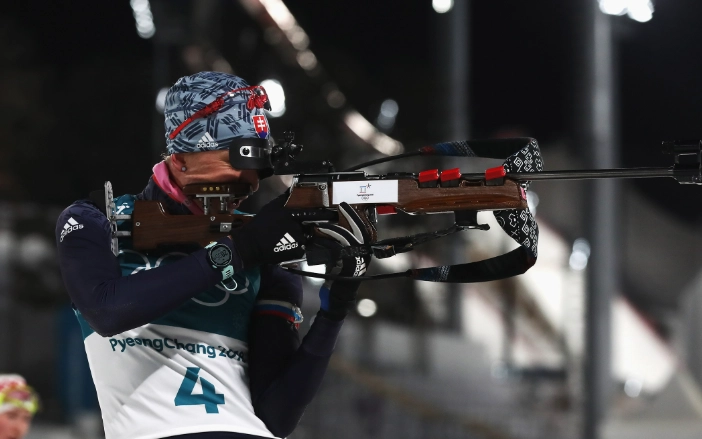
Your Burning Questions, Answered
Okay, we've established the core answer. But I know you. You've got more questions bubbling up. Let's tackle the most common ones head-on.
Has biathlon ever been removed from the Olympics?
No. Not since its official introduction in 1960 for men and 1992 for women. It has never been voted out or demoted. The program has only grown, from a single men's event in 1960 to the 11-event schedule we have now.
Could biathlon be removed in the future?
Technically, anything is possible. The IOC reviews the sports program after each Games. But realistically, the chances are extremely low. It would be like removing swimming from the Summer Games. The uproar from its massive fanbase, particularly across Europe, would be immense. Its ratings, history, and unique character give it immense protection. It's about as safe as a sport can be.
Why is biathlon so popular in Europe but not as much in the US?
Ah, the million-dollar question. History, culture, and media exposure. In many European countries, especially Nordic and Central European nations, skiing and shooting have deep cultural and historical roots (think forest management, hunting traditions, military history). It's ingrained. The sport also gets prime-time television coverage and major sponsorship there, creating stars.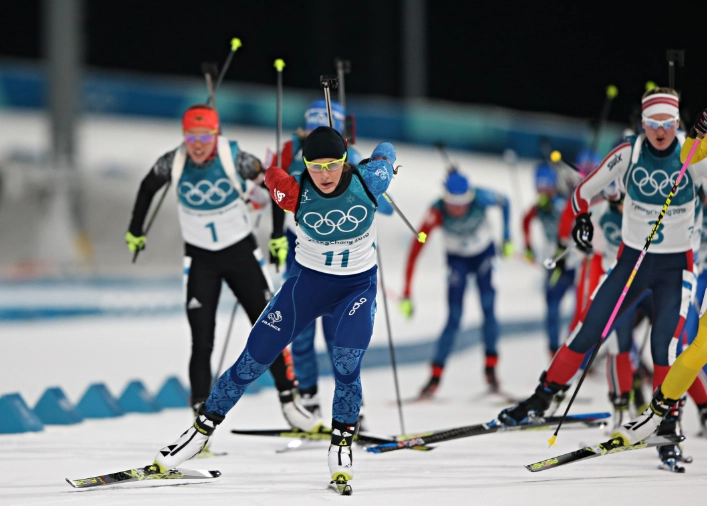
In the US, winter sports coverage is dominated by figure skating, skiing, and snowboarding. Biathlon gets aired, but often on delay or on secondary channels. There's also less infrastructure. But don't count the US out! The American team has been improving steadily, with athletes like Susan Dunklee and Clare Egan becoming familiar faces on the World Cup. Success breeds interest. If an American wins a medal in 2026, you'll see interest spike.
How can I watch biathlon if it's not on the Olympics?
Great question! This is how you go from a casual fan to a real one. The IBU World Cup runs from late November to March every year. Races happen almost every weekend in beautiful locations across Europe. The IBU's own website, biathlonworld.com, offers a streaming service (with a subscription) that shows every race live and on-demand. It's fantastic. Some sports networks in various countries also broadcast highlights or select races. It's a winter weekend ritual for me now.
What's the hardest part of biathlon?
Ask any athlete, and they'll tell you it's the mental whiplash. The physical demand of skiing at your absolute limit is brutal enough. But then having to slam on the brakes, control your heart rate and breathing in seconds, and perform a fine motor skill that requires utter stillness? It's a psychological torture test. A top biathlete is both a supreme endurance monster and a master of mental clarity. Missing a shot after skiing your guts out must be one of the most crushing feelings in sports.
The Future: What's Next for Olympic Biathlon?
So, we know it's staying. But what's it evolving into? The sport isn't static.
We're likely to see continued technological tweaks. Rifles get lighter and more balanced. Ski and pole technology advances. Clothing becomes more aerodynamic. But the core challenge remains human.
The big trend is globalization. The IBU is actively working to develop the sport in new nations through development programs. Seeing more athletes from non-traditional countries qualifying for and being competitive at the Olympics is a key goal. This only strengthens its position with the IOC.
Format innovations are always possible. Shorter, sharper events to cater to younger audiences? Maybe. But they'll be careful not to mess with the magic formula. The Mixed Relay addition was a masterstroke—it was new but felt instantly classic.
And let's address the elephant in the room: climate change. A sport reliant on snow is always looking at the forecast with concern. But the IBU and Olympic organizers are increasingly factoring in sustainability and using existing, proven venues (like Antholz for 2026) that have a long history of reliable conditions. It's a challenge shared by all winter sports.
Final Thoughts: Stop Worrying, Start Watching
Look, if you took one thing from this, let it be this: you can stop searching for "is biathlon still in the Olympics." The answer is a resounding, unequivocal yes. It's not just hanging on; it's a centerpiece.
The question itself is a bit of a relic, a hangover from when the sport was less visible globally. Today, it stands as one of the most distinctive, dramatic, and demanding tests in all of sport. It has survived and evolved from its military patrol origins to become a highlight of the Winter Games calendar.
Its future is tied to the Winter Olympics themselves. And as long as we have snow, skis, and the human desire to test the limits of body and mind under pressure, biathlon will have a home on the biggest stage. The real question isn't "is it still in?" The real question is, which event are you going to watch first?
Do yourself a favor. Before the next Olympics roll around, find a World Cup race online. Watch for 20 minutes. See the agony and the ecstasy on the athletes' faces. Feel your own heart pound as they approach the shooting range. You'll understand. You'll never wonder about its place again. You'll just be waiting for the next race.